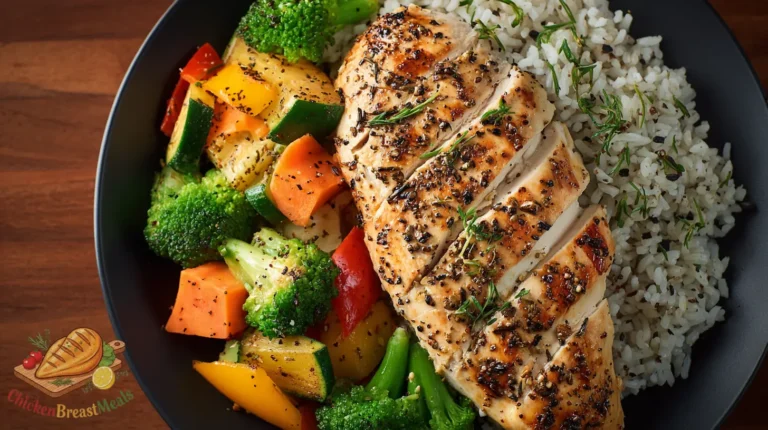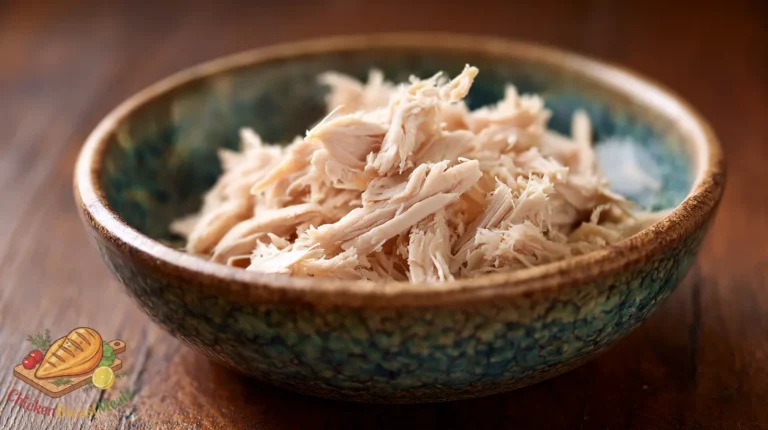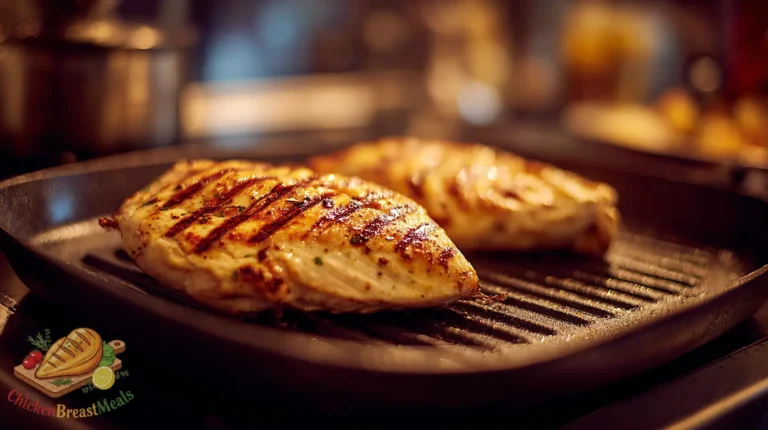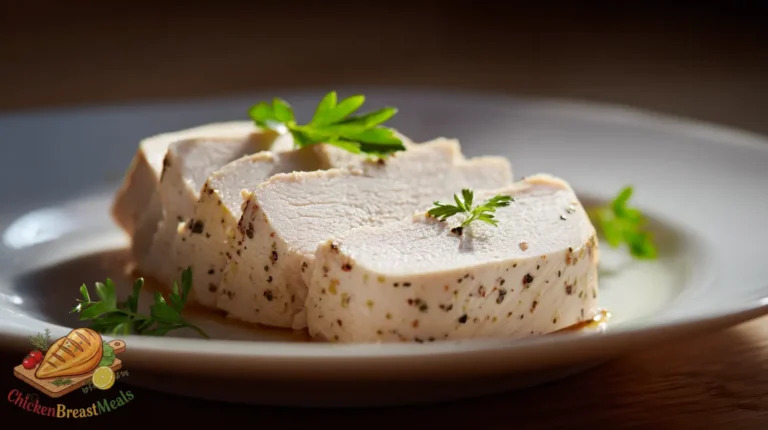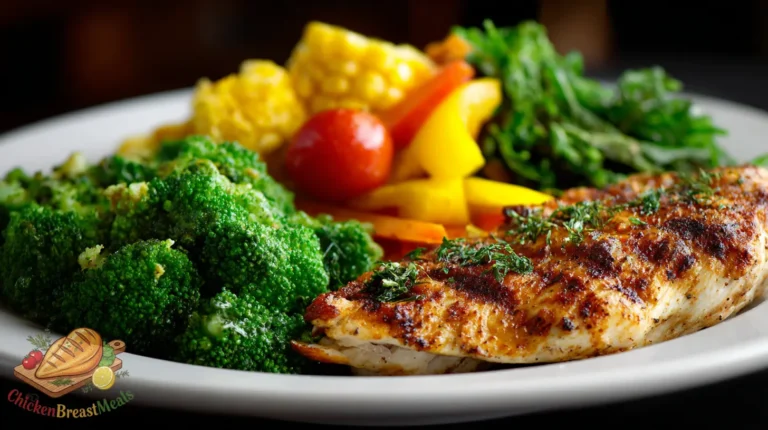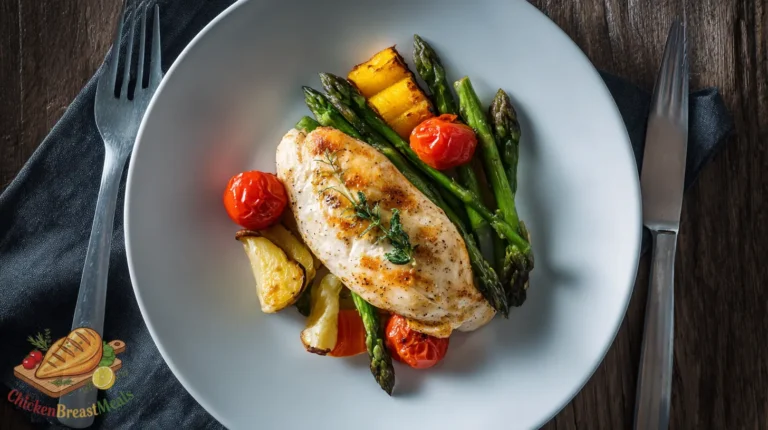
Healthy & Diet-Specific Chicken Breast Meals
The Dietary Power of Chicken Breast: A Nutritional Foundation
Chicken breast stands as the quintessential lean protein in the modern health-conscious kitchen, yet this culinary staple often becomes the source of mealtime disappointment—dry, flavorless, and uninspiring. This disconnect stems from a fundamental misunderstanding of chicken breast’s unique protein structure and how it responds to various cooking methods across different dietary frameworks.
The challenge with chicken breast lies in its remarkably low fat content—typically just 1-3 grams per 3.5-ounce serving—which makes it simultaneously a nutritional powerhouse and a culinary challenge. Without fat’s natural insulation and flavor-carrying properties, chicken breast becomes uniquely vulnerable to overcooking, temperature mismanagement, and flavor deficiency. This protein-to-fat ratio, while ideal for nutritional purposes, creates a narrow window of optimal cooking conditions.
For those adhering to specific dietary protocols, this challenge multiplies. Keto practitioners must balance the protein-to-fat ratio without compromising their macronutrient goals. Paleo followers need to ensure clean cooking methods free from processed ingredients. Those seeking weight management require techniques that add flavor without excess calories, while athletes demand consistent, reliable protein preparation methods for meal planning.
The strategic solution lies not in a single technique but rather in understanding how chicken breast’s protein structure interacts with specific cooking methods—and how these methods can be adapted to serve particular dietary needs. By mastering temperature control, moisture retention techniques, and diet-specific flavor enhancement, we transform this challenging protein into an adaptable canvas for nutritional goals.
Throughout this guide, we’ll explore how different cooking approaches—from gentle poaching for shreddable, moisture-rich results to controlled high-heat methods for flavor development—can be specifically tailored to dietary protocols ranging from ketogenic to Mediterranean. We’ll examine how cooking tools, timing precision, and temperature management create the foundation for diet-specific success with chicken breast, regardless of your nutritional framework.
The Chicken Breast Masterclass: Core Techniques for Dietary Success
Understanding Protein Behavior in Chicken Breast
The scientific basis for successful chicken breast cooking begins with understanding myofibrillar proteins—the long, rope-like molecules that contract when heated. As temperatures rise, these proteins tighten, squeezing moisture outward. This process begins at approximately 140°F (60°C) and accelerates dramatically above 165°F (74°C), which explains why even a few minutes of overcooking can transform juicy chicken into a dry, stringy disappointment.
For diet-specific cooking, this protein behavior has critical implications. Keto cooking methods must incorporate fat while maintaining moderate cooking temperatures. High-protein applications benefit from precise temperature control to maximize moisture retention. Clean eating protocols require methods that maintain moisture without relying on added fats or sugars.
The key control factor across all dietary applications is internal temperature management—not just final temperature, but the rate of temperature change. Slower temperature increases allow proteins to denature more gradually, reducing moisture loss, while rapid temperature changes (like placing cold chicken directly on a hot grill) cause proteins to contract suddenly, expelling moisture and creating texture issues.
The Universal Preparation Method
Regardless of your dietary framework, these foundational steps create the basis for successful chicken breast preparation:
- Equilibrate temperature: Remove chicken from refrigeration 20-30 minutes before cooking (keeping food safety in mind—don’t exceed 30 minutes at room temperature). This reduces the temperature differential between the meat and cooking surface.
- Standardize thickness: Pound chicken breasts to an even thickness of approximately ¾-inch using a meat mallet or rolling pin. This ensures even cooking and prevents the thinner portions from drying out before the thicker sections reach safe temperature.
- Apply controlled brining: For most dietary protocols, a simple 30-minute dry brine with kosher salt (approximately ½ teaspoon per breast) creates an osmotic effect that improves moisture retention. For low-sodium diets, this can be modified to include acid (lemon juice) which tenderizes proteins without added sodium.
- Pat completely dry: Before applying any cooking method, thoroughly dry the surface with paper towels. Surface moisture creates steam, which prevents browning and flavor development in high-heat applications.
- Apply appropriate fats strategically: Even for low-fat diets, a minimal amount of fat applied to the cooking surface (not necessarily the chicken itself) prevents sticking and improves heat transfer. Choose fats appropriate to your dietary protocol: olive oil for Mediterranean, avocado oil for keto/paleo, or cooking spray for low-calorie approaches.
- Rest properly: Allow chicken to rest for 5-10 minutes (loosely tented with foil) after cooking. During this period, the temperature redistributes, and muscle fibers relax, reabsorbing moisture that would otherwise be lost if cut immediately.
Essential Equipment for Diet-Specific Cooking
Your cooking equipment significantly impacts your ability to execute diet-specific chicken breast preparations:
- Instant-Read Thermometer – The single most important tool for all chicken breast cooking, regardless of dietary approach. Temperature control is the difference between perfect, juicy chicken and dry, disappointing results. Invest in a digital thermometer with a thin probe and fast reading time.
- Heavy-Bottom Skillet – Preferably cast iron or tri-ply stainless steel. The even heat distribution prevents hot spots that can cause partial overcooking. For keto cooking, cast iron retains heat better for searing while holding added fats. For low-fat cooking, a quality non-stick surface reduces the need for added fats.
- Meat Mallet – Creating uniform thickness is essential for even cooking. For diet-specific approaches like low-calorie or high-protein, this ensures consistent protein cooking without some portions becoming overcooked.
- Kitchen Scale – For precision dietary protocols (especially bodybuilding, macro-counting, and portion-controlled diets), measuring both raw and cooked weights ensures accurate nutritional calculations.
- Parchment Paper – A versatile tool that enables cooking methods like en papillote (cooking in a packet), which requires minimal added fat while trapping moisture—ideal for Mediterranean and low-calorie approaches.
- Silicone Basting Brush – For applying measured amounts of fats or marinades, essential for controlled fat application in keto cooking or minimal oil application in low-calorie preparations.
Temperature & Timing Chart by Method
|
Cooking Method |
Dietary Focus |
Target Internal Temp |
Approximate Timing |
Rest Time |
Best For |
|
Sous Vide |
Precision Protein |
145°F (63°C) |
1.5-2 hours |
0-5 min |
Meal Prep, Bodybuilding |
|
Poaching |
Low Fat, Low Calorie |
160°F (71°C) |
12-15 minutes |
5 min |
Shredding, Low FODMAP |
|
Baking (425°F) |
Mediterranean, Paleo |
160°F (71°C) |
18-22 minutes |
5-10 min |
Herb Crusting, Versatility |
|
Pan Searing |
Keto, High Fat |
155°F (68°C)* |
5-7 min per side |
5-10 min |
Fat Incorporation, Flavor |
|
Grilling (Indoor) |
High Protein |
155°F (68°C)* |
5-6 min per side |
5 min |
Flavor Development, Low Fat |
|
Air Frying |
Crispy Low Fat |
160°F (71°C) |
10-12 minutes |
5 min |
Breaded Alternatives |
Note: For pan-searing and grilling, the lower target temperature accounts for carryover cooking during rest time, where internal temperature typically rises 5-10°F.
Meal Prep Strategy by Dietary Protocol
The approach to meal preparation varies significantly based on dietary requirements:
- Keto/Low-Carb Prep: Cook chicken breasts in batch sizes of 3-4, allowing them to cool completely before refrigerating to prevent moisture condensation. Store with added fats (like compound butter or olive oil) to maintain appropriate macronutrient ratios. Optimal refrigerated storage time: 3-4 days.
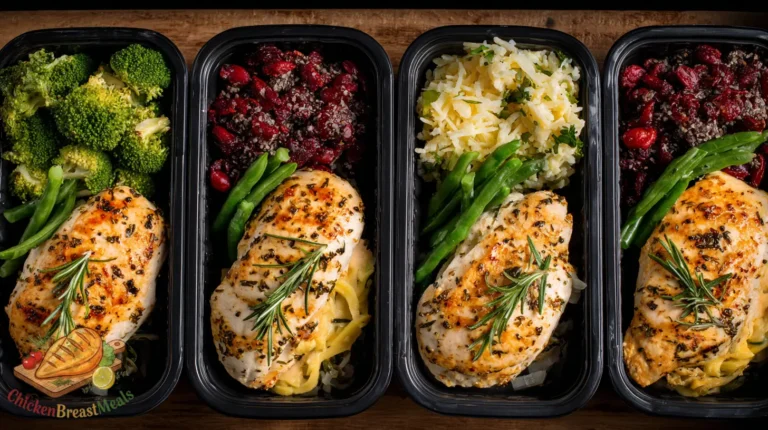
- High-Protein/Bodybuilding Prep: Cook larger batches (6-8 breasts) using lower-temperature methods like poaching or sous vide to maximize moisture retention. Weigh portions after cooking for precise macro tracking. Slice only before consumption to minimize moisture loss. Optimal refrigerated storage time: 4-5 days.
- Mediterranean Diet Prep: Prepare with herbs, olive oil, and citrus. Store with accumulated cooking juices and additional fresh herbs added after reheating. Optimal refrigerated storage time: 3-4 days.
- Low-Calorie/Weight Management: Use cooking methods that require minimal added fats (poaching, baking on parchment). Store portions individually wrapped to prevent unconscious overconsumption during reheating. Optimal refrigerated storage time: 4 days.
Diet-Specific Chicken Breast Showcases
Keto-Friendly Chicken Breast Excellence
The ketogenic approach to chicken breast requires strategic fat incorporation without compromising the meat’s texture. The key technique involves creating a protective fat barrier that both insulates the protein during cooking and contributes to the high-fat macronutrient profile essential for ketosis. Temperature management becomes particularly critical in keto preparations—cooking too hot will cause added fats to separate rather than incorporate with the meat. For optimal results, maintain a medium-heat environment (325-350°F) that allows fats to slowly infuse the meat while preventing moisture loss from the lean breast protein.
Pro-Tip: For keto chicken preparations, create a fat-based “barrier layer” by mixing softened butter with herbs and spices, then applying beneath the skin before cooking. This protective layer serves dual purposes: providing the necessary fat content for keto macros while insulating the lean meat from direct heat.
Ready to transform your keto meal plan? Explore our comprehensive Keto Chicken Breast Recipes collection.
Bodybuilding & High-Protein Optimization
Bodybuilding-focused chicken breast preparation centers on maximizing protein bioavailability while maintaining precise portion control for accurate macro tracking. The technique that distinguishes exceptional bodybuilding preparations is controlled moisture management—using temperature precision to retain water content within the protein structure, which enhances both texture and weight. For bodybuilders in different training phases, cooking methods should be adjusted accordingly: leaner, drier preparations for cutting phases (with measured fats added post-cooking for control), and moisture-focused methods for bulking phases where volume and palatability support higher consumption.
Pro-Tip: For bodybuilding meal prep, cook chicken breasts to exactly 155°F (68°C), then immediately transfer to a cooling rack (not a flat surface). This prevents the bottom side from steaming in its own moisture, which can create texture inconsistencies that make accurate portion control challenging later in the week.
Take your fitness nutrition to the next level with our macro-optimized Bodybuilding Chicken Breast Meals.
Mediterranean Diet Approach
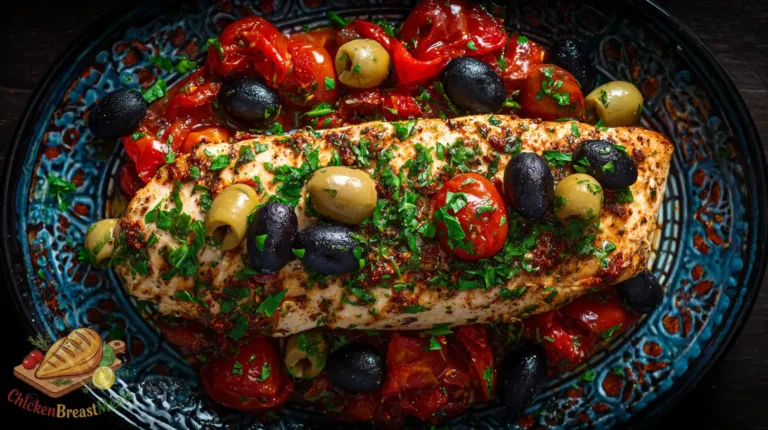
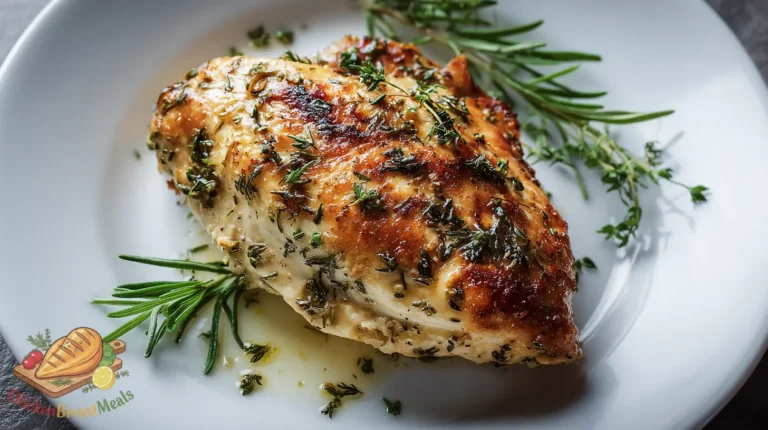
Mediterranean chicken breast preparation embodies the region’s philosophy of simple ingredients prepared with precise technique. The distinguishing element in Mediterranean chicken cookery is the low-temperature olive oil infusion—a process where quality extra virgin olive oil and aromatics (garlic, herbs, citrus zest) are gently heated with the chicken, allowing the protein to gradually reach temperature while absorbing the oil’s flavor compounds. This method creates a natural emulsion between the chicken’s released juices and the olive oil, forming a light, flavorful sauce that embodies Mediterranean principles of heart-healthy fat consumption.
Pro-Tip: For authentic Mediterranean results, finish chicken breast with a “double oil” technique—cook with a more heat-stable olive oil, then finish the dish with a small amount of premium, cold-pressed extra virgin olive oil just before serving to preserve its delicate flavor compounds and health-promoting polyphenols.
Experience the Mediterranean approach with our collection of Mediterranean Diet Chicken Breast recipes.
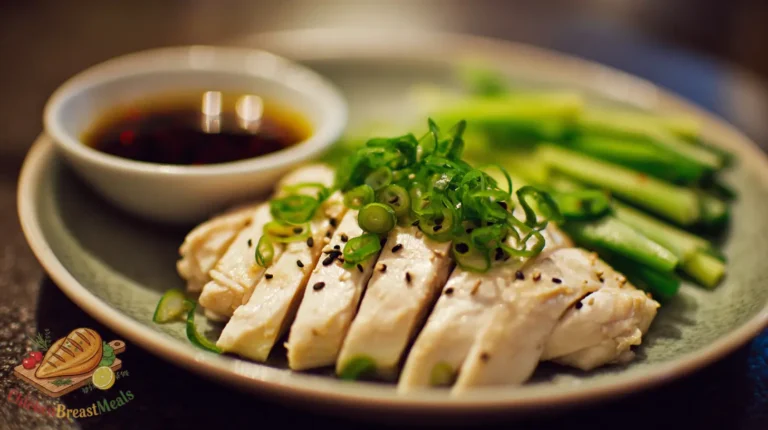
Gentle Poaching Perfection
Poaching represents the pinnacle technique for creating tender, shreddable chicken breast with maximum moisture retention—making it ideal for multiple dietary approaches including low-fat, low-calorie, and medical restriction diets. The critical technique factor is strict temperature control: maintaining a liquid environment between 160-180°F (71-82°C), below simmering point, which allows proteins to denature slowly without contracting rapidly. This gentle approach yields chicken with approximately 10% higher moisture content than other cooking methods, creating a versatile protein base that can be adapted to numerous dietary frameworks.
Pro-Tip: For the most versatile poached chicken, use a two-stage poaching liquid: start with just water and salt for the first 5 minutes, then add aromatics (herbs, citrus, etc.) for the remaining cooking time. This method ensures food safety through initial temperature while preventing bitter compounds from developing during extended aromatic exposure to heat.
Master this versatile technique with our complete Poached Chicken Breast Guide.
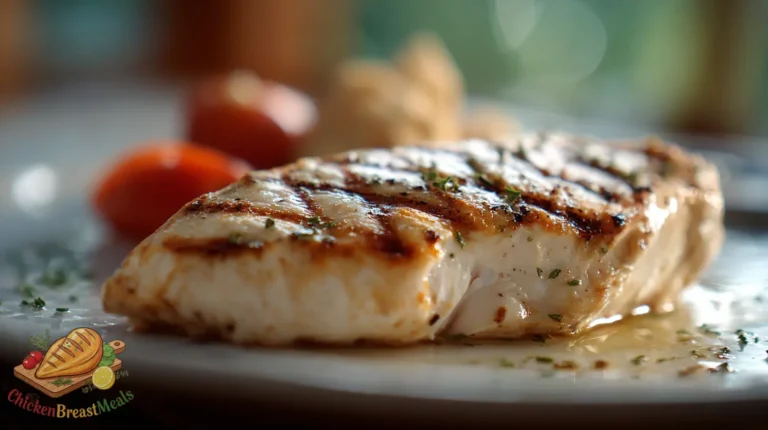
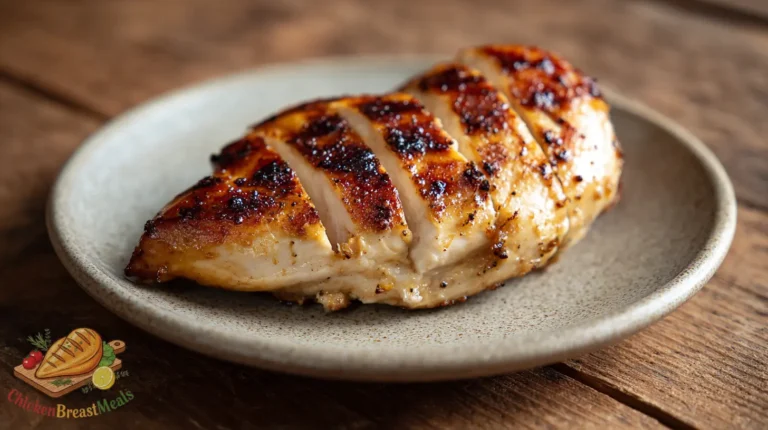
Indoor Grilling Techniques
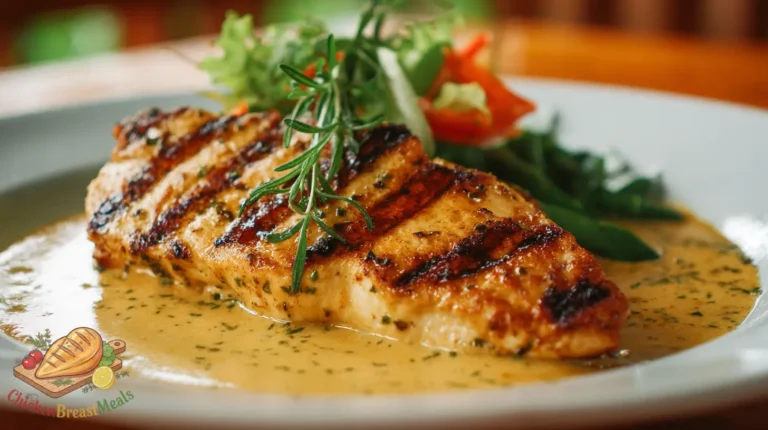
Indoor grilling techniques bring high-flavor development to controlled kitchen environments—particularly valuable for dietary approaches requiring precise fat management without sacrificing flavor intensity. The distinguishing factor in successful indoor grilling is the two-zone heat setup: creating a primary high-heat zone for initial Maillard reaction (browning) followed by a lower-heat zone to gently bring the protein to final temperature. This controlled approach develops the flavor compounds associated with grilling while maintaining precise control over final protein texture and moisture content.
Pro-Tip: To achieve authentic grill marks and flavor indoors, preheat a heavy cast iron grill pan for a full 10 minutes before cooking, then use a two-stage cooking process: 2 minutes per side on high heat (for marks and flavor development), followed by finishing in a 350°F oven to precise internal temperature. This prevents the excessive smoke and potential burning that often plagues indoor grilling attempts.
Discover how to achieve authentic grilled flavor year-round with our Indoor Grilled Chicken Breast collection.
Specialized Dietary Solutions
Medical & Restriction-Based Approaches
These specialized preparations address specific health conditions through modified cooking techniques:
- Low Sodium Chicken Breast – Focusing on acid-based marinades and flavor development without salt.
- Low FODMAP Chicken Recipes – Eliminating onion and garlic while maximizing flavor through alternative aromatics.
- Diabetic Friendly Chicken Breast – Balanced protein preparations with controlled glycemic impact.
- Gluten-Free Chicken Breast Meals – Safe preparations without cross-contamination risk.
Method-Specific Techniques
These preparations focus on specialized cooking approaches for particular dietary goals:
- Steamed Chicken Breast – Ultra-clean preparation with minimal added ingredients.
- Boiled Chicken for Dogs – Veterinarian-approved preparation for canine dietary needs.
- Low Calorie Chicken Breast – Maximum flavor development with minimal caloric impact.
- Zero Carb Chicken Recipes – Strict carbohydrate elimination while maintaining flavor complexity.
Preparation-Focused Solutions
These approaches address specific meal planning and nutritional goals:
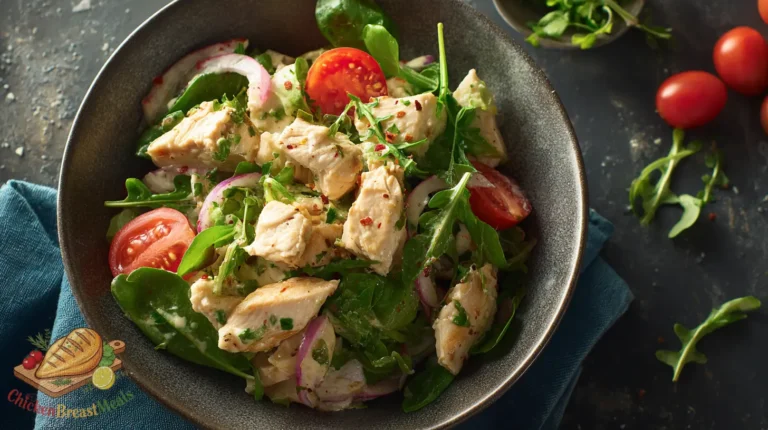
- High Protein Chicken Salads – Cold preparation techniques for maximum protein density.
- Macro-Friendly Chicken Breast – Precisely calculated preparations for nutrition tracking.
Troubleshooting & Technical FAQ
How can I maintain ketosis while eating chicken breast, which is naturally low in fat?
The lean nature of chicken breast presents a challenge for ketogenic diets requiring 70-75% of calories from fat. The solution lies in both cooking method and accompaniment strategy. For the cooking method, use a technique called “fat integration”—creating small incisions in the chicken breast and inserting compound butter (mixed with herbs, spices, and other flavor components) directly into the meat. During cooking, this fat slowly melts through the protein fibers, both flavoring and adding necessary fat content.
For meal assembly, calculate your plate composition to ensure appropriate ratios. If your chicken breast provides 25g of protein and only 3g of fat, you’ll need to add approximately 22-28g of healthy fats through accompaniments like avocado, olive oil-based sauces, or full-fat dairy components to achieve proper ketogenic macronutrient ratios. This balanced approach maintains ketosis while benefiting from chicken breast’s protein efficiency.
What’s the most effective chicken breast preparation for maximum protein utilization in a bodybuilding context?
For maximum protein utilization (bioavailability), the primary factors are denaturation level, digestive efficiency, and amino acid preservation. Research indicates that the optimal preparation method is moderate-temperature water-based cooking (sous vide or precision poaching) at 145-150°F (63-65.5°C) for extended time periods (1-2 hours).
This approach achieves several objectives: the controlled temperature denatures proteins sufficiently for digestive accessibility without the cross-linking that occurs at higher temperatures, which can reduce absorption efficiency. The moisture-based environment prevents the formation of advanced glycation end products (AGEs) that can occur with high-heat methods, which can interfere with protein utilization. Finally, the gentle cooking preserves the integrity of heat-sensitive amino acids like lysine that can be damaged during aggressive cooking methods.
For practical application, sous vide at 145°F (63°C) for 1.5 hours provides optimal results, followed by quick searing if flavor development is desired. For those without sous vide equipment, precision poaching (maintaining water temperature between 160-170°F) for 15 minutes achieves similar protein quality with slightly lower moisture retention.
How can I incorporate chicken breast into a Mediterranean diet properly?
Authentic Mediterranean diet integration of chicken breast differs significantly from popularized versions, focusing on three key elements: frequency, preparation method, and accompaniment balance. In traditional Mediterranean eating patterns, chicken appears 2-4 times weekly, not daily, complemented by other protein sources (particularly legumes and fish).
The preparation should emphasize olive oil, herbs, and citrus rather than tomato-based sauces (which are used more with red meats in authentic Mediterranean cooking). The ideal technique involves gentle poaching in olive oil (a traditional method called “confit”) at low temperature (around 200°F/93°C), allowing the meat to slowly cook while absorbing the heart-healthy monounsaturated fats.
Most importantly, Mediterranean balance requires that the chicken portion remains moderate (typically 3-4 ounces per serving) while accompanied by abundant plant foods—a minimum 2:1 ratio of vegetables and whole grains to chicken, drizzled with additional cold-pressed olive oil just before serving. This approach maintains the diet’s cardioprotective benefits while incorporating chicken breast’s lean protein advantages.
What’s the most effective way to prevent chicken breast from sticking to the pan when using minimal oil for low-fat diets?
Pan adhesion occurs when proteins form bonds with metal cooking surfaces—a particular challenge when reducing oils for low-fat cooking. The solution combines proper preparation with cooking technique adjustments. First, thoroughly dry the chicken surface with paper towels, as surface moisture creates steam that prevents proper searing and promotes sticking.
Next, ensure proper pan preheating—the pan should be hot enough that water droplets dance across the surface rather than immediately evaporating. Apply a minimal amount of oil using a paper towel to create the thinnest possible layer, focusing on even distribution rather than quantity. Alternatively, use oil spray to create a measured, thin coating.
The critical technique factor is patience—place the chicken in the preheated pan and do not attempt to move it for at least 3-4 minutes. Chicken naturally releases from the cooking surface once proteins set and browning occurs. Attempting to flip or move the chicken before this natural release happens tears the protein surface and causes sticking. This patience-based approach allows proper searing and release with as little as ½ teaspoon of oil per chicken breast.
How can I ensure food safety while maximizing moisture in chicken breast?
The perceived conflict between food safety and moisture retention stems from misconceptions about bacterial elimination. Pasteurization (bacterial reduction to safe levels) is a function of both temperature AND time—not just reaching a specific temperature. While 165°F (74°C) achieves instant pasteurization, equivalent safety occurs at lower temperatures with longer exposure.
For example, chicken breast held at 150°F (65.5°C) for 3.8 minutes achieves the same bacterial reduction as instant exposure to 165°F, but with significantly higher moisture retention. The FDA Food Code recognizes this time-temperature relationship, though most home cooking resources simplify to the instant-kill temperature.
To implement this approach safely, use precision cooking methods like sous vide, or for conventional methods, use an instant-read thermometer to verify that chicken reaches 155-157°F (68-69.5°C) at its thickest point, then rest under foil for 5-10 minutes. This rest period allows carryover cooking to maintain this temperature range for the necessary time while redistributing moisture throughout the meat. This approach maximizes both safety and quality.
How should I modify cooking techniques for specific health conditions like diabetes or hypertension?
For diabetes management, the priority is controlling the glycemic impact of the entire meal while maintaining protein quality. This requires attention to cooking method interactions—specifically, how high-heat methods like grilling or broiling can create advanced glycation end products (AGEs) that may exacerbate insulin resistance when consumed regularly. Instead, favor moisture-based cooking methods (poaching, braising) combined with acid components (lemon, vinegar marinades) that have been shown to reduce AGE formation.
For hypertension and sodium restriction, the challenge extends beyond simply eliminating added salt. Many common chicken breast preparations rely on brining or high-sodium ingredients for moisture and flavor. The effective approach requires a two-part strategy: first, use mechanical tenderizing (pounding) and light acid marinades (lemon juice, buttermilk) to improve texture without sodium. Second, develop flavor complexity through sodium-free aromatic concentrations—reduce sodium-free broths with herbs to create concentrated flavor bases, or use fruit enzymes (like kiwi or pineapple, briefly applied) that tenderize proteins naturally.
In both cases, careful attention to cooking temperature—removing chicken breast from heat at 155°F (68°C) and allowing rest to complete cooking—provides the moisture foundation that makes reduced-sodium or diabetic-friendly flavor systems more effective.
Your Personalized Dietary Journey with Chicken Breast
The versatility of chicken breast transcends its reputation as a simple protein source—it serves as an adaptable foundation for virtually any dietary approach when prepared with proper technique and understanding. Whether you’re pursuing ketogenic fat adaptation, optimizing protein intake for athletic performance, embracing Mediterranean principles for heart health, or navigating medical dietary restrictions, the fundamental principles of temperature control, moisture management, and appropriate flavor development remain consistent.
The key to dietary success with chicken breast lies not in finding a single perfect recipe, but in understanding how to adapt core techniques to your specific nutritional framework. By mastering the principles outlined in this guide, you gain the culinary flexibility to transform this sometimes challenging protein into a consistent, satisfying cornerstone of your personalized dietary approach.
Explore our specialized recipe collections to find the perfect expression of these techniques for your specific dietary needs, and discover how chicken breast can become not just a nutritional necessity, but a culinary highlight of your meal plan.
Explore All Healthy & Diet Chicken Breast Recipes
-
Precise Macro Friendly Chicken Breast Recipes (Easy Tracking)
Easily track your nutrition with these delicious and precise macro friendly chicken breast recipes.
-
Safe Boiled Chicken Breast for Dogs (Simple & Gentle Recipe)
A simple and safe guide on how to make plain boiled chicken breast for dogs with upset stomachs.
-
Healthy Indoor Grilled Chicken Breast (Smoky Flavor at Home)
Get outdoor flavor inside with this healthy indoor grilled chicken breast recipe.
-
Perfect Poached Chicken Breast Guide (Tender & Juicy Results)
The ultimate guide to making perfectly tender poached chicken breast for salads and shredding.
-
Juicy Steamed Chicken Breast Recipe (Clean & Oil-Free)
Learn the ancient technique of making juicy steamed chicken breast for a clean, oil-free meal.
-
Nutritious High Protein Chicken Salads (Fresh & Filling)
Filling and nutritious high protein chicken salads using grilled or baked chicken breast.
-
Lean Low Fat Chicken Breast Recipes (Light & Satisfying)
Keep it lean with these delicious low fat chicken breast recipes cooked without excess oil.
-
Pure Protein Zero Carb Chicken Breast Recipes (Simple & Clean)
Strict zero carb chicken breast recipes for carnivore diets and ultra low-carb lifestyles.
-
Smart Diabetic Friendly Chicken Breast Meals (Balanced & Tasty)
Low glycemic index diabetic friendly chicken breast meals for stable blood sugar levels.
-
Heart Smart DASH Diet Chicken Breast Recipes (Flavorful & Clean)
Blood pressure lowering DASH diet chicken breast recipes that don’t compromise on taste.
-
Fresh Mediterranean Diet Chicken Breast Recipes (Balanced & Healthy)
Fresh and vibrant Mediterranean diet chicken breast recipes with olive oil, olives, and herbs.
-
High Protein Bodybuilding Chicken Breast Meals (Muscle Fuel)
High-protein bodybuilding chicken breast meals designed for muscle growth and recovery.
-
Rich Dairy Free Chicken Breast Recipes (Creamy Without Dairy)
Creamy and rich dairy free chicken breast recipes using coconut milk and healthy fats.
-
Safe & Tasty Gluten Free Chicken Breast Recipes (Family Friendly)
Safe and delicious gluten free chicken breast recipes, from breaded cutlets to rich casseroles.
-
Gentle Low FODMAP Chicken Breast Meals (Gut-Friendly & Easy)
Gut-friendly low FODMAP chicken breast meals perfect for IBS and sensitive digestion.
-
Heart Healthy Low Sodium Chicken Breast Recipes (Full of Flavor)
Heart healthy low sodium chicken breast recipes that use herbs and spices instead of salt.
-
Wholesome Whole30 Chicken Breast Meals (Clean & Flavorful)
Compliant Whole30 chicken breast meals that are packed with flavor and easy to prep.
-
Clean & Nourishing Paleo Chicken Breast Recipes (Simple & Healthy)
Clean eating paleo chicken breast recipes free from grains, dairy, and processed sugars.
-
Flavorful Low Calorie Chicken Breast Meals Under 400 Calories
Flavorful low calorie chicken breast meals under 400 calories for weight loss.
-
Delicious Keto Chicken Breast Recipes (Low Carb & Satisfying)
Delicious low-carb keto chicken breast recipes that keep you in ketosis and satisfy your cravings.