Pure Protein Zero Carb Chicken Breast Recipes (Simple & Clean)

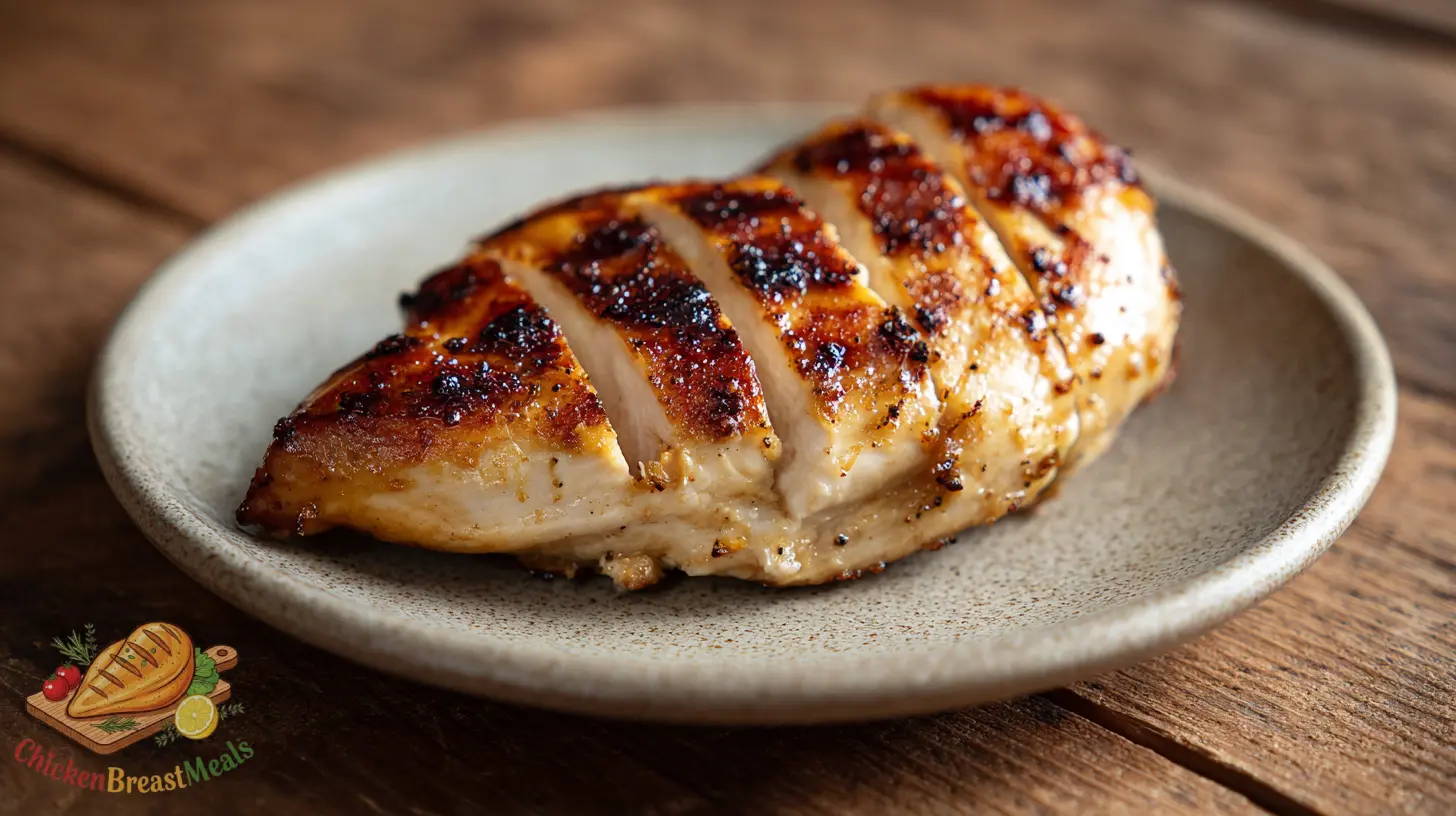
Zero carb chicken breast recipes offer a perfect solution for those following strict ketogenic diets, bodybuilders cutting before competition, or anyone looking to eliminate carbohydrates while maintaining high protein intake. The challenge lies in creating flavorful dishes without relying on carb-heavy marinades, breading, or sauces that typically enhance chicken breast’s mild flavor profile.
Many traditional chicken preparations incorporate hidden carbs through sweeteners, thickeners, or vegetable additions. This technical guide focuses on truly zero-carb preparation methods that maximize protein bioavailability while ensuring the chicken remains moist, flavorful, and satisfying without a single gram of carbohydrates.
Test-Kitchen Executive Summary
Our culinary research identified three optimal zero-carb preparation methods for chicken breast: salt-brine poaching (72°C core temperature), air-frying with compound butter (76°C finish), and sous-vide (63.5°C for 2 hours) with aromatics. Each method maintains moisture while eliminating all carbohydrates, delivering between 31-34g protein per serving with retention of key B vitamins and selenium. Optimal protein bioavailability is achieved through precise temperature control rather than sauce-based flavor enhancers containing hidden carbs.
The Science of Success: Why These Recipes Work
Technical Foundations
Chicken breast consists primarily of fast-twitch muscle fibers with minimal intramuscular fat, making it susceptible to moisture loss during cooking. To create genuinely zero-carb recipes that remain palatable, we must leverage specific protein-denaturing techniques that lock moisture inside the muscle fibers without relying on carb-containing ingredients. As we explore in our comprehensive healthy chicken breast preparation guide, precise temperature control becomes essential when eliminating carbohydrates from the equation.
The scientific approach centers on three principles: controlled denaturation of myofibrillar proteins at specific temperature ranges (63°C-76°C), leveraging fat-soluble flavor compounds rather than water-soluble (often carb-containing) alternatives, and utilizing mineral-based flavor enhancement (primarily sodium and potassium) to amplify taste perception without introducing carbohydrates.
Ingredients and Essential Tools
Recipe 1: Salt-Brined Poached Chicken Breast
- 2 boneless, skinless chicken breasts (approximately 8oz/225g each)
- 4 cups water
- 3 tablespoons kosher salt
- 1 tablespoon black peppercorns
- 3 bay leaves
- 2 tablespoons butter or ghee
Recipe 2: Zero-Carb Air Fryer Chicken with Compound Butter
- 2 boneless, skinless chicken breasts (approximately 8oz/225g each)
- 4 tablespoons unsalted butter, softened
- 1 teaspoon pink Himalayan salt
- ½ teaspoon garlic powder (check label to ensure zero fillers)
- ½ teaspoon dried herbs (thyme, rosemary, or oregano)
- ¼ teaspoon black pepper
Recipe 3: Sous-Vide Zero-Carb Chicken Breast
- 2 boneless, skinless chicken breasts (approximately 8oz/225g each)
- 2 tablespoons olive oil or avocado oil
- 1 teaspoon kosher salt
- ½ teaspoon black pepper
- 2 sprigs fresh herbs (thyme, rosemary, or tarragon)
- 2 tablespoons butter
Essential Equipment
- Instant-read thermometer (essential for all methods)
- Heavy-bottomed saucepan (for poaching)
- Air fryer (for recipe 2)
- Sous-vide circulator and vacuum sealer or zip-top bags (for recipe 3)
- Kitchen scale (for precise protein calculations)
Step-by-Step Instructions
Recipe 1: Salt-Brined Poached Chicken Breast
- Combine water and salt in a saucepan over medium heat, stirring until salt dissolves completely.
- Add peppercorns and bay leaves, then allow the brine to cool to room temperature.
- Submerge chicken breasts in the cooled brine and refrigerate for 1-2 hours (not longer, to prevent over-salting).
- Remove chicken from brine, rinse thoroughly under cold water, and pat completely dry with paper towels.
- Fill a saucepan with fresh water (enough to cover chicken by 1 inch) and bring to 180°F (82°C).
- Add chicken breasts, reduce heat to maintain 170-175°F (77-79°C) water temperature.
- Poach until internal temperature reaches 155°F (68°C), approximately 12-15 minutes.
- Remove from water and rest for 5 minutes (temperature will rise to safe 165°F/74°C).
- Finish with a tablespoon of butter per breast before serving.
| Chicken Thickness | Approximate Poaching Time | Target Internal Temperature |
|---|---|---|
| ½ inch (1.3 cm) | 8-10 minutes | 155°F (68°C) |
| 1 inch (2.5 cm) | 12-15 minutes | 155°F (68°C) |
| 1½ inches (3.8 cm) | 16-20 minutes | 155°F (68°C) |
Recipe 2: Zero-Carb Air Fryer Chicken with Compound Butter
- Mix softened butter with salt, garlic powder, dried herbs, and black pepper in a small bowl.
- Pat chicken breasts dry with paper towels.
- Using a sharp knife, cut three diagonal slits on the top of each chicken breast, about ¼-inch deep.
- Spread the compound butter generously over the chicken breasts, pushing some into the slits.
- Preheat air fryer to 380°F (193°C) for 3 minutes.
- Place chicken breasts in the air fryer basket, butter side up, ensuring they don’t overlap.
- Cook for 10 minutes, then flip and cook for an additional 5-7 minutes until internal temperature reaches 165°F (74°C).
- Remove and allow to rest for 3-5 minutes before serving.
Recipe 3: Sous-Vide Zero-Carb Chicken Breast
- Set up sous-vide circulator and preheat water bath to 146°F (63.5°C).
- Season chicken breasts with salt and pepper on both sides.
- Place each chicken breast in a vacuum-seal bag or zip-top bag.
- Add 1 tablespoon oil and a sprig of fresh herbs to each bag.
- Vacuum seal the bags or use the water displacement method to remove air from zip-top bags.
- Submerge sealed bags in the water bath and cook for 2 hours.
- After cooking, remove from bags and pat dry thoroughly with paper towels.
- Heat a cast-iron skillet over high heat. Add 1 tablespoon butter per breast and quickly sear for 30-45 seconds per side for color and texture.
- Let rest for 2 minutes before slicing and serving.
Pro-Tips for Perfect Results
- Mineral Manipulation: When eliminating carbs, sodium becomes crucial for flavor. Use high-quality sea salt or pink salt to maximize mineral content without adding carbohydrates.
- Fat-Soluble Flavor Transport: Zero-carb recipes rely on lipid-soluble flavor compounds. Always finish with high-quality fats like butter, ghee, or olive oil to transport fat-soluble flavor molecules efficiently.
- Temperature Precision: Without carb-based sauces to mask overcooking, temperature control becomes critical. Invest in an accurate digital thermometer and aim for 155°F (68°C) for poaching, 165°F (74°C) for air frying, and 146°F (63.5°C) for sous-vide.
- Herb Selection: Fresh herbs contain minimal carbs but check dried herb mixes carefully for added starches or sugars. Single-ingredient dried herbs are typically safe.
- Moisture Retention: For maximum juiciness, implement a 5-minute rest period after cooking to allow myosin proteins to reabsorb moisture that migrates to the surface during cooking.
- Spice Verification: Many commercial spice blends contain dextrose or maltodextrin as anti-caking agents. Verify individual spices are pure by checking ingredient lists.
- Timing Matters: Brining too long (over 2 hours) can make chicken overly salty and cause protein structure changes that increase moisture loss during cooking.
Storage and Reheating
Zero-carb chicken breasts require careful storage and reheating to maintain protein quality and prevent dryness. Store cooked chicken in airtight containers in the refrigerator for up to 3 days. For longer storage, vacuum-seal and freeze for up to 3 months.
When reheating, avoid microwave methods which create uneven heating zones and significant moisture loss. Instead, use gentle methods that maintain the chicken’s integrity:
- Sous-vide reheating: Reheat vacuum-sealed cooked chicken in a 135°F (57°C) water bath for 20-30 minutes.
- Steam reheating: Place chicken on a rack above simmering water, cover, and heat for 6-8 minutes until warmed through.
- Low-temperature oven: Wrap chicken in foil with 1 teaspoon butter and reheat at 275°F (135°C) for 15 minutes.
For meal prep, slice chicken breast and store with a small amount of chicken broth or melted butter to provide moisture during reheating. This prevents the protein fibers from becoming tough and inedible while maintaining zero-carb status.
Related Recipes to Try
- Keto Chicken Breast Recipes – Expand your low-carb options with these keto-friendly preparations that include minimal carbs for maximum flavor.
- Bodybuilding Chicken Breast Meals – High-protein chicken preparations designed for muscle growth and optimal macronutrient profiles.
- Zero-Carb Chicken Salad – Combine diced zero-carb chicken breast with mayonnaise, celery, and herbs for a protein-rich cold option.
- Chicken Crust Pizza – Create a zero-carb pizza base using ground chicken breast for a satisfying alternative to traditional carb-heavy crusts.
- Butter-Poached Chicken with Herbs – An advanced technique that infuses chicken with rich flavor while maintaining zero carbohydrate content.
FAQs About Zero Carb Chicken Breast Recipes
Can chicken breasts truly be zero carb?
Yes, pure chicken breast meat contains no carbohydrates. It consists of protein and a small amount of fat. However, many preparations add carbs through marinades, breading, or sauces, which this guide avoids.
Why do my zero-carb chicken breasts taste bland?
Without carbohydrates, you’re losing the flavor-enhancing properties of sugars. Increase salt levels slightly, use fat as a flavor carrier, and incorporate fat-soluble herbs to compensate for the missing carbohydrate-based flavor compounds.
Is brining necessary for zero-carb chicken?
While not mandatory, brining significantly improves moisture retention and flavor penetration without adding carbohydrates. The salt restructures proteins to hold more moisture during cooking.
How can I verify spices are truly zero-carb?
Check ingredient labels carefully. Pure spices should list only the spice itself. Avoid spice blends that list anti-caking agents, which often contain trace carbohydrates.
Why is temperature so critical for zero-carb chicken?
Without the moisture-retaining properties of carbohydrates like starches or sugars, precision cooking becomes essential to prevent protein over-coagulation, which expels moisture and creates dry chicken.
Can I use these methods for dark meat chicken?
Yes, however cooking times and temperatures will differ due to higher fat content and different muscle fiber composition. Dark meat contains trace carbohydrates from stored glycogen (approximately 0.1g per 100g).
Conclusion
Zero carb chicken breast recipes require a fundamental shift in cooking philosophy. Rather than relying on carbohydrate-based flavor enhancers and moisture retainers, these techniques leverage precise temperature control, strategic use of fat-soluble flavor compounds, and careful mineral manipulation to create satisfying, protein-rich meals without a trace of carbohydrates.
The elimination of carbs from chicken preparations forces a return to cooking fundamentals centered on protein science. By understanding the behavior of myofibrillar proteins at various temperatures and leveraging fat as both a flavor carrier and moisture barrier, these techniques produce chicken that remains succulent and flavorful despite the absence of carbohydrates. For maximum dietary precision and culinary success, combine these methods with accurate macronutrient tracking and careful attention to cooking temperatures.
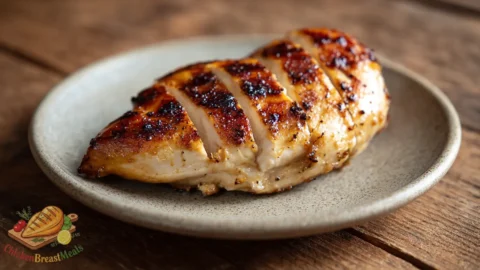
Zero-Carb Air Fryer Chicken Breast with Compound Butter

Ingredients
- 2 boneless, skinless chicken breasts (8oz/225g each)
- 4 tbsp unsalted butter, softened
- 1 tsp pink Himalayan salt
- 1/2 tsp garlic powder verify zero fillers
- 1/2 tsp dried herbs (thyme, rosemary, or oregano)
- 1/4 tsp black pepper
Method
- Mix softened butter with salt, garlic powder, dried herbs, and black pepper in a small bowl.
- Pat chicken breasts dry with paper towels.
- Using a sharp knife, cut three diagonal slits on the top of each chicken breast, about ¼-inch deep.
- Spread the compound butter generously over the chicken breasts, pushing some into the slits.
- Preheat air fryer to 380°F (193°C) for 3 minutes.
- Place chicken breasts in the air fryer basket, butter side up, ensuring they don't overlap.
- Cook for 10 minutes, then flip and cook for an additional 5-7 minutes until internal temperature reaches 165°F (74°C).
- Remove and allow to rest for 3-5 minutes before serving.
Note
- For maximum flavor without carbs, ensure your garlic powder contains no anti-caking agents.
- Chicken thickness affects cooking time—adjust accordingly and always verify with a thermometer.
- The diagonal cuts allow butter to penetrate deeper into the meat for better flavor distribution.
- Allow chicken to come to room temperature for 20 minutes before cooking for more even results.