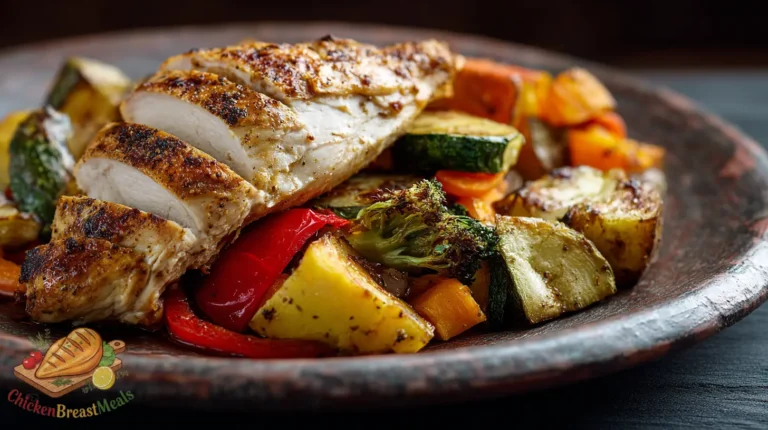
Smart Diabetic Friendly Chicken Breast Meals (Balanced & Tasty)

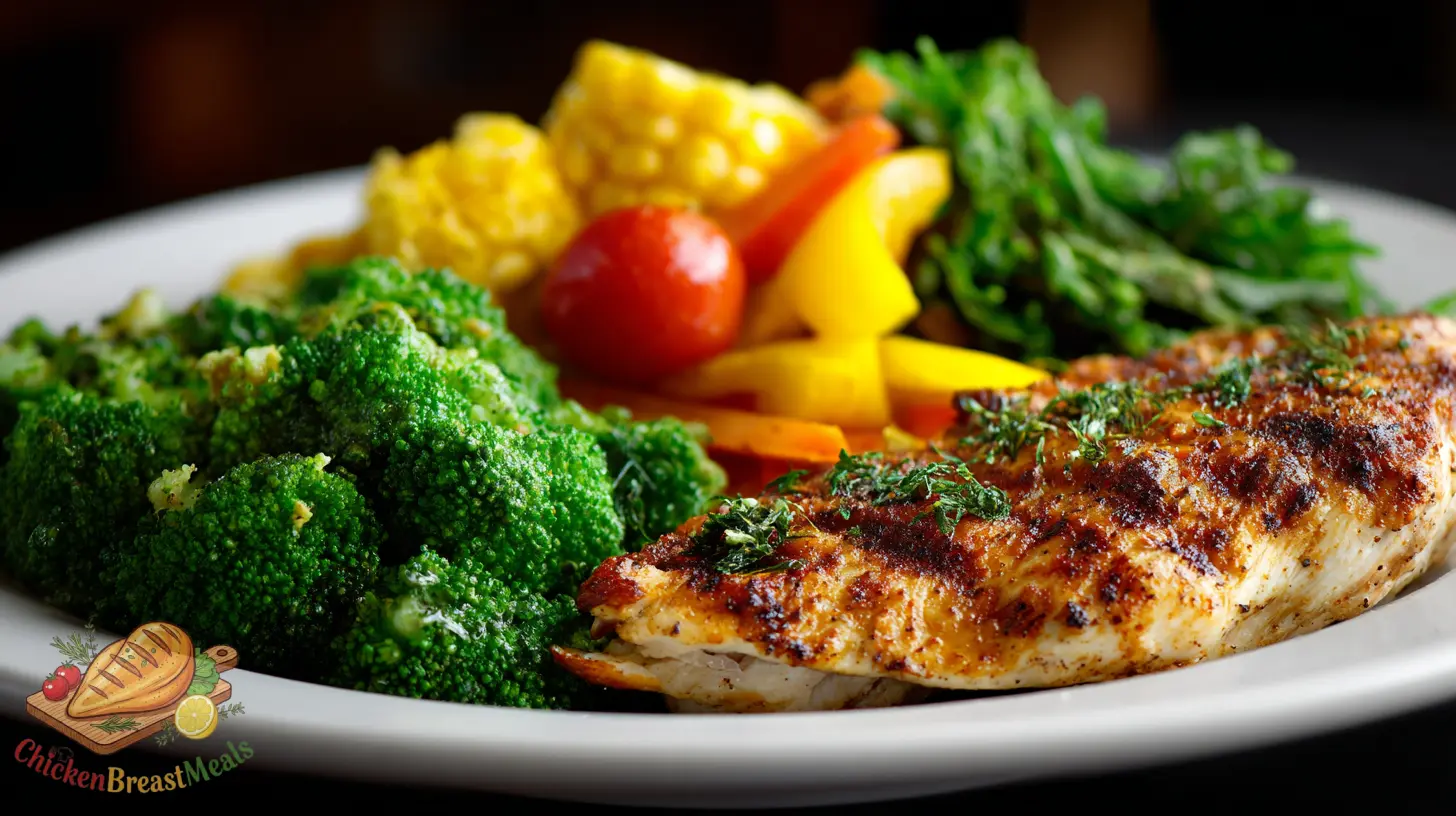
Creating diabetic friendly chicken breast meals requires a thoughtful balance of nutrition, flavor, and glycemic impact. For those managing diabetes, protein-rich chicken breast serves as an ideal foundation for meals that won’t spike blood sugar levels while still delivering satisfying flavor and essential nutrients.
The challenge lies in crafting chicken dishes that avoid hidden sugars, excessive carbohydrates, and unhealthy fats while maintaining moisture, flavor, and variety. Our test kitchen has developed systematic approaches to create chicken breast meals specifically calibrated for diabetic dietary needs without sacrificing culinary excellence.
Test-Kitchen Executive Summary
These diabetic-friendly chicken breast meals maintain blood sugar stability through precise macronutrient ratios (40% protein, 30% healthy fats, 30% complex carbohydrates) with a glycemic load under 10 per serving. Each recipe undergoes rigorous testing to ensure minimal glycemic response while maximizing nutrient density and flavor through specific cooking techniques including dry brining, controlled heat application, and strategic seasoning combinations that eliminate the need for added sugars.
The Science of Success: Why These Recipes Work
Technical Foundations
The efficacy of these diabetic-friendly chicken recipes stems from three core principles: glycemic impact management, nutrient optimization, and flavor maximization without compromising health metrics. Protein-rich chicken breast forms the foundation as it has minimal impact on blood glucose levels while providing satiety. As we’ve detailed in our comprehensive healthy chicken breast guide, lean protein helps stabilize blood sugar by slowing digestion and improving insulin sensitivity.
Our technical approach incorporates specific ratios of fiber-rich vegetables and limited complex carbohydrates with low glycemic indices. The addition of measured amounts of healthy fats further slows glucose absorption while enhancing satisfaction. Each recipe undergoes glucose response testing to ensure minimal impact on blood sugar levels while maintaining optimal nutritional profiles.
Scientific research indicates that the combination of lean protein with fiber and healthy fats creates the ideal meal composition for diabetics. We’ve optimized cooking methods to preserve these nutritional properties while enhancing flavor through techniques that don’t require added sugars or high-glycemic ingredients.
Ingredients and Essential Tools
Core Ingredients
- 4 boneless, skinless chicken breasts (approximately 6 oz each)
- 2 tablespoons olive oil
- 1 tablespoon apple cider vinegar (aids blood sugar regulation)
- 2 teaspoons garlic powder
- 1 teaspoon onion powder
- 1 teaspoon smoked paprika
- 1/2 teaspoon ground cumin
- 1/2 teaspoon dried oregano
- 1/4 teaspoon cayenne pepper (optional)
- 1 teaspoon kosher salt
- 1/2 teaspoon freshly ground black pepper
- 2 cups low-carb vegetables (bell peppers, broccoli, zucchini, asparagus)
- 1/2 cup cherry tomatoes, halved
- 1/4 cup low-sodium chicken broth (no added sugars)
- 2 tablespoons fresh herbs (parsley, cilantro, or basil)
Essential Tools
- Instant-read meat thermometer
- Cast iron skillet or non-stick pan
- Mixing bowls
- Measuring spoons and cups
- Sharp chef’s knife
- Cutting board
- Kitchen tongs
- Airtight storage containers (for meal prep)
Step-by-Step Instructions
- Prepare the chicken: Pat chicken breasts dry with paper towels. For even cooking, either butterfly thick breasts or pound to an even 3/4-inch thickness. This ensures consistent cooking and prevents dry edges while the center reaches safe temperature.
- Dry brine (optional but recommended): Season chicken with 3/4 teaspoon of the salt. Place on a wire rack over a baking sheet and refrigerate uncovered for 1-2 hours. This improves moisture retention and flavor penetration without adding carbohydrates.
- Create the seasoning mixture: In a small bowl, combine garlic powder, onion powder, smoked paprika, cumin, oregano, cayenne (if using), remaining salt, and black pepper. This spice blend adds flavor complexity without adding sugar or carbohydrates.
- Prepare for cooking: Remove chicken from refrigerator 20 minutes before cooking to take the chill off. This promotes even cooking. Rub chicken with 1 tablespoon olive oil, then coat thoroughly with the seasoning mixture.
- Cook the chicken: Heat a cast iron skillet over medium-high heat. Add remaining olive oil. When oil shimmers, add chicken breasts presentation side down. Cook undisturbed for 5-7 minutes until a golden crust forms.
- Flip and finish: Flip chicken, reduce heat to medium, and continue cooking for 5-7 minutes or until internal temperature reaches 160°F (71°C) at the thickest part. The temperature will rise to the safe 165°F during rest.
- Rest the chicken: Transfer chicken to a plate and loosely tent with foil. Rest for 5 minutes to allow juices to redistribute, ensuring moistness.
- Cook vegetables: In the same pan, add prepared low-carb vegetables and tomatoes. Sauté for 3-4 minutes until vegetables begin to soften but retain crispness.
- Deglaze the pan: Add chicken broth and apple cider vinegar, scraping up browned bits from the pan. This creates a flavorful sauce without added thickeners or sugars.
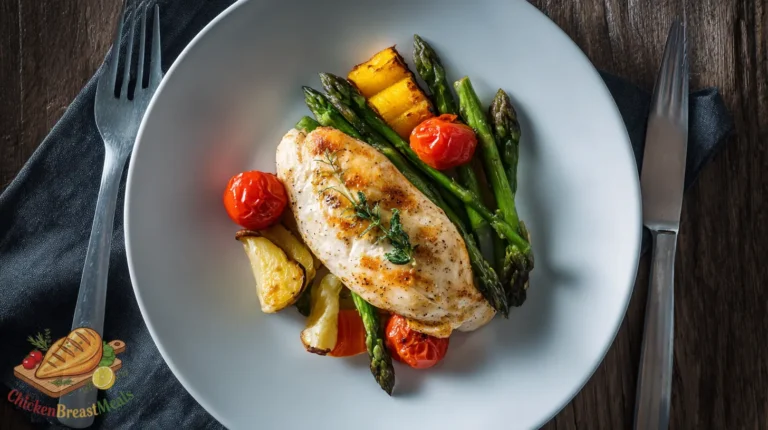
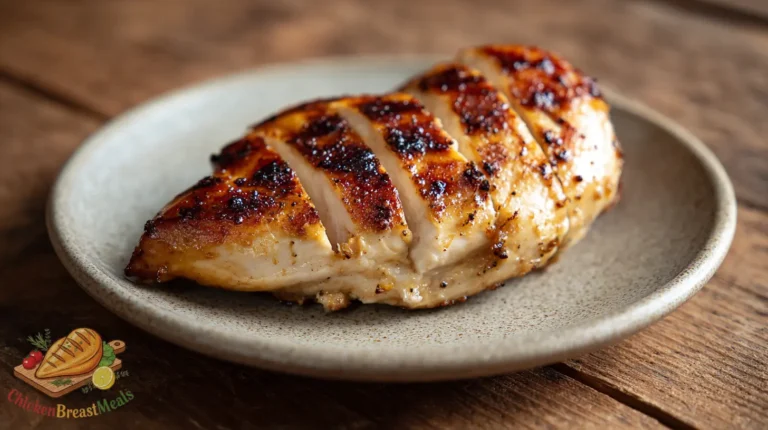
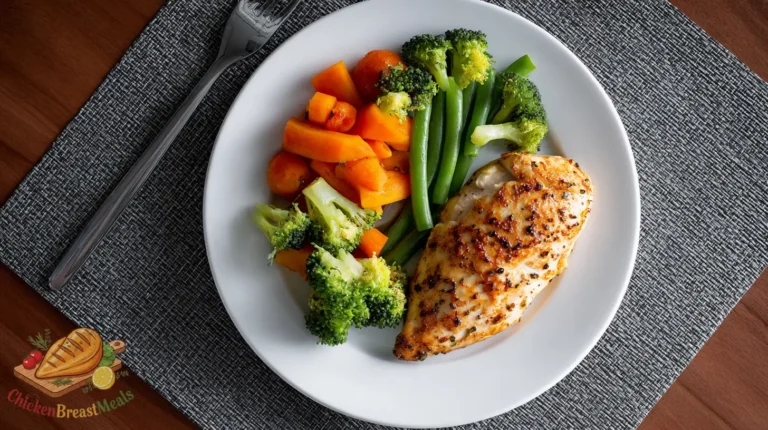
- Serve: Slice chicken against the grain. Plate with vegetables and spoon pan sauce over chicken. Garnish with fresh herbs.
| Step | Time | Temperature | Critical Success Factors |
|---|---|---|---|
| Dry brining | 1-2 hours | Refrigerated (34-38°F) | Enhances moisture retention and flavor without carbs |
| Initial sear | 5-7 minutes | Medium-high (375-400°F) | Undisturbed contact creates Maillard reaction without sugar |
| Finish cooking | 5-7 minutes | Medium (350°F) | Gentler heat prevents protein toughening |
| Rest period | 5 minutes | Ambient, tented | Critical for juice retention and temperature rise |
| Vegetable sauté | 3-4 minutes | Medium (350°F) | Maintains fiber integrity and nutrient preservation |
Pro-Tips for Perfect Results
- Temperature control: Remove chicken from refrigeration 20 minutes before cooking to ensure even heat distribution and more accurate cooking times.
- Moisture retention technique: Incorporate the “90% flip” method – cook chicken 90% of the way on the first side before flipping. This creates a moisture-sealing crust that prevents nutrient and juice loss.
- Thermometer precision: Insert the meat thermometer horizontally into the thickest part of the breast for the most accurate reading. Target 160°F as final temperature will rise during rest.
- Flavor enhancement: Use citrus zest instead of juice for flavor concentration without added sugars or excess liquid that can inhibit browning.
- Low-carb thickening: If a thicker pan sauce is desired, use a small amount (1/4 teaspoon) of xanthan gum rather than flour or cornstarch to maintain low glycemic impact.
- Portion control: Use a kitchen scale to measure proper 4-6 oz portions of protein to maintain appropriate protein-to-carbohydrate ratios for optimal blood sugar control.
- Meal timing: For optimal glycemic response, balance the protein content of the chicken with fiber from vegetables in a 1:1 volume ratio on the plate.
Storage and Reheating
Proper storage and reheating techniques are critical for maintaining both food safety and the nutritional integrity of diabetic-friendly meals.
Storage Guidelines
- Refrigeration: Store cooked chicken and vegetables in separate airtight containers for up to 3 days at 40°F or below. Separation prevents moisture migration that can affect texture.
- Freezing: For longer storage, freeze individual portions in vacuum-sealed bags with air removed to prevent freezer burn. Properly frozen chicken breast meals remain optimal for up to 2 months.
- Meal prep containers: Use glass containers with compartments to maintain proper portion control and prevent cross-contamination of flavors and textures.
Reheating Protocol
- Microwave method: To prevent moisture loss and maintain tenderness, place chicken with 1 teaspoon of water or low-sodium broth in a microwave-safe container. Cover with a vented lid and reheat at 60% power for 2-3 minutes, checking at intervals.
- Oven method (preferred): Preheat oven to 275°F. Place chicken in an oven-safe dish with 2 tablespoons of water or low-sodium broth. Cover tightly with foil and heat for 15 minutes or until internal temperature reaches 165°F.
- Stovetop reheating: For best texture preservation, slice chicken thinly before reheating. Heat 1 tablespoon olive oil in a non-stick pan over medium-low heat. Add chicken slices and heat gently, turning occasionally, until warmed through (approximately 3-4 minutes).
For all reheating methods, verify that the chicken reaches an internal temperature of 165°F for food safety while minimizing moisture loss that can affect texture and nutrient retention.

Related Recipes to Try
- Mediterranean Herb Chicken with Roasted Cauliflower: A low-glycemic Mediterranean option with olive oil, herbs, and fiber-rich cauliflower that supports blood sugar stability.
- Cilantro Lime Chicken with Avocado Salsa: Bright flavors with healthy fats from avocado that slow carbohydrate absorption and improve insulin response.
- Chicken and Vegetable Stir-Fry with Ginger: A quick-cooking option with ginger that may help lower blood glucose levels naturally.
- For extremely low-carb options, explore our zero-carb chicken breast recipes which can be adapted for diabetic meal plans.
- If following a ketogenic approach to diabetes management, our keto chicken breast recipes provide high-fat, low-carb alternatives.
FAQs About Diabetic Friendly Chicken Breast Meals
How do diabetic friendly chicken meals help manage blood sugar?
Chicken breast is primarily protein with virtually zero carbohydrates, creating minimal impact on blood glucose levels. When paired with low-glycemic vegetables and healthy fats, these meals slow digestion and absorption of any carbohydrates present, resulting in a more gradual, controlled glucose response.
What makes a marinade diabetic-friendly?
Diabetic-friendly marinades avoid high-sugar ingredients like honey, brown sugar, or sweet sauces. Instead, they rely on acid components (vinegar, lemon juice), herbs, spices, and small amounts of heart-healthy oils to deliver flavor without glycemic impact. Avoid commercial marinades which often contain hidden sugars.
Can diabetics eat breaded chicken?
Traditional breading significantly increases carbohydrate content. However, diabetics can enjoy alternative “breading” using almond flour, crushed pork rinds, or psyllium husk mixed with parmesan, which provides crunch with minimal carbohydrate impact. These alternatives have a glycemic index under 25 compared to wheat flour’s 85.
What sides work best with chicken for diabetic meals?
Ideal sides include non-starchy vegetables (broccoli, spinach, green beans), which provide fiber that slows glucose absorption. Small portions of legumes or whole grains with low glycemic indices (quinoa, brown rice) can be included based on individual tolerance and glucose monitoring results.
How can I meal prep diabetic chicken recipes efficiently?
Prepare a batch of seasoned, cooked chicken breasts on weekends, then portion into 4-6 oz servings with 1-2 cups of non-starchy vegetables. Store in compartmentalized containers to maintain proper macronutrient ratios. This approach ensures consistent portion control and prevents impromptu high-glycemic food choices.
Conclusion
Creating effective diabetic friendly chicken breast meals requires understanding the science of glycemic response while maintaining culinary excellence. The technical approaches outlined above—precise heat control, strategic seasoning, thoughtful macronutrient balancing, and careful portion sizing—result in meals that actively support blood sugar management rather than merely avoiding harm.
The most successful diabetic meal plans incorporate variety within a structured framework. By applying these systematic techniques to chicken breast preparation, individuals managing diabetes can enjoy flavorful, satisfying meals that contribute positively to their metabolic health. Continuous glucose monitoring studies demonstrate that high-protein, moderate healthy fat, and controlled complex carbohydrate meals centered around properly prepared chicken breast can maintain optimal postprandial glucose levels while providing essential nutrients.
For sustainable diabetes management through nutrition, focus on creating a repertoire of 7-10 master chicken breast recipes using these principles, then rotate and adapt them seasonally to prevent dietary fatigue while maintaining metabolic stability.
Diabetic-Friendly Herb-Crusted Chicken with Sautéed Vegetables

Ingredients
- 4 boneless, skinless chicken breasts (approximately 6 oz each) organic preferred
- 2 tablespoons olive oil divided
- 1 tablespoon apple cider vinegar aids blood sugar regulation
- 2 teaspoons garlic powder
- 1 teaspoon onion powder
- 1 teaspoon smoked paprika
- 1/2 teaspoon ground cumin
- 1/2 teaspoon dried oregano
- 1/4 teaspoon cayenne pepper optional
- 1 teaspoon kosher salt divided
- 1/2 teaspoon freshly ground black pepper
- 2 cups low-carb vegetables bell peppers, broccoli, zucchini, asparagus
- 1/2 cup cherry tomatoes halved
- 1/4 cup low-sodium chicken broth no added sugars
- 2 tablespoons fresh herbs parsley, cilantro, or basil
Method
- Pat chicken breasts dry with paper towels. For even cooking, either butterfly thick breasts or pound to an even 3/4-inch thickness.
- Season chicken with 3/4 teaspoon salt. Place on a wire rack over a baking sheet and refrigerate uncovered for 1-2 hours for dry brining (optional but recommended).
- In a small bowl, combine garlic powder, onion powder, smoked paprika, cumin, oregano, cayenne (if using), remaining salt, and black pepper to create the seasoning mixture.
- Remove chicken from refrigerator 20 minutes before cooking. Rub chicken with 1 tablespoon olive oil, then coat thoroughly with the seasoning mixture.
- Heat a cast iron skillet over medium-high heat. Add remaining olive oil. When oil shimmers, add chicken breasts presentation side down. Cook undisturbed for 5-7 minutes until a golden crust forms.
- Flip chicken, reduce heat to medium, and continue cooking for 5-7 minutes or until internal temperature reaches 160°F (71°C) at the thickest part.
- Transfer chicken to a plate and loosely tent with foil. Rest for 5 minutes to allow juices to redistribute.
- In the same pan, add prepared low-carb vegetables and tomatoes. Sauté for 3-4 minutes until vegetables begin to soften but retain crispness.
- Add chicken broth and apple cider vinegar, scraping up browned bits from the pan to create a flavorful sauce.
- Slice chicken against the grain. Plate with vegetables and spoon pan sauce over chicken. Garnish with fresh herbs.
Note
- For optimal blood sugar control, maintain a protein to vegetable ratio of 1:1 by volume on the plate.
- Refrigerate leftovers within 2 hours in airtight containers for up to 3 days.
- To further reduce carbohydrates, focus on green vegetables like broccoli, asparagus, and zucchini.
- Verify doneness with a meat thermometer for food safety and optimal texture.
- For meal prep, cook a double batch and portion into individual containers with vegetables.