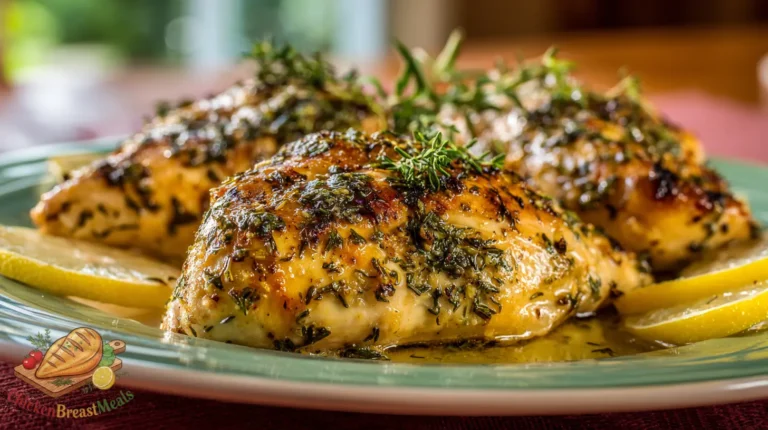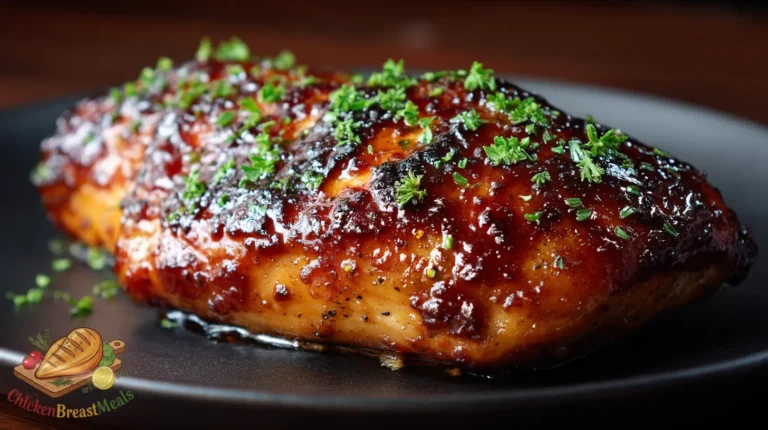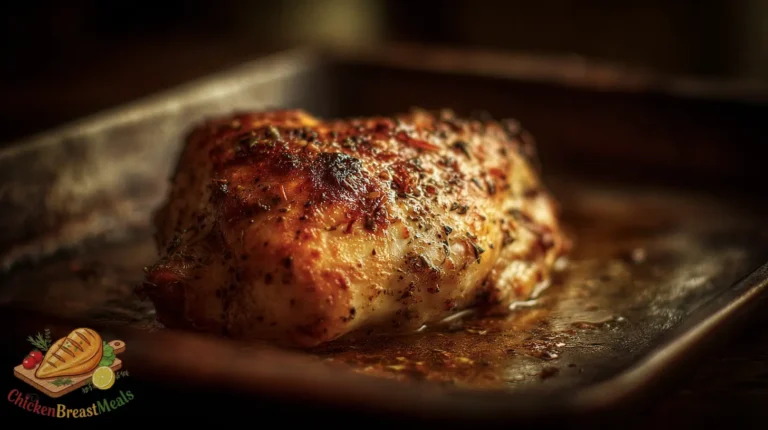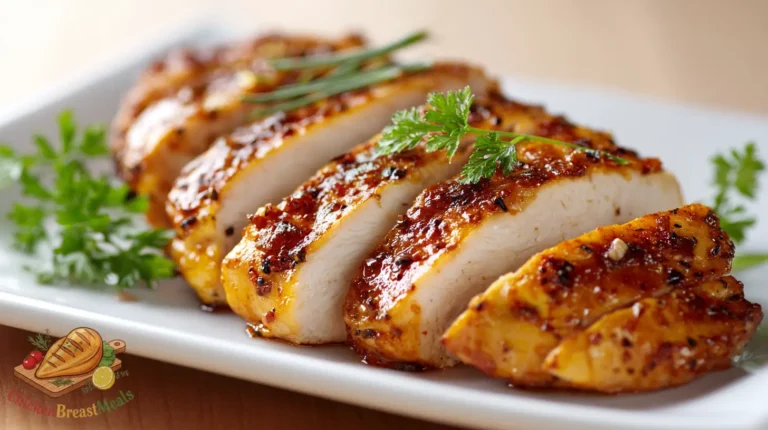
Oven Baked & Roasted Chicken Breast: The Ultimate Guide
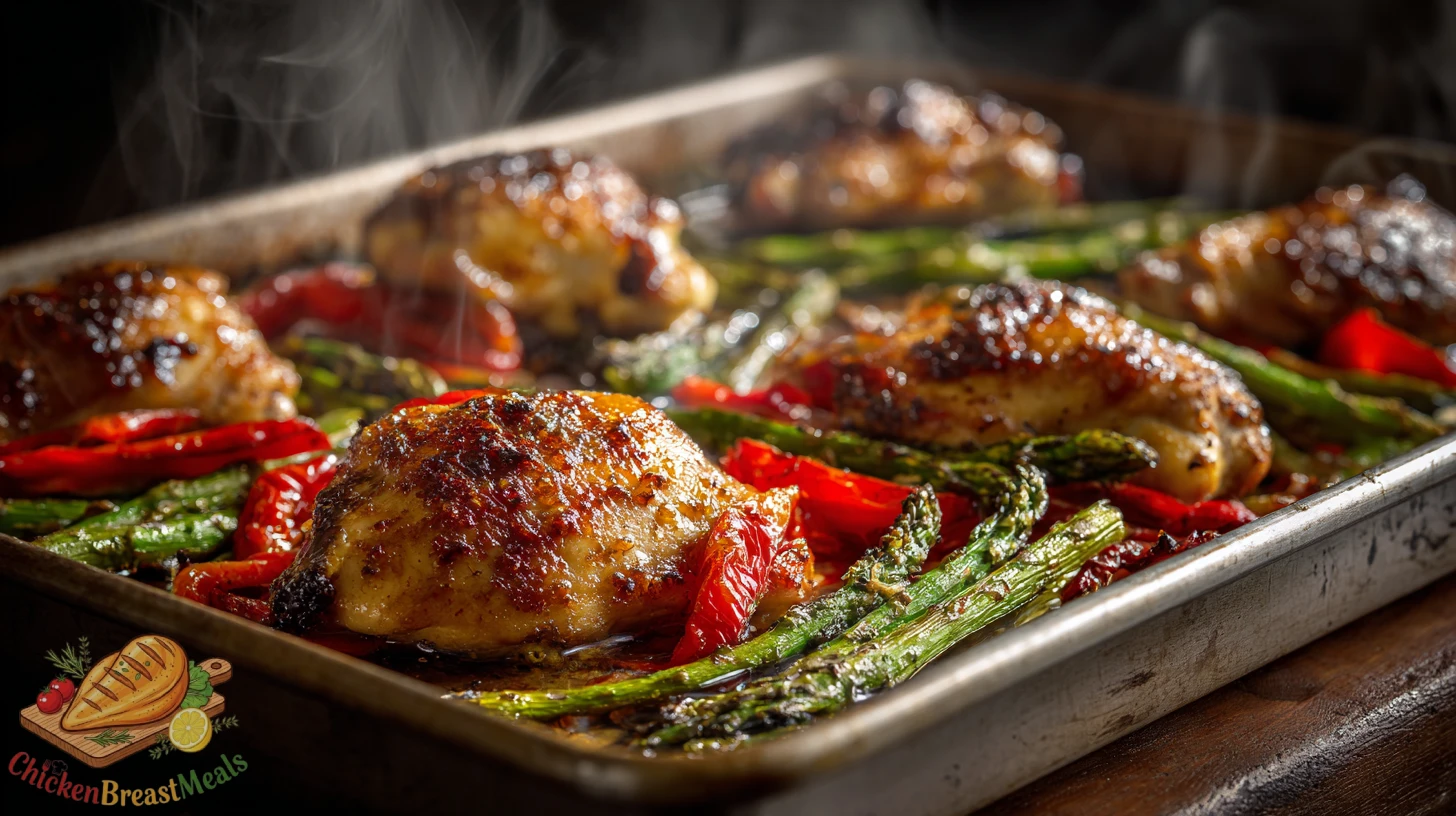
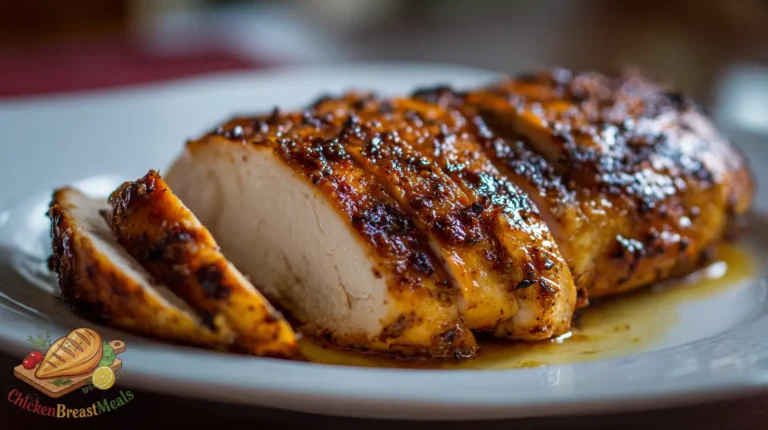
Transforming the humble chicken breast into a consistently juicy, flavorful centerpiece is perhaps the most challenging yet rewarding skill in home cooking. This comprehensive guide reveals the professional techniques behind perfect oven-baked chicken breasts every time—whether you’re meal prepping for the week or serving a special dinner.
The Juicy Chicken Paradox: Why Oven Baking is Both Challenging and Perfect
Chicken breast presents a unique culinary challenge: its lean protein structure contains minimal intramuscular fat, making the line between perfectly cooked and disappointingly dry incredibly thin. The oven, as a cooking environment, compounds this challenge through its dry, ambient heat. Yet paradoxically, the oven also offers the most consistent and hands-off solution for reliable results.
The frustration many home cooks experience stems from three critical misunderstandings:
- Temperature control: Most ovens fluctuate 15-25°F from their displayed temperature, creating inconsistent cooking environments.
- Thermal mass principles: Chicken breasts vary dramatically in size and thickness, yet recipes rarely account for these variations.
- Moisture retention mechanisms: Without proper technique, the protein fibers in chicken breast contract aggressively, expelling moisture like wringing a sponge.
Our strategic approach solves these fundamental issues through precision timing, protective barriers, and temperature management. Baked chicken breast becomes revolutionary when you understand it’s not merely a cooking method but a careful balancing act between heat, time, and moisture preservation.
The true advantage of oven baking lies in its batch cooking efficiency. Once mastered, this method scales effortlessly—cooking one chicken breast requires virtually the same effort as cooking eight, making it invaluable for meal preparation and family dining alike. By understanding the science behind moisture retention while leveraging the consistent heat circulation of your oven, you can transform this everyday protein into something extraordinary.
The Masterclass: Perfecting Oven Baked Chicken Breast
Achieving consistently juicy chicken breasts requires understanding the science behind protein coagulation and moisture retention. The difference between mediocre and restaurant-quality results lies in these technical details.
The Science of Juiciness: What Actually Happens in the Oven
When chicken breast enters the oven, it undergoes a series of critical physical changes. At approximately 140°F, the proteins begin to denature and contract, squeezing out moisture. By 165°F, this contraction is complete—which is why overcooked chicken becomes notoriously dry and stringy.
Our approach leverages three scientific principles:
- Thermal Buffer Zones: Creating protective layers that slow heat transfer and regulate cooking
- Moisture Barriers: Implementing fat-based shields that prevent natural juices from escaping
- Carryover Cooking Management: Accounting for the 5-10°F temperature increase that occurs after removing chicken from the oven
These principles form the foundation of our universal method, which can be adapted to countless flavor profiles while maintaining reliable juiciness.
Universal Base Method: Perfect Baked Chicken Breast
Ingredients:
– Boneless, skinless chicken breasts (preferably similar in size)
– 2 tablespoons olive oil or melted butter
– Kosher salt
– Freshly ground black pepper
– Optional: Your choice of seasoning blend
Equipment Needed:
– Rimmed baking sheet
– Instant-read meat thermometer
– Parchment paper
– Meat mallet (for evening thickness)
– Small bowl
The Method:
- Preparation Phase
– Remove chicken breasts from refrigerator 30-45 minutes before cooking to take the chill off
– Preheat oven to 425°F (high temperature creates better exterior development)
– Line baking sheet with parchment paper for easy cleanup and reduced sticking - Thickness Equalization
– Place chicken breasts between plastic wrap or parchment
– Gently pound thicker portions to create an even thickness (ideally ¾-inch)
– This crucial step ensures even cooking across the entire breast - Surface Treatment
– Pat chicken breasts completely dry with paper towels (moisture inhibits browning)
– Brush or rub with olive oil/butter on all sides
– Season generously with salt and pepper, plus any additional seasonings
– The fat creates a crucial moisture-sealing barrier - Optimal Arrangement
– Place chicken on prepared baking sheet with at least 1-inch between pieces
– For extra juiciness, place pats of butter or oil-based mixtures on top - Temperature-Controlled Baking
– Bake at 425°F for 14-18 minutes, depending on thickness
– DO NOT open the oven during the first 12 minutes (maintains consistent temperature) - Critical Temperature Check
– Remove when internal temperature reaches 160°F at the thickest part
– Remember: carryover cooking will raise temperature to the safe 165°F - Rest Period (Non-Negotiable)
– Tent with foil and rest for 5-10 minutes
– This allows protein fibers to relax and reabsorb juices
– During this time, internal temperature will increase 5-10°F
Essential Equipment Guide: Tools That Make the Difference
The right tools elevate your results from acceptable to exceptional:
- Instant-Read Digital Thermometer
Why it matters: Temperature precision is the single most important factor in juicy chicken. Analog thermometers can be off by 5°F or more—the exact margin between perfect and overcooked. Invest in a digital thermometer that provides readings within 2-3 seconds. - Heavy-Gauge Rimmed Baking Sheet
Why it matters: Thin baking sheets warp at high temperatures, creating uneven cooking surfaces. A heavy-gauge aluminum sheet maintains consistent heat distribution. The rim prevents any released juices from spilling. - Parchment Paper
Why it matters: Beyond easy cleanup, parchment creates a subtle buffer between the intense heat of the pan and the delicate chicken, reducing the risk of scorching. It also preserves any released juices that can be spooned back over the chicken. - Meat Mallet with Flat Surface
Why it matters: Uniform thickness ensures even cooking. The flat side gently redistributes the chicken’s mass without tearing muscle fibers, unlike the textured side which is better suited for tougher cuts. - Mixing Bowls for Marinades
Why it matters: Glass or stainless steel bowls won’t interact with acidic marinade components, maintaining flavor purity and preventing potential chemical reactions with plastic.
Comprehensive Temperature & Timing Chart
|
Chicken Type |
Thickness |
Temperature |
Time (minutes) |
Target Internal Temp |
Final Temp After Rest |
|
Boneless, skinless |
½ inch |
425°F |
10-12 |
160°F |
165°F |
|
Boneless, skinless |
¾ inch |
425°F |
14-16 |
160°F |
165°F |
|
Boneless, skinless |
1 inch |
425°F |
16-20 |
160°F |
165°F |
|
Bone-in breast |
Standard |
400°F |
25-30 |
160°F |
165°F |
|
Bone-in breast |
Large |
400°F |
30-35 |
160°F |
165°F |
|
Thin-sliced breast |
¼ inch |
425°F |
6-8 |
155°F |
165°F |
|
Stuffed breast |
1½ inch |
375°F |
25-30 |
160°F |
165°F |
Note: If using convection settings, reduce temperature by 25°F and check doneness 2-3 minutes earlier than chart indicates.
Featured Techniques: The Showroom of Methods
These specialized techniques showcase the versatility of oven baking while addressing specific texture and flavor goals.
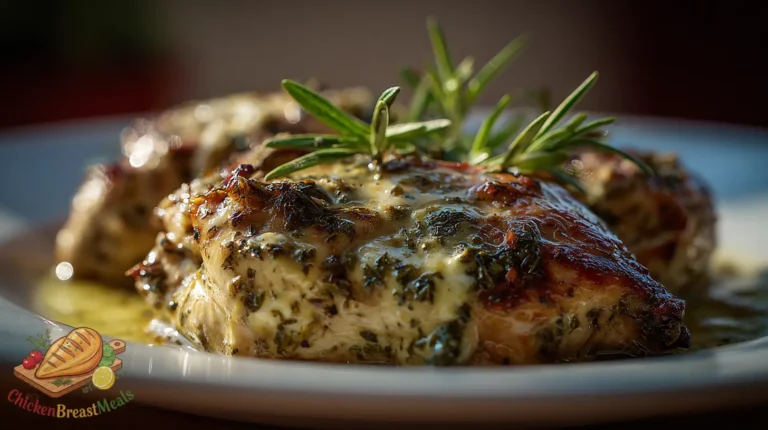
Oven Baked Bone-In Chicken Breast
Bone-in chicken breast represents the pinnacle of juicy oven baking, as the bone acts as a natural heat regulator and moisture reserve. The bone itself conducts heat more slowly than meat, creating a gentle temperature gradient that allows the attached meat to cook more gradually. This method creates a true “roast” quality with a more pronounced chicken flavor, as bones release gelatin and marrow compounds during cooking that enhance both taste and mouthfeel. Perhaps most importantly, the bone prevents the surrounding meat from contracting as aggressively, resulting in noticeably juicier results even if you slightly overcook the chicken.
PRO TIP: For even better results, slide herbed butter underneath the skin before baking, creating both a flavor infusion and an additional moisture barrier that bastes the meat from the inside out.
Oven Baked Bone-In Chicken Breast
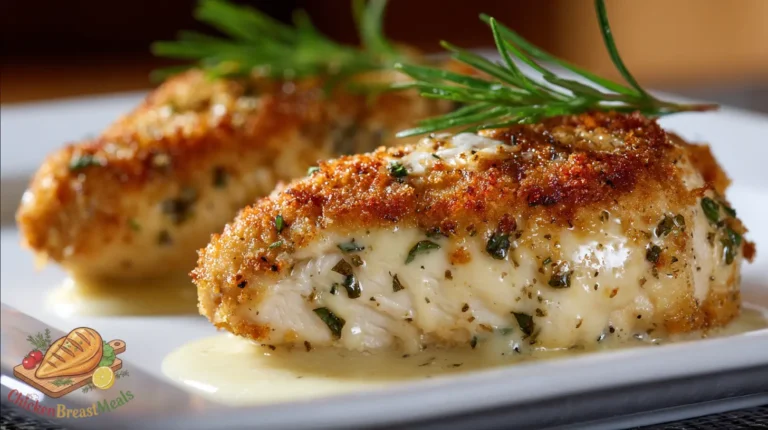
Oven Baked Mayonnaise Chicken Breast
Using mayonnaise as a coating creates perhaps the most foolproof moisture barrier possible for baked chicken breast, leveraging the emulsified combination of eggs and oil. The mayonnaise forms a protective coating that prevents moisture from escaping while simultaneously insulating the delicate breast meat from direct heat. As it bakes, the mayonnaise slowly melts, continuously basting the chicken in a flavorful combination of fats and proteins that penetrate the meat. The result is chicken that remains remarkably juicy even when baked at higher temperatures, with the added benefit of developing a beautiful golden exterior as the mayonnaise’s proteins undergo Maillard reaction.
PRO TIP: Customize your mayo coating by mixing in minced garlic, herbs, parmesan, or spice blends before applying—the mayo will carry these flavors directly into the meat while maintaining its moisture-sealing properties.
Oven Baked Mayonnaise Chicken Breast
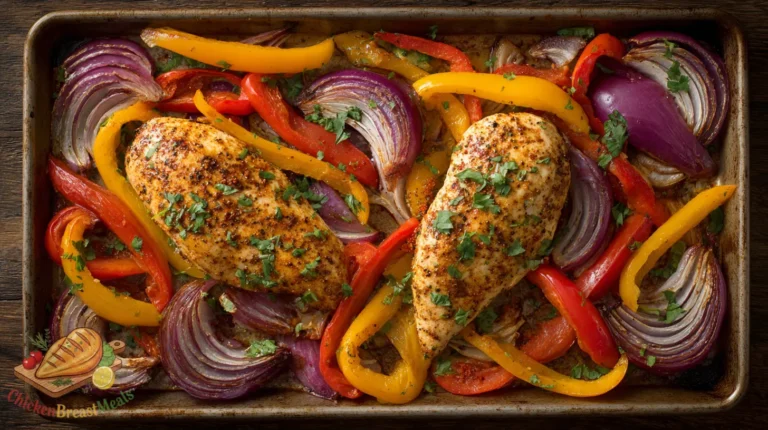
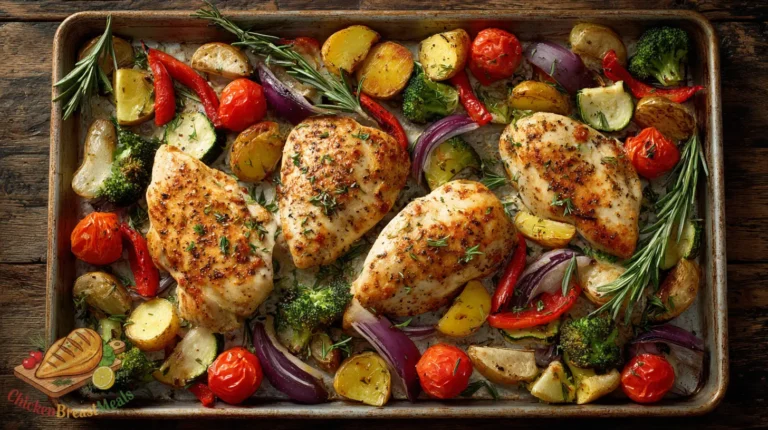
Oven Baked Sheet Pan Chicken Breast
The sheet pan method elevates chicken breast from mere protein to complete meal by strategically timing the addition of vegetables to achieve perfect doneness for all components simultaneously. This approach requires understanding the relative cooking times of different ingredients—dense root vegetables might begin roasting 10-15 minutes before the chicken, while quicker-cooking vegetables like asparagus or cherry tomatoes might be added during the final minutes. The true genius of this method lies in how the vegetables and chicken enhance each other: the vegetables release moisture that helps keep the oven environment slightly humid, while the chicken contributes fat and flavor that coats the vegetables during cooking.
PRO TIP: Arrange chicken in the center of the sheet pan with vegetables around the perimeter for the most even cooking—the edges of the pan typically run hotter in most home ovens.
Oven Baked Sheet Pan Chicken Breast
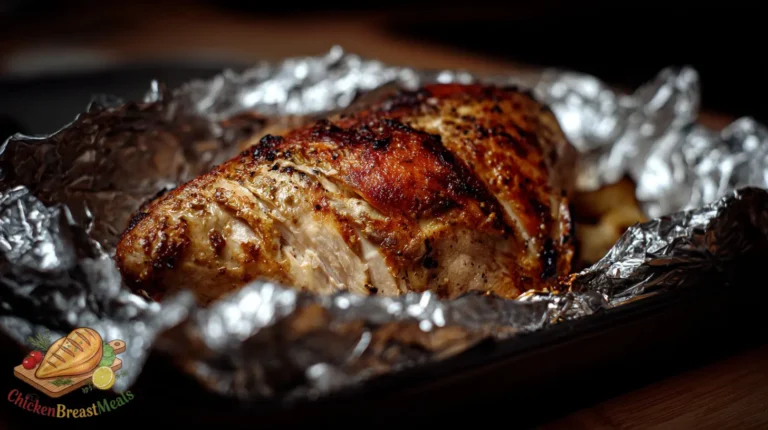
Oven Baked Chicken Breast in Foil
The foil method creates a controlled microenvironment that traps steam, effectively combining the benefits of roasting and steaming for exceptionally tender results. When sealed in foil, the chicken breast cooks in its own juices along with any added aromatics, allowing flavors to penetrate deeply while preventing moisture loss almost entirely. This technique creates a fundamentally different texture compared to direct baking—slightly less “roasted” in character but remarkably succulent and infused with whatever herbs, citrus, or aromatics you’ve enclosed within the package. The foil method also excels at infusing delicate flavors that might otherwise dissipate during regular oven baking.
PRO TIP: Create a “flavor packet” by placing chicken breasts on a bed of thinly sliced lemons, shallots, and herbs before sealing the foil—these aromatics will steam directly into the meat during cooking.
Oven Baked Chicken Breast in Foil
Oven Baked Yogurt Marinated Chicken Breast
Yogurt marination represents one of the most effective acid-based tenderizing methods, particularly for achieving that distinctive Mediterranean texture found in dishes like Greek souvlaki or Indian tandoori preparations. The lactic acid in yogurt gently breaks down the protein structures without the aggressive effect of stronger acids like vinegar or citrus, resulting in tenderization without the sometimes mushy texture of over-marinated chicken. Additionally, yogurt’s protein content creates a protective coating that helps the chicken retain moisture during baking while also promoting exceptional browning through enhanced Maillard reaction.
PRO TIP: For maximum tenderization without affecting texture negatively, marinate thin breasts for 2-4 hours and thicker pieces for 4-6 hours; beyond 8 hours, the proteins can break down excessively.
Oven Baked Yogurt Marinated Chicken Breast
The Resource Library: Specialized Methods for Every Need
Discover our complete collection of oven-baked chicken breast recipes, organized by preparation style and flavor profile.
Texture Focused Preparations
Different cooking goals require specialized approaches to achieve the perfect texture:
- Bake Thin Sliced Chicken Breast – For ultra-fast cooking and maximum versatility
- Crispy Breaded Chicken Breast – Achieving oven-baked crunch without frying
- Parmesan Crusted Chicken Breast – Using cheese as both flavor and protective crust
Global Flavor Profiles
These recipes infuse chicken breast with distinctive international character:
- BBQ Baked Chicken Breast – Achieving smokehouse flavor in your oven
- Lemon Garlic Herb Chicken Breast – Mediterranean-inspired bright flavors
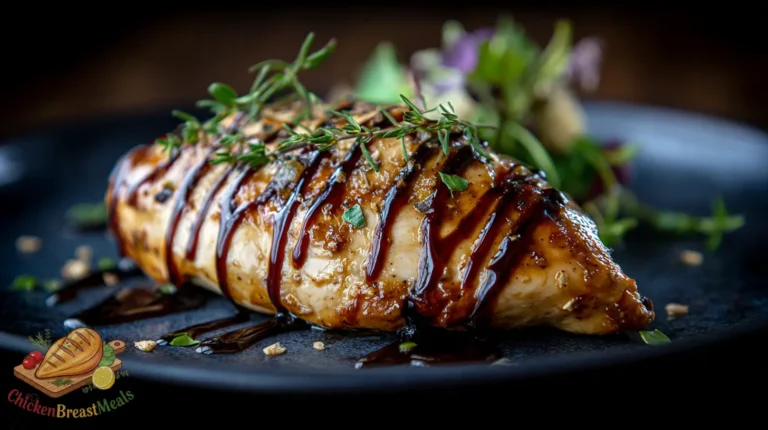
- Balsamic Baked Chicken Breast – Italian-influenced sweet-tart complexity
- Maple Glazed Chicken Breast – Sweet-savory balance with Canadian flair
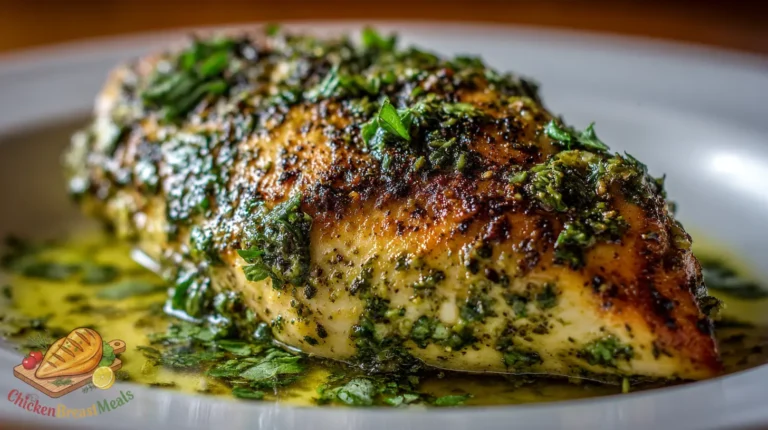
- Pesto Baked Chicken Breast – Herbaceous intensity with minimal effort
Quick Weeknight Solutions
Complete meals that go from refrigerator to table efficiently:
- Fajita Chicken Breast – One-pan Mexican-inspired complete meal
- Salsa Baked Chicken Breast – Using jarred salsa for instant flavor infusion
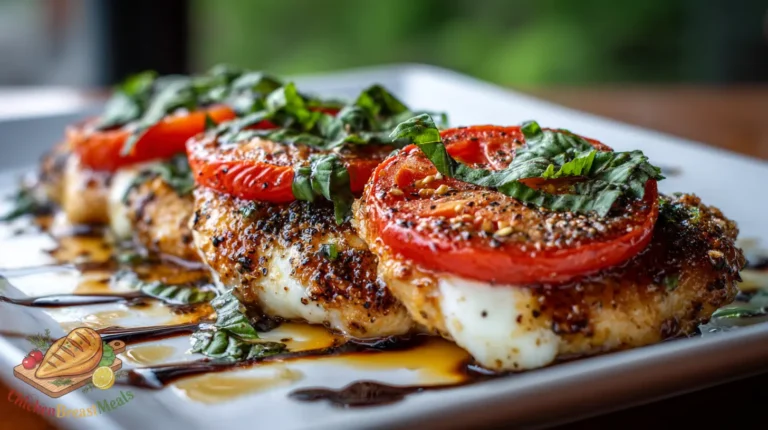
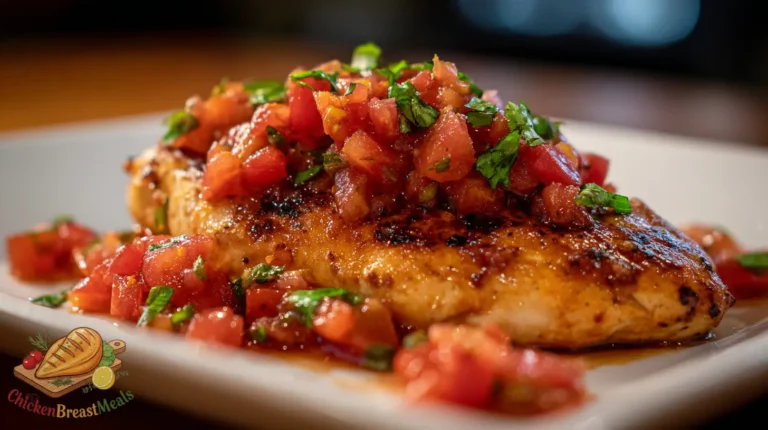
- Caprese Chicken Breast – Italian-inspired with fresh summer flavors
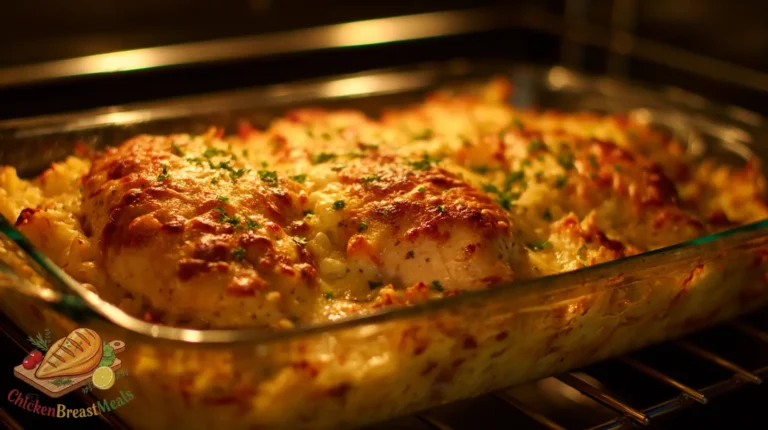
- Chicken Breast Casserole – The ultimate make-ahead comfort food
Troubleshooting Guide: Solving Common Chicken Breast Challenges
Even experienced cooks encounter challenges when baking chicken breast. Here’s how to address the most common issues:
Why is my chicken breast always dry, even when I follow the recipe?
Dryness in chicken breast usually stems from one of three issues: overcooking, inconsistent thickness, or skipping the resting period. The most reliable solution is using an instant-read thermometer and removing the chicken at 160°F, as carryover cooking will bring it to the safe 165°F. If you’re certain about your temperature accuracy, focus on thickness equalization—even a difference of ¼ inch between the thick and thin parts of a breast can result in dry edges by the time the center is safe to eat. Finally, the resting period is non-negotiable; cutting into chicken immediately after cooking causes the juices to flow out onto your cutting board rather than redistributing within the meat.
My chicken breast looks pale and unappetizing despite being fully cooked. How can I get that golden exterior?
Pale chicken typically results from moisture on the surface, overcrowding, or too low an oven temperature. To achieve that coveted golden exterior: First, thoroughly pat the chicken dry before applying any oil or seasoning—surface moisture creates steam that prevents browning. Second, ensure there’s at least an inch between pieces on your baking sheet, as overcrowding creates a steaming effect. Third, consider increasing your oven temperature to 425°F-450°F for the final 3-5 minutes of cooking. Finally, make sure you’re using a fat with a higher smoke point (like olive oil or butter) to promote browning through better heat conduction and Maillard reaction.
The cooking times in recipes never seem to work for my chicken breasts. Why?
Cooking time disparities almost always stem from size variations in chicken breasts, which have grown significantly in commercial production over the years. A “standard” chicken breast today can weigh anywhere from 6 to 10 ounces, with some reaching nearly a pound. Rather than relying on time, always use thickness as your guide—a ¾-inch thick breast will cook much faster than a 1½-inch thick breast, regardless of weight. When recipes specify cooking times, consider them starting points and always verify doneness with a thermometer. If your chicken breasts are particularly large, butterfly them or pound them to a more standard thickness for more reliable results.
My seasonings always seem bland or barely noticeable in the final dish. How can I get more flavor?
Flavor development in baked chicken breast faces several challenges: the short cooking time, the mild base flavor of the meat, and the limited surface area for seasoning. To dramatically improve flavor penetration, try a dry brine approach—season the chicken with salt and spices at least 2 hours (preferably overnight) before cooking. This allows the salt to draw moisture to the surface, which then dissolves the salt and spices before being reabsorbed into the meat. For even more impact, consider creating small slits or pockets in thicker parts of the breast before applying seasonings. Finally, remember that fat carries flavor—mixing your spices with olive oil or butter before applying creates a more effective flavor transfer mechanism than dry spices alone.
My baked chicken breasts always release so much liquid that they seem to poach rather than bake. How can I prevent this?
Excessive moisture release typically indicates that the chicken has been previously frozen and improperly thawed, or that it’s been enhanced with a salt solution (common in many commercially packaged chicken breasts). Check packaging for terms like “enhanced with up to 15% solution” or similar language—these products will always release more liquid. If using previously frozen chicken, thaw it completely in the refrigerator rather than using quick-thaw methods, which can damage cell structures. Additionally, try patting the chicken thoroughly dry and then allowing it to air-dry in the refrigerator, uncovered, for 30 minutes before baking. For severe cases, consider the “dry brine” method—salt the chicken and let it rest uncovered in the refrigerator for 4-24 hours, which will draw out and evaporate excess moisture.
The bottom of my chicken breasts often stick to the pan and tear when I try to remove them. What’s the solution?
Sticking typically occurs when protein directly contacts a hot metal surface without sufficient fat or a barrier. The simplest solution is lining your baking sheet with parchment paper, which creates a non-stick surface while still allowing for good heat transfer. If you prefer cooking directly on the sheet pan for better browning, ensure the pan is fully preheated before adding the chicken, and use a generous amount of oil both on the pan and on the chicken itself. Another effective technique is to briefly sear the presentation side of the chicken in an ovenproof skillet before transferring it to the oven—this creates an initial crust that helps prevent sticking while also jumpstarting the browning process.
My chicken breasts always come out unevenly cooked—overdone on the edges and barely done in the center. How can I fix this?
Uneven cooking is almost always a thickness issue. The most effective solution is mechanical intervention—place the chicken breast between two pieces of plastic wrap or parchment and gently pound it with the flat side of a meat mallet until it reaches a uniform thickness of about ¾ inch. For particularly large breasts, butterflying (cutting horizontally through the breast to create two thinner pieces) is another effective approach. If you prefer to maintain the natural shape for presentation, consider using a two-temperature cooking method—start at 450°F for 7-8 minutes to quickly cook the thinner areas, then reduce to 350°F to allow the thicker portions to cook through more gradually without drying out the edges.
From Mastery to Meals: Your Next Steps
The techniques and methods in this guide represent the foundation of consistently excellent oven-baked chicken breast. By understanding the science behind moisture retention, temperature control, and flavor development, you’ve gained the knowledge needed to transform this everyday protein into extraordinary meals.
The true beauty of mastering oven-baked chicken breast lies in its adaptability. Whether you’re meal prepping for the week ahead, preparing a quick family dinner, or creating an impressive centerpiece for guests, these principles scale effortlessly to meet your needs.
We invite you to explore our complete collection of chicken breast recipes, each building upon these fundamental techniques while introducing new flavors and preparations. With each recipe you try, you’ll find your confidence growing and your results becoming more consistent.
Remember that perfect chicken breast is not about following a single recipe precisely—it’s about understanding the principles that make any recipe successful. Apply what you’ve learned here, trust your thermometer over arbitrary cooking times, and don’t be afraid to adapt these methods to your family’s preferences.
Explore All Oven Baked Chicken Breast Recipes
-
Easy Oven Baked Pesto Chicken Breast (3-Ingredient Flavor Boost)
Flavor-packed oven baked pesto chicken breast. A simple 3-ingredient recipe for dinner.
-
How to Reheat Baked Chicken Breast Without Drying It Out (Juicy Method)
The ultimate guide on how to reheat baked chicken breast in the oven or microwave while keeping it juicy.
-
Comforting Oven Baked Chicken Breast Casserole (Hearty & Creamy)
Comforting oven baked chicken breast casserole with rice, cheese, and vegetables.
-
Fresh Oven Baked Caprese Chicken Breast (Juicy Italian Classic)
Juicy oven baked caprese chicken breast topped with melted mozzarella, tomatoes, and basil.
-
Simple Oven Baked Salsa Chicken Breast (Quick 2-Ingredient Meal)
Two-ingredient oven baked salsa chicken breast. The easiest dinner for busy weeknights.
-
Sweet & Savory Oven Baked Maple Glazed Chicken Breast (Cozy Meal)
Sweet and savory oven baked maple glazed chicken breast. A perfect autumn-inspired dinner.
-
Rich & Tangy Oven Baked Balsamic Chicken Breast (Elegant & Easy)
Rich, tangy oven baked balsamic chicken breast. An elegant dish that takes minimal effort.
-
Flavorful Oven Baked Fajita Chicken Breast (Sheet Pan Favorite)
All the flavor, less mess. Try this oven baked fajita chicken breast with colorful bell peppers.
-
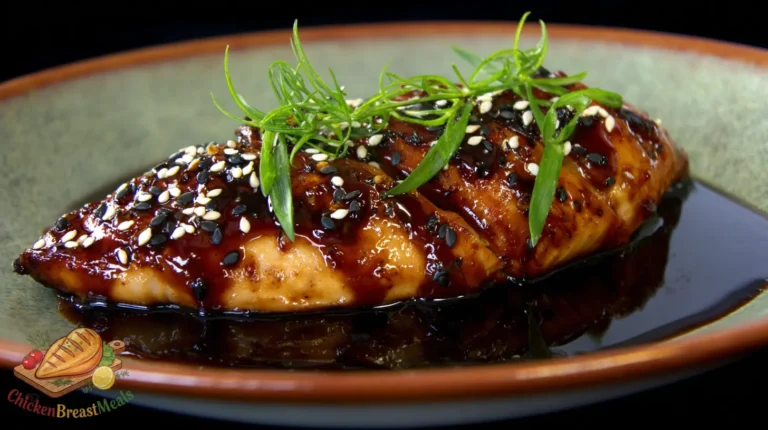
Sticky Sweet Oven Baked Teriyaki Chicken Breast (Easy Dinner)
Sticky and sweet oven baked teriyaki chicken breast. Perfect alongside rice and steamed broccoli.
-
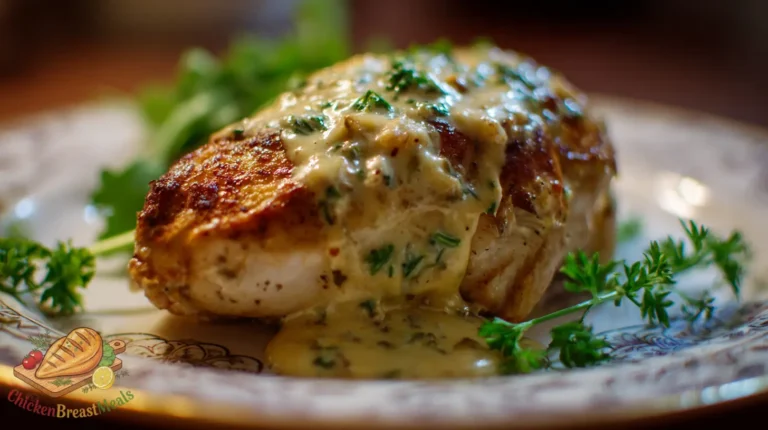
Creamy Oven Baked Dijon Mustard Chicken Breast (Rich & Tangy)
Elegant yet simple oven baked Dijon mustard chicken breast with a creamy, tangy glaze.
-
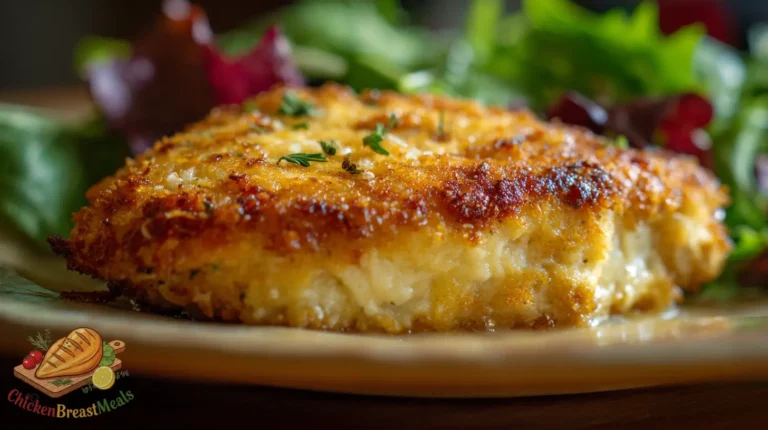
Golden Oven Baked Parmesan Crusted Chicken Breast (Cheesy & Crispy)
Savory oven baked parmesan crusted chicken breast. A cheese lover’s dream weeknight dinner.
-
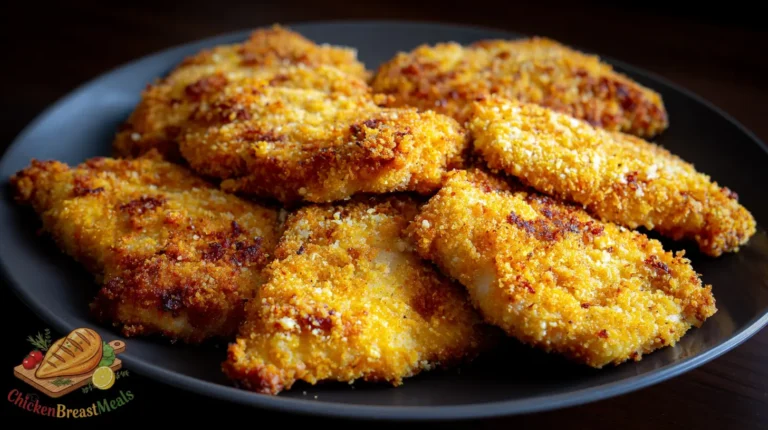
Perfect Crunch Crispy Oven Baked Breaded Chicken Breast (No Frying)
Achieve the perfect crunch with this crispy oven baked breaded chicken breast recipe.
-
Tender Oven Baked Yogurt Marinated Chicken Breast (Flavor Packed)
Tender and tangy oven baked yogurt marinated chicken breast. Inspired by Mediterranean flavors.
-
Ultra Moist Oven Baked Mayonnaise Chicken Breast (Juicy & Savory)
Secret to juicy meat: oven baked mayonnaise chicken breast. A savory crust that locks in juices.
-
Easy Oven Baked Sheet Pan Chicken Breast (Healthy One-Pan Dinner)
Quick oven baked sheet pan chicken breast with vegetables for a healthy, one-pan dinner.
-
Moist & Tender Oven Baked Chicken Breast in Foil (No Dryness)
Lock in the moisture by making oven baked chicken breast in foil. Easy cleanup and zero dryness.
-
Bright Oven Baked Lemon Chicken Breast Garlic Herb (Fresh & Flavorful)
Bright and flavorful oven baked lemon chicken breast with garlic and fresh herbs.
-
Rich & Sticky Oven Baked BBQ Chicken Breast Recipe (Juicy Results)
The best juicy oven baked BBQ chicken breast recipe with a sticky, caramelized glaze.
-
Crispy Skin Oven Baked Bone In Chicken Breast (Juicy & Tender)
Juicy oven baked bone-in chicken breast recipe that guarantees crispy skin and tender meat.
-
Juicy & Even Bake Thin Chicken Breast in Oven (Perfect Every Time)
Learn exactly how to bake thin chicken breast in the oven so it stays juicy and cooks evenly.