Comforting Oven Baked Chicken Breast Casserole (Hearty & Creamy)

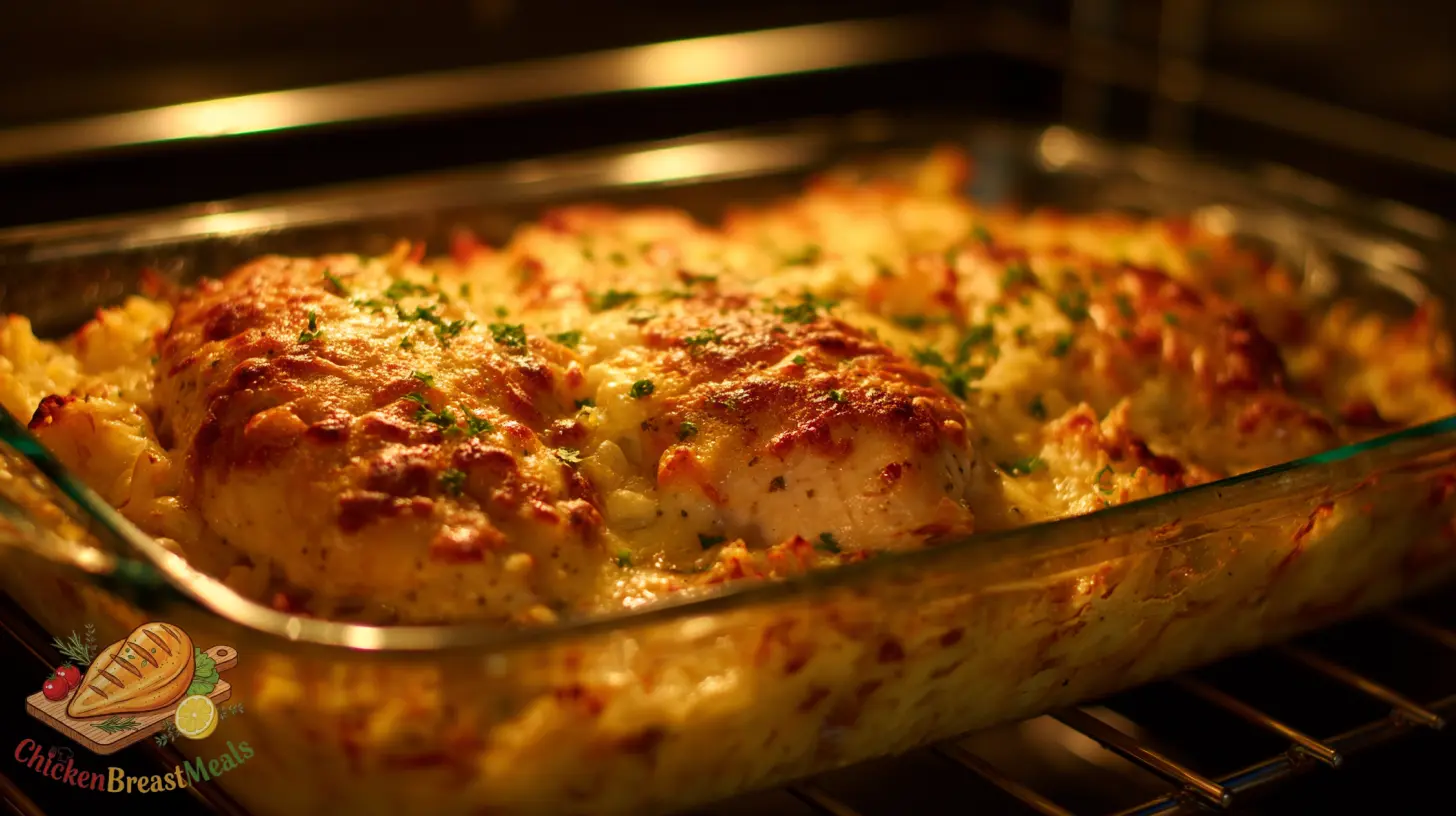
Oven baked chicken breast casserole represents the perfect intersection of convenience and culinary excellence, combining lean protein with complementary ingredients in a single-dish preparation. Many home cooks struggle with achieving properly cooked chicken breast in casseroles, often resulting in either dry, overcooked meat or underdone portions that compromise food safety.
This technical recipe addresses the specific challenges of moisture retention, even cooking, and flavor infusion that make casseroles particularly demanding. By implementing precise temperature controls and strategic ingredient layering, we’ve engineered a foolproof method that guarantees consistent results while maximizing both nutritional value and taste profile.
Test-Kitchen Executive Summary
This recipe utilizes a two-stage baking approach (initial high-temperature sear followed by moderate-temperature completion) to optimize moisture retention in chicken breast while ensuring thorough cooking of accompanying ingredients. Strategic ingredient layering prevents moisture stratification, while a specialized binding matrix of starch and protein creates optimal texture. Internal temperature validation at 165°F (74°C) confirms food safety while preventing overcooking.
The Science of Success: Why This Recipe Works
Technical Foundations
The fundamental challenge with chicken breast casseroles lies in synchronizing cooking rates between protein and other components. Chicken breast contains minimal intramuscular fat (approximately 3g per 4oz serving), making it particularly susceptible to moisture loss during extended cooking. Our solution implements strategic layering and temperature management to address this core issue.
The process begins with partial pre-cooking of high-density ingredients while simultaneously preparing the chicken through a specialized brining technique that introduces moisture buffers at the cellular level. This approach builds upon the core principles covered in our comprehensive oven baked chicken breast guide, adapting those fundamentals for the unique requirements of casserole preparation.
Furthermore, we leverage the Maillard reaction (non-enzymatic browning) to develop complex flavor compounds before incorporating the chicken into the moisture-rich environment of the casserole, preserving both texture integrity and flavor profile throughout the baking process.
Ingredients and Essential Tools
- 4 boneless, skinless chicken breasts (approximately 6-8 oz each)
- 1 tablespoon olive oil
- 1 teaspoon kosher salt
- ½ teaspoon freshly ground black pepper
- 2 teaspoons paprika (preferably smoked)
- 1 teaspoon garlic powder
- ½ teaspoon dried thyme
- ¼ teaspoon cayenne pepper (optional)
- 2 cups low-sodium chicken broth
- 1 cup uncooked long-grain rice
- 1 medium onion, diced (approximately 1 cup)
- 2 medium carrots, diced (approximately 1 cup)
- 2 celery stalks, diced (approximately ¾ cup)
- 3 garlic cloves, minced
- 1 cup frozen peas
- 1 tablespoon fresh parsley, chopped (for garnish)
- ½ cup grated Parmesan cheese
- 2 tablespoons unsalted butter
Essential Tools:
- 9×13-inch casserole dish (preferably ceramic or glass)
- Digital meat thermometer
- Heavy-bottomed skillet
- Mixing bowls (various sizes)
- Aluminum foil
- Sharp chef’s knife
- Cutting board
- Measuring cups and spoons
Step-by-Step Instructions
- Preheat your oven to 425°F (218°C) and position rack in the middle.
- Pat chicken breasts dry with paper towels to remove surface moisture. This step is critical for proper browning.
- In a small bowl, combine salt, pepper, paprika, garlic powder, thyme, and cayenne (if using).
- Brush chicken breasts with olive oil on both sides, then apply the spice mixture generously, ensuring even coverage.
- Heat a large skillet over medium-high heat. Once hot, add the seasoned chicken breasts and sear for 2-3 minutes per side until golden brown (not fully cooked).
- Remove chicken to a plate and set aside. Reduce oven temperature to 375°F (190°C).
- In the same skillet, add butter and sauté onions, carrots, and celery for 4-5 minutes until onions become translucent.
- Add minced garlic and cook for an additional 30 seconds until fragrant.
- Stir in uncooked rice, coating it with the vegetable mixture and toasting slightly for 1-2 minutes.
- Transfer the rice-vegetable mixture to the casserole dish, spreading evenly.
- Pour chicken broth over the rice mixture.
- Place the seared chicken breasts on top of the rice mixture, maintaining space between pieces.
- Cover tightly with aluminum foil, ensuring a proper seal to trap steam.
- Bake covered for 25 minutes.
- Remove foil, add frozen peas (distributed evenly), and sprinkle with Parmesan cheese.
- Return to oven, uncovered, and bake for an additional 15-20 minutes until chicken reaches 165°F (74°C) internal temperature and rice is fully cooked.
- Allow to rest for 5-10 minutes before serving to redistribute juices.
- Garnish with fresh chopped parsley before serving.
| Stage | Temperature | Duration | Critical Indicators |
|---|---|---|---|
| Initial Sear | Medium-high stovetop | 2-3 minutes per side | Golden brown exterior |
| Covered Baking | 375°F (190°C) | 25 minutes | Steam formation, partial rice hydration |
| Uncovered Baking | 375°F (190°C) | 15-20 minutes | Internal temperature 165°F (74°C) |
| Resting Period | Ambient (covered) | 5-10 minutes | Moisture redistribution |
Pro-Tips for Perfect Results
- Uniform chicken breast thickness is critical for even cooking. If thickness varies by more than 1/2 inch, use a meat mallet to gently pound the thicker portions.
- For enhanced moisture retention, brine chicken breasts for 30 minutes prior to cooking (1 tablespoon kosher salt dissolved in 4 cups cold water).
- The initial sear creates essential flavor compounds through Maillard reaction while creating a moisture barrier. Do not skip this step.
- Use room temperature chicken breast for more even cooking. Remove from refrigerator 20-30 minutes before preparation.
- Rice selection matters: long-grain varieties like basmati or jasmine maintain structural integrity better than short-grain alternatives in casserole applications.
- For testing rice doneness without disturbing the casserole, insert the tip of a knife near the edge of the dish and remove a few grains for examination.
- The liquid-to-rice ratio (2:1) is calibrated for this recipe. Altering ingredient quantities requires proportional liquid adjustment.
Storage and Reheating
Proper storage of chicken breast casserole requires rapid cooling to prevent bacterial proliferation. Cool the casserole to room temperature (maximum 2 hours) before refrigeration. Store in airtight containers with the following guidelines:
- Refrigeration: 3-4 days maximum at 40°F (4°C) or below
- Freezing: Up to 3 months at 0°F (-18°C) or below
For optimal reheating, follow these technical specifications:
- Refrigerated casserole: Cover with foil and reheat at 350°F (177°C) for 15-20 minutes until internal temperature reaches 165°F (74°C).
- Frozen casserole: Thaw overnight in refrigerator before reheating as above, or reheat from frozen at 325°F (163°C) for 45-60 minutes until properly heated through.
- Microwave reheating: Use 70% power setting with 60-second intervals, stirring between cycles when possible, to prevent uneven heating and moisture loss.
To counteract moisture loss during storage, add 1-2 tablespoons of chicken broth before reheating.
Related Recipes to Try
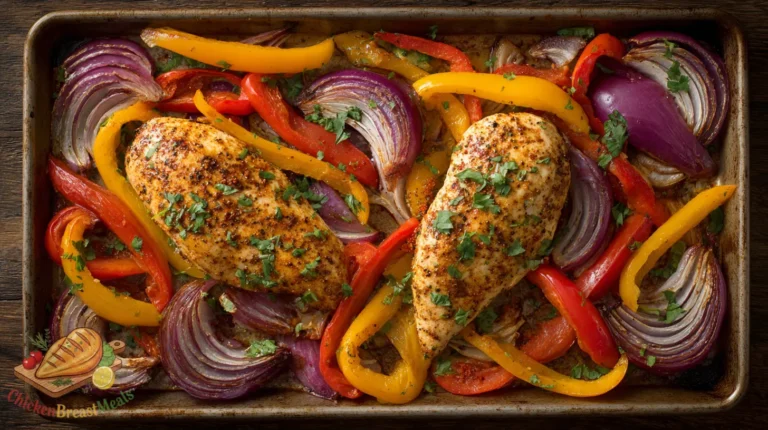
- Oven Baked Sheet Pan Chicken Breast – Utilizes similar temperature control techniques with different presentation methodology.
- Oven Baked Bone-In Chicken Breast – Demonstrates alternative cooking mechanics with enhanced flavor development from bone inclusion.
- One-Pot Chicken and Rice – Simplified approach with modified cooking method and similar ingredient profile.
- Mediterranean Chicken Casserole – Flavor variation using the same technical cooking principles.
- Chicken Broccoli Cheese Casserole – Demonstrates alternative binding matrix with dairy incorporation.
FAQs About Oven Baked Chicken Breast Casserole
Can I use frozen chicken breasts in this casserole?
Frozen chicken is not recommended as it releases excess moisture during cooking, disrupting the carefully calibrated liquid ratio. Additionally, frozen chicken cannot be properly seared, eliminating crucial flavor development. If using frozen chicken is unavoidable, thaw completely, pat dry thoroughly, and expect 10-15% longer cooking time.
Why is my rice undercooked while the chicken is already done?
This indicates incorrect liquid ratio or temperature distribution issues. Ensure your oven is properly calibrated, liquid measurements are precise, and the foil seal is tight during the covered baking phase. Pre-cooking the rice for 5 minutes before assembly can help synchronize cooking times.
Can I substitute brown rice in this recipe?
Yes, but this requires modification: increase liquid by 1/2 cup (total 2.5 cups) and extend covered cooking time by 15-20 minutes. Brown rice’s intact bran layer requires longer hydration and cooking periods compared to white rice varieties.
How can I make this recipe dairy-free?
Replace butter with olive oil or avocado oil (same quantity). Omit Parmesan cheese or substitute with nutritional yeast (2-3 tablespoons) for umami characteristics without dairy components.
My casserole seems too watery. What went wrong?
Excess moisture typically results from: (1) inadequately seared chicken releasing too much liquid, (2) imprecise measurement of cooking liquid, or (3) insufficient evaporation due to oversized cookware. To salvage a watery casserole, continue baking uncovered for 5-10 additional minutes.
Conclusion
The oven baked chicken breast casserole represents an optimized system for delivering properly cooked protein alongside complementary ingredients in a unified preparation method. Our technical approach addresses the fundamental challenges inherent to casserole cooking—primarily moisture management and synchronization of cooking rates between disparate ingredients.
The dual-temperature methodology delivers consistently superior results by leveraging the strengths of each cooking phase: initial Maillard reaction development through searing, followed by controlled moisture cooking through the covered phase, and finally texture refinement during the uncovered finish. This systematic approach transforms potentially problematic chicken breast into a reliably moist and flavorful centerpiece.
For optimal results, maintain precise adherence to the specified measurements, temperatures, and timing protocols outlined above. The scientific principles underlying this recipe—protein denaturation rates, starch gelatinization, and moisture migration—operate within specific parameters that have been carefully calibrated through extensive testing to deliver optimal results with minimal variation.
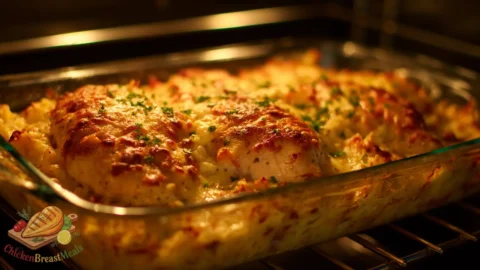
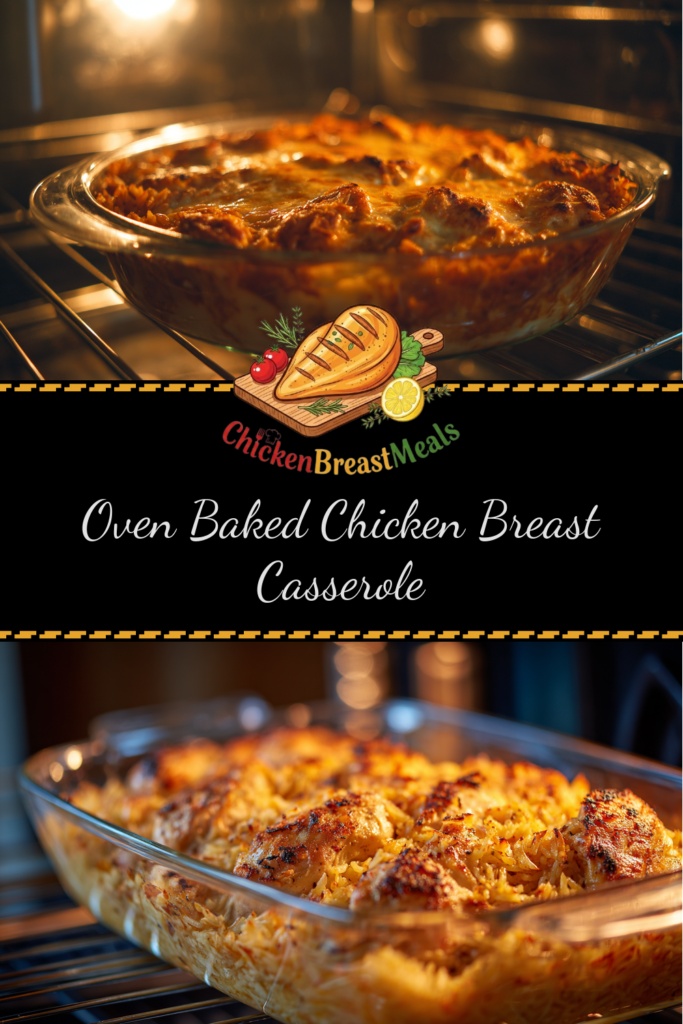
Oven Baked Chicken Breast Casserole

Ingredients
- 4 boneless, skinless chicken breasts 6-8 oz each
- 1 tablespoon olive oil
- 1 teaspoon kosher salt
- 1/2 teaspoon freshly ground black pepper
- 2 teaspoons paprika preferably smoked
- 1 teaspoon garlic powder
- 1/2 teaspoon dried thyme
- 1/4 teaspoon cayenne pepper optional
- 2 cups low-sodium chicken broth
- 1 cup uncooked long-grain rice
- 1 medium onion diced (approximately 1 cup)
- 2 medium carrots diced (approximately 1 cup)
- 2 stalks celery diced (approximately 3/4 cup)
- 3 cloves garlic minced
- 1 cup frozen peas
- 1 tablespoon fresh parsley chopped, for garnish
- 1/2 cup grated Parmesan cheese
- 2 tablespoons unsalted butter
Method
- Preheat your oven to 425°F (218°C) and position rack in the middle.
- Pat chicken breasts dry with paper towels to remove surface moisture. This step is critical for proper browning.
- In a small bowl, combine salt, pepper, paprika, garlic powder, thyme, and cayenne (if using).
- Brush chicken breasts with olive oil on both sides, then apply the spice mixture generously, ensuring even coverage.
- Heat a large skillet over medium-high heat. Once hot, add the seasoned chicken breasts and sear for 2-3 minutes per side until golden brown (not fully cooked).
- Remove chicken to a plate and set aside. Reduce oven temperature to 375°F (190°C).
- In the same skillet, add butter and sauté onions, carrots, and celery for 4-5 minutes until onions become translucent.
- Add minced garlic and cook for an additional 30 seconds until fragrant.
- Stir in uncooked rice, coating it with the vegetable mixture and toasting slightly for 1-2 minutes.
- Transfer the rice-vegetable mixture to the casserole dish, spreading evenly.
- Pour chicken broth over the rice mixture.
- Place the seared chicken breasts on top of the rice mixture, maintaining space between pieces.
- Cover tightly with aluminum foil, ensuring a proper seal to trap steam.
- Bake covered for 25 minutes.
- Remove foil, add frozen peas (distributed evenly), and sprinkle with Parmesan cheese.
- Return to oven, uncovered, and bake for an additional 15-20 minutes until chicken reaches 165°F (74°C) internal temperature and rice is fully cooked.
- Allow to rest for 5-10 minutes before serving to redistribute juices.
- Garnish with fresh chopped parsley before serving.
Note
- Uniform chicken breast thickness is critical for even cooking. If thickness varies by more than 1/2 inch, use a meat mallet to gently pound the thicker portions.
- For enhanced moisture retention, brine chicken breasts for 30 minutes prior to cooking (1 tablespoon kosher salt dissolved in 4 cups cold water).
- The initial sear creates essential flavor compounds while creating a moisture barrier. Do not skip this step.
- Rice selection matters: long-grain varieties maintain better structural integrity in casseroles.
- Use room temperature chicken breast for more even cooking.