Meal Prep & Make-Ahead Chicken Breasts: The Complete Guide
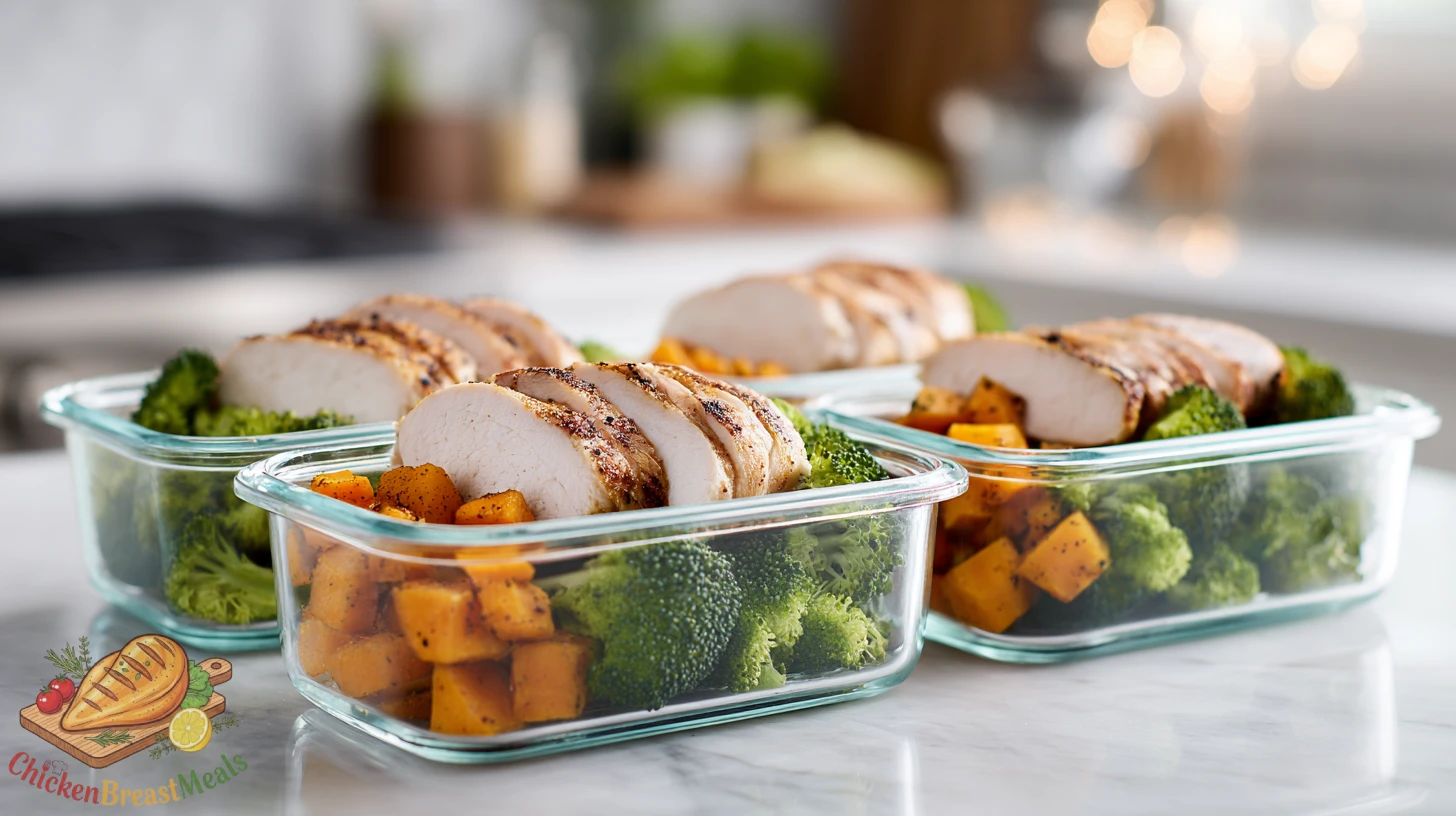
The Strategic Approach to Weekly Chicken Meal Prep
Chicken breast stands as the undisputed champion of meal prep proteins—high in protein, low in fat, affordable, and incredibly versatile. Yet, this seemingly simple cut of meat represents the greatest paradox in home cooking: it’s simultaneously the most popular protein and the most frequently ruined. The margin between perfectly juicy chicken breast and a dry, stringy disappointment is measured in mere minutes and degrees.
This is precisely why a systematic approach to chicken breast meal prep isn’t just helpful—it’s essential. The challenge isn’t just cooking chicken correctly once; it’s establishing a repeatable framework that produces consistently excellent results across multiple meals throughout your week. Without a deliberate strategy, the realities of a busy lifestyle quickly transform meal prep from a time-saving solution into a discouraging exercise in mediocrity.
The fundamental issue stems from chicken breast’s inherent structure: its uneven thickness creates a cooking dilemma where the thinner portions overcook before the thicker sections reach safe temperatures. Compound this with protein denaturation that begins at approximately 155°F, expelling moisture rapidly, and we face a narrow window of optimal doneness. When preparing multiple days’ worth of meals simultaneously, this precision becomes exponentially more challenging.
Furthermore, storage and reheating introduce additional variables that can dramatically impact quality. Refrigeration naturally accelerates moisture loss, while reheating methods can further compromise texture if not approached thoughtfully. The psychological impact cannot be overlooked either—the cumulative effect of repeatedly consuming poorly prepared meal prep can lead to what nutritionists call “meal prep fatigue,” a primary reason many abandon their health goals entirely.
Our strategic focus addresses these challenges through three interconnected systems:
- Production Systems that standardize preparation while accommodating volume needs
- Storage Solutions that preserve both safety and sensory quality
- Reheating Protocols that restore rather than degrade the original cooking results
By approaching meal prep as an integrated system rather than a collection of recipes, we transform what is traditionally the most problematic protein into a reliable cornerstone of weekly meal planning. The following methodology doesn’t simply help you cook chicken breast—it establishes a sustainable infrastructure for consistent nutrition regardless of your schedule’s demands.
The Meal Prep Chicken Masterclass
Understanding Chicken Breast Behavior Under Meal Prep Conditions
Successful meal preparation begins with understanding how chicken breast behaves uniquely in make-ahead scenarios. The protein structure of chicken breast contains bundles of muscle fibers that contract when heated, expelling moisture in a process food scientists call “syneresis.” This effect becomes more pronounced during storage and reheating cycles, explaining why many meal-prepped chicken breasts develop that characteristic “leftover taste” and dry texture.
Unlike fattier cuts that benefit from slow cooking methods, chicken breast requires precision timing. The protein begins to denature at approximately 155°F, rapidly accelerating moisture loss as temperatures increase. What complicates this further is that chicken breast must reach a minimum internal temperature of 165°F for safety, placing us directly in this critical moisture-loss zone.
For meal prep specifically, we must overcome three additional challenges:
- Volume efficiency – Preparing multiple portions simultaneously without sacrificing quality
- Storage degradation – Minimizing quality loss during refrigeration (3-4 days) or freezing
- Reheating resilience – Ensuring the chicken can withstand a second heating cycle without becoming unpalatable
The solution lies in strategic temperature management, mechanical intervention, and barrier protection—all of which we’ll address in our universal base method.
Universal Base Method: The Foundation of Successful Chicken Meal Prep
This core technique serves as the foundation for all chicken breast meal preparations, regardless of the final recipe application:
- Equilibrate the chicken: Remove chicken breasts from refrigeration 20-30 minutes before cooking to reduce temperature differential and promote even cooking.
- Standardize thickness: Using a meat mallet, gently pound chicken breasts to a uniform 3/4-inch thickness, working from the center outward. This single step dramatically improves both cooking efficiency and texture consistency.
- Brine for buffer capacity: Create a simple 6% salt solution (1 tablespoon kosher salt per cup of water) and submerge chicken for 15-30 minutes. This brief brining creates a thermal buffer zone that protects against overcooking and provides moisture reserves for reheating cycles.
- Pat completely dry: Thoroughly dry the surface with paper towels—surface moisture is the enemy of proper browning and flavor development.
- Apply oil barrier: Coat all surfaces with a thin layer of high-smoke-point oil (avocado or grapeseed work well). This creates a protective barrier against moisture loss during both cooking and storage.
- Season appropriately: Apply seasonings generously, remembering that flavors attenuate during storage. For maximum flexibility, consider using versatile base seasonings (salt, pepper, garlic powder) that complement multiple cuisine styles.
- Cook to temperature, not time: Heat source to medium-high (375°F for ovens). Cook until internal temperature reaches 160°F (carryover heating will bring it to safe 165°F), checking with an instant-read thermometer at the thickest part.
- Mandatory rest period: Allow chicken to rest, uncovered, for 5-7 minutes before cutting or storing. This redistributes juices and prevents them from being lost during cutting.
- Cooling protocol: If preparing for storage, allow chicken to cool completely to room temperature (but no longer than 1 hour total) before refrigerating to prevent condensation inside storage containers.
- Strategic cutting: For optimal moisture retention, slice chicken against the grain and only immediately before serving when possible. For pre-sliced meal components, cut slightly thicker than desired as slices will contract during storage.
Essential Equipment: The Meal Prep Arsenal
Proper equipment dramatically improves both efficiency and results in chicken breast meal preparation:
Instant-Read Digital Thermometer
Why it matters: Internal temperature is the only reliable indicator of chicken’s doneness. A good digital thermometer eliminates guesswork and prevents both unsafe undercooking and dry overcooking, especially crucial when preparing multiple pieces simultaneously.
Meat Mallet
Why it matters: Even thickness is the cornerstone of consistent cooking. A meat mallet allows you to standardize each breast, eliminating the typical problem of dry thin sections and undercooked thick areas.
Half-Sheet Pans with Wire Racks
Why it matters: Elevating chicken on wire racks during cooking promotes air circulation, ensuring even cooking and preventing the dreaded “soggy bottom.” For batch cooking, multiple sheet pans allow you to prepare an entire week’s protein in a single oven session.
Glass Storage Containers
Why it matters: Glass provides superior temperature stability during reheating, doesn’t interact with acidic ingredients, and prevents the absorption of odors. The transparent nature also allows visual inspection without breaking the sealed environment.
Vacuum Sealer (Optional but Recommended)
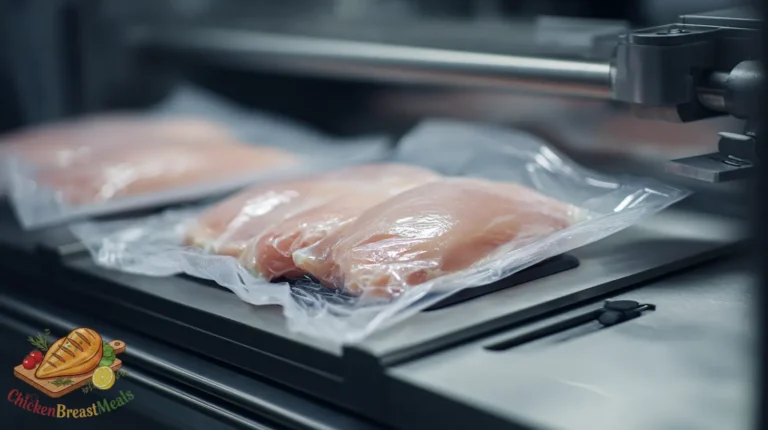
Why it matters: By removing oxygen from the storage environment, vacuum sealing significantly extends refrigerated shelf life from 3-4 days to 7-10 days and prevents freezer burn for frozen portions, dramatically expanding your prep timeline options.
Kitchen Scale
Why it matters: Portion consistency ensures both nutritional accuracy and cooking precision. A digital scale helps maintain uniformity across your meal prep, especially important when calculating macronutrients for fitness goals.
Temperature & Timing Chart for Different Cooking Methods
|
Cooking Method |
Thickness |
Temperature |
Approximate Time |
Target Internal Temp |
Rest Time |
|
Stovetop |
3/4 inch |
Medium-high |
4-5 min per side |
160°F |
5-7 min |
|
Oven (Bake) |
3/4 inch |
375°F |
15-18 minutes |
160°F |
5-7 min |
|
Oven (Roast) |
3/4 inch |
425°F |
12-15 minutes |
160°F |
5-7 min |
|
Air Fryer |
3/4 inch |
375°F |
10-12 minutes |
160°F |
5 min |
|
Sous Vide |
Any |
145°F |
1.5-2 hours |
145°F* |
None |
|
Grill |
3/4 inch |
Medium-high |
5-6 min per side |
160°F |
5-7 min |
|
Poaching |
Whole |
Bare simmer |
12-15 minutes |
160°F |
5 min |
Note: Sous vide at 145°F for extended time achieves pasteurization equivalent to the standard 165°F immediate temperature.
Featured Meal Prep Strategies
Batch Cooking Chicken Breast
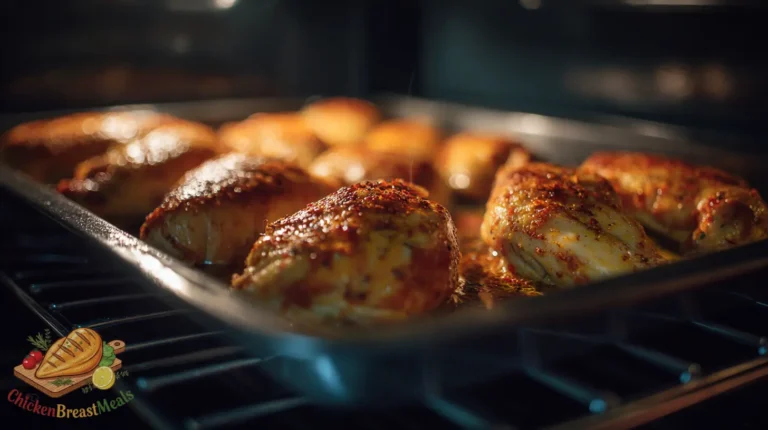
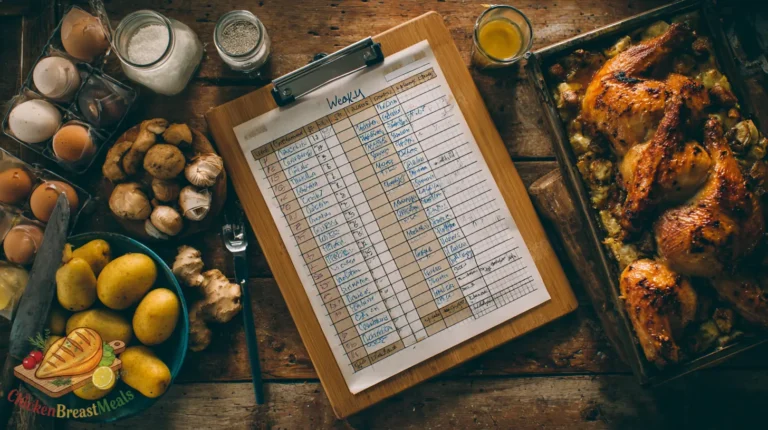
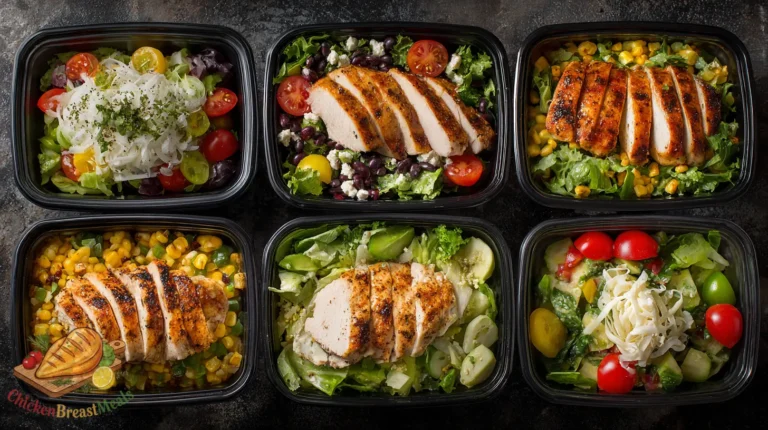
Batch cooking represents the cornerstone of efficient meal preparation, leveraging economies of scale to transform a single cooking session into multiple meals. The technique requires strategic equipment deployment, with a primary oven handling the bulk load while secondary appliances like air fryers or stovetop methods handle overflow, effectively tripling production capacity. Temperature staggering—starting thicker pieces 5-7 minutes before thinner cuts—ensures all chicken reaches optimal doneness simultaneously, while using multiple half-sheet pans with wire racks maximizes both oven capacity and cooking uniformity. The true efficiency breakthrough comes through parallel processing: marinating the next batch while the current one cooks and cooling the finished batch, creating a continuous production pipeline that can prepare 12-15 pounds of chicken breast in under 90 minutes.
Pro Tip: Set up a three-zone workstation—prepping, cooking, and cooling areas—to maintain continuous workflow. Use different colored cutting boards at each station to prevent cross-contamination and keep a spray bottle with vinegar solution handy for quick sanitization between batches.
Shredded Chicken Breast Meal Prep
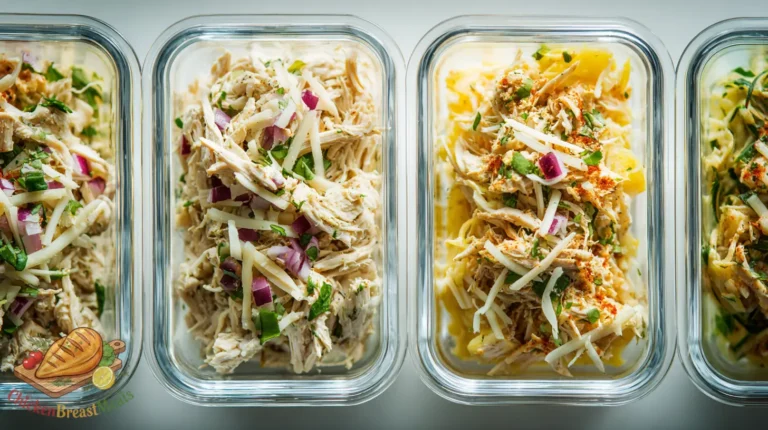
Shredded chicken represents the ultimate versatility in meal preparation, transforming a single cooking method into endless applications from tacos to salads to grain bowls. The technique hinges on intentionally leveraging carryover cooking—removing chicken breasts from heat at 155°F and tightly covering with foil for 10 minutes, allowing residual heat to both reach safe temperature and develop the perfect shreddable texture without dryness. The most efficient shredding occurs while the chicken is still warm (approximately 140°F), using either the stand mixer paddle attachment method (30 seconds on medium for perfect shreds) or dual-fork pulling for smaller batches. Moisture retention becomes the critical factor in storage, requiring the addition of 1-2 tablespoons of cooking liquid per cup of shredded chicken before refrigeration, creating a moisture reserve that prevents the characteristic dryness that typically develops by day three.
Pro Tip: For freezer storage, portion shredded chicken in silicon muffin cups or ice cube trays before freezing, then transfer the frozen portions to storage bags. This creates convenient 1/4-cup or 2-tablespoon portions that can be added directly to recipes without thawing the entire batch.
Shredded Chicken Breast Meal Prep
5-Day Chicken Bowl Prep
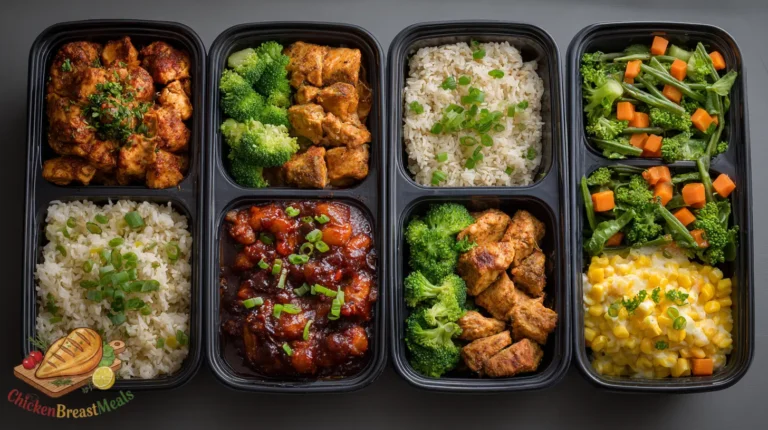
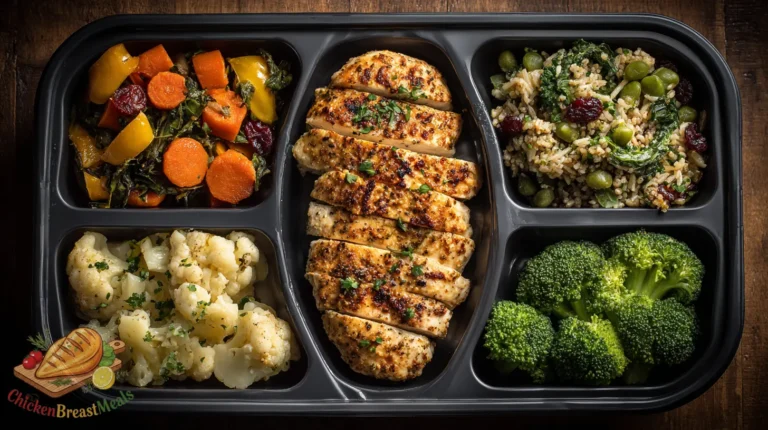
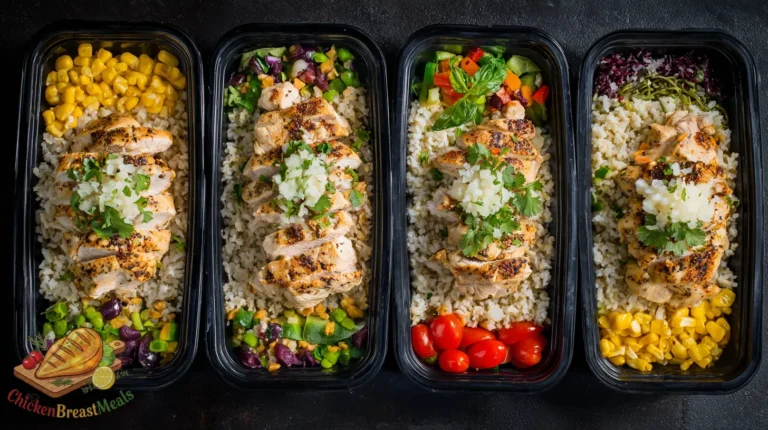
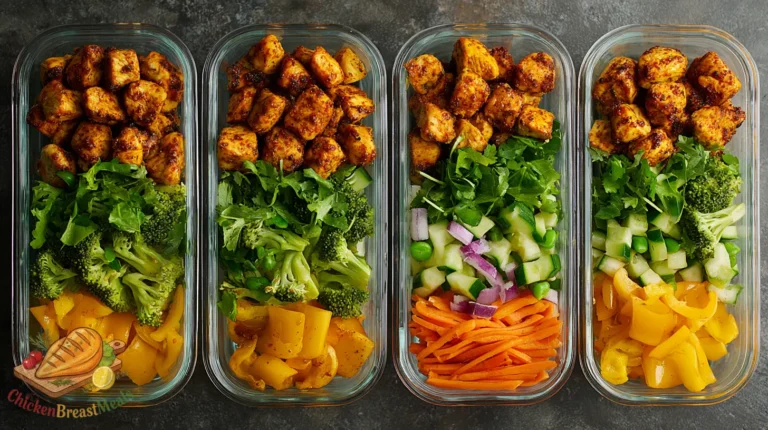
The five-day chicken bowl strategy solves the fundamental challenge of meal prep—maintaining textural integrity and freshness throughout the work week—through strategic component separation and layering methodology. The technique utilizes vertical assembly logic with moisture-generating ingredients (sauces, wet vegetables) positioned at the bottom of containers, creating a moisture barrier between wet components and crisp elements stored above. Components requiring textural preservation (chicken, crunchy vegetables) are stored separately or positioned at the top layer with parchment barriers, while strategically selecting ingredients with complementary aging profiles ensures components mature at similar rates throughout the week. The most crucial element involves sauce management through either separate containers or the “corner method”—placing sauce in one quadrant of the container and tilting during storage, allowing controlled distribution during reheating rather than premature saturation that leads to the dreaded day-four sogginess.
Pro Tip: Create an “enhancement kit” with fresh garnishes (lime wedges, fresh herbs, crispy elements) stored separately in a small container. Adding these takes just seconds before eating but dramatically improves the sensory experience of later-week meals, combating meal prep fatigue.
Freezer Chicken Marinade Packs
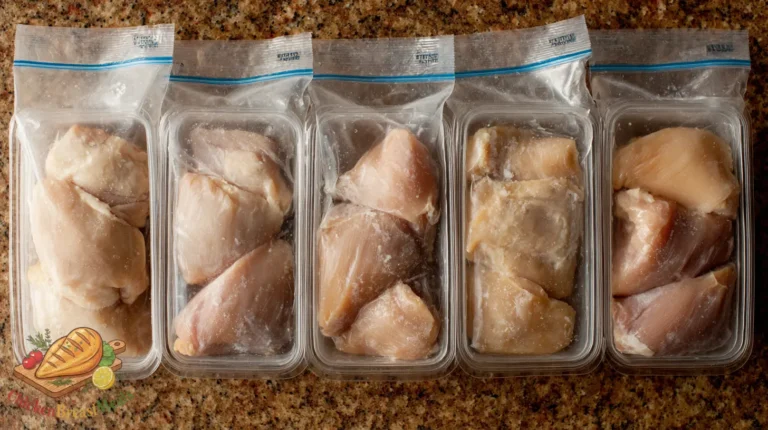
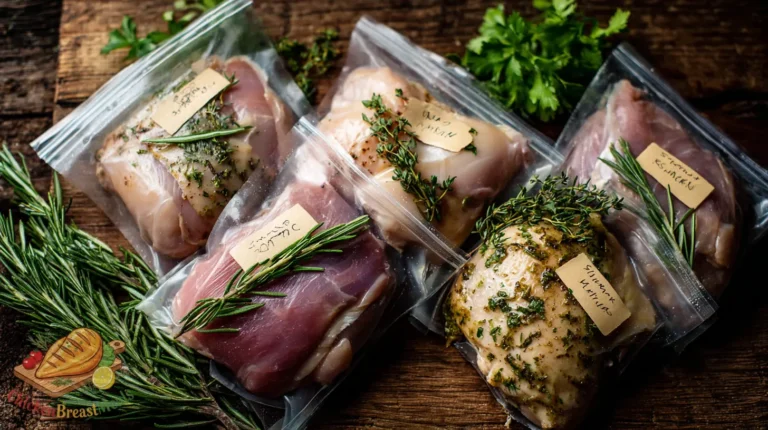
Freezer marinade packs revolutionize meal preparation by shifting the workflow from just-in-time cooking to strategic preparation during periods of available time. The technique capitalizes on a key scientific principle: the freezing process causes ice crystals to form within the chicken’s cell structure, creating microscopic channels that enhance marinade penetration during the thawing process, resulting in more flavorful chicken with minimal active preparation time. Implementation requires vacuum-seal bags or freezer-grade zip-top bags with all air removed, combining raw chicken breasts with marinade components that contain both an acid (citrus juice, vinegar, yogurt) and oil base, then freezing flat in thin packages that promote rapid freezing and convenient storage. The true efficiency breakthrough comes through the cook-from-frozen method: transferring the still-sealed frozen pack directly to refrigeration for a controlled 24-hour marinade during thawing, or employing the sous vide method to safely cook from fully frozen state to perfect doneness without intermediate handling.
Pro Tip: Label each marinade pack with three pieces of information: preparation date, flavor profile, and recommended cooking method. This creates a “frozen meal library” where you can select based on both taste preference and available cooking time, making dinner decisions both simpler and more satisfying.
Freezer Chicken Marinade Packs
Reheating Meal Prep Chicken
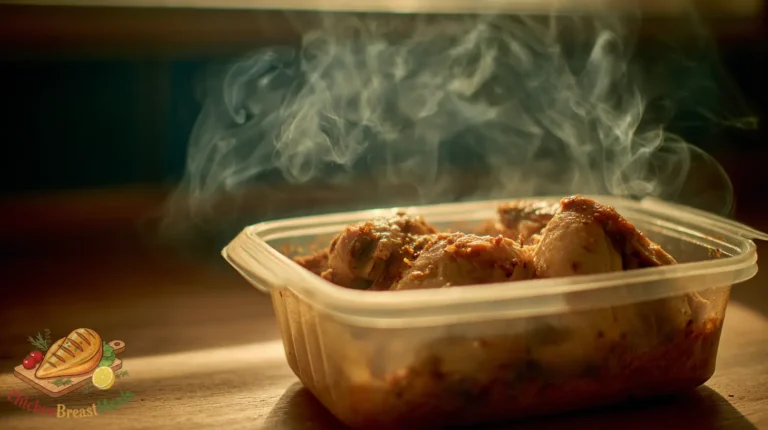
Reheating represents the most technically challenging aspect of chicken meal preparation, requiring method-specific techniques to restore rather than degrade quality. Microwave reheating, while convenient, demands moisture intervention—covering the chicken with a damp paper towel and adding 1-2 teaspoons of chicken stock or water before heating at 70% power in 30-second intervals prevents the rubbery texture that results from rapid moisture loss. Oven reheating produces superior results through a two-phase approach: covered heating at 300°F for 10 minutes to generate internal steam, followed by 3-5 minutes uncovered to restore surface texture, effectively recreating the initial cooking environment. The air fryer offers the most transformative potential for pre-cooked chicken, using its intense convection at 370°F for just 3-4 minutes to crisp the exterior while the limited exposure protects internal moisture, particularly effective for breaded or spice-crusted preparations that benefit from textural contrast.
Pro Tip: For the ultimate “second-day chicken,” use the skillet steam-sear method: heat 1 tablespoon of water in a non-stick pan until simmering, add chicken, cover for 2 minutes, then remove the lid and add 1 teaspoon oil. Sear for 60 seconds per side for chicken that tastes freshly cooked rather than reheated.
Resource Library: Specialized Meal Prep Applications
By Accompanying Ingredient
The perfect pairing of chicken with complementary ingredients creates balanced meal prep solutions:
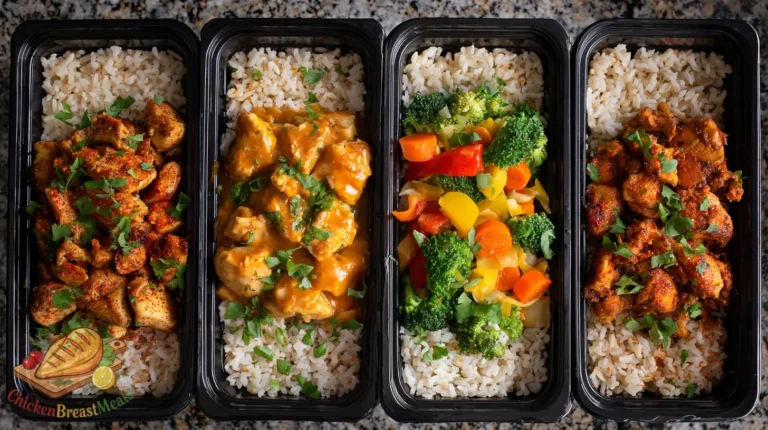
- Chicken and Rice Meal Prep
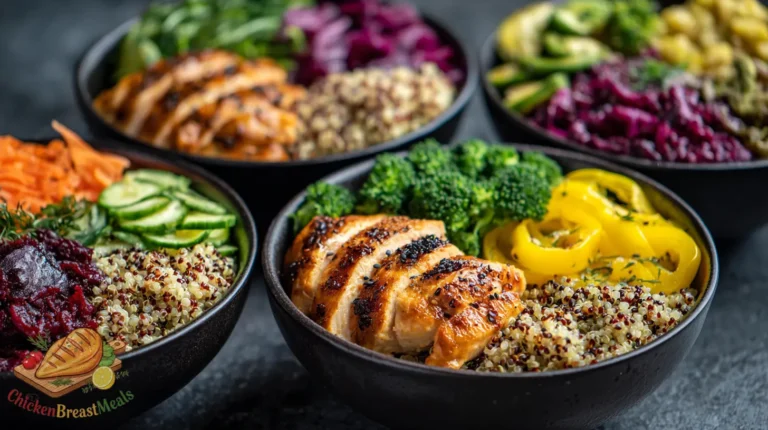
- Chicken and Quinoa Bowls
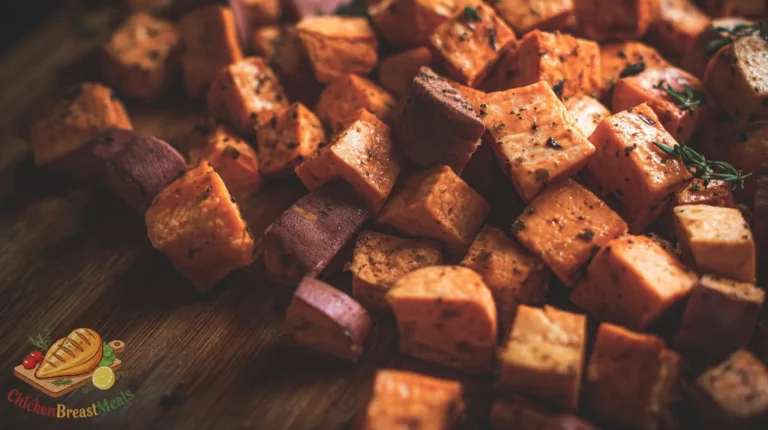
- Sweet Potato Chicken Meal Prep
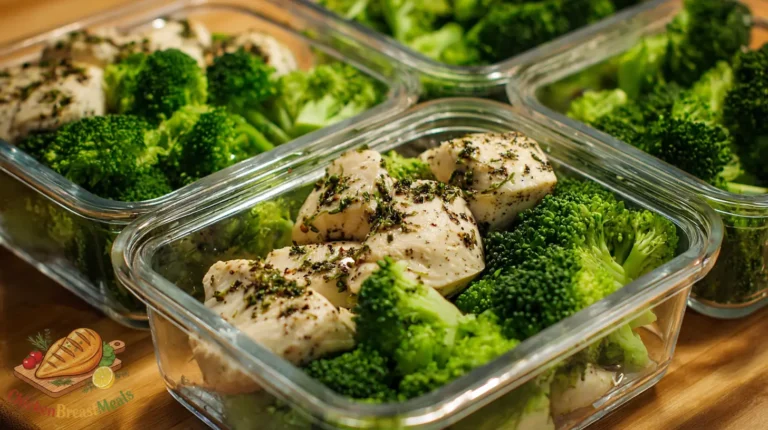
- Chicken and Broccoli Meal Prep
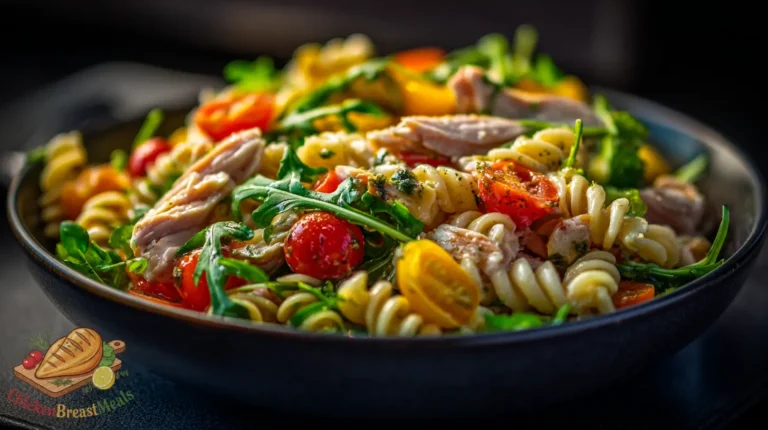
- Chicken Pasta Salad Meal Prep
Storage and Preservation Techniques
Extend the usable life and quality of your meal prepped chicken:
- Vacuum Sealing Chicken Meal Prep
- Freezing Cooked Chicken Breast
- Portion Control Systems for Meal Prep
Target Audience Specific Approaches
Tailored meal prep strategies for different lifestyle needs:
Troubleshooting & Technical FAQ
Why does my chicken breast dry out by day three of meal prep?
This common issue typically stems from compounding factors rather than a single mistake. First, examine your cooking temperature—chicken breasts cooked beyond 165°F internal temperature lose significant moisture that cannot be recovered during storage. Second, cooling methodology plays a critical role; allowing chicken to cool uncovered in the refrigerator accelerates moisture loss through surface evaporation. Finally, storage container selection impacts moisture retention—non-airtight containers allow continuous evaporation during refrigeration. The solution requires a three-part intervention: cook to precisely 160-165°F (using a reliable thermometer), cool at room temperature only until steam subsides (approximately 10-15 minutes), then transfer to completely airtight containers while still slightly warm to create a beneficial humidity environment. For enhanced protection, add 1-2 tablespoons of chicken stock or cooking liquid to the storage container, creating a moisture reserve that helps maintain tenderness throughout the week.
How can I prevent the “leftover chicken” smell when reheating?
The characteristic “warmed-over flavor” (WOF) in reheated chicken results from lipid oxidation—a chemical reaction between oxygen and the fats in chicken meat that accelerates during refrigeration and subsequent reheating. Three strategies effectively combat this issue: First, incorporate antioxidant-rich ingredients in your preparation (lemon juice, rosemary, oregano) which chemically inhibit the oxidation process. Second, minimize oxygen exposure during storage through vacuum-sealing or water-displacement methods that remove air from storage bags. Finally, choose reheating methods that limit additional oxidation—steaming or gentle microwave reheating with moisture added preserves flavor better than high-temperature methods like broiling. For meal-specific solutions, strongly flavored sauces with acid components (like yogurt-based or vinaigrette dressings) added after reheating can effectively mask any remaining WOF that develops.
My chicken breasts vary dramatically in size. How do I ensure even cooking for meal prep?
Size variation represents one of the most significant challenges in batch cooking chicken breasts, particularly when working with standard supermarket packages that often contain breasts ranging from 4 to 10 ounces. The solution involves three techniques: First, mechanical intervention through butterflying larger breasts or pounding to standardize thickness (aim for consistent 3/4-inch thickness throughout). Second, implement temperature staging—starting larger pieces 5-7 minutes before smaller pieces ensures all portions reach doneness simultaneously. For maximum precision, use the weight-based approach: separate breasts into similar weight groups (small, medium, large) and cook each group separately with adjusted timing. Remember that cooking time correlates more directly with thickness than overall weight; a thin 10oz breast will cook faster than a thick 8oz breast, making standardized thickness your primary goal.
How do I prevent cross-contamination during large-scale chicken meal prep?
Cross-contamination risk increases proportionally with meal prep volume, requiring systematic prevention methods. Establish a unidirectional workflow where raw chicken moves in one direction through your preparation area without crossing paths with cooked products. Implement a color-coding system with dedicated cutting boards, utensils, and cleaning cloths—many professional kitchens use yellow tools exclusively for raw poultry. Create designated prep zones with clear boundaries: a “raw zone” for trimming and seasoning, a “cooking zone” for thermal processing, and a “finishing zone” for cooling and packaging. Between batches, use a two-step sanitization process: first clean surfaces with soap and water to remove organic material, then sanitize with either a commercial food-safe sanitizer or homemade solution (1 tablespoon bleach per gallon of water). Finally, incorporate handwashing checkpoints at critical transitions between zones, using the 20-second scrubbing method recommended by food safety experts.
My chicken tastes fine on day one but becomes progressively blander throughout the week. How can I maintain flavor?
The flavor attenuation you’re experiencing stems from both physical and chemical processes during storage. Aromatic compounds—responsible for much of what we perceive as “flavor”—are volatile by nature and gradually dissipate during refrigeration. Additionally, the cold temperature of refrigeration temporarily suppresses taste bud sensitivity, further reducing perceived flavor intensity when eating straight from the refrigerator. Combat these effects through strategic layering of flavor components: begin with concentrated seasoning (increasing standard amounts by approximately 25% for meal prep applications), incorporate “time-release” flavor elements like whole crushed garlic cloves or large herb sprigs during cooking that continue to infuse during storage, and implement a “flavor refresh” system with finishing sauces or garnishes added just before consumption. Most effectively, employ the 2-stage seasoning method: apply a base seasoning before cooking, then add a second complementary seasoning layer after reheating that provides fresh aromatic impact without redundancy.
What’s the best way to meal prep chicken for different dietary needs in one household?
Multi-dietary meal preparation requires a modular approach that maximizes efficiency while accommodating individual requirements. Begin with a unified base preparation method—typically the brined and properly cooked chicken breast using our universal method—then implement a customization strategy through finishing techniques. For example, prepare a large batch of basic seasoned chicken, then divide into dietary-specific finishing methods: brush with barbecue sauce for traditional preferences, add avocado oil and nutritional yeast for dairy-free requirements, incorporate appropriate seasonings for keto or paleo needs, or shred and combine with diet-specific sauces. Use a visual coding system for storage containers (colored lids, position in refrigerator, labeled masking tape) to clearly identify different dietary preparations. The key efficiency factor involves recognizing which components must be separated from the beginning (for allergens or strict requirements) versus which can be differentiated at the finishing stage, minimizing duplication of core cooking processes.
How do I calculate the right amount of chicken for a week of meal prep without waste?
Accurate portion planning prevents both mid-week shortages and end-of-week waste through systematic quantity calculation. Begin with a realistic consumption audit: track your actual chicken consumption for one week, noting both meal frequency and portion sizes (ideally weighed for accuracy). Account for portion size differences between recipes—shredded chicken in tacos typically requires less volume (2-3oz) than a chicken breast entrée (4-6oz). Apply a contingency buffer based on historical patterns—if you occasionally add extra meals or increase portions, build in a 10-15% buffer. Calculate total raw weight needed using the cooking yield formula: cooked weight ÷ 0.75 = raw weight required (chicken typically loses 25% of weight during cooking). For mixed dietary households, calculate individual requirements separately, then combine into a master quantity. Finally, implement the partial-prep strategy for maximum freshness: prepare 60% of your calculated need immediately, then schedule a mid-week mini-prep session for the remainder, balancing efficiency with optimal quality throughout the entire week.
What’s the safest way to transport meal prepped chicken when I’m away from home all day?
Safe transportation of meal prepped chicken requires maintaining temperature control throughout the day to prevent entering the “danger zone” (40-140°F) where bacterial growth accelerates. Invest in a high-quality insulated lunch container with ice packs that maintain temperatures below 40°F for at least 8 hours (test this by placing a refrigerator thermometer inside during a typical day). Optimize container packing by pre-chilling the container itself before adding food and placing ice packs both below and above chicken-containing components. For maximum safety in challenging environments (outdoor work, high temperatures), consider the thermos method: heating chicken to at least 165°F in the morning, then storing in a pre-heated quality thermos that will maintain temperatures above 140°F throughout the day, effectively keeping it in the safe zone from the opposite temperature direction. When available, prioritize refrigeration upon arriving at your destination, and remember the cumulative time rule: the total time in the danger zone must remain under 4 hours across the entire journey from refrigerator to consumption.
Making Meal Prep a Sustainable Practice
The strategies and techniques outlined in this guide transcend simple recipes—they establish a systematic approach to incorporating chicken breast as a cornerstone of efficient, healthy eating. Whether you’re batch cooking for a family, preparing specialized containers for individual dietary needs, or creating freezer marinade packs for future convenience, these methods transform what is often considered a monotonous chore into a streamlined part of a sustainable lifestyle.
Remember that successful meal preparation evolves with your needs and preferences. Start with our core Universal Base Method, then gradually incorporate the specialized techniques that align with your specific goals. For ongoing inspiration and recipe variations that build on these foundational principles, explore our specialized recipe collections organized by accompanying ingredient, storage techniques, or lifestyle needs.
By approaching chicken breast meal prep as an integrated system rather than isolated recipes, you’ll discover that the modest chicken breast can indeed become the versatile, reliable protein source that supports your nutrition goals year-round, regardless of life’s demands.
Explore All Meal Prep Chicken Breast Recipes
-
Simple College Student Chicken Prep (Cheap & Easy Meals)
No kitchen? Learn easy college student chicken prep using minimal equipment and cheap ingredients.
-
Smart Budget Chicken Meal Prep (Affordable & Nutritious)
Eat well for less with these extremely affordable budget chicken meal prep strategies.
-
Clear Chicken Meal Prep Portion Control Guide (Balanced & Practical)
A visual guide to chicken meal prep portion control for weight loss and muscle gain.
-
Efficient Batch Cooking Chicken Breast (Save Time & Effort)
How to master batch cooking chicken breast in the oven or slow cooker for the whole month.
-
Complete Weekly Chicken Menu Plan (Easy & Organized Meals)
Take the stress out of dinner with this complete weekly chicken menu plan and grocery list.
-
Effective Vacuum Sealing Chicken Breast (Freshness Extended)
Extend shelf life and prevent freezer burn by vacuum sealing chicken breast.
-
Smart Freezing Cooked Chicken Breast (Safe & Long-Lasting)
A comprehensive guide to safely freezing cooked chicken breast for long-term meal prep.
-
Best Way Reheating Meal Prep Chicken (Juicy & Not Dry)
Learn the best tricks for reheating meal prep chicken without it tasting rubbery or dry.
-
Tasty Cold Chicken Meal Prep (No Reheat Needed & Convenient)
No microwave? No problem. Try these cold chicken meal prep recipes that are delicious chilled.
-
Fresh Chicken Pasta Salad Prep (Perfect for Summer Meals)
Make-ahead chicken pasta salad prep that tastes better on day three. Perfect for summer lunches.
-
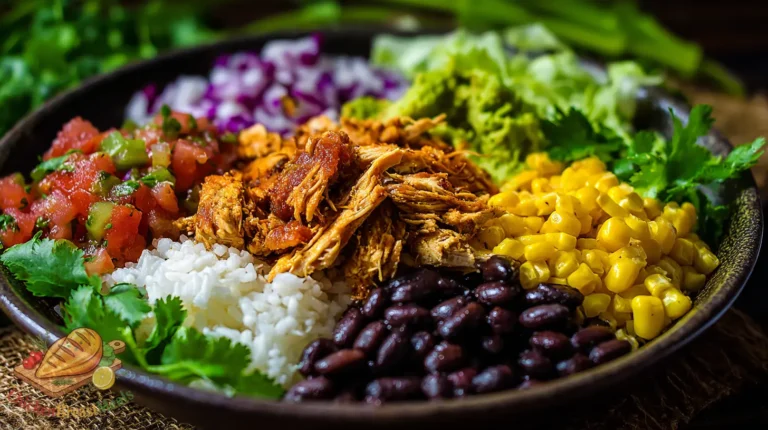
Homemade Chicken Burrito Bowls Prep (Flavorful & Easy)
Better than Chipotle: homemade chicken burrito bowls prep for the whole week.
-
High Fiber Quinoa Chicken Bowls Prep (Healthy & Filling)
High-protein and fiber-rich quinoa chicken bowls prep for a filling, healthy lunch.
-
Nutritious Sweet Potato Chicken Prep (Balanced & Energizing)
Nutrient-dense sweet potato chicken prep for sustained energy throughout the day.
-
Clean Broccoli Chicken Meal Prep (Low Carb & High Protein)
Clean and lean broccoli chicken meal prep for low-carb diets and fitness goals.
-
Budget-Friendly Rice and Chicken Meal Prep (Classic & Filling)
Classic bodybuilding staple: flavorful and cheap rice and chicken meal prep.
-
Complete 5-Day Chicken Bowl Prep (Simple & Balanced Meals)
The ultimate 5-day chicken bowl prep guide to sort out your workweek lunches in one hour.
-
Time-Saving Freezer Chicken Marinade Packs (Prep Once, Cook Easy)
Save hours with freezer chicken marinade packs. Just dump, freeze, and cook later.
-
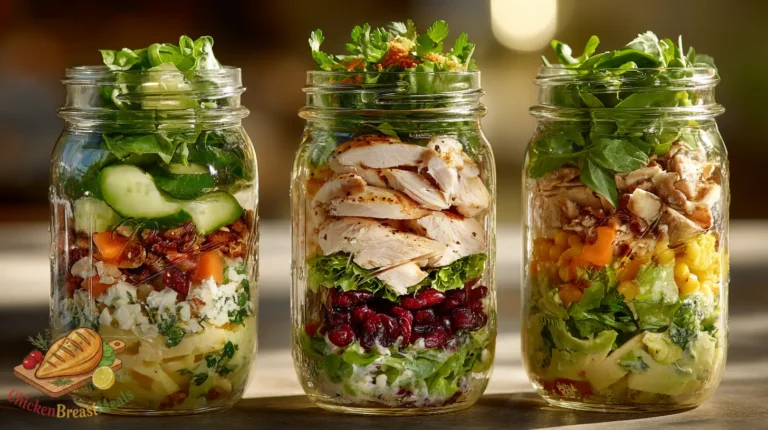
Fresh Mason Jar Chicken Salads (Crisp & Make-Ahead Friendly)
Keep your greens crisp with these make-ahead mason jar chicken salads for work lunches.
-
Quick Diced Chicken Meal Prep (Simple & Flexible Meals)
Quick and easy diced chicken meal prep ideas for versatile lunches and dinners.
-
Easy Shredded Chicken Breast Meal Prep (Weekly Ready & Versatile)
Batch cook shredded chicken breast meal prep for tacos, salads, and wraps all week long.