Clean Broccoli Chicken Meal Prep (Low Carb & High Protein)

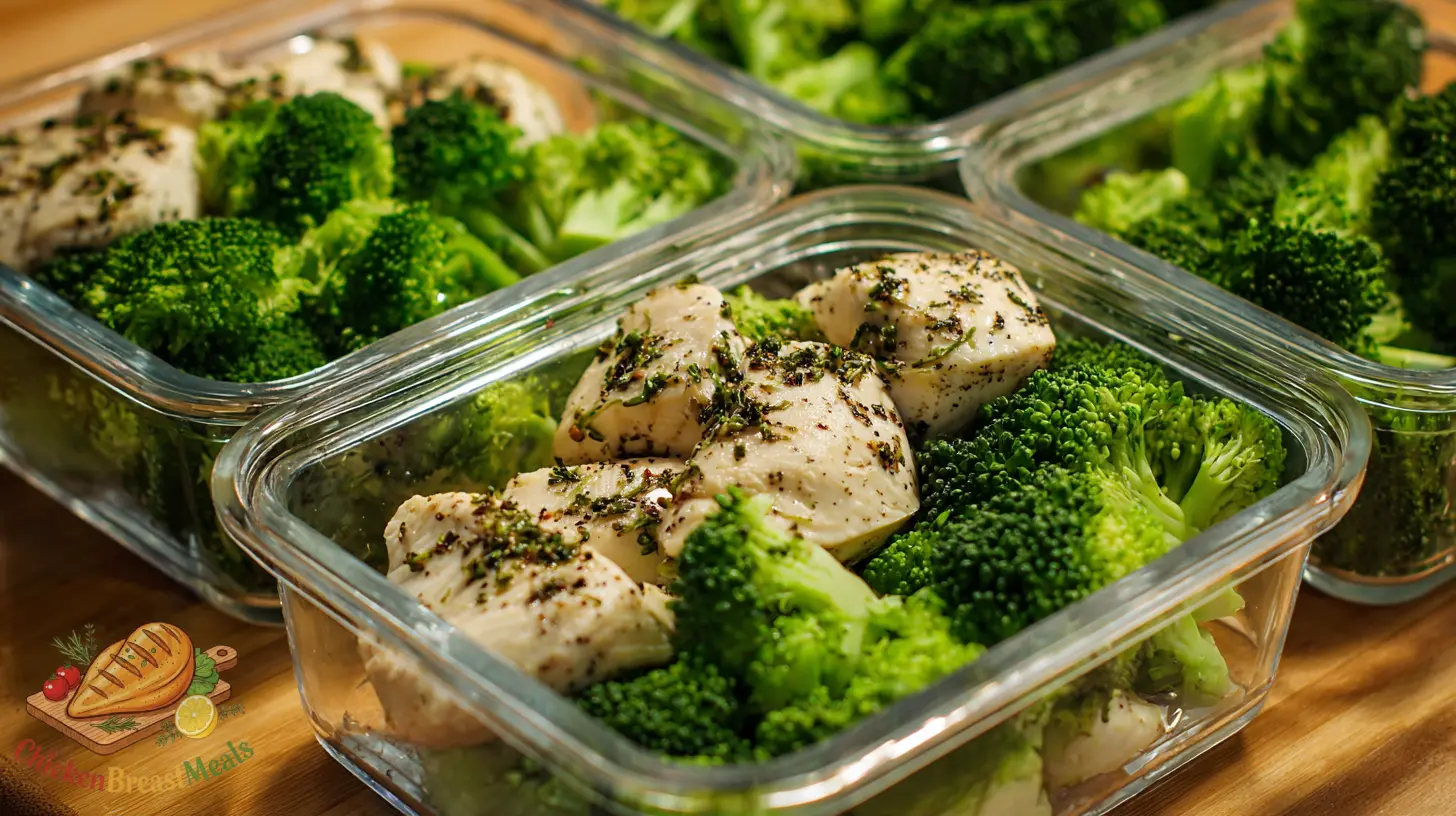
Broccoli chicken meal prep stands as one of the most efficient ways to maintain a high-protein, low-carb nutritional strategy throughout a busy week. Unlike more complex meal prep systems that require multiple components and extensive preparation, this streamlined approach delivers optimal macronutrients while minimizing kitchen time and ingredient costs.
Many meal preppers struggle with maintaining food quality throughout the week, often ending up with dry chicken and mushy broccoli by day three or four. This technical approach solves both issues through precise cooking methodology and strategic storage protocols that maintain texture integrity and flavor profiles for up to five days.
Test-Kitchen Executive Summary
This broccoli chicken meal prep system delivers 25-30g protein per serving with under 15g carbohydrates through a precision-timed dual-cooking method that optimizes both components simultaneously. The technique employs temperature staging for the chicken (high heat sear followed by moderate heat finish) combined with rapid-steam broccoli treatment to preserve cellular structure and nutrient density. Storage protocol includes strategic moisture barriers and ventilation to maximize 5-day refrigerator viability with minimal quality degradation.
The Science of Success: Why This Recipe Works
Technical Foundations
The efficacy of this broccoli chicken meal prep hinges on three critical technical principles. First, the chicken breast is prepared using a modified reverse-sear technique that maintains protein structure while preventing moisture loss. Second, the broccoli undergoes a precise blanching process that deactivates enzyme activity without compromising cellular integrity. Third, the seasoning methodology employs fat-soluble compounds that penetrate both proteins and vegetables while acting as preservation agents. For a complete understanding of chicken preparation fundamentals, our comprehensive meal prep chicken breast guide provides in-depth protein science that applies directly to this recipe.
The technical superiority of this approach is evident in both the macronutrient profile and extended shelf stability. By utilizing high-heat cooking followed by rest periods, the chicken maintains optimal moisture content while achieving food safety parameters. Simultaneously, the rapid blanch-and-shock approach for broccoli preserves both texture and nutritional content by minimizing exposure to degradative heat while still gelatinizing sufficient pectin to maintain structure during storage.
Ingredients and Essential Tools
- 2 lbs boneless, skinless chicken breasts (preferably air-chilled for reduced moisture content)
- 1 lb fresh broccoli (approximately 2 medium crowns), cut into 1.5-inch florets
- 3 tablespoons extra virgin olive oil (divided)
- 2 teaspoons kosher salt (divided)
- 1 teaspoon garlic powder
- 1 teaspoon onion powder
- 1/2 teaspoon ground black pepper
- 1/4 teaspoon red pepper flakes (optional)
- 1 lemon, zested and juiced
- 2 cloves garlic, minced
Equipment Requirements
- Digital meat thermometer (essential for precision cooking)
- 12-inch skillet (preferably cast iron for heat retention)
- Large pot with lid (for blanching)
- Ice bath setup (large bowl with ice water)
- 5 meal prep containers (glass recommended for reheating quality)
- Sharp chef’s knife and cutting board
- Kitchen towels or paper towels
- Tongs for handling hot food
Step-by-Step Instructions
- Prepare the chicken: Remove chicken breasts from refrigeration 20 minutes before cooking to approach room temperature. Pat completely dry with paper towels to remove surface moisture. Slice larger breasts horizontally to create even thickness (approximately 3/4 inch).
- Season the chicken: In a small bowl, combine 1 1/2 teaspoons kosher salt, garlic powder, onion powder, and black pepper. Drizzle chicken with 2 tablespoons olive oil, then apply seasoning mixture evenly on both sides, pressing gently to adhere.
- Prepare ice bath: Fill a large bowl with ice and water. Set aside near your cooking area for rapid broccoli cooling.
- Blanch the broccoli: Bring a large pot of water to a rolling boil. Add 1 tablespoon salt to the water. Add broccoli florets and blanch for precisely 2 minutes. Immediately transfer to ice bath using a slotted spoon. Allow to cool completely (approximately 2-3 minutes).
- Drain and dry broccoli: Remove broccoli from ice bath and spread on clean kitchen towels or paper towels. Pat dry thoroughly to remove excess moisture.
- Cook the chicken: Heat a 12-inch skillet over medium-high heat until hot. Add 1 tablespoon olive oil and swirl to coat. Place chicken in skillet without overcrowding (work in batches if necessary). Sear for 4-5 minutes until golden brown, then flip.
- Finish chicken cooking: Reduce heat to medium, continue cooking for 4-6 minutes more, or until internal temperature reaches 165°F (74°C) at thickest part. Transfer to cutting board and allow to rest for 5 minutes before slicing.
- Prepare broccoli finishing sauce: In a bowl, combine remaining 1 tablespoon olive oil, minced garlic, lemon zest, 1 tablespoon lemon juice, red pepper flakes (if using), and 1/2 teaspoon kosher salt.
- Finish broccoli: Return skillet to medium heat. Add broccoli and finishing sauce, tossing quickly for 1-2 minutes until heated through but still firm.
- Slice chicken: Cut chicken against the grain into 1/2-inch slices for optimal texture and portion control.
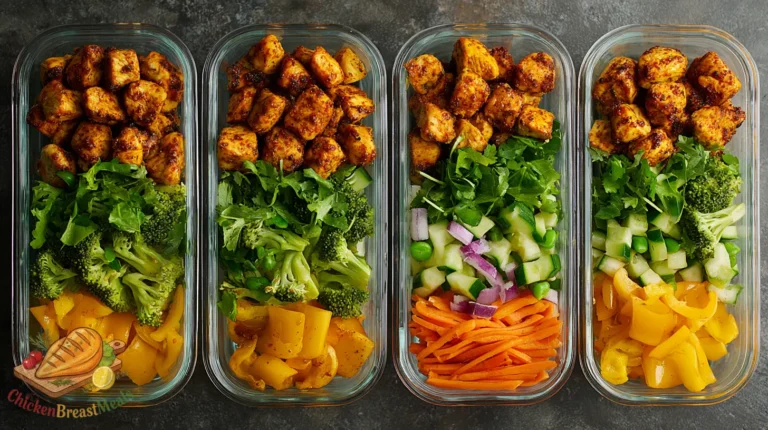
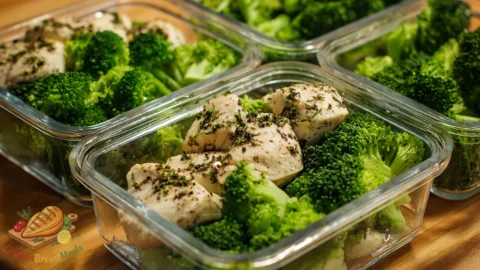
- Assemble meal prep containers: Divide chicken and broccoli evenly among 5 containers. Allow to cool completely before sealing lids.
| Step | Time Required | Critical Technical Points |
|---|---|---|
| Chicken Preparation | 5 minutes | Complete drying essential for proper browning |
| Broccoli Blanching | 2 minutes | Timing precision prevents overcooking |
| Ice Bath Cooling | 2-3 minutes | Must cool completely to stop cooking process |
| Chicken Cooking | 10-12 minutes | Temperature verification required (165°F) |
| Broccoli Finishing | 1-2 minutes | Quick heating preserves texture |
| Total Active Time | 30-35 minutes | Excludes cooling periods |
Pro-Tips for Perfect Results
- Chicken Temperature Management: Allow chicken to rest 5-8 minutes after cooking before slicing to redistribute internal juices. Cutting too early results in moisture loss that accelerates quality degradation during storage.
- Broccoli Size Consistency: Maintain uniform 1.5-inch floret sizing to ensure even cooking. Smaller pieces will overcook and larger pieces will remain undercooked during the blanching process.
- Strategic Container Layering: Place chicken on one side of container and broccoli on the other rather than layering to prevent moisture migration between components.
- Texture Preservation: Slightly undercook broccoli during initial blanching (aim for al dente) to account for residual cooking during storage and reheating.
- Moisture Control: Place a folded paper towel under container lids to absorb condensation during storage, replacing daily if preparing for the full work week.
- Fat Distribution: Ensure adequate olive oil coating on both components as the lipid barrier helps prevent moisture loss and flavor degradation during storage.
- Seasoning Intensification: Season components slightly more aggressively than for immediate consumption as flavor perception diminishes approximately 15-20% during cold storage.
Storage and Reheating
Proper storage methodology significantly impacts the quality retention of this meal prep system. Store assembled containers in the refrigerator at temperatures between 36-39°F (2-4°C) for optimal preservation. When properly prepared and stored, these meals maintain peak quality for 3-4 days and remain food-safe for consumption up to 5 days.
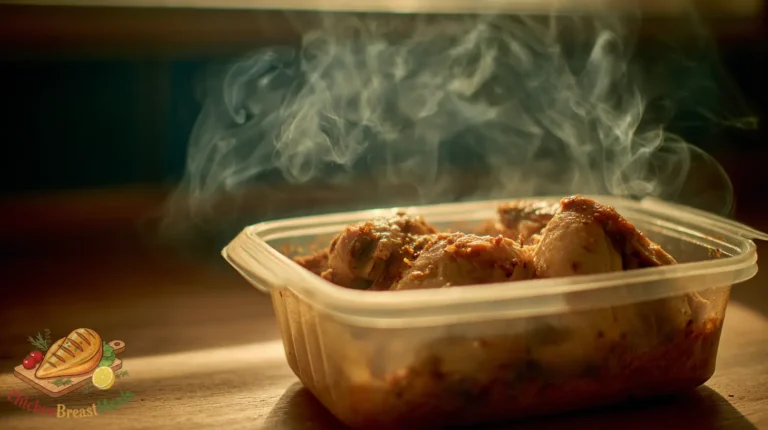
For reheating, remove container lid and cover with a damp paper towel. Microwave on 70% power for 90-120 seconds, then let stand for 30 seconds before stirring and testing temperature. This graduated heating approach prevents the chicken from becoming rubbery while allowing the broccoli to retain texture. Alternatively, for superior texture retention, reheat in a covered skillet over medium-low heat with 1 tablespoon water for 4-5 minutes, stirring occasionally.
For extended storage requirements, this meal prep can be frozen immediately after cooling. When freezing, leave 1/2 inch headspace in containers to allow for expansion. Frozen meals maintain quality for up to 2 months and should be thawed overnight in the refrigerator before reheating using the methods described above.
Related Recipes to Try
- Rice and Chicken Meal Prep – A higher-carbohydrate alternative that provides sustained energy for more active individuals.
- Sweet Potato Chicken Meal Prep – Introduces complex carbohydrates with a lower glycemic index for improved satiety.
- Chicken and Asparagus Meal Prep – Another low-carb option with different micronutrient profiles.
- Mediterranean Chicken Meal Prep – Incorporates heart-healthy fats through olives and additional vegetables.
- Buffalo Chicken Meal Prep – A flavor-forward variation that increases adherence through taste variety.
FAQs About Broccoli Chicken Meal Prep
Can I use frozen broccoli instead of fresh?
Technically possible but not recommended. Frozen broccoli has already undergone blanching and freezing, which compromises cellular structure. If using frozen, skip the blanching step and add directly to the skillet for the finishing phase, extending cooking time by 1-2 minutes to ensure thorough heating.
How can I prevent the chicken from drying out during reheating?
Employ lower power settings (60-70%) when microwaving and include a moisture source (damp paper towel cover or 1 teaspoon water added to container). Alternatively, slice chicken thicker (3/4-inch) during initial prep to provide moisture retention buffer during reheating.
Is this meal prep suitable for freezing?
Yes, with modifications. For freezer-intended batches, reduce broccoli blanching time by 30 seconds to account for additional softening during thawing. When freezing, ensure complete cooling before transferring to freezer to prevent ice crystal formation that damages cellular structure.
How can I increase flavor variety throughout the week?
Prepare the base recipe as directed but portion different finishing sauces in separate containers: lemon-herb, buffalo, teriyaki, pesto, or Thai-inspired. Add 1-2 tablespoons of chosen sauce during reheating to create flavor variety without additional prep.
What’s the optimal container type for this meal prep?
Glass containers with compartments provide superior temperature regulation, reheating quality, and prevent flavor transfer. If using plastic, choose BPA-free varieties with vapor-lock lids that maintain appropriate humidity levels during storage.
Conclusion
This broccoli chicken meal prep system represents an optimal balance between nutritional density, preparation efficiency, and quality retention. By implementing the precise technical protocols outlined above—particularly the dual-cooking methodology and strategic storage approach—you ensure consistent high-protein, low-carb meals throughout your week with minimal quality degradation.
The technical foundations of this recipe are transferable to numerous variations, allowing for systematic meal planning while accommodating taste preferences and nutritional requirements. Whether pursuing weight management, muscle development, or simply establishing consistent eating patterns, this approach delivers reliable results with a favorable effort-to-outcome ratio.
For ongoing meal preparation success, focus on three critical factors: temperature management during cooking, moisture control during storage, and reheating methodology. These elements, more than ingredient variations, determine the ultimate quality and satisfaction of your meal prep system.
Clean Broccoli Chicken Meal Prep

Ingredients
- 2 lbs boneless, skinless chicken breasts preferably air-chilled
- 1 lb fresh broccoli cut into 1.5-inch florets
- 3 tablespoons extra virgin olive oil divided
- 2 teaspoons kosher salt divided
- 1 teaspoon garlic powder
- 1 teaspoon onion powder
- 1/2 teaspoon ground black pepper
- 1/4 teaspoon red pepper flakes optional
- 1 lemon zested and juiced
- 2 cloves garlic minced
Method
- Remove chicken breasts from refrigeration 20 minutes before cooking. Pat completely dry with paper towels. Slice larger breasts horizontally to create even thickness (approximately 3/4 inch).
- In a small bowl, combine 1 1/2 teaspoons kosher salt, garlic powder, onion powder, and black pepper. Drizzle chicken with 2 tablespoons olive oil, then apply seasoning mixture evenly on both sides.
- Fill a large bowl with ice and water for an ice bath. Set aside.
- Bring a large pot of water to a rolling boil. Add 1 tablespoon salt to the water. Add broccoli florets and blanch for precisely 2 minutes. Immediately transfer to ice bath using a slotted spoon. Cool completely for 2-3 minutes.
- Remove broccoli from ice bath and spread on clean kitchen towels or paper towels. Pat dry thoroughly to remove excess moisture.
- Heat a 12-inch skillet over medium-high heat. Add 1 tablespoon olive oil and swirl to coat. Place chicken in skillet without overcrowding (work in batches if necessary). Sear for 4-5 minutes until golden brown, then flip.
- Reduce heat to medium, continue cooking for 4-6 minutes more, or until internal temperature reaches 165°F (74°C) at thickest part. Transfer to cutting board and allow to rest for 5 minutes before slicing.
- In a bowl, combine remaining 1 tablespoon olive oil, minced garlic, lemon zest, 1 tablespoon lemon juice, red pepper flakes (if using), and 1/2 teaspoon kosher salt.
- Return skillet to medium heat. Add broccoli and finishing sauce, tossing quickly for 1-2 minutes until heated through but still firm.
- Cut chicken against the grain into 1/2-inch slices.
- Divide chicken and broccoli evenly among 5 containers. Allow to cool completely before sealing lids.
Note
- Allow assembled containers to cool completely before refrigerating to prevent condensation.
- Place chicken and broccoli in separate sections of container to prevent moisture transfer.
- For optimal reheating, microwave at 70% power for 90-120 seconds with a damp paper towel cover.
- Meal prep containers will stay fresh for up to 5 days when properly stored in the refrigerator.
- For extended storage, these meals can be frozen for up to 2 months.