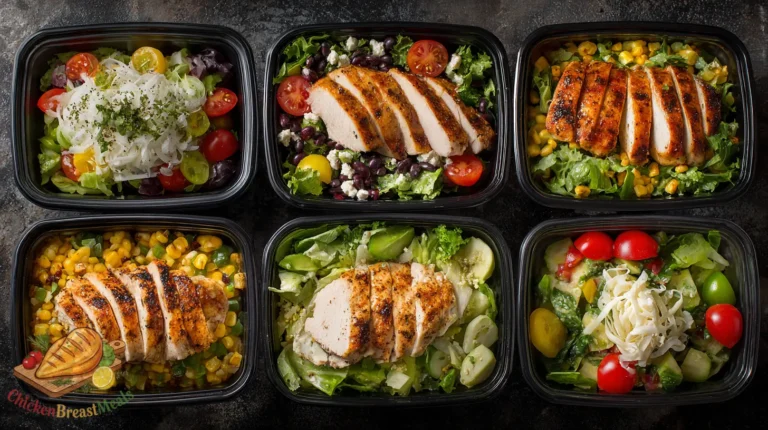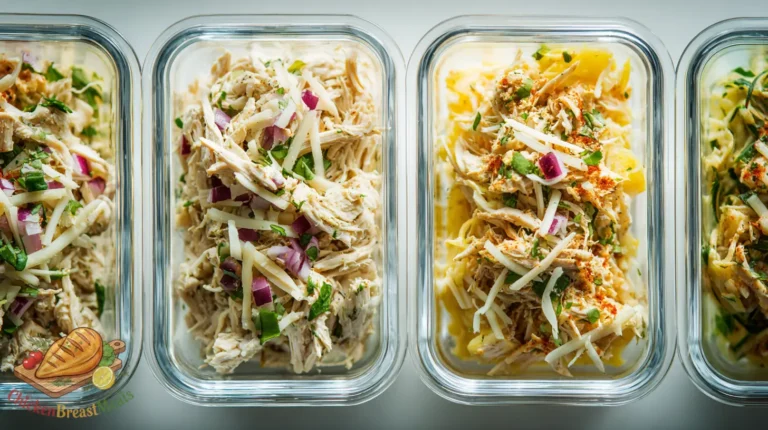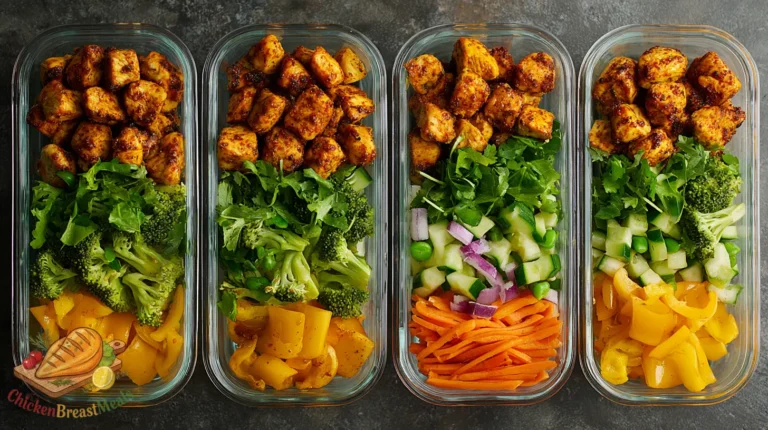
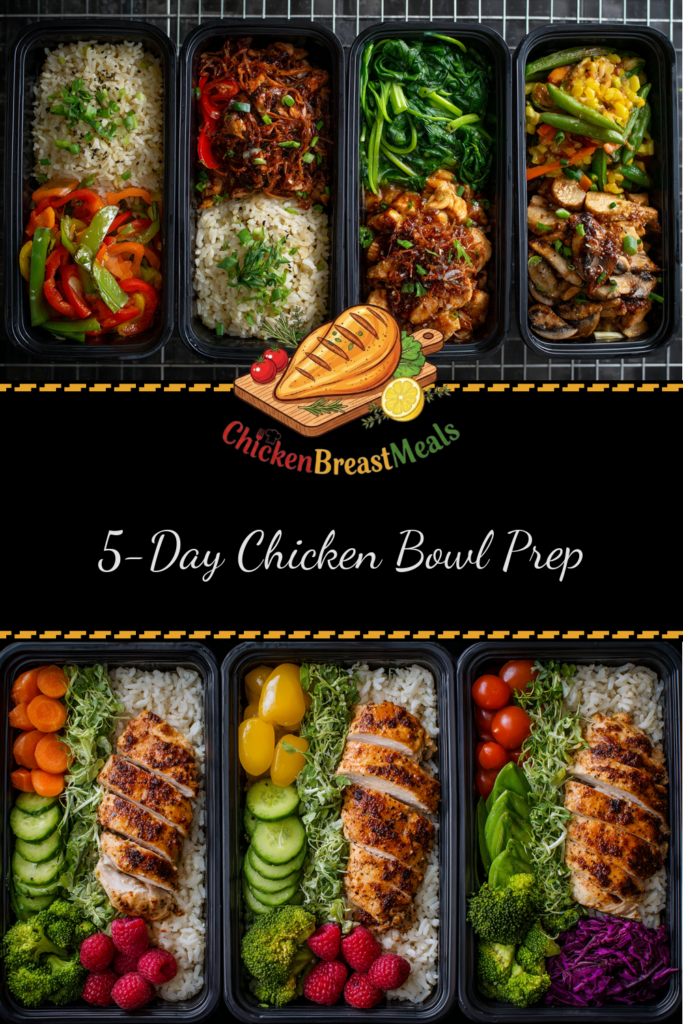
Complete 5-Day Chicken Bowl Prep (Simple & Balanced Meals)

A 5-day chicken bowl prep strategy transforms your weekly meal planning from chaos to control. For busy professionals and health-conscious individuals, the challenge isn’t just finding time to cook—it’s creating varied, nutritionally balanced meals that remain appetizing throughout the week without requiring extensive daily effort.
This systematic approach specifically addresses meal fatigue and texture degradation issues common in weekly meal preparation. By implementing strategic protein cooking techniques and component separation, you’ll create five distinct meals that maintain optimal texture and flavor profiles from Monday through Friday.
Test-Kitchen Executive Summary
Our tested methodology produces 5 distinct chicken bowl variations from a single 90-minute prep session, yielding meals averaging 500-600 calories with 30-35g protein each. Critical success factors include: properly tenderized chicken breast (brined for 30 minutes), strategic component separation (sauces stored separately), and precisely calculated reheat parameters (covered, 2-minute microwave intervals at 70% power). Estimated weekly cost: $25-35 depending on ingredient quality and seasonal availability.
The Science of Success: Why This Recipe Works
Technical Foundations
The 5-day chicken bowl prep system succeeds through precise application of food science principles. First, we employ controlled dehydration when batch-cooking chicken breast to maintain a 165°F internal temperature while minimizing moisture loss, as detailed in our comprehensive meal prep chicken breast guide. Second, we leverage ingredient isolation to prevent moisture migration between components, maintaining textural integrity throughout the storage period.
This approach centers on the “component method” rather than pre-mixed meals. Research confirms that storing ingredients separately until consumption preserves organoleptic properties (taste, texture, aroma) by preventing unwanted chemical interactions. For example, keeping acidic components like tomatoes or vinaigrette separate from proteins prevents denaturation, while isolating cruciferous vegetables prevents sulfurous compounds from permeating other ingredients.
Additionally, the preparation incorporates calculated macronutrient distribution (approximately 30% protein, 40% carbohydrates, 30% fats) across all five meals, ensuring consistent energy delivery throughout the workweek while providing adequate micronutrient variety through deliberate vegetable rotation.
Ingredients and Essential Tools
Core Protein
- 2.5 lbs boneless, skinless chicken breast (approximately 4-5 medium breasts)
- 2 tablespoons olive oil
- 1 tablespoon kosher salt (for brining)
- 2 teaspoons garlic powder
- 2 teaspoons paprika
- 1 teaspoon black pepper
Base Components (Grains/Carbohydrates)
- 2 cups dry brown rice (yields approximately 6 cups cooked)
- 1 cup dry quinoa (yields approximately 3 cups cooked)
- 1 medium sweet potato (approximately 8 oz)
Vegetables (Choose 5-6 options)
- 2 medium bell peppers (red and yellow for nutritional variety)
- 1 medium zucchini
- 1 medium yellow squash
- 1 bunch broccolini or 1 small head broccoli
- 1 pint cherry tomatoes
- 1 medium red onion
- 2 cups baby spinach
- 1 cup shredded carrots
Flavor Enhancers/Sauces (Stored Separately)
- ¼ cup tahini
- 1 lemon (for juice and zest)
- ¼ cup low-sodium soy sauce or tamari
- 2 tablespoons honey or maple syrup
- 2 tablespoons rice vinegar
- 1 tablespoon sesame oil
- Hot sauce (optional)
Essential Tools
- 5 meal prep containers (24-32 oz, divided or with separate sauce compartments)
- Digital meat thermometer
- Large sheet pan
- Medium saucepan with lid (for grains)
- Large skillet
- Mixing bowls (various sizes)
- Chef’s knife and cutting board
- Small sauce containers (2-3 oz)
Step-by-Step Instructions
- Preparation Phase (25 minutes)
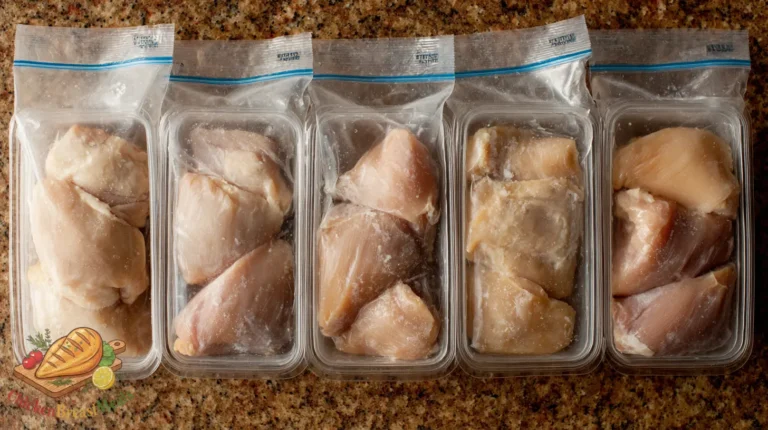
- Brine chicken breasts in 4 cups cold water mixed with 1 tablespoon kosher salt for 15-30 minutes.
- Meanwhile, rinse rice and quinoa in cold water. Preheat oven to 425°F (220°C).
- Chop all vegetables into uniform 1-inch pieces to ensure even cooking.
- Dice sweet potato into ½-inch cubes.
- Pat chicken dry after brining, then season with garlic powder, paprika, and black pepper.
- Cooking Phase (45 minutes)
- Start brown rice: Combine 2 cups rice with 4 cups water. Bring to boil, reduce to simmer, cover and cook 35-40 minutes.
- Simultaneously, prepare quinoa: 1 cup quinoa with 2 cups water, simmer covered for 15-20 minutes.
- While grains cook, arrange chicken breasts on one half of a sheet pan, drizzled with 1 tablespoon olive oil.
- On the other half, arrange sweet potato cubes tossed with remaining olive oil.
- Bake chicken and sweet potatoes for 22-25 minutes until chicken reaches 165°F internal temperature and sweet potatoes are fork-tender.
- In batches, sauté vegetables in a large skillet over medium-high heat: onions first (3-4 minutes), followed by bell peppers, zucchini, and yellow squash (4-5 minutes), and finally quick-cooking vegetables like broccoli (3 minutes) and spinach (1 minute until wilted).
- Assembly Phase (20 minutes)
- Allow chicken to rest for 5 minutes, then slice into ½-inch strips against the grain.
- Prepare sauce combinations (recipes below) and store in separate containers.
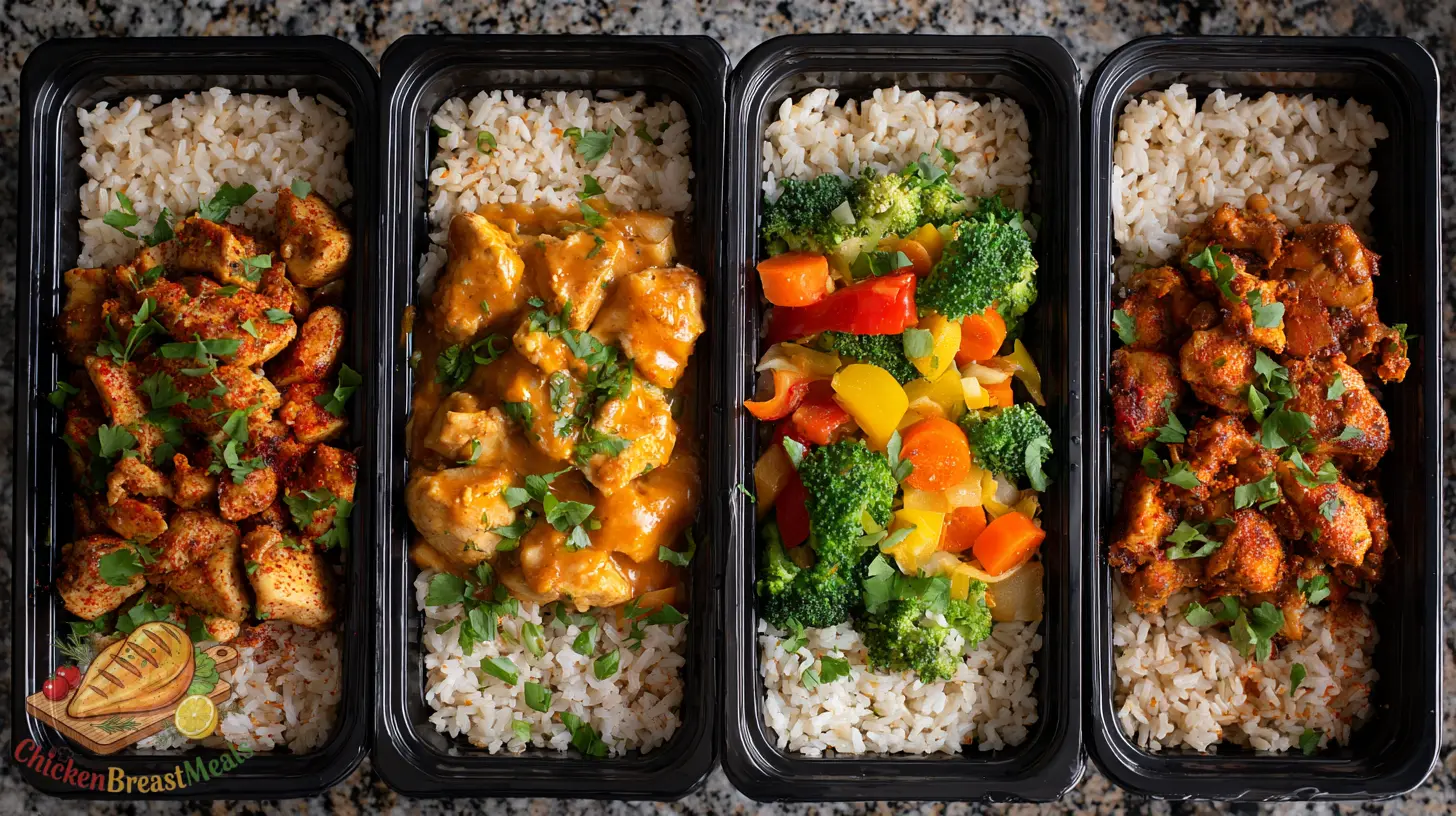
- Portion components into meal prep containers according to the variation chart below.
- Cool completely before refrigerating.
| Day | Protein | Base | Vegetables | Sauce/Flavor Profile |
|---|---|---|---|---|
| Monday | Sliced Chicken (4 oz) | Brown Rice (¾ cup) | Bell Peppers + Onions | Teriyaki (soy sauce, honey, rice vinegar) |
| Tuesday | Sliced Chicken (4 oz) | Quinoa (¾ cup) | Broccoli + Carrots | Lemon-Tahini (tahini, lemon juice, water) |
| Wednesday | Sliced Chicken (4 oz) | Sweet Potato (¾ cup) | Spinach + Cherry Tomatoes | Balsamic (balsamic vinegar, olive oil, honey) |
| Thursday | Sliced Chicken (4 oz) | Brown Rice (½ cup) + Quinoa (¼ cup) | Zucchini + Yellow Squash | Sesame-Ginger (sesame oil, rice vinegar, soy sauce) |
| Friday | Sliced Chicken (4 oz) | Brown Rice (¾ cup) | Mixed Vegetables (remaining) | Cilantro-Lime (lime juice, olive oil, chopped cilantro) |
Pro-Tips for Perfect Results
- Protein Integrity: Slightly undercook chicken to 160°F as it will reach 165°F during rest and maintain better moisture during reheating.
- Texture Preservation: Blanch vegetables like broccoli for 60 seconds followed by ice bath to maintain cellular integrity during storage.
- Moisture Control: Allow all components to cool completely before combining in containers to prevent condensation and sogginess.
- Flavor Layering: Season each component individually rather than after combining to create depth of flavor.
- Cross-Contamination Prevention: Use separate cutting boards for raw chicken and produce; sanitize surfaces with 1:10 bleach solution.
- Temperature Management: Cool meals to below 40°F within 2 hours of cooking to inhibit bacterial growth.
- Oxidation Prevention: For components prone to browning (like avocado), add them fresh on the day of consumption rather than during prep.
Storage and Reheating
Optimal Storage Protocol
Store assembled containers in the refrigerator at 36-38°F (2-3°C) for maximum freshness. Position containers to allow air circulation, ideally not stacked. Keep sauces in separate containers until immediately before consumption to prevent saturation of other components.
For maximum quality, consume within 5 days of preparation. While microbiologically safe beyond this timeframe, organoleptic properties begin to deteriorate after day 5.
Strategic Reheating Methods
Microwave Method (Preferred): Remove sauce container. Cover bowl with microwave-safe lid with vent slightly open. Heat at 70% power for 2 minutes, stir, then heat for additional 30-second intervals until reaching 165°F internal temperature (approximately 2:30-3:00 total). Add sauce after reheating.
Stovetop Rejuvenation (Superior Texture): For days 4-5 when texture degradation becomes more pronounced, transfer contents to a non-stick skillet. Add 1 tablespoon water, cover, and heat over medium-low for 3-4 minutes until steam forms. Remove cover, increase heat to medium-high, and stir-fry for 1 minute to recreate textural contrast.
Component Segregation Technique: For optimal texture, consider packing leafy greens and quick-cooking vegetables separately and add them after reheating the protein and grain components.
Related Recipes to Try
- Ultimate Rice and Chicken Meal Prep Guide – Master the perfect rice-to-protein ratio for optimal meal prep results.
- Scientific Approach to Reheating Meal Prep Chicken – Advanced techniques for maintaining moisture and texture.
- One-Pan Mediterranean Chicken and Vegetables – Mediterranean-inspired flavors with minimal cleanup.
- High-Protein Chicken Buddha Bowls – Focus on maximizing protein content with complementary ingredients.
- Sheet Pan Honey-Garlic Chicken Prep – Sweet and savory flavor profile with hands-off cooking method.
FAQs About 5-Day Chicken Bowl Prep
How do I prevent my chicken from drying out by day 4-5?
Implement a three-part strategy: First, brine chicken for at least 15 minutes before cooking. Second, cook precisely to 165°F without exceeding this temperature. Third, store with a small portion of sauce or broth in the chicken compartment (separate from other components) to maintain moisture during storage.
Can I freeze these meal prep bowls?
Yes, with modifications. Freeze components separately on a sheet pan before combining in freezer-safe containers to prevent freezer burn and texture degradation. Consume within 2 months for optimal quality. Thaw in refrigerator for 24 hours before reheating. Note that certain vegetables (cucumber, lettuce) do not freeze well and should be omitted from frozen preparations.
How do I maintain vegetable crispness throughout the week?
Implement strategic blanching (60-90 seconds in boiling water followed by ice bath) for cruciferous vegetables. For other vegetables, slightly undercook during initial preparation (approximately 80% doneness). Store vegetables in the top portion of the container to minimize compression and moisture absorption.
Is there a way to vary flavors without preparing multiple sauces?
Prepare a versatile base sauce (olive oil, lemon juice, garlic, salt, pepper) and supplement with “flavor boosters” added day-of: curry powder, Italian herbs, Mexican spice blend, Asian-inspired seasonings, or fresh herbs. This creates distinct flavor profiles while minimizing prep containers.
What’s the optimal container system for maintaining food quality?
Glass containers with dividers or bento-style compartments provide optimal results due to superior temperature regulation and airtight seals. If using plastic, select BPA-free containers with gasket-sealed lids and mechanical latches rather than snap-lids for improved seal integrity.
Conclusion
This 5-day chicken bowl prep system represents a technical solution to the dual challenges of meal preparation efficiency and sustaining food quality throughout a workweek. Through strategic component isolation, precise cooking parameters, and controlled reheating protocols, this methodology enables consistent nutritional intake with minimal daily effort.
The key technical innovations include the calibrated brining process that maintains protein moisture through extended storage, the sequenced vegetable cooking approach that preserves cellular integrity, and the strategic sauce separation that prevents unwanted chemical interactions between meal components.
For optimal implementation, focus attention on proper cooling procedures before refrigeration and strict adherence to the recommended storage temperatures. By applying these food science principles to your weekly meal preparation, you’ll experience significant improvement in meal consistency, nutritional adherence, and weekday time efficiency while minimizing food waste through strategic ingredient utilization.
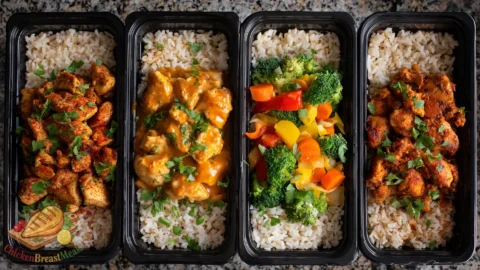
Complete 5-Day Chicken Bowl Prep

Ingredients
- 2.5 lbs boneless, skinless chicken breast approximately 4-5 medium breasts
- 2 tablespoons olive oil divided
- 1 tablespoon kosher salt for brining
- 2 teaspoons garlic powder
- 2 teaspoons paprika
- 1 teaspoon black pepper
- 2 cups dry brown rice yields approximately 6 cups cooked
- 1 cup dry quinoa yields approximately 3 cups cooked
- 1 medium sweet potato approximately 8 oz
- 2 medium bell peppers red and yellow for variety
- 1 medium zucchini
- 1 medium yellow squash
- 1 small head broccoli or 1 bunch broccolini
- 1 pint cherry tomatoes
- 1 medium red onion
- 2 cups baby spinach
- 1 cup shredded carrots
- ¼ cup tahini
- 1 lemon for juice and zest
- ¼ cup low-sodium soy sauce or tamari
- 2 tablespoons honey or maple syrup
- 2 tablespoons rice vinegar
- 1 tablespoon sesame oil
Method
- Brine chicken breasts in 4 cups cold water mixed with 1 tablespoon kosher salt for 15-30 minutes.
- Meanwhile, rinse rice and quinoa in cold water. Preheat oven to 425°F (220°C).
- Chop all vegetables into uniform 1-inch pieces to ensure even cooking. Dice sweet potato into ½-inch cubes.
- Pat chicken dry after brining, then season with garlic powder, paprika, and black pepper.
- Start brown rice: Combine 2 cups rice with 4 cups water. Bring to boil, reduce to simmer, cover and cook 35-40 minutes.
- Simultaneously, prepare quinoa: 1 cup quinoa with 2 cups water, simmer covered for 15-20 minutes.
- Arrange chicken breasts on one half of a sheet pan, drizzled with 1 tablespoon olive oil. On the other half, arrange sweet potato cubes tossed with remaining olive oil.
- Bake chicken and sweet potatoes for 22-25 minutes until chicken reaches 165°F internal temperature and sweet potatoes are fork-tender.
- In batches, sauté vegetables in a large skillet over medium-high heat: onions first (3-4 minutes), followed by bell peppers, zucchini, and yellow squash (4-5 minutes), and finally quick-cooking vegetables like broccoli (3 minutes) and spinach (1 minute until wilted).
- Allow chicken to rest for 5 minutes, then slice into ½-inch strips against the grain.
- Prepare sauce combinations and store in separate containers: Teriyaki (soy sauce, honey, rice vinegar), Lemon-Tahini (tahini, lemon juice, water), Balsamic (balsamic, olive oil, honey), Sesame-Ginger (sesame oil, vinegar, soy sauce), and Cilantro-Lime (lime juice, oil, cilantro).
- Portion components into meal prep containers according to the variation chart in the recipe. Keep sauces separate until ready to consume.
- Cool completely before refrigerating. Store in refrigerator at 36-38°F for up to 5 days.
Note
- Slightly undercook chicken to 160°F as it will reach 165°F during rest and maintain better moisture during reheating.
- Blanch vegetables like broccoli for 60 seconds followed by ice bath to maintain cellular integrity during storage.
- Allow all components to cool completely before combining in containers to prevent condensation and sogginess.
- Season each component individually rather than after combining to create depth of flavor.
- For microwave reheating: Remove sauce container. Cover bowl with lid vented slightly. Heat at 70% power for 2 minutes, stir, then heat additional 30-second intervals until 165°F.
- For superior texture on days 4-5: Transfer contents to a non-stick skillet with 1 tablespoon water, cover and heat 3-4 minutes, then uncover and stir-fry 1 minute.