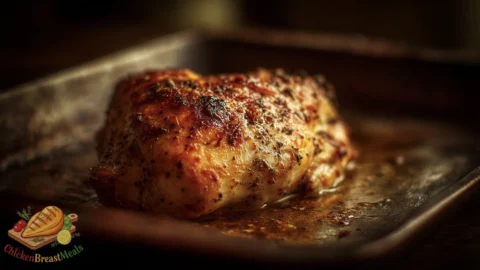
Crispy Skin Oven Baked Bone In Chicken Breast (Juicy & Tender)

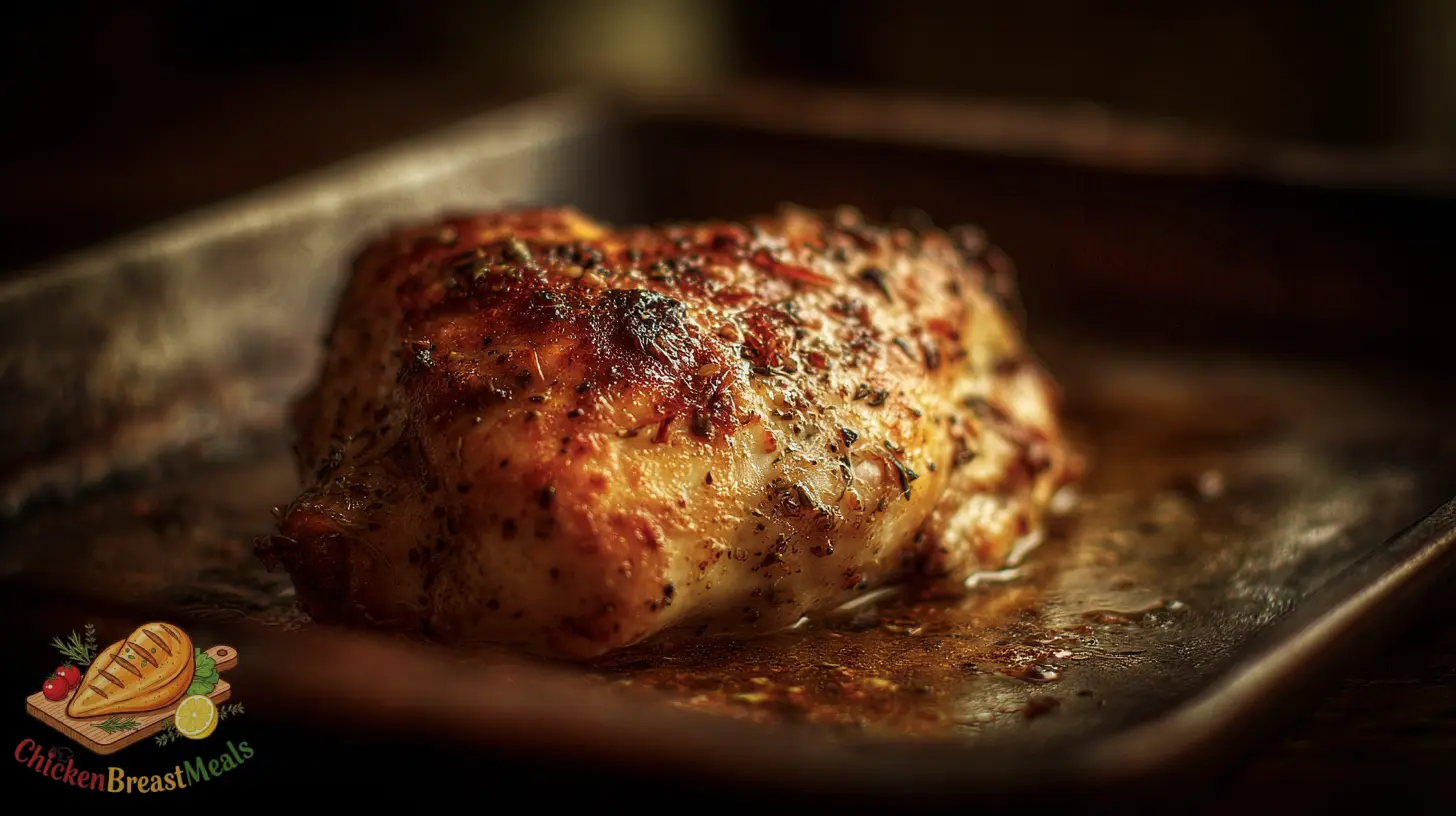
Oven baked bone in chicken breast represents the perfect balance of convenience and flavor, offering a more forgiving cooking process than its boneless counterpart. The bone acts as a natural heat conductor and moisture reservoir, making it significantly easier to achieve juicy, tender results even for less experienced cooks.
The challenge lies in proper temperature control and timing—bone-in cuts require longer cooking times but reward patience with superior flavor development and moisture retention. This technical guide addresses the precise methodology for consistently producing restaurant-quality bone-in chicken breasts with minimal equipment and effort.
Test-Kitchen Executive Summary
Bone-in chicken breasts optimally bake at 375°F (190°C) for 35-45 minutes to an internal temperature of 165°F (74°C) at the thickest part away from bone. The differential cooking properties of dark and white meat necessitate a dry brine (salt applied 1-24 hours before cooking) and proper temperature monitoring to prevent overcooking. This method leverages the bone’s thermal buffer properties to maintain moisture while developing flavor through Maillard reactions at the surface.
The Science of Success: Why This Recipe Works
Technical Foundations
The inclusion of the bone provides significant cooking advantages through three primary mechanisms. First, the bone serves as a thermal buffer, slowing heat transfer to the adjacent meat and creating a more gradual temperature gradient. Second, the bone contains collagen that converts to gelatin during cooking, enhancing juiciness. Third, the bone marrow contributes subtle flavor compounds that infuse into the meat during the cooking process.
Unlike boneless preparations that can quickly dry out, bone-in breasts offer more forgiveness for home cooks, as detailed in our comprehensive oven baked chicken breast guide, which examines the fundamental techniques applicable across different chicken breast variations. The bone-in method particularly benefits from dry brining, which seasons the meat throughout while improving moisture retention through altered protein structures.
Ingredients and Essential Tools
Main Components:
- 2-3 bone-in, skin-on chicken breasts (approximately 12-16 oz each)
- 1½ teaspoons kosher salt (Diamond Crystal) or 1 teaspoon table salt
- ½ teaspoon freshly ground black pepper
- 2 tablespoons olive oil or melted butter
- 2 cloves garlic, minced (optional)
- 1 teaspoon dried herbs (thyme, rosemary, oregano) or 1 tablespoon fresh
- ½ teaspoon paprika (sweet or smoked)
- ¼ teaspoon cayenne pepper (optional for heat)
- 1 lemon, cut into wedges for serving
Required Equipment:
- Rimmed baking sheet or roasting pan
- Wire cooling rack that fits inside baking sheet (for optimal air circulation)
- Instant-read meat thermometer (essential for precision)
- Paper towels
- Aluminum foil
- Pastry brush or spoon for oil application
Step-by-Step Instructions
- Prepare the chicken (1-24 hours ahead): Pat chicken breasts completely dry with paper towels. Apply salt evenly over all surfaces, including under the skin where possible. Place on a wire rack over a baking sheet and refrigerate uncovered for at least 1 hour, preferably overnight. This dry-brining process seasons the meat throughout while allowing surface moisture to evaporate, promoting better browning.
- Preheat the oven: Set oven to 375°F (190°C) with rack in middle position. Allow at least 20 minutes for proper preheating.
- Season the chicken: Remove chicken from refrigerator 30-45 minutes before cooking to take the chill off. Combine olive oil or melted butter with garlic, herbs, paprika, cayenne (if using), and black pepper. Brush this mixture over all surfaces of the chicken, ensuring even coverage.
- Prepare for baking: Place seasoned chicken breasts skin-side up on a wire rack set inside a rimmed baking sheet. The elevation promotes even air circulation.
- Bake the chicken: Place in preheated oven and bake for 35-45 minutes. Cooking time varies based on size – see timing table below.
- Temperature check: Begin checking internal temperature after 30 minutes by inserting thermometer into the thickest part of the breast, avoiding contact with bone. Target temperature is 165°F (74°C).
- Rest before serving: Once at temperature, remove from oven and tent loosely with aluminum foil. Rest for 5-10 minutes to allow juices to redistribute throughout the meat.
- Serve: Plate with lemon wedges and garnish as desired.
| Chicken Breast Size | Approximate Weight | Estimated Cooking Time |
|---|---|---|
| Small | 8-10 oz | 30-35 minutes |
| Medium | 10-13 oz | 35-40 minutes |
| Large | 14-16+ oz | 40-50 minutes |
Pro-Tips for Perfect Results
- Temperature gradient management: If chicken breasts are unevenly sized, place larger pieces toward the back of the oven where heat is typically more intense.
- Skin optimization: For exceptionally crispy skin, pat completely dry before applying oil and consider a 3-minute broil at the end of cooking (watch carefully to prevent burning).
- Carryover cooking consideration: Remove chicken when internal temperature reaches 160-162°F (71-72°C) as carryover cooking during rest will bring it to the safe 165°F (74°C).
- Volume-to-surface ratio awareness: Bone-in breasts have a lower surface-to-volume ratio than boneless, requiring lower cooking temperature for longer duration to prevent surface drying before interior is fully cooked.
- Flavor penetration enhancement: For deeper flavor, gently separate skin from meat without detaching completely and place herbs or compound butter directly against the meat under the skin.
- Temperature accuracy verification: Test temperature in multiple locations, staying away from bone which conducts heat differently and can give false readings.
- Moisture insurance policy: For extra protection against drying, brine larger breasts in a solution of 1/4 cup kosher salt dissolved in 4 cups water for 1-2 hours before dry-brining.
Storage and Reheating
Refrigeration Protocol:
Allow cooked chicken to cool completely before refrigerating. Store in airtight containers for up to 3-4 days. Separate chicken from any accumulated juices if storing longer than 24 hours to prevent the meat from becoming soggy.
Freezer Storage:
For extended preservation, wrap individual portions tightly in plastic wrap, then aluminum foil, and place in freezer bags with air removed. Label with date and contents. Properly stored bone-in chicken breasts will maintain quality for 2-3 months in the freezer.
Optimal Reheating Methods:
- Oven method (preferred): Preheat oven to 325°F (165°C). Place chicken in a baking dish with 2 tablespoons of chicken broth or water. Cover tightly with foil and heat for 15-20 minutes until internal temperature reaches 130-140°F (54-60°C).
- Microwave method (quick but compromised texture): Place chicken on a microwave-safe plate with a damp paper towel covering it. Heat on 70% power in 30-second intervals until warmed through.
- Sous vide reheating (superior moisture retention): If available, reheat sealed chicken at 140°F (60°C) for 45 minutes for perfect temperature and moisture control.
Related Recipes to Try
- Oven Baked Thin Chicken Breast – Master the technique for perfectly cooked thin-cut boneless breasts with adjusted timing and temperature.
- Juicy Oven Baked BBQ Chicken Breast – Apply similar bone-in techniques with the addition of barbecue sauce and specialized glazing methodology.
- Herb-Crusted Bone-In Chicken Breast – Elevate this basic recipe with a textured herb coating for enhanced flavor complexity.
- Citrus-Brined Bone-In Chicken Breast – Incorporate acid-based brining for tenderization and flavor development.
- Mediterranean Bone-In Chicken Breast – Adapt the core technique with olive oil, lemon, oregano, and garlic for a regional flavor profile.
FAQs About Oven Baked Bone In Chicken Breast
Why does bone-in chicken take longer to cook than boneless?
The bone acts as a heat sink, absorbing and redistributing thermal energy during cooking. This creates a thermal buffer that slows the heating process for meat immediately surrounding the bone. Additionally, bone-in cuts typically have more mass and different fat distribution patterns that affect cooking dynamics.
Is it better to bake chicken at 350°F or 375°F?
375°F (190°C) provides the optimal balance for bone-in chicken breasts. At 350°F, cooking times extend significantly, risking moisture loss, while temperatures above 400°F may cause the exterior to overcook before the interior reaches safe temperature, especially near the bone junction.
Should I cover bone-in chicken breast when baking?
For standard roasting, leave the chicken uncovered to promote browning and skin crisping. However, if you notice excessive browning before the internal temperature reaches 165°F, loosely tent with foil to prevent surface burning while allowing continued cooking.
How can I ensure the chicken stays juicy?
The most critical factors are: 1) proper dry-brining (salting in advance), 2) accurate temperature monitoring, 3) avoiding overcooking by removing at 160-162°F to account for carryover cooking, and 4) allowing adequate rest time (5-10 minutes) for juice redistribution.
What’s the best way to check doneness without a thermometer?
While a thermometer is strongly recommended for precision, lacking one, make a small cut near the bone in the thickest part of the breast. The meat should be opaque white with no pink coloration, and juices should run clear. Be aware this method sacrifices some juiciness and accuracy.
Can I use this method for frozen bone-in chicken breasts?
It’s not recommended to bake chicken directly from frozen, as this creates uneven cooking and potential food safety issues, particularly with bone-in cuts. For best results, thaw completely before applying the dry-brining and cooking process.
Conclusion
Mastering oven baked bone in chicken breast represents a fundamental cooking skill that balances technical precision with forgiving methodology. The bone’s natural properties create a moisture buffer while contributing flavor compounds that simply cannot be replicated in boneless preparations. The key technical elements—proper dry brining, temperature control, and adequate rest—collectively ensure consistent success.
The differential cooking rates between meat adjacent to bone versus outer portions demand attention to temperature gradients, but also provide natural protection against overcooking that makes bone-in preparations particularly valuable for home cooks. By understanding the thermodynamics involved and following this tested protocol, you can produce restaurant-quality results with minimal specialized equipment.
As with all precision cooking, the investment in a quality instant-read thermometer remains the single most important factor in consistently achieving the ideal balance between food safety and optimal texture. With this technical foundation established, you can confidently explore flavor variations while maintaining the core methodology that ensures success.
Oven Baked Bone In Chicken Breast

Ingredients
- 2-3 bone-in, skin-on chicken breasts approximately 12-16 oz each
- 1.5 teaspoons kosher salt or 1 teaspoon table salt
- 0.5 teaspoon freshly ground black pepper
- 2 tablespoons olive oil or melted butter
- 2 cloves garlic minced (optional)
- 1 teaspoon dried herbs thyme, rosemary, oregano or 1 tablespoon fresh
- 0.5 teaspoon paprika sweet or smoked
- 0.25 teaspoon cayenne pepper optional for heat
- 1 lemon cut into wedges for serving
Method
- Pat chicken breasts completely dry with paper towels. Apply salt evenly over all surfaces, including under the skin where possible. Place on a wire rack over a baking sheet and refrigerate uncovered for at least 1 hour, preferably overnight.
- Set oven to 375°F (190°C) with rack in middle position. Allow at least 20 minutes for proper preheating.
- Remove chicken from refrigerator 30-45 minutes before cooking to take the chill off. Combine olive oil or melted butter with garlic, herbs, paprika, cayenne (if using), and black pepper. Brush this mixture over all surfaces of the chicken, ensuring even coverage.
- Place seasoned chicken breasts skin-side up on a wire rack set inside a rimmed baking sheet. The elevation promotes even air circulation.
- Place in preheated oven and bake for 35-45 minutes. Cooking time varies based on size – small (8-10 oz) 30-35 minutes, medium (10-13 oz) 35-40 minutes, large (14-16+ oz) 40-50 minutes.
- Begin checking internal temperature after 30 minutes by inserting thermometer into the thickest part of the breast, avoiding contact with bone. Target temperature is 165°F (74°C).
- Once at temperature, remove from oven and tent loosely with aluminum foil. Rest for 5-10 minutes to allow juices to redistribute throughout the meat.
- Plate with lemon wedges and garnish as desired.
Note
- For exceptionally crispy skin, pat completely dry before applying oil and consider a 3-minute broil at the end of cooking.
- Remove chicken when internal temperature reaches 160-162°F as carryover cooking during rest will bring it to the safe 165°F.
- For deeper flavor, place herbs or compound butter directly under the skin.
- Test temperature in multiple locations, staying away from bone which can give false readings.
- For extra protection against drying, brine larger breasts in a solution of 1/4 cup kosher salt dissolved in 4 cups water for 1-2 hours before dry-brining.