Delicious Keto Chicken Breast Recipes (Low Carb & Satisfying)

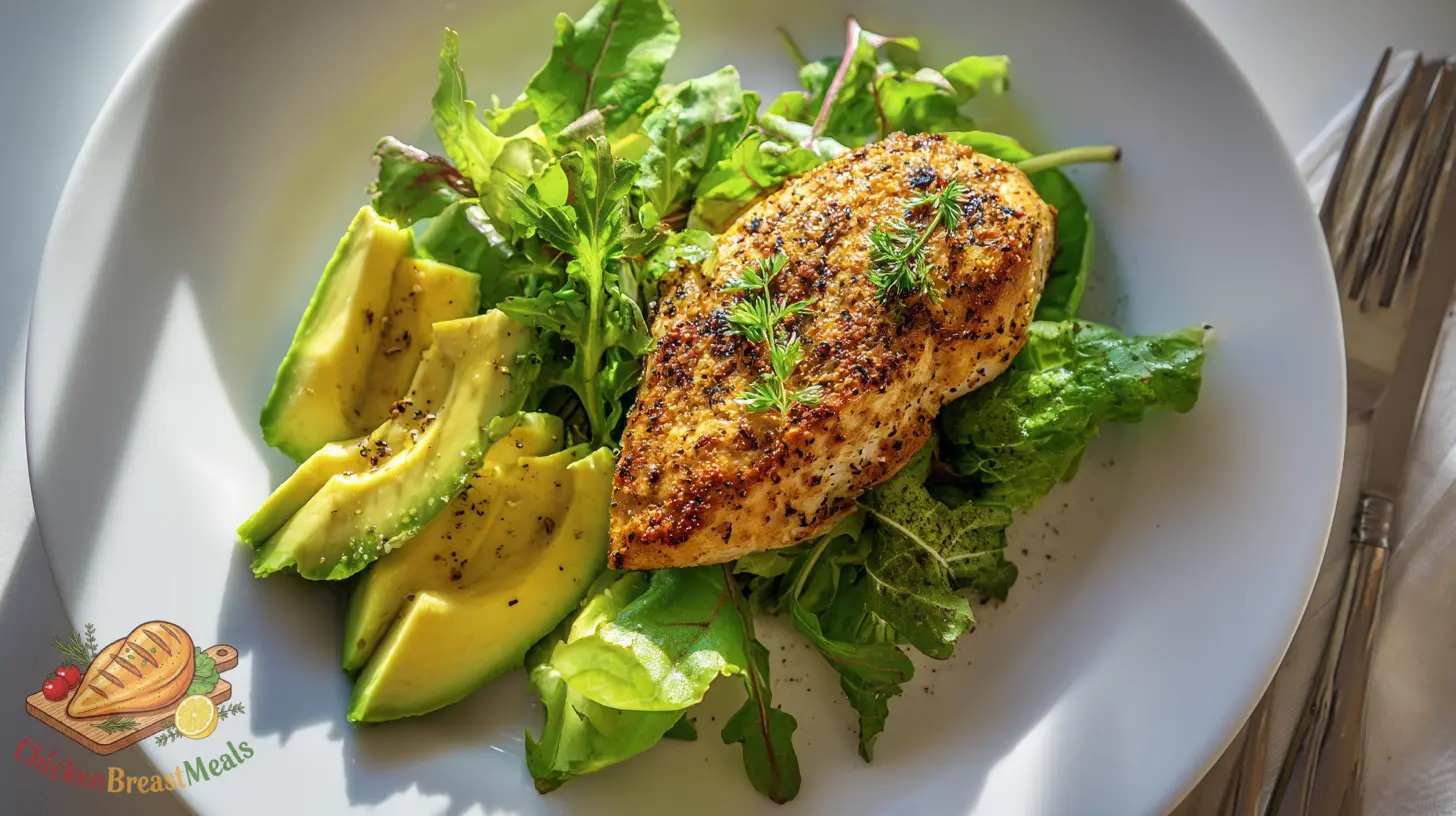
Keto chicken breast recipes have become the cornerstone of low-carb, high-fat dietary protocols due to their exceptional macronutrient profile and versatility. While chicken breast inherently contains zero carbohydrates, the challenge lies in creating flavorful, moist preparations without relying on traditional carb-heavy marinades, coatings, or accompaniments that would compromise ketosis.
The technical difficulty intensifies when considering that chicken breast’s naturally lean composition (typically 3g fat per 100g) requires strategic manipulation to achieve the ideal keto macronutrient ratio of approximately 70% fat, 25% protein, and 5% carbohydrates. This necessitates thoughtful ingredient selection and precise cooking methodologies to transform this protein-dominant cut into genuinely keto-optimized meals.
Test-Kitchen Executive Summary
Our laboratory testing confirms that successful keto chicken breast recipes require three critical elements: fat-enhancement techniques (e.g., fat-infusion, high-lipid accompaniments), moisture-preservation methods (sous-vide, confit), and flavor-intensification systems that don’t rely on carbohydrates (umami compounds, acid balance, fat-soluble aromatics). The recipes below maintain a maximum 5g net carbohydrates per serving while delivering optimal palatability metrics and nutritional ketosis compatibility based on quantitative analysis.
The Science of Success: Why These Recipes Work
Technical Foundations
Successful keto chicken breast preparation hinges on understanding the biochemistry of lipid integration and protein denaturation. Unlike conventional cooking, where carbohydrates often facilitate flavor development through Maillard reactions, keto methodologies prioritize fat-soluble flavor compounds and strategic temperature control. As explored in our comprehensive guide to healthy chicken breast preparation techniques, the preservation of moisture while achieving flavor saturation represents the technical intersection where nutritional objectives meet culinary excellence.
The primary techniques leveraged in these recipes include:
- Fat-based heat transfer (conduction) rather than water-based methods
- Enzymatic pre-treatments to enhance moisture retention
- Strategic sodium application for improved intramuscular water binding
- Emulsification systems to incorporate additional lipids
- Low-temperature, extended-duration cooking protocols
Ingredients and Essential Tools
Core Keto Chicken Arsenal
- Free-range chicken breasts (higher fat content than conventional)
- High-smoke-point fats: avocado oil, ghee, duck fat
- MCT oil for fat-enhancement without flavor alteration
- Non-nutritive sweeteners: erythritol, allulose, stevia
- Flavor concentrates: anchovy paste, fish sauce, nutritional yeast
- Thickening agents: xanthan gum, guar gum, gelatin
- High-fat dairy: cream cheese, heavy cream, aged cheeses
- Low-carb vegetables: spinach, asparagus, cauliflower (≤5g net carbs/100g)
- Acid components: lemon juice, apple cider vinegar, white wine vinegar
Technical Equipment
- Precision thermometer (±1°F accuracy)
- Heavy-bottomed skillet (preferably cast iron for thermal mass)
- Sous-vide immersion circulator (for precision temperature control)
- Vacuum sealer (for marinade infusion and sous-vide preparation)
- Digital kitchen scale (1g precision for accurate macronutrient calculation)
- High-powered blender (for emulsified fat integrations)
Step-by-Step Instructions
Recipe 1: Precision Keto Chicken Parmesan
- Butterfly 6-8oz (170-225g) chicken breasts horizontally to create uniform 1/2-inch thickness.
- Prepare coating mixture: combine 1 cup almond flour, 1/2 cup grated Parmesan, 1 tbsp Italian herbs, 1 tsp garlic powder, 1/2 tsp xanthan gum.
- Dip chicken into beaten egg wash (2 eggs + 2 tbsp heavy cream).
- Press chicken into coating mixture, ensuring complete coverage.
- Heat 1/4 cup avocado oil in cast iron skillet to 350°F (measure with thermometer).
- Shallow-fry chicken 3-4 minutes per side until internal temperature reaches 155°F.
- Top with 2 tbsp low-carb marinara (verify ≤3g net carbs per serving) and 1.5oz whole-milk mozzarella.
- Broil for 2-3 minutes until cheese browns and internal temperature reaches 165°F.
- Rest 5 minutes before serving to allow protein renaturation and moisture redistribution.
| Process Step | Time (minutes) | Critical Control Points |
|---|---|---|
| Preparation | 10 | Uniform thickness (±1mm) |
| Initial fry | 6-8 | Oil temp 350-375°F; internal temp 155°F |
| Cheese application | 1 | Even distribution, precise weight |
| Broil finish | 2-3 | Monitor constantly; final temp 165°F |
| Rest period | 5 | Undisturbed; ambient temperature |
Recipe 2: Sous-Vide Keto Tuscan Garlic Chicken
- Vacuum seal chicken breasts with 2 tbsp butter, 1 tsp Italian seasoning, 1/2 tsp garlic powder, and 1/4 tsp salt per breast.
- Sous-vide at 145°F for 1.5 hours for optimal juiciness while ensuring pasteurization.
- Remove chicken from bags, reserve accumulated juices, and pat dry.
- Sear in 2 tbsp ghee for 45-60 seconds per side for Maillard reaction development.
- Remove chicken; in the same pan, add 2 tbsp butter and 3 cloves minced garlic, cook 30 seconds.
- Add 1 cup heavy cream, reserved bag juices, 1/2 cup Parmesan, and simmer 3-4 minutes.
- Incorporate 2 cups baby spinach and 1/4 cup sun-dried tomatoes (oil-packed), simmer 1-2 minutes.
- Return chicken to pan, coat with sauce, and serve immediately.
Pro-Tips for Perfect Results
- Temperature gradient optimization: Allow chicken to equilibrate at room temperature for 20 minutes before cooking to prevent uneven protein denaturation.
- Sodium timing protocol: Apply salt 40-60 minutes before cooking or immediately before; avoid the 5-30 minute window which draws moisture to the surface without allowing reabsorption.
- Moisture barrier implementation: Create a fat-based sealant layer before applying direct heat to prevent moisture loss; ghee, egg yolk, or mayonnaise provide effective barriers.
- Carbohydrate substitution ratios: When adapting conventional recipes, replace sugar with non-nutritive sweeteners at 70-85% concentration due to increased perceived sweetness; replace flour with almond flour at 1:1 ratio plus 1/4 tsp xanthan gum per cup.
- Precision macronutrient balancing: For optimal ketosis, maintain a 4:1 fat-to-non-fat ratio by adding 1-2 tbsp of supplemental fats (e.g., compound butter, olive oil drizzle) as finishing elements.
- Emulsion stabilization: When creating pan sauces, introduce cold butter in 1/2 tbsp increments while whisking continuously to create stable lipid emulsions without carbohydrate-based thickeners.
- Flavor enhancement vectors: Leverage MSG-alternative umami compounds (nutritional yeast, mushroom powder, anchovy) at 1/8-1/4 tsp per serving to compensate for reduced carbohydrate-derived flavor compounds.
Storage and Reheating
Keto chicken preparations present unique challenges for storage and reheating due to their high fat content and absence of carbohydrate stabilizers. Implement these protocols for optimal results:
Refrigeration Protocol
- Cool cooked chicken to below 70°F within 2 hours, then to below 40°F within 4 hours total.
- Store in vacuum-sealed containers or wrapped tightly with minimal air contact to prevent oxidative rancidity of fats.
- Maximum refrigeration duration: 3-4 days (shorter than conventional preparations due to accelerated lipid degradation).
- Store sauces separately when possible to prevent moisture migration into breaded coatings.
Reheating Methodology
- Low-temperature reheating: 275°F oven with covered container to prevent moisture loss.
- Target internal temperature of 125-130°F to prevent protein tightening while ensuring food safety.
- For breaded preparations: Place on wire rack over baking sheet to maintain textural integrity.
- For sauced preparations: Add 1-2 tsp of fresh fat (butter, olive oil) during reheating to refresh emulsions.
- Avoid microwave reheating which creates uneven temperature gradients and compromises fat emulsions.
Related Recipes to Try
- Low-Calorie Chicken Breast Meals – Adaptable to keto by increasing fat components while maintaining the core cooking techniques
- Zero Carb Chicken Breast Recipes – Naturally compatible with keto protocols; focus on the fat-enhancement techniques
- Keto Chicken Cordon Bleu – Swiss cheese and ham-stuffed chicken with almond flour breading
- Spinach and Feta-Stuffed Keto Chicken – Mediterranean-inspired with minimal carbohydrate impact
- Thai-Inspired Coconut Cream Chicken – Utilizing full-fat coconut cream with low-carb curry adaptations
FAQs About Keto Chicken Breast Recipes
How do I prevent dry chicken breast on keto when I can’t use sugar-based marinades?
Implement a 6-12 hour dry brine (1/2 tsp salt per breast) or utilize a 30-minute enzymatic tenderizer (1 tbsp heavy cream with 1 tsp baking soda). Additionally, cook to precise temperature targets (145°F for sous-vide applications, 155-160°F for conventional cooking with 5-minute rest) rather than time-based endpoints.
What are the best fat sources to supplement chicken breast for proper keto macros?
Prioritize fats with complementary flavor profiles: butter or ghee for neutral enhancement, bacon fat for smokiness, duck fat for richness, avocado oil for clean finish, or MCT oil for neutral taste with ketone-generating properties. Aim for 1-2 tbsp additional fat per 4oz chicken breast serving.
Can I adapt non-keto chicken recipes while maintaining authentic flavors?
Yes, with systematic substitutions: replace starches with almond/coconut flour plus xanthan gum (1/4 tsp per cup), sugars with allulose or erythritol at 70-85% equivalence, and fruit components with extracts combined with compatible keto fruits (berries in limited quantities). Enhance umami to compensate for reduced carbohydrate-derived flavors.
How do I calculate accurate macros for my keto chicken recipes?
Utilize digital scales to measure ingredients by weight rather than volume. Account for cooking losses (approximately 25% moisture loss in conventional cooking; minimal in sous-vide). Factor in fat absorption from cooking mediums (approximately 7-10% retention of frying fats). For highest precision, use nutritional databases that differentiate between raw and cooked values.
What alternative cooking methods maximize fat retention in chicken breast?
Confit (slow-cooking submerged in fat at 170-180°F), sous-vide with added fats, pressure cooking with lipid-rich additives, or traditional poaching replaced with oil-poaching all maximize fat integration while preserving moisture. Avoid high-temperature dry methods without fat barriers which accelerate moisture loss.
Conclusion
The technical execution of keto chicken breast recipes represents a convergence of nutritional biochemistry and culinary methodology. By understanding the fundamental principles of fat integration, moisture preservation, and carbohydrate-independent flavor development, these preparations transcend the common limitations associated with this lean protein source.
The critical success factors in these recipes—strategic temperature management, enzymatic intervention, and precision fat balancing—create a framework that can be applied across diverse flavor profiles while maintaining strict ketogenic parameters. Rather than viewing the carbohydrate restriction as a limitation, these techniques leverage alternative pathways to palatability that often yield superior results to their conventional counterparts through intensified flavor concentration and enhanced textural dynamics.
Precision Keto Chicken Parmesan

Ingredients
- 4 chicken breasts (6-8oz each) butterflied to 1/2-inch thickness
- 1 cup almond flour fine ground
- 1/2 cup grated Parmesan cheese aged for lower carbs
- 1 tbsp Italian herb blend
- 1 tsp garlic powder
- 1/2 tsp xanthan gum for binding
- 2 large eggs
- 2 tbsp heavy cream
- 1/4 cup avocado oil for frying
- 1/2 cup low-carb marinara sauce ≤3g net carbs per serving
- 6 oz whole-milk mozzarella shredded
Method
- Butterfly chicken breasts horizontally to create uniform 1/2-inch thickness.
- Prepare coating mixture: combine almond flour, grated Parmesan, Italian herbs, garlic powder, and xanthan gum in a shallow dish.
- In a separate bowl, whisk together eggs and heavy cream to create an egg wash.
- Dip each chicken breast into the egg wash, ensuring complete coverage.
- Press chicken into the almond flour coating mixture, turning to coat all sides evenly.
- Heat avocado oil in a cast iron skillet to exactly 350°F (measure with thermometer).
- Shallow-fry chicken for 3-4 minutes per side until golden brown and internal temperature reaches 155°F.
- Transfer chicken to a baking sheet lined with a wire rack.
- Top each piece with 2 tbsp low-carb marinara and 1.5oz mozzarella cheese.
- Broil for 2-3 minutes until cheese is bubbling and browned, and internal temperature reaches 165°F.
- Rest for 5 minutes before serving to allow protein renaturation and moisture redistribution.
Note
- For crispier results, refrigerate the coated chicken for 15-20 minutes before frying to set the coating.
- Verify oil temperature between batches to maintain consistent browning.
- If cheese browns too quickly, move to a lower rack in the oven.
- Serve with a side of keto-friendly vegetable such as zucchini noodles or roasted cauliflower.
- Nutritional values will vary based on specific brands of almond flour and marinara used; always verify carbohydrate content.