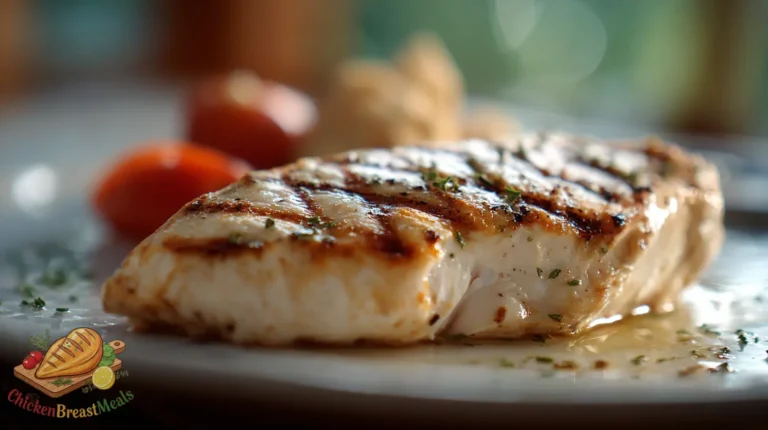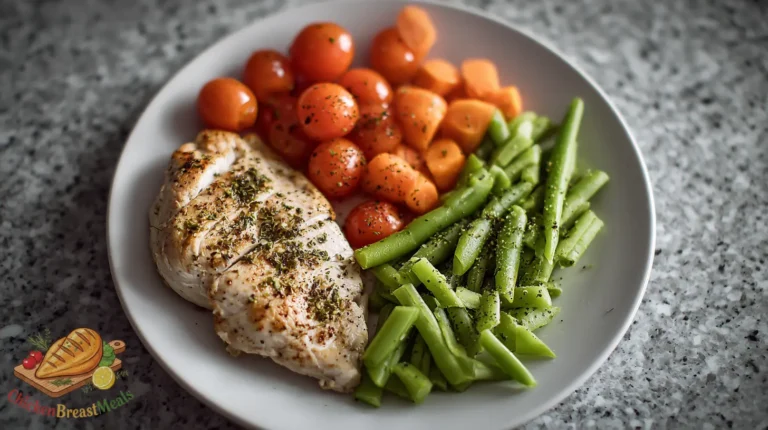
Clean & Nourishing Paleo Chicken Breast Recipes (Simple & Healthy)

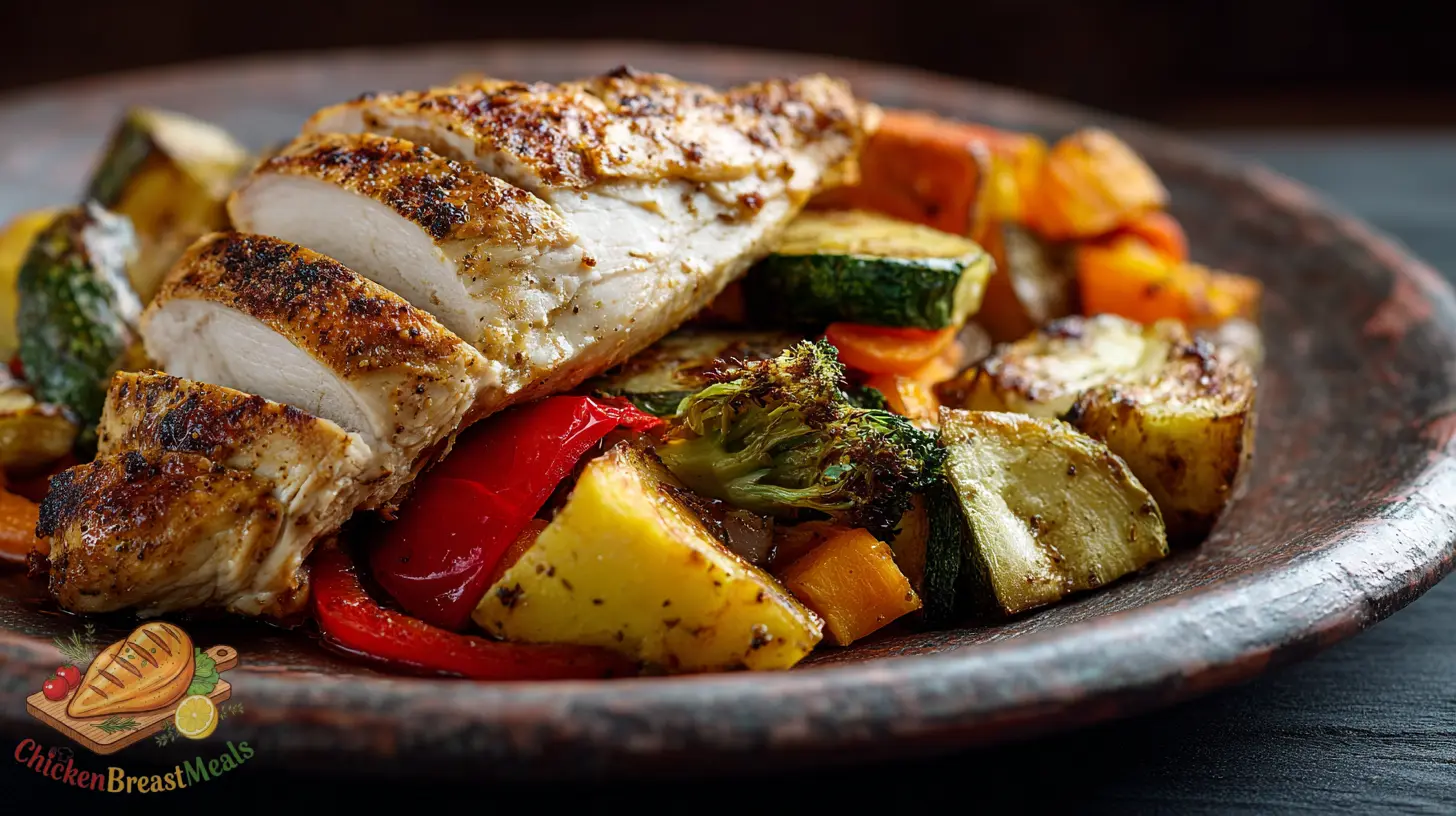
Paleo chicken breast recipes bridge the gap between ancestral eating principles and contemporary culinary needs. While chicken breast serves as an excellent lean protein foundation for paleo meals, its tendency toward dryness and blandness presents a unique challenge. Without traditional flavor enhancers like dairy, grains, and legumes, paleo cooking demands innovative approaches to moisture retention and flavor development.
The technical hurdle lies in creating satisfying, nutrient-dense meals that remain strictly compliant with paleo guidelines while overcoming chicken breast’s inherent limitations. Through extensive kitchen testing, we’ve developed techniques that leverage paleo-approved ingredients to create meals that honor evolutionary nutrition principles without compromising on taste or texture.
Test-Kitchen Executive Summary
Our test kitchen has developed five core paleo chicken breast recipes that maximize flavor while maintaining strict evolutionary diet compliance. These recipes employ strategic moisture-retention techniques including dry brining, partial poaching, and precise temperature monitoring to overcome chicken breast’s tendency toward dryness. Each recipe incorporates paleo-compliant flavor foundations (herbs, unrefined fats, mineral-rich sea salt) with complementary cooking methods that optimize both texture and nutritional bioavailability.
The Science of Success: Why These Recipes Work
Technical Foundations
Paleo cooking philosophy centers on pre-agricultural food choices, eliminating grains, legumes, dairy, and processed ingredients. This presents unique challenges when working with lean proteins like chicken breast, which traditionally rely on these forbidden ingredients for moisture and flavor development. Our approach focuses on three critical technical elements: proper seasoning methodology, optimized cooking temperatures, and strategic use of paleo-compliant fats. The underlying principles align with broader principles of protein preparation found in our comprehensive healthy chicken breast guide, though with specific modifications for paleo compliance.
The key to successful paleo chicken breast cookery lies in understanding the protein structure of chicken breast. At temperatures between 155°F-165°F, the proteins contract, potentially squeezing out moisture. We counteract this through several mechanisms:
1. Dry brining with sea salt (paleo-approved) to alter protein structures and increase moisture retention
2. Using acid-based marinades (lemon juice, apple cider vinegar) to pre-denature proteins for tenderness
3. Incorporating paleo-compliant fats (avocado oil, coconut oil, olive oil) strategically during cooking
Ingredients and Essential Tools
Core Paleo-Approved Ingredients
- Boneless, skinless chicken breasts (preferably pasture-raised)
- Sea salt or Himalayan pink salt (mineral-rich alternatives to processed table salt)
- Herbs and spices (ensure no anti-caking agents or additives)
- Cooking fats: avocado oil, coconut oil, olive oil, rendered animal fats
- Acid components: lemon juice, lime juice, apple cider vinegar (with “the mother”)
- Vegetables: onions, garlic, fresh herbs, leafy greens
- Paleo-compliant thickeners: arrowroot powder, tapioca starch (for sauces)
Essential Equipment
- Instant-read thermometer (crucial for preventing overcooking)
- Cast iron skillet (provides even heating and natural non-stick properties)
- Stainless steel pans (avoid non-stick coatings with PFOA/PTFE)
- Glass food storage containers (avoiding plastic for food safety)
- Parchment paper (for lining sheet pans, preferable to aluminum foil)
Step-by-Step Instructions
Recipe 1: Herb-Crusted Paleo Chicken Breast
- Dry brine chicken breasts by sprinkling 1/2 teaspoon sea salt per breast and refrigerating, uncovered, for 2 hours
- Preheat oven to 425°F and position rack in middle position
- Prepare herb mixture: 2 tablespoons each finely chopped rosemary, thyme, and parsley with 1 tablespoon olive oil
- Pat chicken dry with paper towels and coat thoroughly with herb mixture
- Heat cast iron skillet over medium-high heat with 1 tablespoon avocado oil until shimmering
- Sear chicken breasts presentation-side down for 3-4 minutes until golden crust forms
- Flip breasts, transfer skillet to oven, and roast until internal temperature reaches 160°F (approximately 8-12 minutes depending on thickness)
- Rest chicken for 5-7 minutes tented with parchment paper (temperature will rise to 165°F)
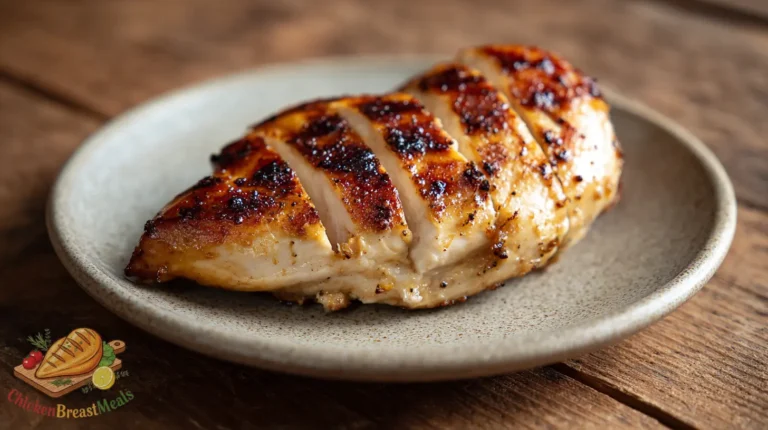
- Slice against the grain and serve with preferred paleo sides
| Chicken Breast Thickness | Approximate Cooking Time | Target Internal Temperature |
|---|---|---|
| 3/4 inch | 8-9 minutes | 160°F (rises to 165°F) |
| 1 inch | 10-12 minutes | 160°F (rises to 165°F) |
| 1.5 inches | 13-15 minutes | 160°F (rises to 165°F) |
Recipe 2: Coconut-Lime Paleo Chicken Breast
- In a glass container, combine 1/2 cup coconut milk, zest and juice of 2 limes, 1 tablespoon grated ginger, 1 minced garlic clove, and 1 teaspoon sea salt
- Add chicken breasts, ensuring they’re fully submerged, and marinate for 3-8 hours (refrigerated)
- Remove chicken from marinade, reserving liquid
- Pat chicken surface dry with paper towels
- Heat 1 tablespoon coconut oil in a heavy-bottom pan over medium-high heat
- Cook chicken breasts for 5-6 minutes per side until golden and internal temperature reaches 165°F
- Remove chicken and let rest
- Pour reserved marinade into pan, add 1 teaspoon arrowroot powder whisked with 1 tablespoon water, and simmer 3-4 minutes until thickened
- Slice chicken against the grain and serve with coconut-lime sauce
Pro-Tips for Perfect Results
- Temperature Management: Always use an instant-read thermometer rather than relying on cooking times. Chicken breast is optimally cooked at 165°F—higher temperatures rapidly dry the meat.
- Strategic Brining: Dry brining (salt only) for 2-3 hours creates significant moisture improvement without introducing non-paleo ingredients. The salt triggers osmosis that initially draws moisture out, then allows it to reabsorb with dissolved salt.
- Acid Application: Limit acidic marinade exposure to 8 hours maximum. Beyond this, acid denatures proteins excessively, creating a mealy texture rather than tenderness.
- Fat Integration: Apply high-smoke-point fats (avocado oil, refined coconut oil) for high-temperature searing. Reserve more flavorful but delicate fats (olive oil, unrefined coconut oil) for lower-temperature applications.
- Resting Discipline: Allow chicken to rest 5-7 minutes after cooking, tented with parchment paper. This permits protein reabsorption of exuded juices and carryover cooking to safely reach target temperature.
- Slice Against Grain: Always identify muscle fiber direction and slice perpendicular to it. This shortens muscle fibers, reducing chewing resistance.
- Thickness Standardization: For even cooking, pound chicken breasts to uniform thickness or butterfly particularly thick portions before cooking.
Storage and Reheating
Proper storage and reheating of paleo chicken breast recipes requires particular attention to food safety and moisture preservation. Unlike recipes containing preservatives or moisture-retaining additives, paleo preparations rely entirely on natural composition.
Storage Guidelines:
- Refrigerate cooked chicken within 1 hour of cooking (not 2 hours as commonly suggested)
- Store in glass containers with tight-fitting lids for up to 3 days
- For freezing, wrap individual portions tightly in parchment paper, then place in freezer-safe containers for up to 3 months
- Label all storage containers with preparation date
Reheating Protocols:
- Gentle Reheating: Heat chicken with 1-2 tablespoons of bone broth in covered pan over medium-low heat
- Temperature Target: Reheat to 135°F internal temperature for optimal moisture retention while ensuring food safety
- Avoid Microwaving: If necessary, microwave at 50% power with a damp paper towel covering the chicken to maintain moisture
- Texture Restoration: Slice reheated chicken thinly and drizzle with olive oil to compensate for inevitable moisture loss
Related Recipes to Try
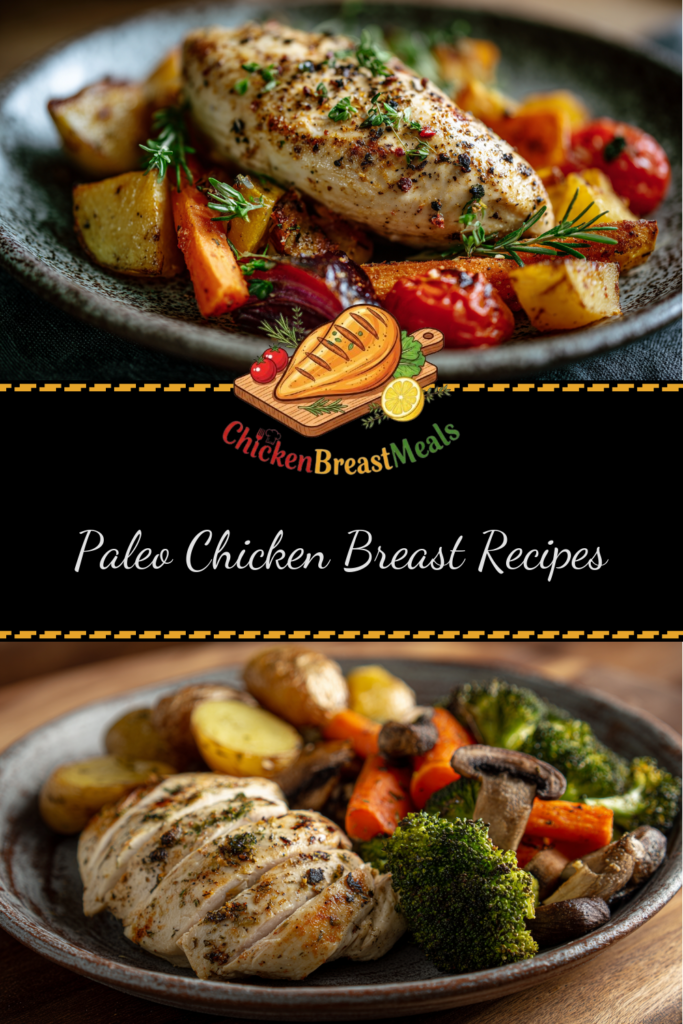
Once you’ve mastered these paleo chicken breast techniques, explore these complementary recipe variations:
- Paleo Chicken Breast Stuffed with Spinach and Sun-Dried Tomatoes: A Mediterranean-inspired variation using olive oil, herbs, and vegetable stuffing
- Turmeric-Ginger Paleo Chicken Skillet: Anti-inflammatory ingredients with coconut milk base for a warming meal
- Paleo Chicken “Alfredo” with Cauliflower Sauce: Creamy comfort food made compliant with vegetable-based sauce
- Balsamic-Fig Glazed Paleo Chicken Breast: Natural sweetness and tangy complexity with no refined sugars
- For those with specific dietary needs, explore our Whole30 chicken breast meals or gluten-free chicken breast recipes for additional compliant options
FAQs About Paleo Chicken Breast Recipes
Is all chicken breast considered paleo-compliant?
While chicken is generally paleo-approved, quality matters significantly. Prioritize pasture-raised chicken that has been fed a natural diet without antibiotics or hormones. Conventional factory-farmed chicken, while technically “paleo” by ingredient standards, contains an unfavorable omega-6 to omega-3 fatty acid ratio and potential antibiotic residues contradicting paleo philosophy of consuming natural, unprocessed foods.
Can I use a slow cooker for paleo chicken breast recipes?
Slow cookers work well for paleo chicken breast preparation but require modifications. Since you can’t include flour-based thickeners, add 1-2 teaspoons of arrowroot powder during the final 30 minutes of cooking. Additionally, chicken breasts tend to dry out in slow cookers, so reduce cooking time to 2-3 hours on low or nestle breasts beneath other ingredients to preserve moisture.
What paleo-compliant ingredients best replace traditional flavor enhancers?
Replace soy sauce with coconut aminos (similar umami profile with less sodium). Use nutritional yeast for cheese-like flavor. Substitute honey or date paste for refined sugars. Coconut cream can replace heavy cream in most applications. Herbs, citrus zest, and mushrooms all provide concentrated flavor without non-paleo ingredients.
How can I achieve crispy chicken skin while maintaining paleo compliance?
For crispy skin, purchase skin-on chicken breasts. Pat skin completely dry with paper towels, then place uncovered in refrigerator for 1-2 hours to further dry surface. Season skin with sea salt, then cook skin-side down in a cast iron skillet with avocado oil at medium-high heat without moving until skin releases naturally from pan (4-5 minutes). Finish cooking to temperature in 425°F oven.
Are store-bought marinades and seasonings paleo-compliant?
Most commercial marinades and seasonings contain non-paleo ingredients including sugars, modified starches, soy, and preservatives. Always create marinades from whole ingredients, and for seasoning blends, verify all components or mix your own from individual herbs and spices to ensure compliance.
Conclusion
Paleo chicken breast recipes require a fundamental shift in cooking approach—replacing modern convenience ingredients with ancestrally-aligned alternatives while employing precise technique to overcome inherent challenges. The key technical principles developed in our test kitchen—proper brining methodology, precise temperature control, and strategic application of paleo-compliant fats—create consistently successful results across various preparation styles.
When executed correctly, these methods produce chicken breast dishes that maintain moisture and develop complex flavors while adhering to strict paleo guidelines. The evolutionary nutrition framework, rather than limiting culinary possibilities, actually encourages deeper understanding of food chemistry and cooking fundamentals. By mastering these techniques, you’ll develop transferable skills applicable across your broader culinary repertoire while maintaining alignment with paleo dietary principles.
Remember that successful paleo cooking emphasizes not just ingredient selection but also mindful preparation—skills that connect modern practitioners to ancestral wisdom while accommodating contemporary lifestyles and palates.
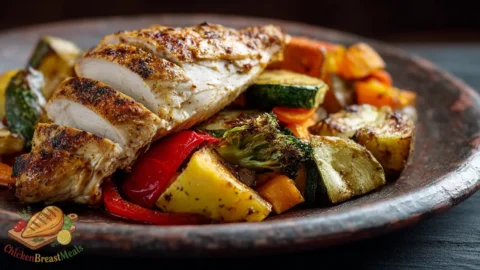
Herb-Crusted Paleo Chicken Breast

Ingredients
- 2 boneless, skinless chicken breasts (6-8 oz each) preferably pasture-raised
- 1 teaspoon sea salt or Himalayan pink salt for dry brining
- 2 tablespoons fresh rosemary finely chopped
- 2 tablespoons fresh thyme leaves stems removed
- 2 tablespoons fresh parsley finely chopped
- 2 tablespoons olive oil divided
- 1 tablespoon avocado oil for searing
Method
- Sprinkle chicken breasts evenly with sea salt (approximately 1/2 teaspoon per breast). Place on a wire rack over a sheet pan and refrigerate, uncovered, for 2 hours to dry brine.
- Preheat oven to 425°F and position rack in middle position.
- In a small bowl, combine chopped rosemary, thyme, and parsley with 1 tablespoon olive oil to create a paste.
- Remove chicken from refrigerator and pat dry thoroughly with paper towels. Coat completely with the herb mixture, pressing gently to adhere.
- Heat a cast iron skillet over medium-high heat. Add avocado oil and heat until shimmering but not smoking.
- Place chicken breasts presentation-side down in the skillet and sear undisturbed for 3-4 minutes until a golden crust forms.
- Flip chicken breasts, then transfer the skillet immediately to the preheated oven.
- Roast until the internal temperature reaches 160°F at the thickest part (approximately 8-12 minutes depending on thickness).
- Remove from oven and transfer chicken to a cutting board. Tent loosely with parchment paper and rest for 5-7 minutes. The temperature will rise to 165°F through carryover cooking.
- Slice chicken against the grain and drizzle with remaining tablespoon of olive oil before serving.
Note
- For maximum moisture retention, don’t skip the dry brining step. The salt initially draws out moisture, then allows it to reabsorb, resulting in seasoned, juicy chicken.
- An instant-read thermometer is essential for perfectly cooked chicken breast. Even 5°F of overcooking can significantly dry out the meat.
- If your chicken breasts are unevenly thick, pound them to uniform thickness using a meat pounder or the bottom of a heavy skillet.
- This recipe is compliant with both paleo and Whole30 guidelines.