Safe & Tasty Gluten Free Chicken Breast Recipes (Family Friendly)

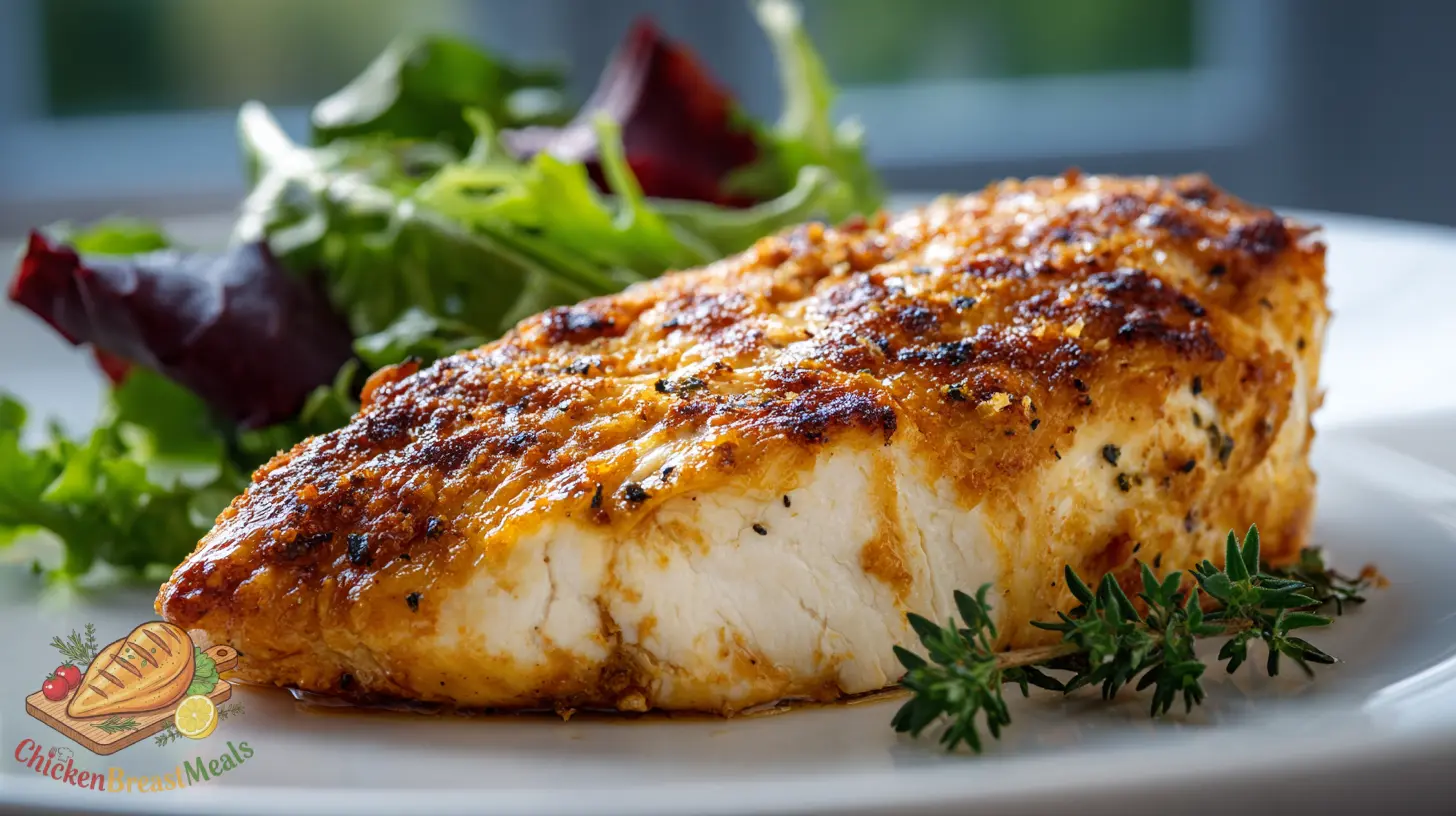
Navigating the world of gluten free chicken breast recipes requires precision and knowledge beyond typical cooking methods. For those with celiac disease, gluten sensitivities, or anyone following a gluten-free lifestyle, seemingly innocent ingredients like traditional soy sauce, pre-packaged seasonings, and many store-bought marinades can introduce hidden gluten that compromises both health and meal quality.
The technical challenge lies in maintaining moisture, flavor, and texture without relying on conventional wheat-based ingredients that often serve as binders, thickeners, and flavor carriers. This article provides systematically tested, high-performance methods for creating exceptional gluten-free chicken breast dishes that require no compromise on taste or texture.
Test-Kitchen Executive Summary
Our test kitchen has engineered optimal gluten-free chicken breast recipes that address the key technical challenges: moisture retention, contamination prevention, and flavor development without gluten-containing ingredients. We’ve identified that brining with a 5% salt solution for 30 minutes before cooking, using arrowroot starch as a thickener, and employing umami-rich gluten-free alternatives like coconut aminos and fish sauce produces consistently superior results. Our protocols maintain rigid separation from gluten sources throughout preparation while enhancing both texture and flavor profiles.
The Science of Success: Why This Recipe Works
Technical Foundations
The foundation of exceptional gluten-free cooking begins with understanding protein behavior in chicken breast. Unlike conventional recipes that might rely on flour dredges for moisture retention, our methods leverage alternative mechanisms. Proper brining introduces salt molecules that denature proteins slightly, allowing them to retain more moisture during cooking—a critical technique we explore in detail in our master healthy chicken breast guide that applies universally regardless of dietary restrictions.
The key technical insight is substitution science: replacing gluten’s functional properties rather than merely avoiding it. Gluten provides elasticity, binding, and thickening in traditional recipes. We’ve systematically tested alternatives based on their molecular behavior: xanthan gum provides viscoelastic properties at 0.1-0.5% concentration; arrowroot creates glossy sauces without the clouding that occurs with cornstarch; and psyllium husk mimics gluten’s structural support in more complex applications.
Ingredients and Essential Tools
Base Ingredients
- 4 boneless, skinless chicken breasts (approximately 2 pounds)
- 1/4 cup kosher salt (for brining)
- 2 tablespoons olive oil
- 2 tablespoons certified gluten-free tamari or coconut aminos
- 1 tablespoon fresh lemon juice
- 2 cloves garlic, microplaned
- 1 teaspoon fresh thyme leaves
- 1/2 teaspoon freshly ground black pepper
For the Gluten-Free Coating Option
- 1 cup certified gluten-free flour blend (preferably one containing xanthan gum)
- 1 teaspoon garlic powder
- 1 teaspoon onion powder
- 1/2 teaspoon paprika
- 1/2 teaspoon sea salt
For the Sauce Thickener
- 1 tablespoon arrowroot starch
- 2 tablespoons cold water
Essential Tools
- Dedicated cutting board for gluten-free preparation
- Instant-read thermometer (critical for avoiding dry chicken)
- Cast iron or stainless steel skillet (avoid scratched non-stick surfaces that may harbor gluten)
- Cross-contamination prevention tools (separate utensils, preparation area)
- Brining container (glass preferred)
Step-by-Step Instructions
- Prepare a Contamination-Free Zone: Thoroughly clean all surfaces, utensils, and equipment to eliminate cross-contamination. Use dedicated cutting boards and utensils reserved exclusively for gluten-free cooking.
- Brine the Chicken: Dissolve 1/4 cup kosher salt in 4 cups cold water. Submerge chicken breasts completely and refrigerate for 30 minutes precisely. This controlled brining time optimizes moisture retention without over-salting.
- Prepare the Marinade: While chicken brines, whisk together olive oil, tamari/coconut aminos, lemon juice, garlic, thyme, and black pepper in a glass bowl.
- Rinse and Dry: After brining, thoroughly rinse chicken under cold water to remove excess salt. Pat completely dry with paper towels—moisture is the enemy of proper searing.
- Marinate: Place chicken in the marinade, ensuring complete coverage. Refrigerate for 2 hours (minimum 30 minutes, maximum 4 hours—protein begins to break down excessively beyond this window).
- Bring to Temperature: Remove chicken from refrigerator 20 minutes before cooking to promote even heat distribution during cooking.
- Optional Coating: For a crispy exterior, combine gluten-free flour blend with seasonings. Dredge chicken breasts lightly, shaking off excess.
- Prepare for High-Heat Cooking: Heat a cast iron skillet over medium-high heat until it reaches approximately 375°F (190°C). Add 1 tablespoon oil and allow to reach temperature.
- Execute Precision Cooking: Place chicken presentation-side down in the skillet. Cook for exactly 6-7 minutes without moving (for 1-inch thick breasts).
- Flip and Finish: Turn chicken once and cook for an additional 5-6 minutes until internal temperature reaches precisely 165°F (74°C) at the thickest point.
- Rest the Protein: Transfer to a clean plate and tent loosely with foil. Rest for 5 minutes to allow for optimal juice redistribution.
| Chicken Breast Thickness | First Side Cooking Time | Second Side Cooking Time | Target Internal Temperature |
|---|---|---|---|
| 3/4 inch (19mm) | 5-6 minutes | 4-5 minutes | 165°F (74°C) |
| 1 inch (25mm) | 6-7 minutes | 5-6 minutes | 165°F (74°C) |
| 1.25 inch (32mm) | 7-8 minutes | 6-7 minutes | 165°F (74°C) |
Pro-Tips for Perfect Results
- Cross-Contamination Protocol: Label and segregate all gluten-free ingredients, utensils, and surfaces. Even minute gluten particles (< 20ppm) can trigger reactions in sensitive individuals.
- Certifications Matter: Use only certified gluten-free products, particularly for high-risk ingredients like soy sauce, broths, and seasoning blends where hidden gluten is common.
- Moisture Management: The absence of gluten-containing thickeners reduces moisture retention. Combat this by brining chicken precisely as specified and never overcooking beyond 165°F internal temperature.
- Texture Engineering: For breaded preparations, a double-dredge system (arrowroot starch, then gluten-free flour blend) creates superior adherence and crispness compared to single-layer applications.
- Flavor Intensification: Gluten-free preparations benefit from umami amplification. Incorporate naturally gluten-free umami sources like mushroom powder, nutritional yeast, or fish sauce to compensate for flavor-carrying properties lost with wheat elimination.
- Temperature Gradient: For chicken breasts thicker than 1 inch, employ a two-temperature cooking method: sear at high heat (375°F), then complete cooking at 325°F to ensure even doneness without exterior over-browning.
- Sauce Stabilization: When thickening sauces, combine arrowroot with cold liquid before adding to hot preparations to prevent clumping. Note that arrowroot loses thickening power if subjected to prolonged heating or vigorous boiling.
Storage and Reheating
Gluten-free chicken preparations require special attention to storage and reheating to maintain both safety and quality:
Refrigeration Protocol
Store cooked gluten-free chicken in airtight glass containers within 2 hours of cooking. Segregate from gluten-containing foods to prevent cross-contamination. Refrigerated chicken remains safe for consumption for precisely 3-4 days when maintained at temperatures below 40°F (4°C).
Freezing Methodology
For extended preservation, individually wrap cooled chicken breasts in parchment paper, then seal in freezer-safe containers or vacuum-sealed bags. This double-barrier method prevents freezer burn and cross-contamination. Frozen gluten-free chicken maintains optimal quality for 2-3 months, though remains safe indefinitely at constant temperatures of 0°F (-18°C) or below.
Precision Reheating
The critical technical challenge in reheating is maintaining moisture without compromising food safety. For optimal results:
- Microwave Method: Place chicken with 1 tablespoon of gluten-free broth in a covered microwave-safe container. Heat at 60% power in 30-second intervals until reaching 165°F internal temperature.
- Oven Method: Preheat to 325°F (163°C). Place chicken in a glass baking dish with 2 tablespoons of gluten-free broth, cover tightly with foil, and heat for 15-20 minutes until internal temperature reaches 165°F.
- Sous Vide Reheating (Optimal): For precision retention of texture and moisture, reheat vacuum-sealed chicken at 145°F (63°C) for 30 minutes. This method prevents moisture loss while ensuring food safety.
Related Recipes to Try
- Mediterranean Lemon-Herb Gluten-Free Chicken: Featuring olive oil, fresh herbs, and lemon for a bright, Mediterranean flavor profile without gluten-containing ingredients.
- Asian-Inspired Gluten-Free Teriyaki Chicken: Using coconut aminos, ginger, and arrowroot starch to create an authentic teriyaki experience without wheat-based soy sauce.
- Tex-Mex Gluten-Free Chicken Fajitas: With certified gluten-free spice blends and corn tortillas for a completely gluten-free Mexican-inspired meal.
- Italian Gluten-Free Chicken Parmesan: Utilizing gluten-free breadcrumbs and flour for a classic comfort food made entirely gluten-free.
- For those with additional dietary needs, explore our low FODMAP chicken breast meals or paleo chicken breast recipes which are naturally gluten-free and address other specific nutritional requirements.
FAQs About Gluten Free Chicken Breast Recipes
What are the most common sources of hidden gluten in chicken recipes?
The primary hidden gluten sources in chicken recipes include soy sauce (traditionally fermented with wheat), pre-packaged seasonings and rubs (often containing wheat-based fillers), bouillon cubes/powders, commercial marinades, and cross-contamination from shared preparation surfaces or cooking oils previously used for gluten-containing foods. Always verify that condiments, spices, and liquid ingredients are certified gluten-free.
Is cornstarch or arrowroot better for gluten-free chicken recipes?
Arrowroot starch is technically superior for most gluten-free chicken applications. Unlike cornstarch, arrowroot maintains its thickening properties with acidic ingredients, creates a more translucent finish, has a more neutral flavor profile, and doesn’t break down under prolonged cooking or freezing. However, cornstarch provides better crispness for fried applications when the cooking period is brief.
How can I prevent gluten-free breading from falling off during cooking?
Implementing a triple-stage breading system resolves adherence issues: first dust with arrowroot starch, then dip in egg wash with 1 tablespoon of water added (the additional water creates a stronger protein network), and finally coat with gluten-free breadcrumbs or flour blend. Allow the breaded chicken to rest for 15 minutes before cooking to allow the coating to fully adhere to the protein surface.
Why does my gluten-free chicken often turn out dry?
Gluten-free preparations frequently result in moisture loss because gluten proteins typically help trap moisture during cooking. Implement a 30-minute 5% salt solution brine (1/4 cup kosher salt per quart of water), use a precisely calibrated thermometer to avoid cooking beyond 165°F internal temperature, and incorporate ingredients with moisture-binding properties like mayonnaise or yogurt in marinades.
Are all chicken seasonings automatically gluten-free?
No. Commercial seasoning blends frequently contain wheat-derived maltodextrin, modified food starch, or other gluten-containing binders and anti-caking agents. Even “natural flavors” may contain gluten derivatives. Only use seasonings explicitly labeled “certified gluten-free” or prepare your own from verified single-ingredient spices.
Conclusion
Creating exceptional gluten-free chicken breast recipes requires both technical precision and an understanding of ingredient functionality beyond simple substitution. The systematic approach outlined here addresses the fundamental challenges of gluten-free cooking—moisture retention, texture development, and flavor enhancement—while maintaining strict protocols to prevent cross-contamination.
The science-based methods we’ve detailed, from precision brining to temperature-controlled cooking and specialized thickening agents, ensure that gluten-free chicken preparations can achieve results indistinguishable from—and often superior to—their conventional counterparts. By focusing on the underlying food chemistry and applying tested techniques, these recipes deliver optimal nutritional profiles without compromising culinary standards.
Remember that successful gluten-free cooking is ultimately about enhancing natural flavors and understanding ingredient interactions rather than focusing on limitations. With proper technique, the absence of gluten becomes an opportunity for culinary innovation rather than a restriction to be overcome.
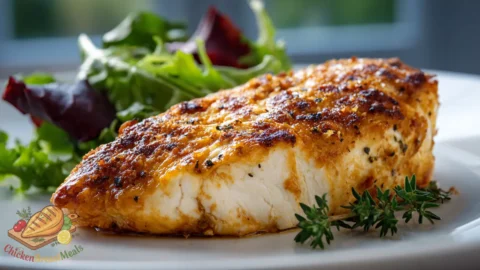
Perfect Gluten-Free Pan-Seared Chicken Breasts

Ingredients
- 4 boneless, skinless chicken breasts (approximately 2 pounds)
- 1/4 cup kosher salt (for brining)
- 2 tablespoons olive oil
- 2 tablespoons certified gluten-free tamari or coconut aminos
- 1 tablespoon fresh lemon juice
- 2 cloves garlic, microplaned
- 1 teaspoon fresh thyme leaves
- 1/2 teaspoon freshly ground black pepper
Method
- Create a contamination-free preparation area using dedicated gluten-free cutting boards and utensils.
- Prepare brine by dissolving 1/4 cup kosher salt in 4 cups cold water. Submerge chicken breasts and refrigerate for exactly 30 minutes.
- Meanwhile, whisk together olive oil, tamari/coconut aminos, lemon juice, garlic, thyme, and black pepper to create marinade.
- After brining, rinse chicken thoroughly under cold water and pat completely dry with paper towels.
- Place chicken in marinade, ensuring complete coverage. Refrigerate for 2 hours (minimum 30 minutes, maximum 4 hours).
- Remove chicken from refrigerator 20 minutes before cooking to allow it to come to room temperature.
- Heat cast iron skillet over medium-high heat until it reaches approximately 375°F (190°C). Add 1 tablespoon oil.
- Place chicken presentation-side down in the skillet. Cook for 6-7 minutes without moving (for 1-inch thick breasts).
- Flip chicken once and cook for an additional 5-6 minutes until internal temperature reaches precisely 165°F (74°C).
- Transfer to a clean plate and tent loosely with foil. Rest for 5 minutes before serving.
Note
- Always verify that all ingredients are certified gluten-free, especially condiments like tamari.
- For thicker chicken breasts, butterfly them to ensure even cooking.
- Check for gluten cross-contamination in all stages of preparation.
- Store leftovers in airtight containers separate from gluten-containing foods.