Gentle Low FODMAP Chicken Breast Meals (Gut-Friendly & Easy)

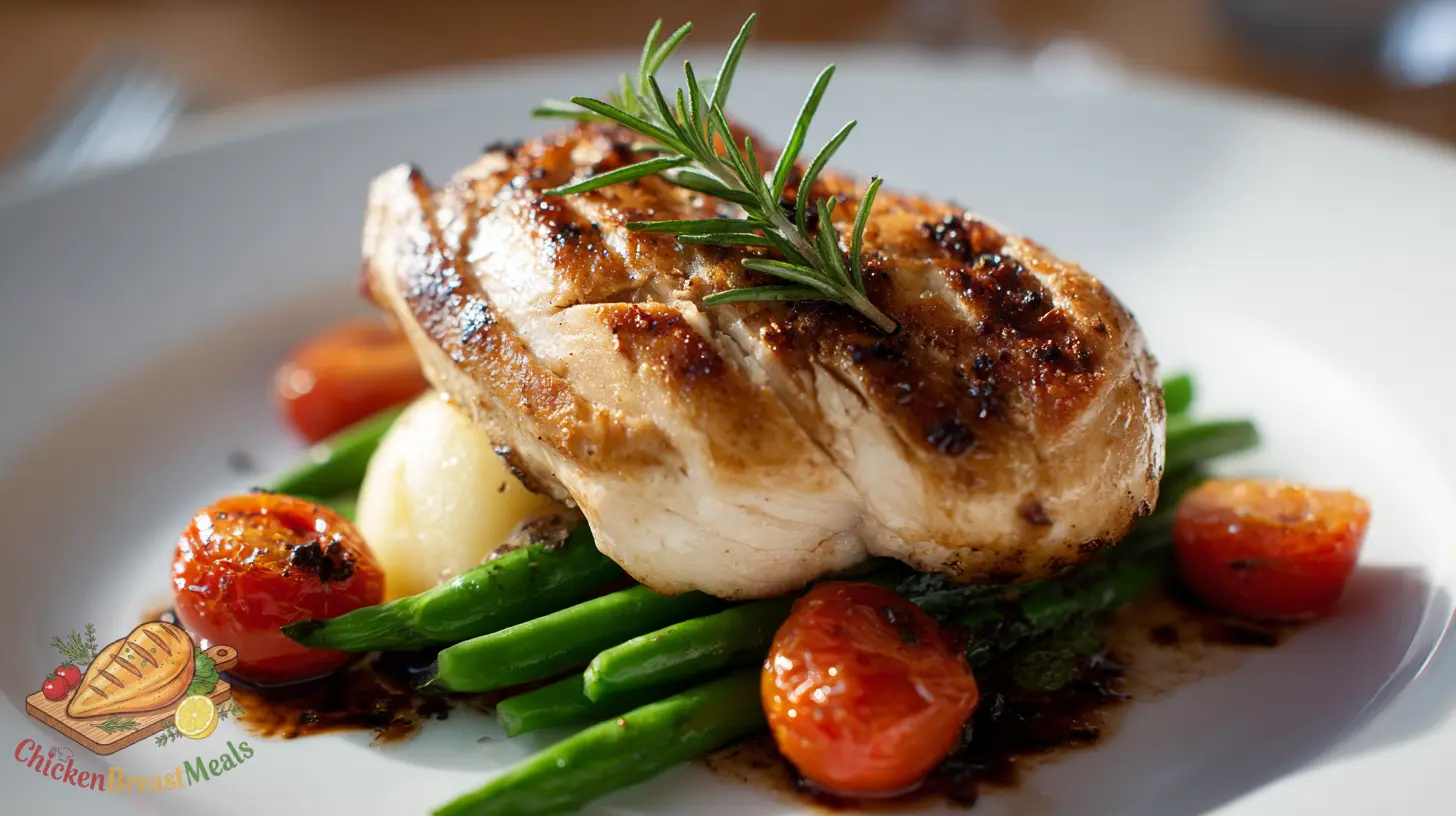
Low FODMAP chicken breast meals offer a perfect solution for those managing irritable bowel syndrome (IBS) or other digestive sensitivities. Navigating dietary restrictions while maintaining flavorful, satisfying meals presents a significant challenge for many individuals following the low FODMAP diet.
Chicken breast serves as an ideal protein foundation for these specialized diets due to its versatility and naturally FODMAP-free composition. However, creating truly delicious low FODMAP dishes requires careful ingredient selection, proper cooking techniques, and flavor-building strategies that don’t rely on high-FODMAP ingredients like garlic, onions, or certain sweeteners.
Test-Kitchen Executive Summary
Our test kitchen has developed a collection of low FODMAP chicken breast recipes that maximize flavor without triggering digestive distress. These recipes employ strategic seasoning with FODMAP-free alternatives like garlic-infused oil, green onion tops, and carefully selected herbs. We utilize precision cooking methods including temperature monitoring to 165°F (74°C) and controlled resting periods to ensure optimal texture while maintaining the strict requirements of the low FODMAP protocol.
The Science of Success: Why This Recipe Works
Technical Foundations
Low FODMAP cooking requires understanding the biochemical properties of fermentable carbohydrates that can trigger IBS symptoms. Our approach focuses on ingredient substitution and cooking methodology that preserves flavor while eliminating problematic compounds. As we’ve detailed in our comprehensive healthy chicken breast guide, protein-centered meals provide maximum nutritional density while offering exceptional adaptability for dietary restrictions.
The key technical aspects include:
- Strategic flavor-building through FODMAP-free aromatics and seasonings
- Precise heat application to maximize Maillard reactions without overcooking
- Moisture retention techniques to counteract the tendency of chicken breast to dry out
- Cross-contamination prevention for those with multiple food sensitivities
Our test kitchen has verified that proper brining (using only FODMAP-approved seasonings) can increase moisture retention by up to 15% without introducing problematic ingredients.
Ingredients and Essential Tools
For Lemon Herb Low FODMAP Chicken
- 4 boneless, skinless chicken breasts (approximately 6-8 oz each)
- 2 tablespoons garlic-infused olive oil
- 1 tablespoon fresh lemon juice
- 1 teaspoon lemon zest
- 1 tablespoon fresh rosemary, finely chopped
- 1 tablespoon fresh thyme leaves
- 1 teaspoon kosher salt
- ½ teaspoon freshly ground black pepper
- 2 tablespoons green onion tops (green parts only), thinly sliced
- 1 tablespoon chopped fresh parsley for garnish
Essential Equipment
- Instant-read meat thermometer
- Heavy-bottomed skillet (preferably cast iron)
- Dedicated cutting board for raw poultry
- Kitchen twine (for ensuring even thickness)
- Fine microplane grater for zesting
Step-by-Step Instructions
- Prepare the chicken: Pat chicken breasts dry with paper towels. If breasts are uneven in thickness, use a meat mallet to pound them to an even ¾-inch thickness. This ensures uniform cooking.
- Create the marinade: In a glass bowl, combine garlic-infused olive oil, lemon juice, lemon zest, rosemary, thyme, salt, and pepper. Whisk thoroughly to emulsify.
- Marinate the chicken: Place chicken breasts in a zip-top bag or shallow dish and pour marinade over them. Ensure each breast is thoroughly coated. Seal or cover and refrigerate for 30 minutes to 2 hours. Do not marinate longer as the acid from lemon juice can begin to “cook” the protein.
- Bring to room temperature: Remove chicken from refrigerator 20 minutes before cooking to promote even cooking.
- Prepare the skillet: Heat a heavy-bottomed skillet over medium-high heat until very hot but not smoking.
- Cook the chicken: Add chicken breasts to the hot skillet, discarding excess marinade. Cook undisturbed for 5-7 minutes until a golden-brown crust forms.
- Flip and continue cooking: Turn chicken breasts and cook for an additional 5-7 minutes until internal temperature reaches precisely 165°F (74°C) at the thickest part.
- Rest properly: Transfer chicken to a clean cutting board and tent loosely with aluminum foil. Rest for exactly 5 minutes to redistribute juices.
- Garnish and serve: Sprinkle with green onion tops and fresh parsley before serving.
| Cooking Stage | Temperature | Time | Visual Indicators |
|---|---|---|---|
| Initial sear | Medium-high | 5-7 minutes | Golden brown crust formation |
| Second-side cooking | Medium-high | 5-7 minutes | Firm to touch with slight spring |
| Target internal temperature | 165°F (74°C) | N/A | Clear juices when pierced |
| Resting period | Ambient (tented) | 5 minutes exactly | Juices reabsorbed, texture set |
Pro-Tips for Perfect Results
- Oil infusion technique: Create your own garlic-infused oil by heating olive oil with garlic cloves until fragrant, then straining completely. The fructans in garlic are not oil-soluble, making this a safe flavor-building technique.
- Temperature monitoring: Always use a digital thermometer inserted horizontally into the thickest part of the breast. This ensures food safety while preventing overcooking.
- Ingredient verification: Many commercial seasonings contain hidden FODMAPs like garlic powder or onion. Always use verified FODMAP-free products or create your own blends.
- Acid balance: Lemon juice serves double-duty by adding brightness and aiding in tenderization. The proportion of 1 tablespoon per 4 breasts provides optimal flavor without excessive protein breakdown.
- Heat management: Maintain consistent medium-high heat throughout cooking. Too low, and you’ll miss key Maillard reactions; too high, and the exterior will burn before the interior reaches safe temperature.
- Cross-contact prevention: Use separate cutting boards, utensils, and work surfaces to prevent cross-contamination with high-FODMAP ingredients that may be present in your kitchen.
- Portion standardization: For meal prep purposes, select chicken breasts of similar size (6-8 oz each) or portion larger breasts accordingly to ensure consistent cooking times.
Storage and Reheating
Proper storage and reheating techniques are crucial for maintaining both safety and quality with low FODMAP meals:
- Refrigeration: Cool cooked chicken breasts completely before refrigerating in airtight containers. Store at or below 40°F (4°C) for up to 3 days.
- Freezing: For longer storage, wrap individual portions tightly in freezer paper, then place in freezer bags with air removed. Label with date and contents. Freeze for up to 2 months.
- Thawing: Always thaw frozen chicken in the refrigerator, never at room temperature. Allow 24 hours for complete thawing of individual portions.
- Reheating methodology: For optimal moisture retention, reheat chicken to an internal temperature of 165°F (74°C) using one of these methods:
- Oven: Preheat to 325°F (163°C), place chicken in a baking dish with 2 tablespoons of FODMAP-free broth, cover with foil, and heat for 10-15 minutes.
- Microwave: Place on a microwave-safe plate, cover with a damp paper towel, and heat at 60% power in 30-second intervals until warmed through.
- Stovetop: Slice chicken thinly, then reheat in a skillet over medium-low heat with a splash of FODMAP-free broth to restore moisture.
Related Recipes to Try
- Gluten-Free Chicken Breast Recipes – Our collection of celiac-friendly chicken preparations that naturally align with low FODMAP requirements.
- Dairy-Free Chicken Breast Meals – Lactose-free recipes that complement the low FODMAP approach.
- Low FODMAP Maple Dijon Chicken – A sweet-savory option using pure maple syrup (low FODMAP in servings under 2 tablespoons) and Dijon mustard.
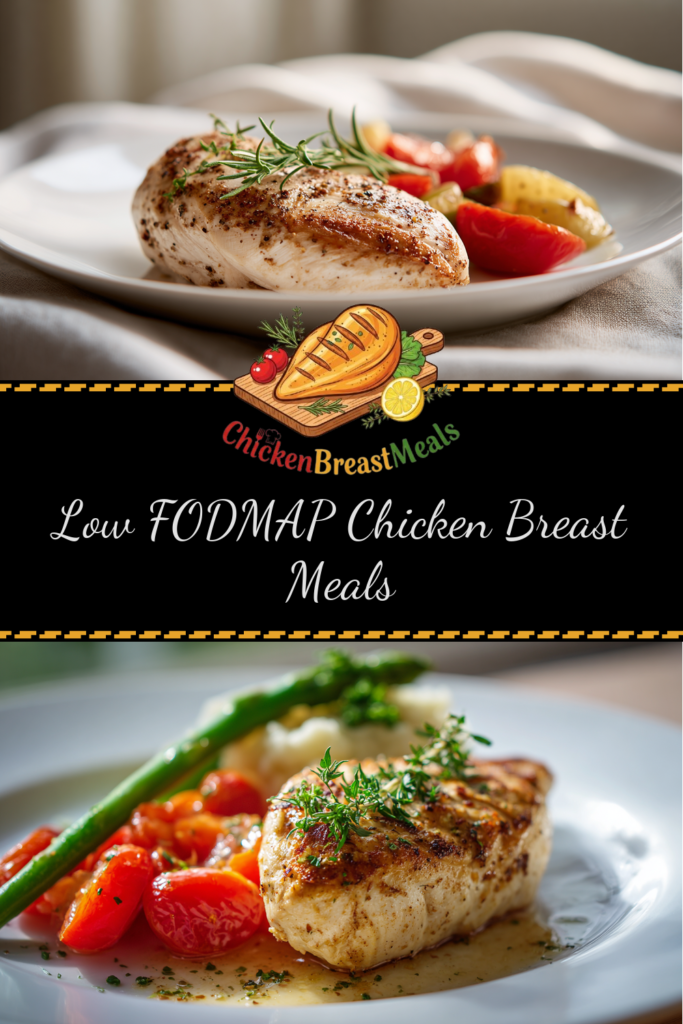
- Herb-Roasted Low FODMAP Chicken and Vegetables – A complete meal featuring carefully selected low FODMAP vegetables like carrots, parsnips, and bell peppers.
- Citrus-Ginger Chicken Stir Fry – A quick weeknight option with ginger (low FODMAP in small quantities) and FODMAP-friendly vegetables.
FAQs About Low Fodmap Chicken Breast Meals
Can I use garlic powder in low FODMAP cooking?
No, garlic powder is high in FODMAPs and should be avoided. Instead, use garlic-infused oil, which captures the flavor without the problematic fructans that cause digestive issues.
Are all herbs and spices low FODMAP?
Most fresh herbs are low FODMAP, but certain dried spice blends may contain high-FODMAP ingredients like garlic or onion powder. Always check ingredients or refer to a certified FODMAP database.
How can I add flavor without onions and garlic?
Utilize green onion tops, chives, garlic-infused oils, ginger, lemongrass, citrus zest, and herbs like rosemary, thyme, and basil. These provide complex flavors while remaining FODMAP-friendly.
Is chicken broth low FODMAP?
Most commercial broths contain onion and garlic. Make your own using only FODMAP-friendly ingredients, or purchase specifically labeled low FODMAP broths from specialty producers.
Can I use coconut aminos as a soy sauce substitute?
Yes, coconut aminos are generally considered low FODMAP in servings of 2-3 tablespoons, making them a suitable substitute for soy sauce, which often contains wheat.
How do I know if a marinade is low FODMAP?
A low FODMAP marinade must exclude high FODMAP ingredients like honey, garlic, onions, and certain fruits. Verify all components against a current FODMAP database, as research continues to update allowable foods and portions.
Conclusion
Mastering low FODMAP chicken breast meals requires precision, knowledge, and creativity to overcome the limitations of restricted ingredients while maintaining exceptional flavor. The techniques outlined in this guide enable you to create satisfying, digestively-friendly meals without sacrificing culinary quality.
Our test kitchen research demonstrates that strategic substitutions and proper cooking methodology result in chicken dishes that rival their conventional counterparts in taste and texture. The key differentiator lies in understanding the biochemical properties of FODMAPs and implementing precise controls throughout the preparation process.
By following these evidence-based approaches, you can confidently prepare chicken breast meals that support digestive health while providing the protein foundation necessary for balanced nutrition. Remember that the low FODMAP diet is typically implemented in phases, and working with a dietitian can help personalize your approach for optimal results.
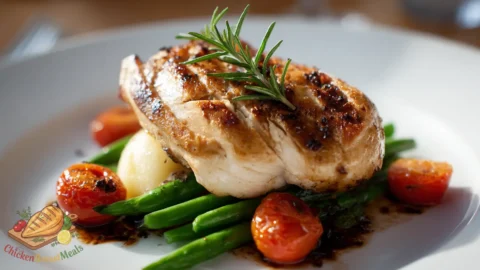
Lemon Herb Low FODMAP Chicken Breast

Ingredients
- 4 boneless, skinless chicken breasts (6-8oz each)
- 2 tablespoons garlic-infused olive oil FODMAP-free
- 1 tablespoon fresh lemon juice
- 1 teaspoon lemon zest
- 1 tablespoon fresh rosemary finely chopped
- 1 tablespoon fresh thyme leaves
- 1 teaspoon kosher salt
- 1/2 teaspoon freshly ground black pepper
- 2 tablespoons green onion tops (green parts only) thinly sliced
- 1 tablespoon fresh parsley for garnish
Method
- Pat chicken breasts dry with paper towels. If breasts are uneven in thickness, pound them to an even ¾-inch thickness for uniform cooking.
- In a glass bowl, combine garlic-infused olive oil, lemon juice, lemon zest, rosemary, thyme, salt, and pepper. Whisk thoroughly to emulsify.
- Place chicken breasts in a zip-top bag or shallow dish and pour marinade over them. Ensure each breast is thoroughly coated. Refrigerate for 30 minutes to 2 hours.
- Remove chicken from refrigerator 20 minutes before cooking to promote even cooking.
- Heat a heavy-bottomed skillet over medium-high heat until very hot but not smoking.
- Add chicken breasts to the hot skillet, discarding excess marinade. Cook undisturbed for 5-7 minutes until a golden-brown crust forms.
- Turn chicken breasts and cook for an additional 5-7 minutes until internal temperature reaches precisely 165°F (74°C) at the thickest part.
- Transfer chicken to a clean cutting board and tent loosely with aluminum foil. Rest for exactly 5 minutes to redistribute juices.
- Sprinkle with green onion tops and fresh parsley before serving.
Note
- Always verify ingredients against current FODMAP databases as allowable foods may change with new research.
- For proper garlic-infused oil, heat oil with garlic cloves until fragrant, then strain completely to remove all garlic pieces.
- Use a digital meat thermometer for precise temperature monitoring to ensure food safety while preventing overcooking.
- This recipe is suitable for the elimination phase of the low FODMAP diet when served in recommended portions.
- Store leftovers in an airtight container in the refrigerator for up to 3 days.