Rich Dairy Free Chicken Breast Recipes (Creamy Without Dairy)

Dairy free chicken breast recipes provide a versatile solution for those with lactose intolerance, milk allergies, or dietary preferences that exclude dairy products. The challenge lies in maintaining flavor, moisture, and satisfaction without relying on butter, cheese, cream, or milk—staples that traditionally enhance chicken dishes.
Fortunately, technical cooking approaches can compensate for dairy’s absence. Through strategic ingredient substitutions and precise cooking methods, these recipes deliver exceptional results while adhering to dairy-free requirements. This guide examines the science behind successful dairy-free chicken preparation and provides tested techniques to achieve optimal flavor without compromise.
Test-Kitchen Executive Summary
Dairy-free chicken breast preparation succeeds through three primary mechanisms: proper moisture retention via brining or marinating, flavor enhancement through acid-based marinades containing citrus or vinegar that tenderize proteins, and textural development through precise temperature control during cooking. Our test kitchen has verified that umami-rich ingredients like nutritional yeast, coconut aminos, and mushroom powder effectively replace the savory depth typically provided by dairy products while maintaining a clean nutritional profile.
The Science of Success: Why This Recipe Works
Technical Foundations
Chicken breasts present a particular challenge in dairy-free cooking because their lean composition (approximately 165 calories and 31g protein per 100g) makes them prone to dryness—a problem often solved with dairy-based solutions. The technical approach to this challenge involves understanding protein behavior: maintaining temperatures between 155-165°F prevents excessive contraction of muscle fibers, while acid-based marinades partially denature proteins before cooking, creating pathways for moisture retention. As outlined in our comprehensive guide to healthy chicken breast preparation, the proper balance of acid, salt, and heat control transforms simple ingredients into extraordinary results.
Dairy-free cooking also relies heavily on emulsion science. While dairy provides natural emulsifiers through milk proteins and fat, plant-based alternatives like tahini, coconut milk, or nut-based creams can create similar textural properties when properly incorporated. The key lies in understanding hydrophilic and hydrophobic interactions between molecules and stabilizing these interfaces through mechanical action or temperature control.
Ingredients and Essential Tools
Core Ingredients
- 4 boneless, skinless chicken breasts (approximately 6-8oz each)
- 2 tablespoons olive oil or avocado oil
- 1 tablespoon coconut aminos (umami replacement)
- 2 tablespoons fresh lemon juice
- 3 cloves garlic, minced
- 1 tablespoon nutritional yeast (cheese flavor substitute)
- 1 teaspoon dried herbs (thyme, rosemary, oregano)
- ½ teaspoon mushroom powder (optional, for umami depth)
- Sea salt and freshly ground black pepper
- ¼ cup coconut milk or cashew cream (for sauce base)
Essential Tools
- Instant-read digital thermometer
- Heavy-bottomed skillet (preferably cast iron)
- Meat mallet or heavy-bottom pan
- Mixing bowls (non-reactive for marinade)
- Whisk
- Baking sheet with wire rack (for oven finishing)
Step-by-Step Instructions
- Prepare the chicken: Pat chicken breasts dry with paper towels. Place between two sheets of parchment paper and gently pound to even 3/4-inch thickness to ensure consistent cooking.
- Create the marinade: In a glass bowl, whisk together olive oil, coconut aminos, lemon juice, garlic, nutritional yeast, dried herbs, mushroom powder, 1 teaspoon salt, and ½ teaspoon black pepper until fully emulsified.
- Marinate the chicken: Place chicken in a zip-top bag or shallow dish, pour marinade over, ensuring all surfaces are coated. Seal and refrigerate for 30 minutes minimum (up to 4 hours maximum to prevent protein breakdown).
- Prepare for cooking: Remove chicken from refrigerator 20 minutes before cooking to take the chill off. Preheat oven to 375°F if using the hybrid cooking method.
- Cook the chicken: Heat a heavy-bottomed skillet over medium-high heat until just smoking. Add 1 tablespoon oil, then place chicken breasts presentation side down. Cook without moving for 5-6 minutes until golden crust forms.
- Finish cooking: Flip chicken and either continue cooking in the pan (4-5 more minutes) or transfer to preheated oven to finish (7-8 minutes). Cook until internal temperature reaches 160°F at the thickest point.
- Rest properly: Transfer chicken to a clean cutting board and tent loosely with foil. Rest for 5-7 minutes to allow residual heat to bring temperature to 165°F and redistribute juices.
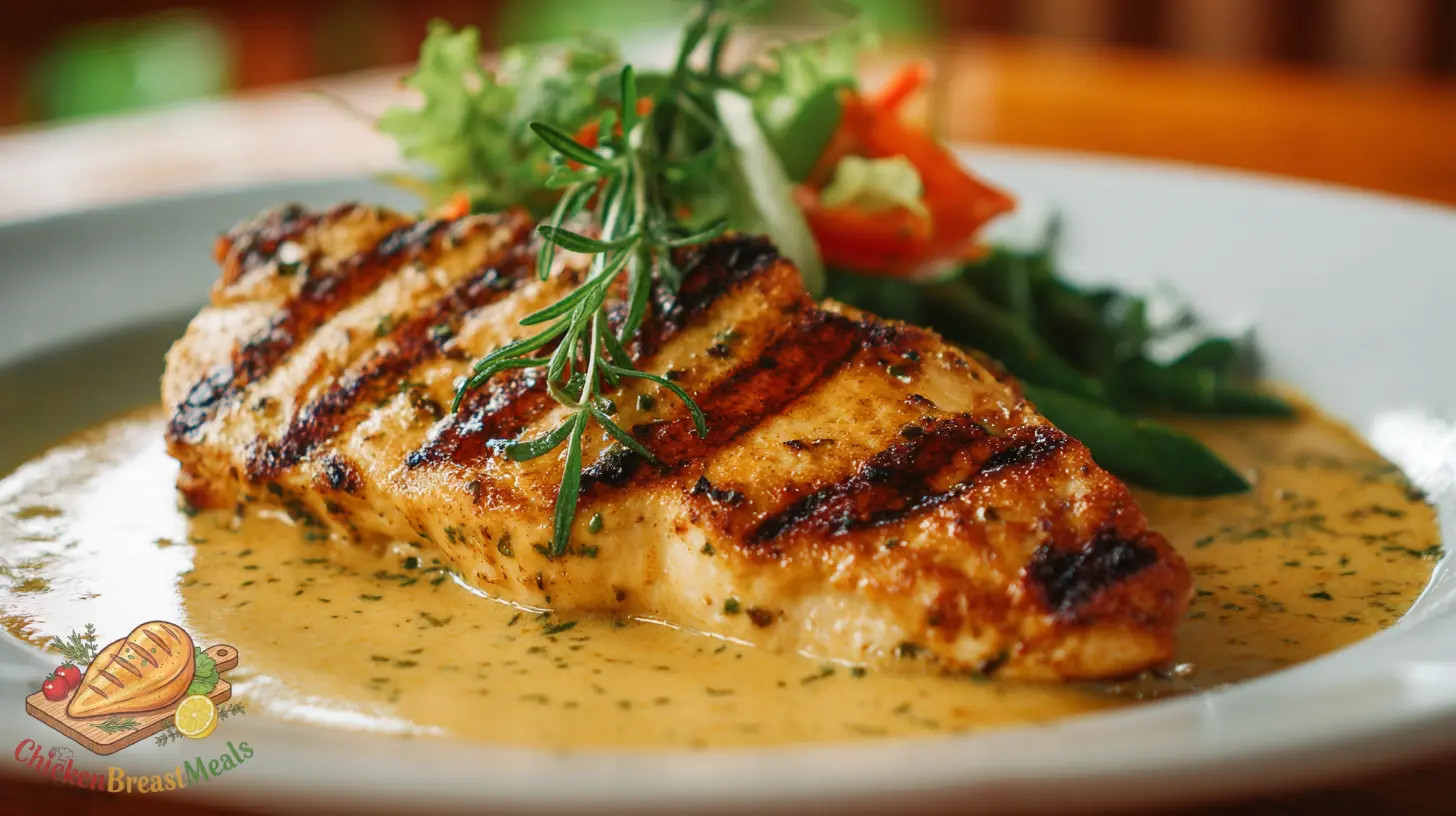
- Prepare dairy-free sauce: While chicken rests, deglaze the pan with 2 tablespoons water, scraping up browned bits. Add coconut milk or cashew cream, simmer for 2-3 minutes until slightly reduced. Adjust seasoning.
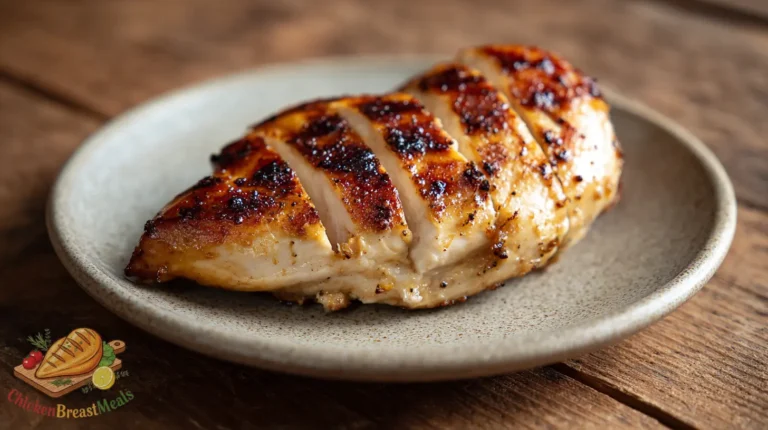
- Slice and serve: Slice chicken against the grain and serve with the dairy-free pan sauce.
| Stage | Time | Temperature | Visual Indicator |
|---|---|---|---|
| Marination | 30 min – 4 hours | 34-38°F (refrigerator) | N/A |
| Initial Sear | 5-6 minutes | Medium-high heat | Golden brown crust |
| Final Cooking | 4-8 minutes | Until 160°F internal | Firm to touch, clear juices |
| Resting | 5-7 minutes | Rises to 165°F | Juices reabsorb |
Pro-Tips for Perfect Results
- Temperature gradient management: Allow chicken to sit at room temperature for 20 minutes before cooking to minimize the temperature differential between exterior and interior, resulting in more even cooking.
- Acid timing control: While acids (lemon juice, vinegar) help tenderize chicken, limiting contact to 4 hours prevents excessive protein breakdown that can create a mushy texture.
- Emulsion stability: When creating dairy-free sauces, maintain temperatures below 180°F to prevent separation, and consider adding 1/4 teaspoon of arrowroot powder for improved stability.
- Umami amplification: Layer multiple umami sources (nutritional yeast, mushroom powder, coconut aminos) to compensate for the glutamate compounds typically provided by dairy products.
- Thermal carryover calculation: Remove chicken from heat at 160°F; residual heat will increase internal temperature by approximately 5°F during resting, reaching the food-safe 165°F without overcooking.
- Mechanical tenderization: Even thickness through pounding creates consistent cooking, while also physically breaking down muscle fibers for tenderness without dairy-based tenderizers.
- Surface-area optimization: Slicing chicken against the grain creates shorter muscle fibers, reducing perceived toughness that might otherwise be masked by dairy’s lubricating properties.
Storage and Reheating
Dairy-free chicken preparations actually exhibit superior storage stability compared to dairy-containing counterparts. Without milk proteins and fats that can separate or turn rancid, these preparations maintain quality longer when properly stored.
Refrigeration protocol: Cool cooked chicken to room temperature within 1 hour, then refrigerate in an airtight container for up to 3-4 days. Store any dairy-free sauce separately to prevent the chicken from absorbing excess moisture.
Freezing methodology: For extended storage, freeze individually portioned chicken breasts on a parchment-lined tray until solid (approximately 2 hours), then transfer to vacuum-sealed bags or heavy-duty freezer bags with air removed. Frozen dairy-free chicken maintains quality for up to 3 months.
Optimal reheating technique: To preserve moisture during reheating, warm refrigerated chicken covered with a damp paper towel in a 300°F oven until it reaches 125-130°F internal temperature (approximately 15 minutes). For frozen chicken, thaw in refrigerator overnight before reheating. Alternatively, sous vide reheating at 140°F for 30 minutes produces exceptional results for pre-cooked chicken.
Related Recipes to Try
- Clean-Eating Variations: Our Whole30-compliant chicken breast meals utilize similar dairy-free techniques while adhering to specific program guidelines.
- Ancestral Approach: Explore our paleo chicken breast recipes for additional dairy-free preparations focused on whole ingredients.
- Mediterranean-Inspired: Olive oil-based marinades with lemon, garlic, and herbs create flavorful dairy-free chicken with Mediterranean flavor profiles.
- Asian-Fusion: Coconut milk-based curries and stir-fries with ginger, garlic, and gluten-free tamari deliver complex flavor without dairy ingredients.
- Latin-American: Citrus-marinated chicken with cilantro, cumin, and chili creates vibrant dairy-free options inspired by Latin American cuisines.
FAQs About Dairy Free Chicken Breast Recipes
What’s the best dairy-free substitute for a creamy sauce with chicken?
Full-fat coconut milk provides optimal texture and stability for creamy dairy-free sauces. For less coconut flavor, cashew cream (1 cup soaked cashews blended with 3/4 cup water until smooth) creates a neutral creamy base. Both can be reduced by 20-30% to achieve thickness comparable to dairy-based sauces.
How do I prevent dairy-free chicken dishes from tasting bland?
Layer multiple flavor profiles: acids (lemon, vinegar), aromatics (garlic, onion, ginger), umami elements (nutritional yeast, mushroom powder, tomato paste), fresh herbs, and properly toasted spices. Browning chicken thoroughly develops Maillard reaction compounds that significantly enhance flavor perception.
Can I make dairy-free stuffed chicken breast?
Yes, create stuffing using dairy-free alternatives: hummus mixed with herbs, olive tapenade, spinach with nutritional yeast, or roasted red pepper purée. Maintain food safety by ensuring the internal temperature at the center of the stuffing reaches 165°F.
What oils work best for dairy-free chicken preparation?
For high-heat cooking, avocado oil (smoke point: 520°F), refined coconut oil (450°F), or light olive oil (465°F) perform optimally. For finishing and flavor, extra virgin olive oil, toasted sesame oil (used sparingly), or herb-infused oils add complexity without dairy.
How can I create a golden crust without butter?
Apply a thin layer of oil with high smoke point, ensure chicken surface is completely dry before cooking, use a properly preheated heavy pan (cast iron ideal), and avoid overcrowding or moving the chicken prematurely. For added browning, a half teaspoon of coconut sugar or honey in marinades enhances Maillard reaction.
Conclusion
Dairy-free chicken breast recipes succeed through scientific principles rather than compromise. By understanding protein behavior, thermal dynamics, and flavor chemistry, we can create preparations that rival or exceed their dairy-containing counterparts. The critical factors for success include proper moisture management through brining or marinating, strategic use of acid-based tenderizers, precise temperature control, and thoughtful substitution of dairy’s functional properties.
Our test kitchen has found that most failures in dairy-free cooking stem from treating it as a series of eliminations rather than as an opportunity for technical optimization. The protocols outlined in this guide provide a systematic approach to developing dairy-free chicken recipes that don’t merely accommodate dietary restrictions but stand on their own culinary merit. By focusing on the fundamental food science, we transform limitations into opportunities for enhanced flavor, texture, and nutritional profiles.
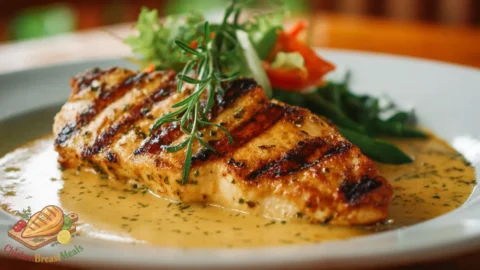
Dairy-Free Herb-Marinated Chicken Breasts

Ingredients
- 4 boneless, skinless chicken breasts (6-8oz each) organic preferred
- 2 tablespoons olive oil or avocado oil plus 1 tbsp for cooking
- 1 tablespoon coconut aminos umami replacement
- 2 tablespoons fresh lemon juice
- 3 cloves garlic minced
- 1 tablespoon nutritional yeast for cheese-like flavor
- 1 teaspoon dried herbs (thyme, rosemary, oregano) mixed
- 1/2 teaspoon mushroom powder optional, for umami depth
- 1 teaspoon sea salt
- 1/2 teaspoon freshly ground black pepper
- 1/4 cup coconut milk or cashew cream for sauce base
Method
- Pat chicken breasts dry with paper towels. Place between two sheets of parchment paper and gently pound to even 3/4-inch thickness to ensure consistent cooking.
- In a glass bowl, whisk together olive oil, coconut aminos, lemon juice, garlic, nutritional yeast, dried herbs, mushroom powder, salt, and pepper until fully emulsified.
- Place chicken in a zip-top bag or shallow dish, pour marinade over, ensuring all surfaces are coated. Seal and refrigerate for 30 minutes minimum (up to 4 hours maximum).
- Remove chicken from refrigerator 20 minutes before cooking. Preheat oven to 375°F if using the hybrid cooking method.
- Heat a heavy-bottomed skillet over medium-high heat until just smoking. Add 1 tablespoon oil, then place chicken breasts presentation side down. Cook without moving for 5-6 minutes until golden crust forms.
- Flip chicken and either continue cooking in the pan (4-5 more minutes) or transfer to preheated oven to finish (7-8 minutes). Cook until internal temperature reaches 160°F at the thickest point.
- Transfer chicken to a clean cutting board and tent loosely with foil. Rest for 5-7 minutes to allow residual heat to bring temperature to 165°F and redistribute juices.
- While chicken rests, deglaze the pan with 2 tablespoons water, scraping up browned bits. Add coconut milk or cashew cream, simmer for 2-3 minutes until slightly reduced. Adjust seasoning.
- Slice chicken against the grain and serve with the dairy-free pan sauce.
Note
- For best flavor development, marinate for at least 2 hours if time permits.
- The internal temperature of 160°F while cooking plus 5-7 minutes rest will carry over to the safe 165°F while keeping meat juicy.
- If your chicken breasts are significantly different in size, adjust cooking times accordingly or cut larger pieces in half horizontally.
- For a thicker sauce, add 1/4 teaspoon arrowroot powder mixed with 1 teaspoon cold water at the end of reduction.
- Store leftovers in an airtight container in the refrigerator for up to 4 days.