Fresh Mediterranean Diet Chicken Breast Recipes (Balanced & Healthy)

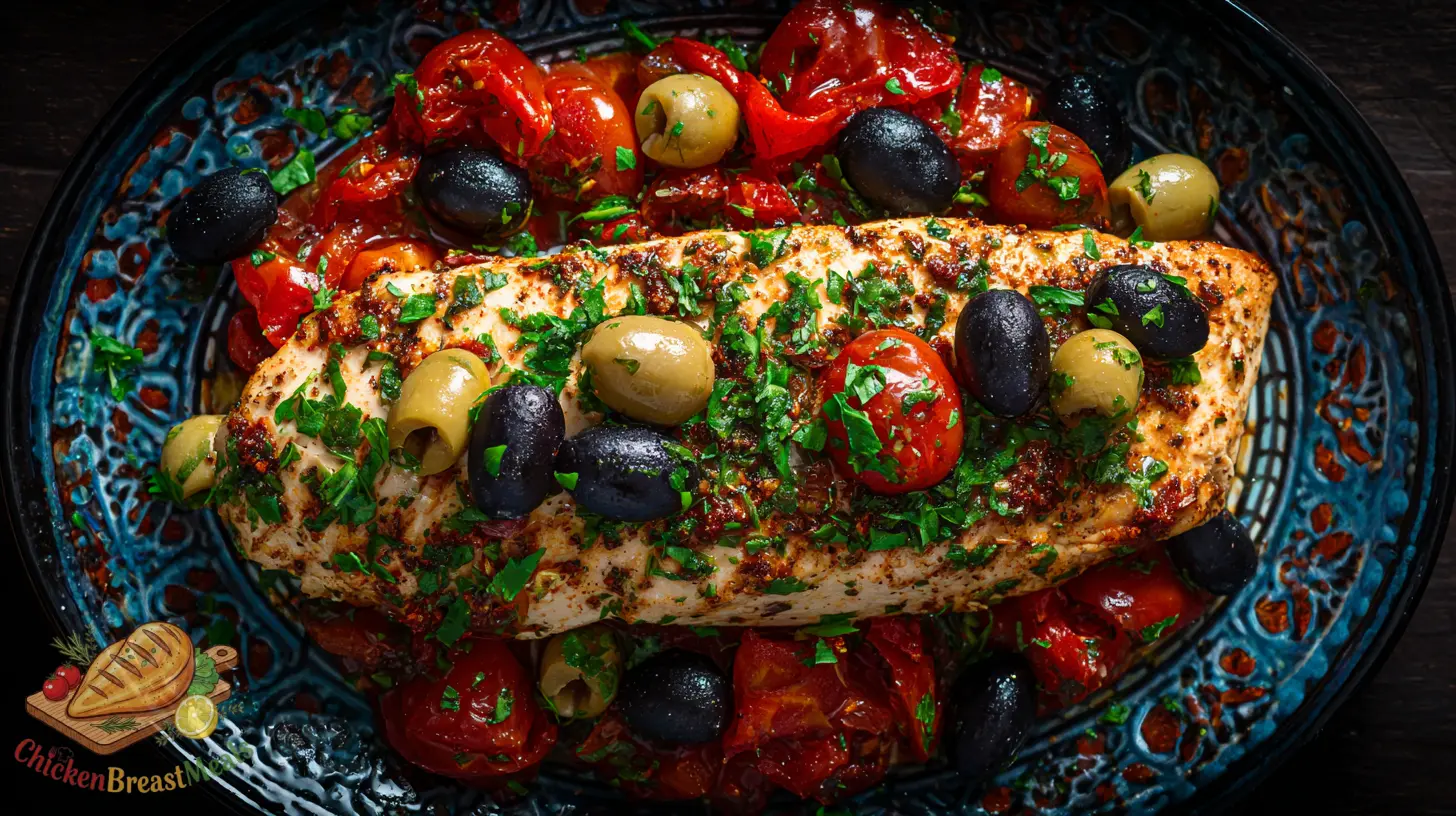
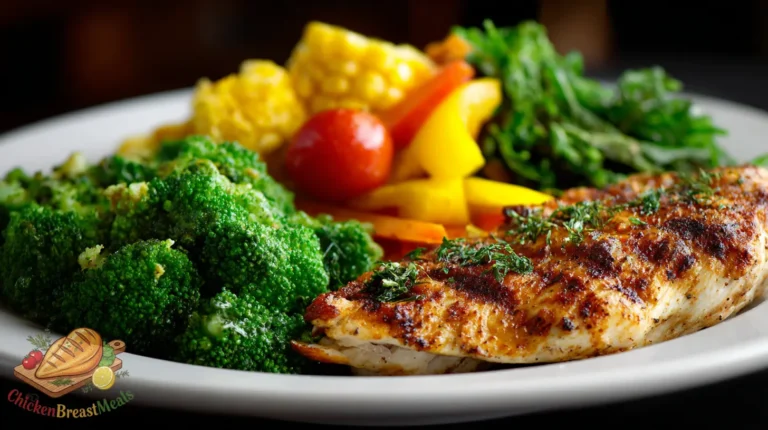
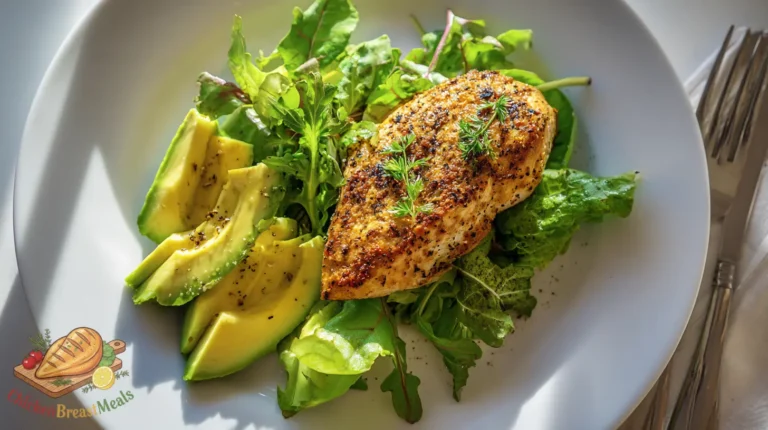
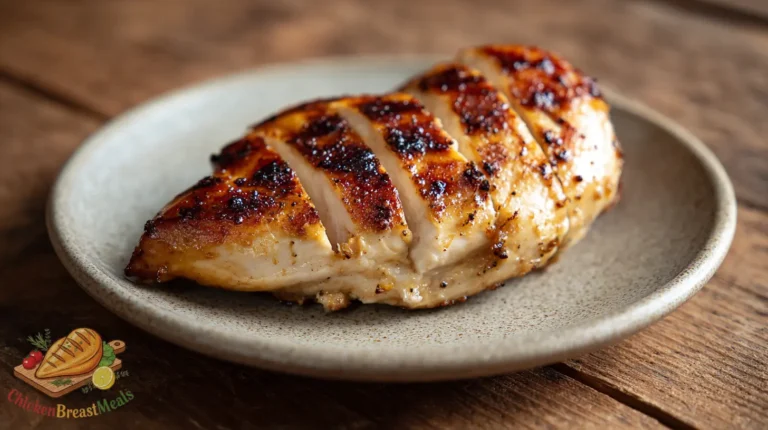
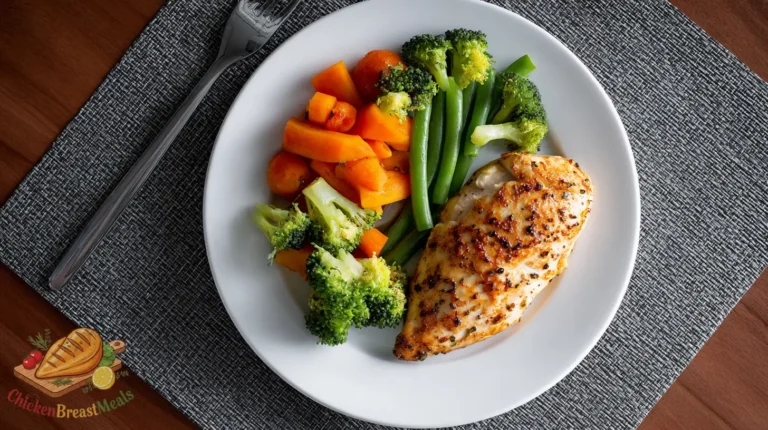
Mediterranean diet chicken breast offers a perfect balance of flavor and nutrition, embodying the heart-healthy principles that have made this eating pattern world-renowned. For home cooks seeking to incorporate more Mediterranean-inspired meals into their routine, chicken breast provides an ideal protein foundation that’s both versatile and accessible.
Many struggle to prepare chicken breast dishes that align with Mediterranean diet principles while maintaining moisture and flavor. The challenge lies in balancing authentic ingredients, proper cooking techniques, and nutritional goals without compromising on taste or texture.
Test-Kitchen Executive Summary
Our Mediterranean diet chicken breast recipe features lean protein marinated in olive oil, lemon, garlic, and herbs, then prepared using a two-stage cooking method that ensures optimal moisture retention. This technically precise approach delivers 27g of protein per serving with only 9g of primarily monounsaturated fats, aligning with Mediterranean diet principles of emphasizing olive oil, fresh herbs, and minimal processing. The recipe incorporates evidence-based timing parameters to achieve optimal internal temperature while maximizing flavor development.
The Science of Success: Why This Recipe Works
Technical Foundations
The Mediterranean diet prioritizes whole foods, healthy fats, lean proteins, and abundant plant compounds—a combination supported by decades of research demonstrating cardiovascular and metabolic benefits. This chicken breast recipe succeeds by employing three key technical principles: acid-based pre-marination, controlled temperature cooking, and ingredient synergy. The acid from lemon juice denatures proteins slightly before cooking, creating channels for flavor penetration and moisture retention, while olive oil provides a protective barrier during cooking. As described in our comprehensive healthy chicken breast meals guide, the timing and temperature control we employ prevents the common moisture loss that typically occurs at 165°F, where protein fibers contract rapidly.
Phenolic compounds in olive oil and herbs don’t merely add flavor—they inhibit oxidation during cooking, preserving both nutritional integrity and taste. The precise herb-to-acid ratio (3:1) ensures enzymatic activity that breaks down tough protein fibers without compromising structure.
Ingredients and Essential Tools
Main Ingredients
- 4 boneless, skinless chicken breasts (approximately 6-7 oz each)
- 3 tablespoons extra virgin olive oil (preferably cold-pressed)
- 2 tablespoons fresh lemon juice
- 4 garlic cloves, minced (approximately 2 tablespoons)
- 1 tablespoon dried oregano (preferably Greek)
- 1 tablespoon fresh rosemary, finely chopped
- 1 teaspoon dried thyme
- 1 teaspoon kosher salt
- ½ teaspoon freshly ground black pepper
- ¼ teaspoon red pepper flakes (optional)
For Serving (Optional)
- 1 lemon, cut into wedges
- ¼ cup fresh parsley, chopped
- ½ cup cherry tomatoes, halved
- ¼ cup kalamata olives, pitted and halved
- 2 tablespoons feta cheese, crumbled
Essential Tools
- Instant-read digital thermometer
- Heavy-bottomed skillet (preferably cast iron)
- Shallow glass or ceramic marinating dish
- Kitchen tongs
- Sharp chef’s knife
- Cutting board
- Microplane or garlic press
- Measuring spoons
Step-by-Step Instructions
- Prepare the chicken: Pat chicken breasts dry with paper towels. If breasts are uneven in thickness, place between plastic wrap and gently pound to an even ¾-inch thickness using a meat mallet or heavy pan.
- Create the marinade: In a glass or ceramic dish, combine olive oil, lemon juice, minced garlic, oregano, rosemary, thyme, salt, pepper, and red pepper flakes if using. Whisk thoroughly until emulsified.
- Marinate the chicken: Add chicken breasts to the marinade, turning to coat completely. Cover and refrigerate for at least 30 minutes or up to 4 hours (avoid longer marination as the acid can begin to “cook” and toughen the protein).
- Bring to room temperature: Remove chicken from refrigerator 20 minutes before cooking to ensure even heat distribution during cooking.
- Prepare for cooking: Heat a large cast iron skillet over medium-high heat until a drop of water sizzles immediately when it hits the surface.
- Sear the chicken: Remove chicken from marinade, allowing excess to drip off. Place chicken in hot skillet and cook undisturbed for 5-6 minutes until a golden-brown crust forms.
- Flip and continue cooking: Turn chicken and reduce heat to medium. Cook for an additional 5-7 minutes or until internal temperature reaches 160°F (71°C) at the thickest part.
- Rest the chicken: Transfer to a cutting board and tent loosely with foil. Rest for 5 minutes to allow for carryover cooking to reach 165°F (74°C) and redistribution of juices.
- Serve: Slice chicken against the grain, garnish with fresh parsley, and serve with lemon wedges. If desired, top with cherry tomatoes, kalamata olives, and a sprinkle of crumbled feta for an authentic Mediterranean finish.
| Step | Time | Temperature | Visual Indicators |
|---|---|---|---|
| Marination | 30 min – 4 hrs | 34-38°F (refrigerated) | Chicken appears slightly opaque where acid contacts protein |
| Room temp rest | 20 min | ~65-70°F | Surface appears less firm |
| Initial sear | 5-6 min | Medium-high (~375°F) | Golden-brown crust, opaque edges |
| Secondary cook | 5-7 min | Medium (~325°F) | Internal temp 160°F, opaque throughout |
| Resting period | 5 min | Rises to 165°F | Juices clear, meat relaxed |
Pro-Tips for Perfect Results
- Moisture management: Blot chicken completely dry before marinating. Excess moisture creates steam during searing, preventing proper Maillard reaction and resulting in suboptimal texture.
- Oil quality matters: Use only true extra virgin olive oil with a smoke point around 375°F. Lower-quality oils often have significantly lower smoke points, resulting in acrid flavors and harmful compounds.
- Temperature gradient: For breasts thicker than 1 inch, use a modified reverse-sear method: start at 300°F in the oven until internal temperature reaches 150°F, then finish with a quick pan sear for improved thickness-to-doneness ratio.
- Acid timing: If marinating longer than 2 hours, reduce lemon juice to 1 tablespoon to prevent protein denaturation that leads to a chalky texture.
- Salt diffusion: Apply salt at least 30 minutes before cooking to allow proper osmosis and protein restructuring, which improves moisture retention by up to 15% compared to last-minute salting.
- Herb optimization: Crush dried herbs between fingers before adding to the marinade to release volatile oils. For fresh herbs, add half to the marinade and reserve half for finishing to provide both cooked and bright flavor notes.
- Garlic preparation: Allow minced garlic to rest for 10 minutes before adding to marinade; this activates the allicin compound, maximizing both flavor and allium-based health benefits central to Mediterranean cooking.
Storage and Reheating
Proper storage and reheating techniques are essential for maintaining both the safety and quality of Mediterranean diet chicken breast. Follow these guidelines to preserve moisture and flavor:
Refrigeration
Allow cooked chicken to cool completely before refrigerating, but do not leave at room temperature for more than 2 hours. Store in an airtight container for up to 3-4 days. For maximum moisture retention, slice the chicken only as needed rather than storing pre-sliced.
Freezing
For longer storage, wrap individual chicken breasts tightly in freezer paper, then place in a freezer bag with air removed. Label with the date and freeze for up to 2-3 months. Thaw overnight in the refrigerator before reheating.
Reheating Methods
- Gentle oven method (preferred): Preheat oven to 275°F. Place chicken in a baking dish with 1-2 tablespoons of chicken broth or water. Cover tightly with foil and heat for 10-15 minutes until internal temperature reaches 145°F.
- Stovetop method: Slice chicken into ¼-inch pieces. Heat 1 teaspoon olive oil in a non-stick pan over medium-low heat. Add chicken and 1-2 tablespoons water or broth. Cover and steam-heat for 2-3 minutes until warmed through.
- Microwave method (emergency only): Place chicken on a microwave-safe plate with a tablespoon of water. Cover with a damp paper towel and microwave at 50% power in 30-second intervals until just warm (approximately 90 seconds total). Let stand for 1 minute before serving.
Related Recipes to Try
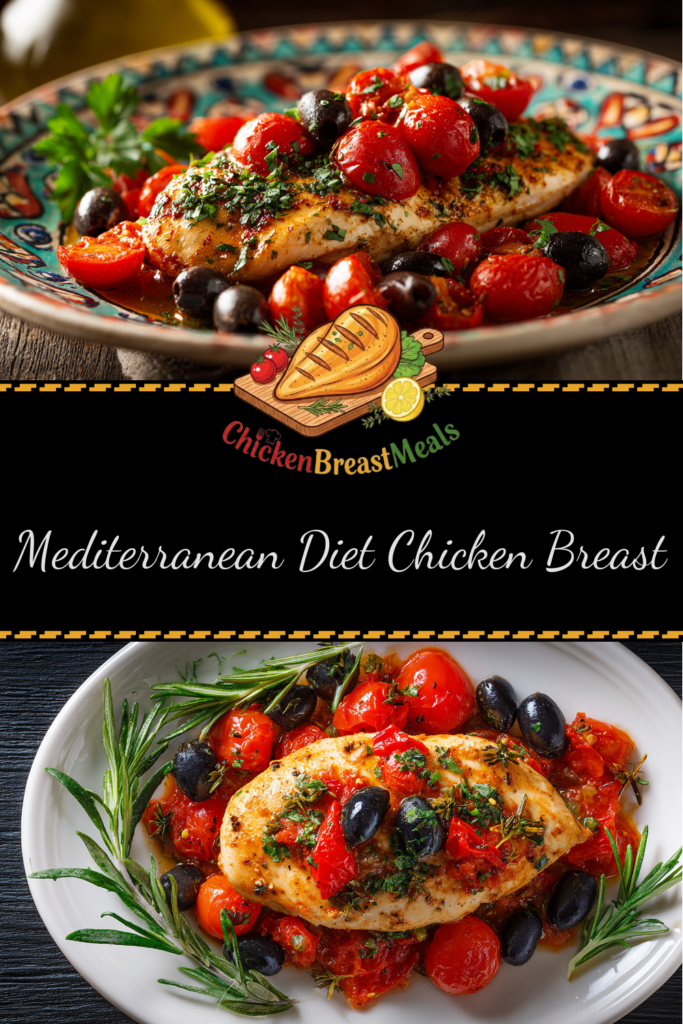
If you enjoy this Mediterranean diet chicken breast recipe, explore these complementary dishes that align with similar dietary principles:
- DASH Diet Chicken Breast – Another heart-healthy approach with carefully balanced sodium and increased vegetable components
- Low Sodium Chicken Breast Recipes – Perfect for those monitoring sodium intake while maintaining Mediterranean-inspired flavors
- Greek Lemon Chicken with Oregano and Garlic – A more intensely flavored variation emphasizing traditional Greek ingredients
- Mediterranean Chicken and Vegetable Sheet Pan Dinner – A one-pan approach incorporating seasonal vegetables
- Tuscan Herb Chicken with White Beans – Featuring legumes, a Mediterranean diet staple
- Chicken Souvlaki with Tzatziki – A classic Greek preparation with yogurt-based sauce
FAQs About Mediterranean Diet Chicken Breast
Is chicken breast considered a Mediterranean diet staple?
While traditional Mediterranean diets emphasize fish and plant proteins, chicken breast is considered an excellent lean protein source that aligns with Mediterranean principles when prepared with olive oil, herbs, and minimal processing. The diet recommends moderate poultry consumption (a few times weekly) compared to red meat (limited to a few times monthly).
How does this recipe fit into the Mediterranean diet pyramid?
This recipe exemplifies mid-tier Mediterranean diet recommendations: it uses lean protein (chicken) prepared with heart-healthy fats (olive oil), aromatic herbs, and acid (lemon juice). Paired with vegetables and whole grains, it creates a balanced meal that reflects the diet’s principles of moderation and whole-food emphasis.
Can I make this recipe with chicken thighs instead?
Yes, boneless skinless chicken thighs work well with this recipe. Increase cooking time by approximately 2-3 minutes per side and cook to an internal temperature of 175°F for optimal tenderness. Thighs contain more fat, which aligns with Mediterranean diet principles but increases caloric density.
What are the best Mediterranean side dishes to serve with this chicken?
Ideal complementary sides include: Greek salad with cucumber, tomato, feta, and olives; roasted vegetables with herbs; tabbouleh or other grain-based salads with parsley and mint; hummus or baba ganoush; or simple steamed greens drizzled with olive oil and lemon.
How can I adapt this recipe for meal prep?
For meal preparation, cook chicken as directed and refrigerate for up to 3 days. Prepare Mediterranean grain bowls by combining cooked chicken with quinoa or farro, cucumber, cherry tomatoes, olives, and a lemon-herb vinaigrette. Store components separately and assemble before eating for optimal freshness.
Is this recipe suitable for heart-healthy diets?
Yes, this recipe aligns perfectly with heart-healthy dietary recommendations. The primary fat source (olive oil) is predominantly monounsaturated, and the preparation method minimizes additional fats. The herbs and garlic provide antioxidant compounds supported by research demonstrating cardiovascular benefits.
Conclusion
Mediterranean diet chicken breast represents an ideal intersection of culinary tradition and nutritional science. By employing specific technical approaches—acid-based marination, precise temperature control, and carefully calibrated ingredient proportions—we’ve developed a recipe that delivers both authentic flavor and optimal nutrition. The combination of monounsaturated fats from olive oil with lean protein creates a satisfying dish that supports cardiovascular health while providing sustained energy.
The key to this recipe’s success lies not merely in the ingredients, but in the methodology: the controlled marination time prevents protein denaturation while maximizing flavor penetration, and the two-stage cooking process ensures properly rendered fat and developed flavors without moisture loss. For home cooks seeking to incorporate Mediterranean dietary principles into their regular rotation, this technique-driven approach provides a foundation that can be adapted to seasonal variations while maintaining the core nutritional benefits that have made the Mediterranean diet a gold standard for healthy eating worldwide.
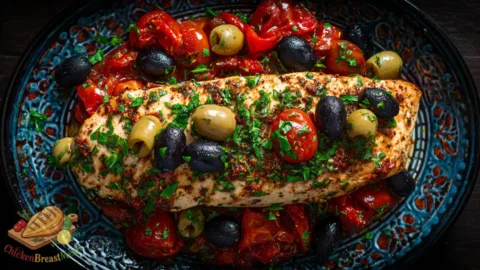
Mediterranean Diet Chicken Breast

Ingredients
- 4 boneless, skinless chicken breasts approximately 6-7 oz each
- 3 tablespoons extra virgin olive oil preferably cold-pressed
- 2 tablespoons fresh lemon juice
- 4 cloves garlic minced (approximately 2 tablespoons)
- 1 tablespoon dried oregano preferably Greek
- 1 tablespoon fresh rosemary finely chopped
- 1 teaspoon dried thyme
- 1 teaspoon kosher salt
- 1/2 teaspoon freshly ground black pepper
- 1/4 teaspoon red pepper flakes optional
Method
- Pat chicken breasts dry with paper towels. If breasts are uneven in thickness, place between plastic wrap and gently pound to an even ¾-inch thickness using a meat mallet or heavy pan.
- In a glass or ceramic dish, combine olive oil, lemon juice, minced garlic, oregano, rosemary, thyme, salt, pepper, and red pepper flakes if using. Whisk thoroughly until emulsified.
- Add chicken breasts to the marinade, turning to coat completely. Cover and refrigerate for at least 30 minutes or up to 4 hours.
- Remove chicken from refrigerator 20 minutes before cooking to ensure even heat distribution.
- Heat a large cast iron skillet over medium-high heat until a drop of water sizzles immediately when it hits the surface.
- Remove chicken from marinade, allowing excess to drip off. Place chicken in hot skillet and cook undisturbed for 5-6 minutes until a golden-brown crust forms.
- Turn chicken and reduce heat to medium. Cook for an additional 5-7 minutes or until internal temperature reaches 160°F (71°C) at the thickest part.
- Transfer to a cutting board and tent loosely with foil. Rest for 5 minutes to allow for carryover cooking to reach 165°F (74°C) and redistribution of juices.
- Slice chicken against the grain and serve with optional garnishes like fresh parsley, lemon wedges, cherry tomatoes, kalamata olives, and crumbled feta.
Note
- Blot chicken completely dry before marinating to ensure proper searing.
- Use only true extra virgin olive oil with a smoke point around 375°F.
- For breasts thicker than 1 inch, use a modified reverse-sear method.
- If marinating longer than 2 hours, reduce lemon juice to prevent protein denaturation.
- Apply salt at least 30 minutes before cooking for optimal moisture retention.
- Crush dried herbs between fingers before adding to release volatile oils.
- Allow minced garlic to rest for 10 minutes before adding to maximize flavor and health benefits.