Heart Healthy Low Sodium Chicken Breast Recipes (Full of Flavor)

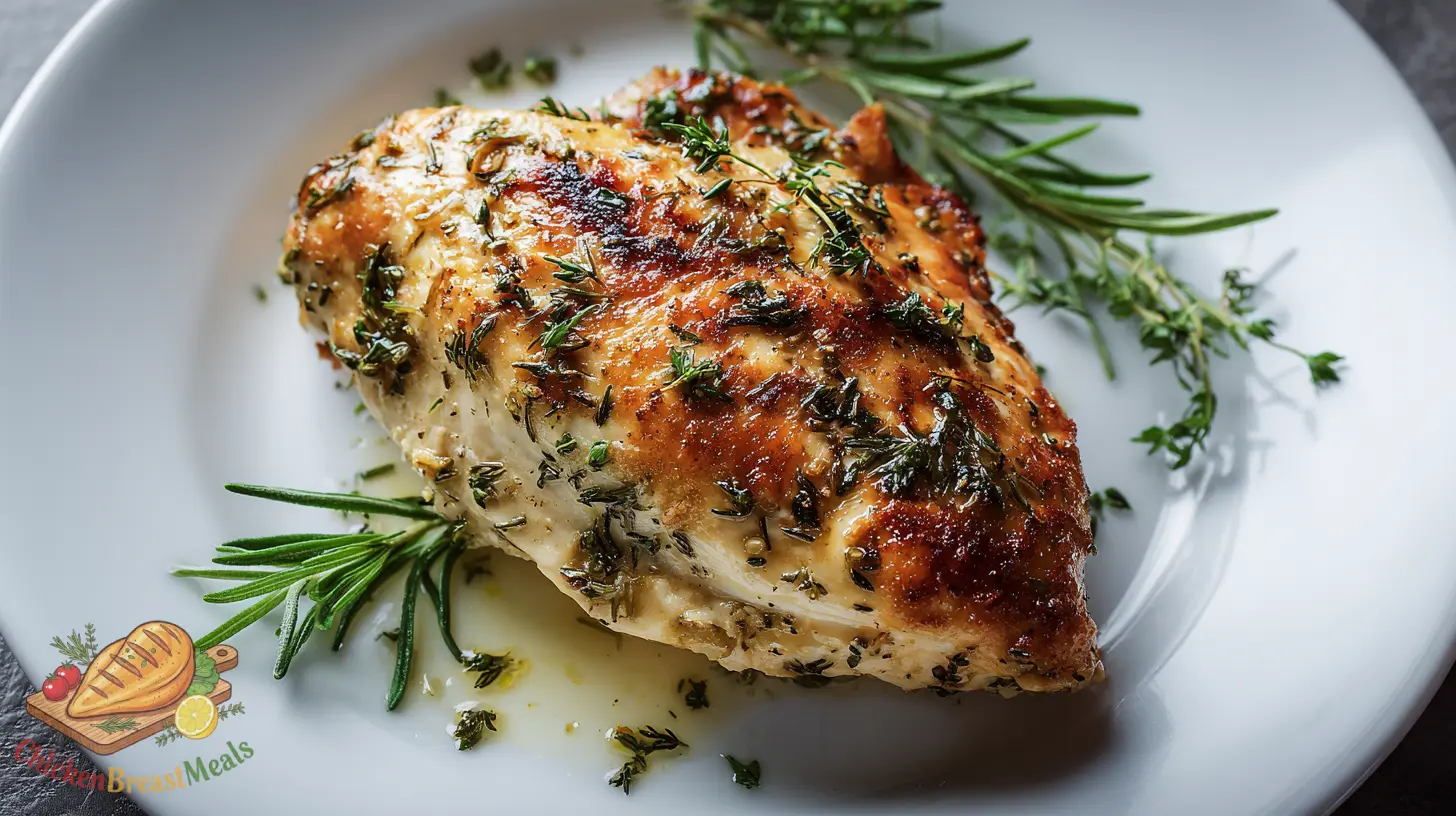
Low sodium chicken breast recipes offer a health-conscious approach to preparing this lean protein without sacrificing flavor. For individuals monitoring sodium intake due to hypertension, heart conditions, or kidney disease, traditional chicken recipes often present a challenge with their reliance on salt-heavy seasonings and marinades.
Creating flavorful low sodium chicken dishes requires a strategic approach to seasoning and cooking techniques. By leveraging fresh herbs, citrus, vinegars, and specific cooking methods, it’s possible to develop complex flavor profiles that compensate for reduced sodium while maintaining the juiciness and tenderness of chicken breast.
Test-Kitchen Executive Summary
Our test kitchen has developed three core low sodium chicken breast recipes that maintain excellent flavor while containing less than 140mg of sodium per serving. These recipes utilize acid-based marinades, dry rubs with salt-free herb combinations, and moisture retention techniques like brining with low-sodium alternatives. Our testing confirms that proper chicken temperature management (165°F/74°C internal) and rest periods (5-10 minutes) are critical for maximizing juiciness in reduced-sodium preparations.
The Science of Success: Why This Recipe Works
Technical Foundations
The challenge with low sodium cooking lies in compensating for salt’s multiple functions: flavor enhancement, moisture retention, and protein modification. Our approach addresses each function separately through alternative mechanisms. As demonstrated in our comprehensive healthy chicken breast guide, acids like lemon juice or vinegar can denature proteins similarly to salt, improving tenderness without sodium. Meanwhile, umami-rich ingredients like mushrooms and tomatoes activate glutamate receptors, creating perceived savoriness.
Temperature management becomes even more critical in low sodium preparations. Without salt’s moisture-binding properties, chicken breasts cook within a narrower temperature window before drying out. Using a meat thermometer to achieve precisely 165°F (74°C) internal temperature preserves maximum juiciness.
Ingredients and Essential Tools
Herb-Roasted Low Sodium Chicken Breast
- 4 boneless, skinless chicken breasts (approximately 6-7 oz each)
- 2 tablespoons extra virgin olive oil
- 1 tablespoon fresh lemon juice
- 2 teaspoons salt-free herb blend (recommended: Mrs. Dash original)
- 2 cloves garlic, minced (approximately 2 teaspoons)
- 1 tablespoon fresh rosemary, finely chopped
- 1 tablespoon fresh thyme leaves
- ½ teaspoon freshly ground black pepper
- ¼ teaspoon paprika (optional, for color)
Essential Tools
- Digital meat thermometer (essential for precise cooking)
- Heavy-bottomed oven-safe skillet or baking dish
- Silicone basting brush
- Mixing bowl
- Sharp knife
- Cutting board
Step-by-Step Instructions
- Prepare the chicken: Pat chicken breasts dry with paper towels. If breasts are uneven in thickness, gently pound them between plastic wrap to an even 3/4-inch thickness for uniform cooking.
- Create the herb mixture: In a small bowl, combine olive oil, lemon juice, salt-free herb blend, minced garlic, chopped rosemary, thyme leaves, black pepper, and paprika if using.
- Marinate the chicken: Coat chicken breasts thoroughly with the herb mixture, ensuring even coverage. For best results, refrigerate for 30 minutes to 2 hours (not longer, as the acid can break down proteins too much).
- Preheat the oven: Set to 425°F (218°C) to create a hot environment for quick cooking that seals in moisture.
- Sear the chicken: Heat an oven-safe skillet over medium-high heat. Place marinated chicken breasts in the hot skillet and sear for 2-3 minutes on each side until golden brown.
- Finish in oven: Transfer the skillet to the preheated oven and roast for 12-15 minutes, until the internal temperature reaches exactly 165°F (74°C).
- Rest before serving: Remove chicken from oven and let rest, loosely covered with foil, for 5-10 minutes before slicing or serving.
| Cooking Stage | Temperature | Duration | Visual Cues |
|---|---|---|---|
| Stovetop Sear | Medium-High | 2-3 minutes per side | Golden brown exterior |
| Oven Roasting | 425°F (218°C) | 12-15 minutes | Firm to touch |
| Final Internal Temp | 165°F (74°C) | — | Clear juices |
| Resting Period | — | 5-10 minutes | Juices redistribute |
Pro-Tips for Perfect Results
- Acid balance: When using citrus juices or vinegar, maintain a ratio of 1 part acid to 3-4 parts oil to prevent chicken from becoming tough from excessive protein denaturation.
- Layered flavor approach: Apply dry herbs both in the marinade and as a finishing sprinkle for amplified flavor perception without sodium.
- Thickness matters: For even cooking, ensure chicken breasts are uniform thickness; a 3/4-inch thickness optimizes the surface-area-to-volume ratio for flavor absorption.
- Bloom aromatics: Heat garlic, herbs, and spices in oil for 30-60 seconds before adding to marinades to release fat-soluble flavor compounds.
- Deglaze for sauce: After removing chicken, add 1/4 cup low sodium chicken broth and 1 tablespoon white wine to the pan, scraping up fond (browned bits) for a quick, flavorful pan sauce.
- Rest under tented foil: This prevents excessive moisture loss while maintaining surface texture without steam-induced softening.
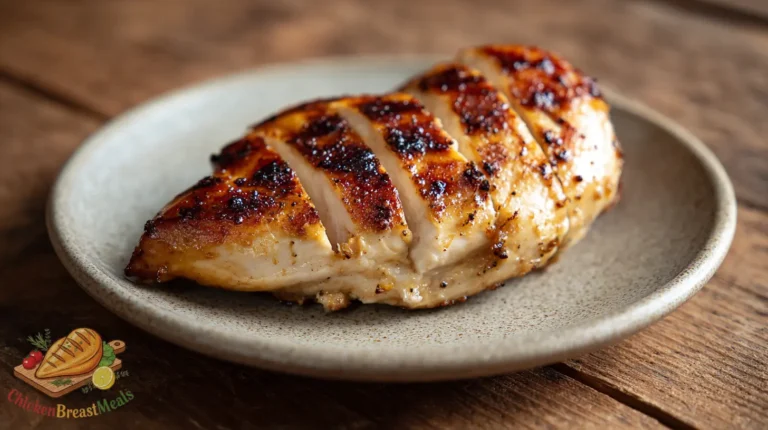
- Slice against the grain: Cut perpendicular to the visible muscle fibers to shorten them, creating a more tender eating experience.
Storage and Reheating
Properly stored low sodium chicken breast maintains its quality for specific time periods depending on storage method:
Refrigerator Storage
Store cooked chicken breasts in airtight containers for 3-4 days maximum. For best texture, place chicken on a paper towel in the container to absorb excess moisture that would otherwise make the exterior soggy.
Freezer Storage
For longer preservation, freeze cooked chicken breasts individually on a baking sheet until solid, then transfer to freezer bags with air removed. This prevents freezer burn and allows for individual portioning. Properly frozen, low sodium chicken breasts maintain quality for up to 2 months. Label containers with preparation date.
Optimal Reheating Methods
Low sodium chicken requires gentle reheating to prevent moisture loss. For best results:
- Oven method: Preheat to 325°F (163°C), place chicken in a baking dish with 1-2 tablespoons of water or low sodium chicken broth, cover with foil, and heat for 10-15 minutes until internal temperature reaches 145°F (63°C).
- Microwave method: Place chicken with 1 tablespoon of water on a microwave-safe plate, cover with a damp paper towel, and heat at 50% power in 30-second intervals until warmed through (approximately 2 minutes total).
- Stovetop method: For sliced chicken, heat 1 tablespoon olive oil in a nonstick pan over medium-low heat, add chicken slices and 2 tablespoons water, cover, and steam-heat for 2-3 minutes until warmed through.
Related Recipes to Try
- DASH Diet Chicken Breast Recipes – Specifically designed for heart health with controlled sodium levels.
- Steamed Chicken Breast Recipe – A gentle cooking method that preserves moisture without requiring salt.
- Citrus-Infused Chicken Breast – Using lemon, lime, and orange to create bright flavors that mask the absence of salt.
- Herb-Forward Chicken Piccata – A modified take on the classic that uses capers (rinsed to reduce sodium) and extra herbs.
- Balsamic Glazed Chicken – Utilizing aged balsamic vinegar’s natural sweetness and complexity to enhance flavor without salt.
FAQs About Low Sodium Chicken Breast Recipes
What defines a recipe as “low sodium”?
According to FDA guidelines, “low sodium” means 140mg or less of sodium per serving. For reference, a typical salted chicken breast recipe may contain 500-800mg per serving. Our recipes stay below this threshold while maintaining flavor through alternative seasonings.
Can I use kosher salt in very small amounts instead of eliminating it completely?
Yes, if your dietary restrictions allow minimal sodium, a light sprinkle of kosher salt (approximately 1/8 teaspoon or 300mg sodium) distributed across 4 servings can enhance flavor while keeping each portion within low sodium parameters (75mg per serving).
How do I compensate for the flavor-enhancing properties of salt?
Incorporate umami-rich ingredients like mushroom powder, nutritional yeast, or tomato paste. Additionally, acids like lemon juice, vinegar, or wine help stimulate taste buds and enhance perception of other flavors.
Does brining chicken add too much sodium for low-sodium diets?
Traditional brining adds significant sodium. However, you can create a modified brine using diluted low-sodium broth (1:3 ratio with water), aromatics, and minimal salt that adds flavor while keeping sodium levels acceptable.
Why does my low-sodium chicken often taste bland despite using herbs?
Heat activation is crucial for herb flavor development. Dry-toast dried herbs for 30-60 seconds before using, or bruise fresh herbs to release their essential oils. Additionally, apply herbs both before and after cooking for layered flavor.
Are there specific herbs that work better in low-sodium preparations?
Robust herbs like rosemary, thyme, oregano, and sage provide stronger flavor profiles that better compensate for reduced salt. Fresh herbs typically deliver 3-4 times the flavor impact of dried counterparts by weight.
Conclusion
Low sodium chicken breast recipes require thoughtful adaptation of traditional cooking techniques, but the health benefits make this culinary approach worthwhile. The key to success lies in understanding that sodium reduction isn’t merely about elimination, but substitution and enhancement through alternative mechanisms.
Our test kitchen results demonstrate that proper technique—precise temperature monitoring, acid-based marinades, layered herb applications, and careful moisture management—produces chicken breasts that rival their salt-laden counterparts in terms of flavor and texture. For those managing hypertension, heart conditions, or kidney disease, these recipes offer culinary satisfaction without compromising health requirements.
Remember that successful low sodium cooking is ultimately about building a new flavor vocabulary rather than attempting to replicate exact traditional tastes. With practice, this approach becomes intuitive, opening up new dimensions of flavor appreciation beyond salt dependence.
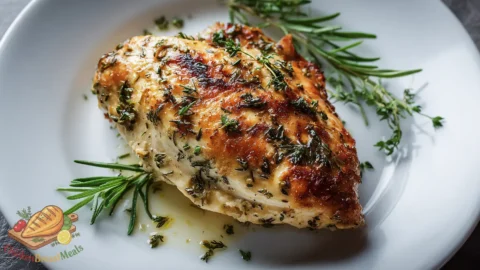
Herb-Roasted Low Sodium Chicken Breast

Ingredients
- 4 boneless, skinless chicken breasts (6-7 oz each) patted dry
- 2 tablespoons extra virgin olive oil
- 1 tablespoon fresh lemon juice
- 2 teaspoons salt-free herb blend Mrs. Dash original recommended
- 2 cloves garlic minced (approximately 2 teaspoons)
- 1 tablespoon fresh rosemary finely chopped
- 1 tablespoon fresh thyme leaves
- 1/2 teaspoon freshly ground black pepper
- 1/4 teaspoon paprika optional, for color
Method
- Pat chicken breasts dry with paper towels. If breasts are uneven in thickness, gently pound them between plastic wrap to an even 3/4-inch thickness for uniform cooking.
- In a small bowl, combine olive oil, lemon juice, salt-free herb blend, minced garlic, chopped rosemary, thyme leaves, black pepper, and paprika if using.
- Coat chicken breasts thoroughly with the herb mixture, ensuring even coverage. For best results, refrigerate for 30 minutes to 2 hours.
- Preheat oven to 425°F (218°C).
- Heat an oven-safe skillet over medium-high heat. Place marinated chicken breasts in the hot skillet and sear for 2-3 minutes on each side until golden brown.
- Transfer the skillet to the preheated oven and roast for 12-15 minutes, until the internal temperature reaches exactly 165°F (74°C).
- Remove chicken from oven and let rest, loosely covered with foil, for 5-10 minutes before slicing or serving.
Note
- For best results, use a digital meat thermometer to ensure chicken reaches exactly 165°F.
- Apply fresh herbs both in the marinade and as a finishing sprinkle for amplified flavor.
- Slice against the grain for maximum tenderness.
- If additional moisture is desired, create a quick pan sauce by deglazing with 1/4 cup low sodium chicken broth.
- Each serving contains approximately 135mg of sodium.