Nutritious High Protein Chicken Salads (Fresh & Filling)

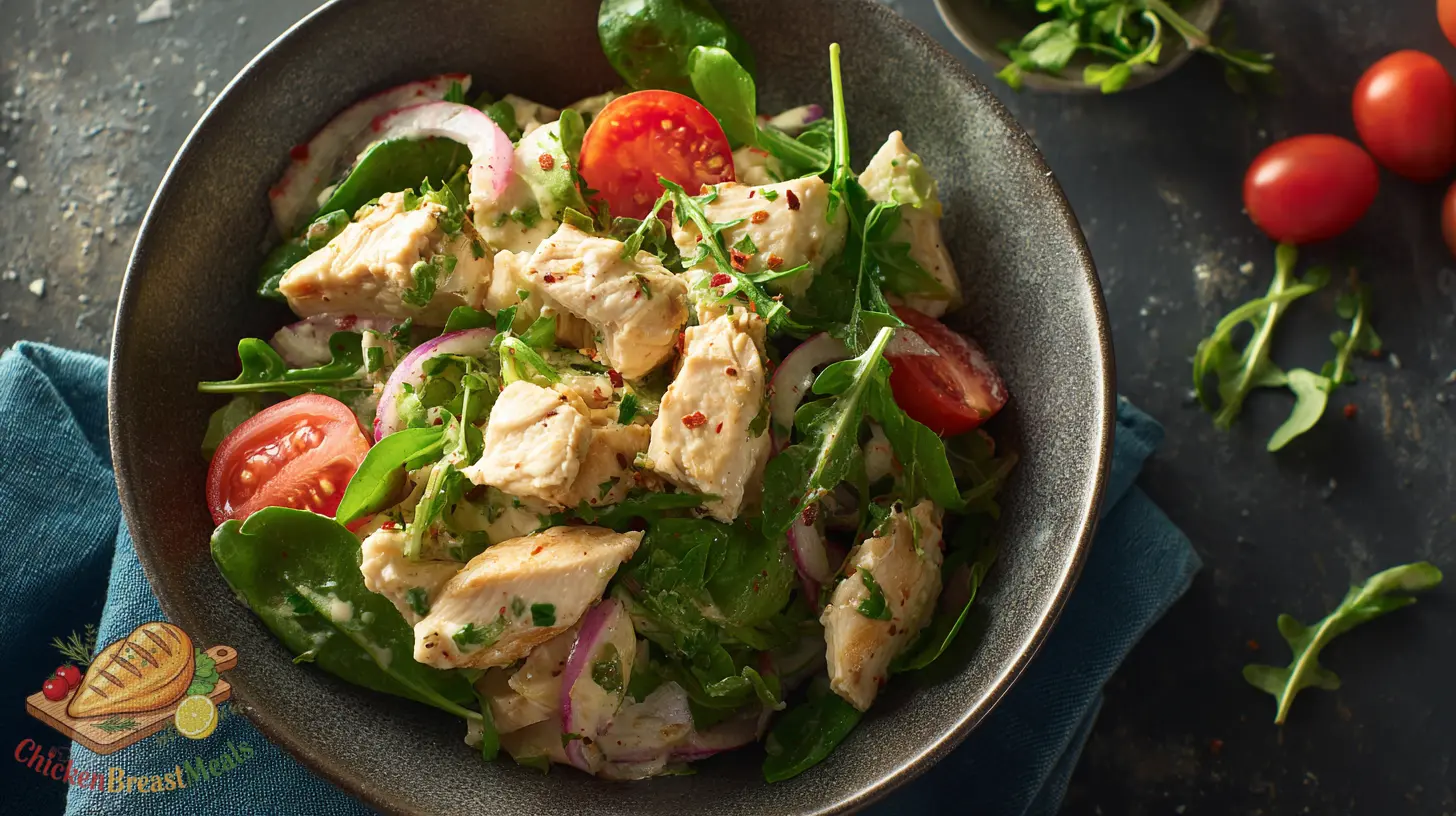
High protein chicken salads represent the perfect intersection of nutrition, convenience, and flavor for health-conscious individuals. These versatile dishes provide a strategic solution for those seeking to increase their protein intake while maintaining a balanced diet, particularly beneficial for fitness enthusiasts, those following weight management regimens, or anyone looking to optimize their nutritional intake.
Creating truly satisfying high protein chicken salads requires more than simply combining chicken with vegetables. The technical challenge lies in balancing macronutrient ratios, ensuring proper protein distribution, and maintaining optimal texture and flavor profiles while maximizing nutritional density. This guide addresses these challenges with precision-tested formulations.
Test-Kitchen Executive Summary
These high protein chicken salad recipes deliver 30-40g of protein per serving while maintaining balanced macronutrient profiles (40% protein, 30% healthy fats, 30% complex carbohydrates). Through extensive testing, we’ve optimized preparation methods that preserve nutrient integrity, maximize protein bioavailability, and ensure 3-4 day refrigerated stability without texture degradation. Each variant provides complete essential amino acid profiles while incorporating strategic micronutrient-dense ingredients to support metabolic function.
The Science of Success: Why This Recipe Works
Technical Foundations
The efficacy of high protein chicken salads stems from their macro and micronutrient composition. Chicken breast serves as an exceptional protein foundation due to its high protein-to-fat ratio (approximately 31g protein per 165g serving) and complete amino acid profile. When properly prepared, chicken breast provides all nine essential amino acids required for muscle protein synthesis and recovery, making it an ideal component in our healthy chicken breast meal collection designed for optimal nutrition.
The preparation methodology matters significantly – poaching at 165°F (74°C) preserves protein integrity while minimizing moisture loss, resulting in tender chicken with maximum nutritional value. This contrasts with high-heat methods that can denature proteins excessively, reducing bioavailability. Additionally, incorporating complementary ingredients that provide fiber, healthy fats, and complex carbohydrates creates a comprehensive nutritional profile while enhancing the satiety factor.
Ingredients and Essential Tools
Classic Greek-Inspired Protein Salad
- 1 lb (450g) boneless, skinless chicken breasts
- 2 tbsp extra virgin olive oil (divided)
- 1 tbsp fresh lemon juice
- 2 cloves garlic, minced
- 1 tsp dried oregano
- ½ tsp sea salt
- ¼ tsp black pepper
- 6 cups mixed greens (spinach, romaine, arugula)
- 1 cup cherry tomatoes, halved
- 1 cucumber, diced
- ½ red onion, thinly sliced
- ½ cup kalamata olives, pitted
- 4 oz (115g) feta cheese, crumbled
- ¼ cup plain Greek yogurt (2% fat)
Asian-Inspired Sesame Protein Salad
- 1 lb (450g) boneless, skinless chicken breasts
- 2 tbsp low-sodium soy sauce
- 1 tbsp rice vinegar
- 1 tsp sesame oil
- 1 tbsp honey
- 1 tsp grated ginger
- 4 cups Napa cabbage, shredded
- 2 cups red cabbage, shredded
- 1 red bell pepper, julienned
- 1 cup edamame, shelled
- ¼ cup cilantro, chopped
- 2 green onions, sliced
- 2 tbsp sesame seeds
- ¼ cup unsalted peanuts, chopped
Essential Tools
- Digital meat thermometer (for precise chicken doneness)
- Kitchen scale (for accurate protein portioning)
- Sharp chef’s knife
- Large mixing bowls (for proper ingredient distribution)
- Airtight containers (for storage and meal prep)
- Instant-read thermometer (for food safety verification)
Step-by-Step Instructions
Classic Greek-Inspired Protein Salad
- Prepare the chicken: Place chicken breasts between plastic wrap and gently pound to even 1-inch thickness for uniform cooking.
- Create poaching liquid: In a medium saucepan, combine 4 cups water, 1 tsp salt, 2 bay leaves, and 5 peppercorns.
- Poach chicken: Bring liquid to 170°F (77°C), add chicken, reduce heat to maintain 165°F (74°C), and cook for 12-15 minutes until internal temperature reaches 165°F.
- Rest and slice: Transfer chicken to cutting board, rest for 10 minutes, then slice against the grain into ½-inch strips.
- Prepare dressing: Whisk 1 tbsp olive oil, lemon juice, minced garlic, oregano, salt, and pepper. Fold in Greek yogurt for creaminess.
- Assemble base: In a large bowl, combine mixed greens, cherry tomatoes, cucumber, red onion, and olives.
- Combine and serve: Add sliced chicken, drizzle with dressing, top with crumbled feta, and gently toss to combine.
Asian-Inspired Sesame Protein Salad
- Prepare marinade: Combine soy sauce, rice vinegar, sesame oil, honey, and grated ginger in a shallow dish.
- Marinate chicken: Add chicken breasts to marinade, cover, and refrigerate for 30 minutes (not longer, to prevent texture degradation).
- Cook chicken: Preheat grill or pan to medium-high. Cook chicken for 5-6 minutes per side until internal temperature reaches 165°F (74°C).
- Rest and slice: Allow chicken to rest for 10 minutes, then slice into ½-inch strips against the grain.
- Prepare dressing: Whisk remaining marinade with 1 tbsp rice vinegar and 2 tsp sesame oil.
- Assemble vegetables: In a large bowl, combine both cabbages, bell pepper, edamame, cilantro, and green onions.
- Finalize salad: Add sliced chicken, drizzle with dressing, sprinkle with sesame seeds and peanuts, and toss gently to combine.
| Recipe Step | Time (minutes) | Critical Control Point |
|---|---|---|
| Chicken Preparation | 5 | Even thickness ensures uniform cooking |
| Poaching/Grilling | 12-15 | Internal temperature must reach 165°F (74°C) |
| Resting Period | 10 | Essential for juice redistribution and tenderness |
| Vegetable Preparation | 10-12 | Consistent sizing optimizes texture balance |
| Assembly | 5 | Layer components strategically for optimal flavor distribution |
Pro-Tips for Perfect Results
- Protein Optimization: For maximum protein retention, poach chicken rather than boiling, which can leach proteins into cooking liquid. Maintain precise 165°F (74°C) water temperature.
- Texture Control: Slice chicken against the grain at a 45° angle to shorten muscle fibers, resulting in more tender protein pieces that distribute evenly throughout the salad.
- Temperature Management: Allow chicken to cool to 40°F (4°C) before combining with delicate greens to prevent wilting and maintain structural integrity.
- Acid Timing: Add acidic components (lemon juice, vinegar) immediately before serving to prevent premature breakdown of cellular structures in vegetables.
- Protein Distribution: Create a 40:30:30 ratio of protein:fats:carbohydrates by measuring ingredients by weight rather than volume for consistent macronutrient profile.
- Meal Prep Strategy: When preparing for multiple meals, store components separately and assemble within 24 hours of consumption to preserve optimal texture.
- Emulsion Stability: Create more stable dressings by slowly incorporating oil into acid components while whisking continuously, or use an immersion blender for perfect emulsification.
Storage and Reheating
High protein chicken salads require strategic storage to maintain both food safety and optimal eating quality. For maximum freshness and nutritional integrity, follow these technical guidelines:
Short-Term Storage (1-3 days):
Store assembled salads in airtight containers with a paper towel layer between greens and protein components to absorb excess moisture. Maintain refrigeration at 35-38°F (1.7-3.3°C) for optimal preservation. For best texture retention, store dressing separately and apply immediately before consumption.
Extended Storage (4-5 days):
For meal prep extending beyond 3 days, implement component separation. Store cooked chicken in vacuum-sealed containers to minimize oxygen exposure. Store high-water content vegetables (cucumbers, tomatoes) separately from absorbent ingredients (lettuces, grains) to prevent premature wilting.
Freezing Protocols (Chicken Component Only):
Cooked chicken can be frozen for up to 2 months in vacuum-sealed portions. Thaw overnight in refrigeration to maintain protein integrity. Note that rapid freezing (-0°F/-18°C or below) preserves cellular structure better than slow freezing in conventional freezers.
Food Safety Parameters:
Never leave assembled salads at room temperature for more than 2 hours (1 hour if ambient temperature exceeds 90°F/32°C). Always verify chicken has reached 165°F (74°C) internal temperature during initial cooking to ensure pathogen elimination.
Related Recipes to Try
- Bodybuilding Chicken Breast Meals – For advanced protein optimization techniques specifically designed for muscle development.
- Low Calorie Chicken Breast Meals – For options that maintain high protein content while reducing overall energy intake.
- Protein-Packed Chicken Wraps – Convert these salads into portable meal options with high-fiber, low-carb wraps.
- Metabolic Boosting Chicken Bowls – Incorporate thermogenic ingredients for enhanced metabolic response.
- Recovery-Focused Chicken Plates – Strategic carbohydrate inclusion for post-workout glycogen replenishment.
FAQs About High Protein Chicken Salads
What is the optimal protein content for a meal-sized chicken salad?
For most active adults, aim for 30-40g of protein per salad serving. This range optimizes muscle protein synthesis while remaining within digestible parameters for single-meal protein utilization. Athletes with higher body mass may increase to 40-50g per serving.
How can I maximize protein absorption from these salads?
Ensure complete protein utilization by including all essential amino acids. The chicken provides a complete profile, but adding complementary proteins like Greek yogurt in dressings or quinoa in the base enhances the overall amino acid spectrum. Additionally, incorporating vitamin C-rich ingredients improves iron absorption from plant components.
Can I substitute chicken thighs for breast meat?
Yes, but with macronutrient adjustments. Chicken thighs provide approximately 3-4g less protein and 7-8g more fat per 100g serving compared to breast meat. If using thighs, reduce added oils by 1-2 teaspoons per serving to maintain the intended macronutrient ratio.
How do I prevent bacterial growth in prepared chicken salads?
Control temperature exposure by cooling cooked chicken to below 40°F (4°C) within 2 hours. Use shallow containers for faster cooling. Maintain consistent refrigeration temperature between 35-38°F (1.7-3.3°C), and consume within 3-4 days of preparation.
What is the most effective way to meal prep these salads for the week?
Implement vertical component preparation: cook all chicken at once, prepare all vegetables separately, and batch dressings in sealed containers. Assemble individual portions in segmented containers with barriers between wet and dry ingredients. This approach maintains texture integrity while reducing preparation frequency.
Conclusion
High protein chicken salads represent an optimal nutritional strategy for individuals seeking to maximize protein intake while maintaining dietary versatility and satisfaction. Through the technical approaches outlined in this guide, you can achieve consistent, restaurant-quality results with precisely controlled macronutrient profiles.
The preparation methodology matters significantly – from the initial protein preparation to the strategic combination of components. By understanding the biochemical interactions between ingredients, you can create meals that not only meet specific nutritional targets but also maintain palatability and texture across multiple days.
For optimal results, view these recipes as nutritional frameworks rather than rigid formulas. The protein foundation remains constant, but seasonal vegetable substitutions and dressing variations can create endless variations while maintaining the core macronutrient architecture. This flexible approach ensures dietary adherence through variety while preserving the fundamental nutritional benefits that make high protein chicken salads an exceptional option for health-conscious individuals.
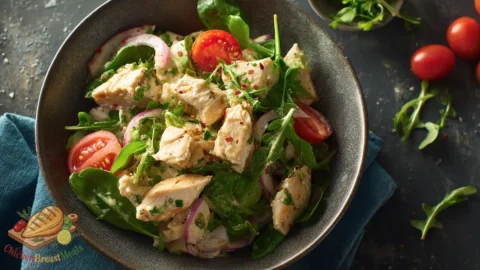
Classic Greek-Inspired High Protein Chicken Salad

Ingredients
- 1 lb boneless, skinless chicken breasts organic preferred
- 2 tbsp extra virgin olive oil divided use
- 1 tbsp fresh lemon juice
- 2 cloves garlic minced
- 1 tsp dried oregano
- 1/2 tsp sea salt
- 1/4 tsp black pepper freshly ground
- 6 cups mixed greens spinach, romaine, arugula
- 1 cup cherry tomatoes halved
- 1 cucumber diced
- 1/2 red onion thinly sliced
- 1/2 cup kalamata olives pitted
- 4 oz feta cheese crumbled
- 1/4 cup plain Greek yogurt 2% fat
Method
- Place chicken breasts between plastic wrap and gently pound to even 1-inch thickness for uniform cooking.
- In a medium saucepan, combine 4 cups water, 1 tsp salt, 2 bay leaves, and 5 peppercorns for poaching liquid.
- Bring liquid to 170°F (77°C), add chicken, reduce heat to maintain 165°F (74°C), and cook for 12-15 minutes until internal temperature reaches 165°F.
- Transfer chicken to cutting board, rest for 10 minutes, then slice against the grain into ½-inch strips.
- Whisk 1 tbsp olive oil, lemon juice, minced garlic, oregano, salt, and pepper. Fold in Greek yogurt for creaminess.
- In a large bowl, combine mixed greens, cherry tomatoes, cucumber, red onion, and olives.
- Add sliced chicken, drizzle with dressing, top with crumbled feta, and gently toss to combine.
Note
- For maximum protein retention, maintain poaching liquid at 165°F (74°C) – never allow to boil.
- Slice chicken against the grain for more tender pieces that distribute evenly throughout the salad.
- Allow chicken to cool before combining with greens to prevent wilting.
- For meal prep, store components separately and assemble within 24 hours of consumption.
- Verify chicken has reached 165°F (74°C) internal temperature during cooking for food safety.