Safe Boiled Chicken Breast for Dogs (Simple & Gentle Recipe)

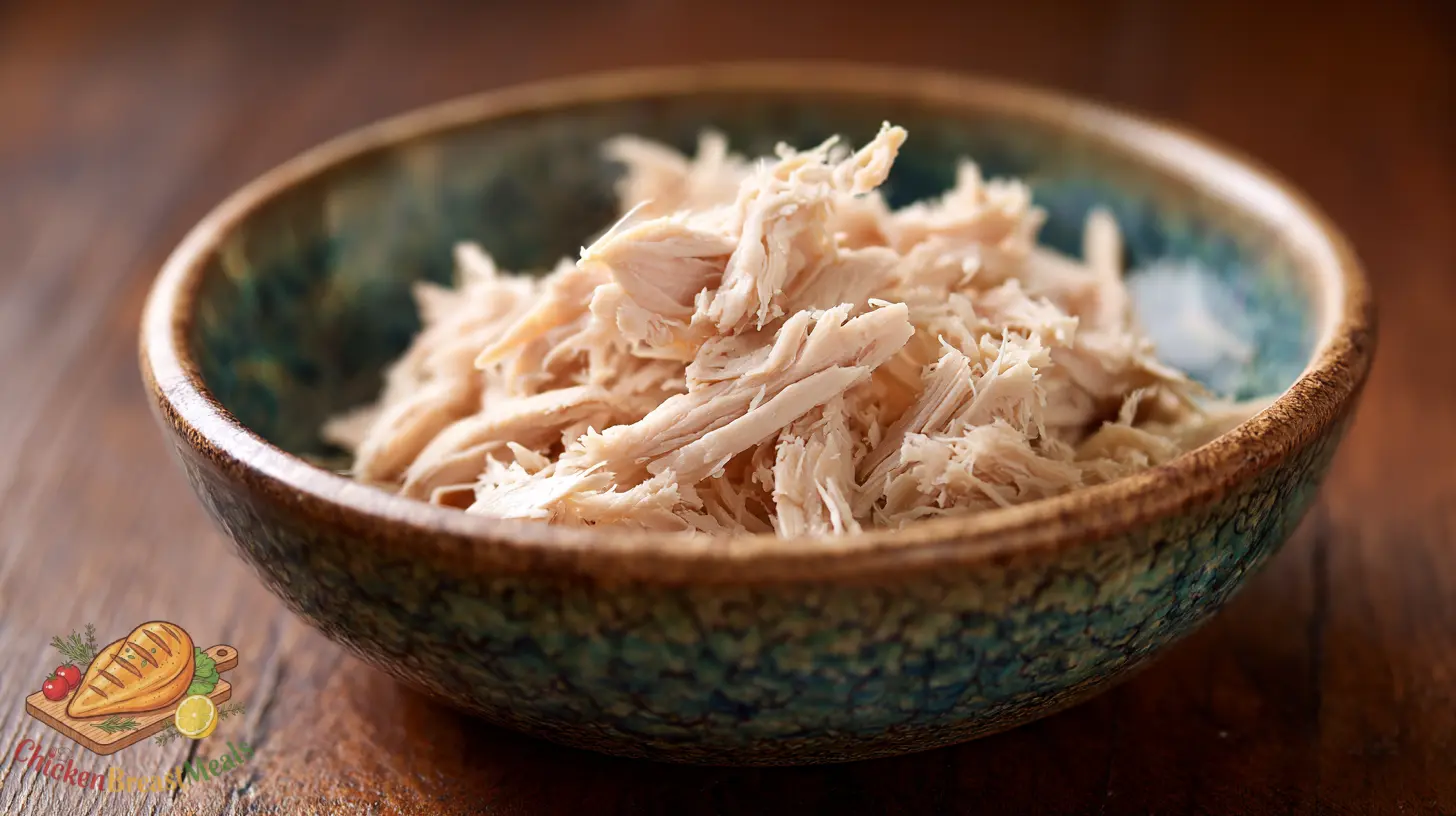
Boiled chicken breast for dogs remains one of the most veterinarian-recommended protein sources for canines experiencing digestive upset, recovering from illness, or simply in need of a bland yet nutritious meal. The gentle cooking technique preserves essential nutrients while creating a soft, easily digestible texture that appeals to even the most sensitive canine stomachs.
As pet owners increasingly prioritize whole-food additions to their dogs’ diets, understanding the proper preparation of boiled chicken breast becomes crucial. Incorrect cooking methods can strip nutrients, create choking hazards, or introduce seasonings potentially harmful to dogs. This recipe ensures you’ll prepare this canine staple optimally and safely.
Test-Kitchen Executive Summary
This technique produces perfectly tender, unseasoned boiled chicken breast optimized for canine consumption using a gentle poaching method at 165°F (74°C). The recipe yields approximately 2 cups of shredded chicken with 135 calories and 25.5g protein per 3oz serving. Safe storage parameters maintain quality for 3-4 days refrigerated or up to 2 months frozen. Key quality indicators include complete white coloration, easy shredding, and slight moisture retention.
The Science of Success: Why This Recipe Works
Technical Foundations
Boiling chicken for dogs differs significantly from human-oriented preparation methods. The technical approach here relies on gentle heat application through a modified poaching method rather than aggressive boiling. This technique maintains the chicken’s protein integrity while yielding the optimal texture for canine digestion. The method eliminates the need for any seasonings or additives that could potentially harm dogs, focusing instead on the natural nutritional profile of chicken breast, which aligns perfectly with our philosophy of creating healthy chicken breast meals adapted for different dietary needs.
Poaching the chicken at a controlled temperature (just below simmering) prevents the protein fibers from contracting excessively, which would otherwise result in tough meat. This gentle cooking approach also preserves more of the chicken’s natural B vitamins and maintains higher moisture content – particularly important for dogs that might need additional hydration alongside their protein intake.
Ingredients and Essential Tools
Ingredients:
- 1 pound (454g) boneless, skinless chicken breasts
- 4-6 cups filtered water (enough to fully submerge chicken)
Tools Required:
- Medium-sized pot with lid (4-6 quart capacity)
- Digital meat thermometer
- Slotted spoon or tongs
- Cutting board (dedicated to meat preparation)
- Sharp knife or two forks for shredding
- Storage containers (glass preferred)
Step-by-Step Instructions
- Preparation: Rinse the chicken breasts under cold water and pat dry with paper towels. Trim any visible fat.
- Arrange in pot: Place the chicken breasts in a single layer at the bottom of your pot.
- Add water: Pour in enough filtered water to cover the chicken breasts by approximately 1 inch (2.5cm).
- Heat application: Place the pot over medium heat and bring the water to a gentle boil.
- Reduce and simmer: Once boiling, immediately reduce heat to low. The water should barely simmer with only occasional bubbles breaking the surface.
- Cover and cook: Place the lid on the pot and maintain the gentle simmer according to the timing chart below.
- Temperature verification: Use a digital meat thermometer to verify the internal temperature has reached 165°F (74°C) at the thickest part.
- Rest period: Remove pot from heat and allow the chicken to rest in the cooking liquid for 5 minutes. This redistribution period enhances moisture retention.
- Cooling phase: Remove chicken with slotted spoon or tongs and place on cutting board to cool for 10 minutes before handling.
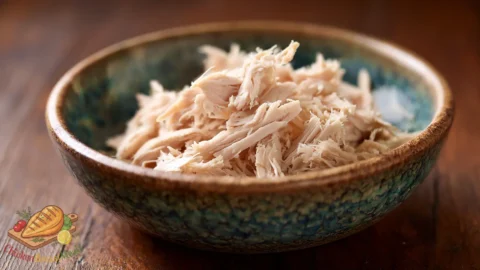
- Shredding technique: Once cooled enough to handle, shred the chicken using two forks or slice into appropriate-sized pieces based on your dog’s size and needs.
| Chicken Breast Size | Approximate Cooking Time | Internal Temperature Goal |
|---|---|---|
| Small (4-6 oz/113-170g) | 10-12 minutes | 165°F (74°C) |
| Medium (7-8 oz/198-227g) | 12-15 minutes | 165°F (74°C) |
| Large (9+ oz/255g+) | 15-20 minutes | 165°F (74°C) |
Pro-Tips for Perfect Results
- Temperature management: Maintain a consistent low simmer (180-190°F/82-88°C water temperature) rather than a rolling boil to prevent toughening of the protein fibers.
- Size consistency: If using multiple chicken breasts, select pieces of similar size or thickness for even cooking, or stagger the addition time based on size.
- Reserve cooking liquid: The resulting broth contains valuable nutrients and can be used to moisten dry kibble or stored separately for future use.
- Cooling protocol: Never serve hot chicken to dogs; allow it to cool to at least room temperature to prevent mouth burns.
- Portion appropriately: Calculate serving sizes based on your dog’s weight—generally 1/4 to 1/3 cup of shredded chicken per 20 pounds of body weight per serving when used as a meal supplement.
- Texture assessment: Properly cooked chicken for dogs should pull apart easily but still maintain some moisture—avoid dry, stringy results which indicate overcooking.
- Bone vigilance: Double-check for any small bone fragments before serving, particularly if using split chicken breasts rather than fillets.
Storage and Reheating
Refrigeration Protocol
Store cooled chicken in airtight glass containers in the refrigerator. Properly stored boiled chicken breast remains safe for canine consumption for 3-4 days. Divide into appropriate serving sizes before storage to minimize repeated handling.
Freezing Methodology
For extended preservation:
- Portion the shredded chicken into single-serving sizes based on your dog’s needs.
- Store in freezer-safe containers or silicone molds for portion control.
- Label with preparation date and contents.
- Freeze for up to 2 months for optimal quality.
Thawing Procedure
Always thaw frozen chicken in the refrigerator over 8-12 hours rather than at room temperature to prevent bacterial growth. For urgent use, place the sealed container in cold water, changing the water every 30 minutes until thawed.
Serving Temperature
Serve chicken at room temperature or slightly cool. Cold chicken directly from the refrigerator may be unpalatable for some dogs, while warm (not hot) chicken may increase aroma and appeal for dogs with reduced appetite.
Related Recipes to Try
- Perfectly Poached Chicken Breast Guide – A more refined technique that can be adapted for both human and canine consumption.
- Gentle Steamed Chicken Breast Recipe – An alternative cooking method that preserves moisture and nutrients exceptionally well.
- Chicken and Rice Blend for Sensitive Canine Stomachs
- Frozen Chicken Broth Treats for Summer Hydration
- Pumpkin and Chicken Digestive Support Mixture
FAQs About Boiled Chicken Breast for Dogs
How much boiled chicken should I feed my dog?
The appropriate portion depends on your dog’s weight, activity level, and whether the chicken is a supplement or temporary meal replacement. As a general guideline, offer approximately 1/4 to 1/3 cup of shredded chicken per 20 pounds of body weight per meal when used as a supplement. For meal replacement during gastrointestinal upset (under veterinary guidance), you may feed 1/2 to 3/4 cup per 20 pounds. Always consult your veterinarian for individualized feeding recommendations.
Can I season the chicken for my dog?
No. Dogs should receive plain boiled chicken without any seasonings, spices, oils, onions, garlic, or salt. These additions can cause digestive upset or even be toxic to dogs. The natural flavor of chicken is appealing to dogs without enhancements.
How can I tell if the boiled chicken has gone bad?
Discard chicken that exhibits an off odor, slimy texture, or discoloration. When properly stored, boiled chicken should remain fresh for 3-4 days in the refrigerator. If uncertain, err on the side of caution and dispose of questionable chicken.
Is boiled chicken breast nutritionally complete for dogs?
No. While excellent as a protein source, boiled chicken breast alone does not provide complete nutrition for dogs. It lacks essential minerals, vitamins, and fiber found in balanced commercial dog foods. Use it as a supplement to a complete diet or as a temporary meal during digestive upset under veterinary guidance.
Can puppies eat boiled chicken breast?
Yes, puppies can eat properly cooked, finely shredded or minced boiled chicken breast in appropriate portions. However, puppies have specific nutritional requirements for growth, so chicken should only supplement a puppy-formulated complete diet unless specifically instructed by your veterinarian.
Why is my dog’s stool loose after eating boiled chicken?
While boiled chicken is generally gentle on canine digestive systems, sudden dietary changes can cause temporary loose stool. Introduce chicken gradually, ensure it’s fully cooked, and consider combining it with plain white rice (50/50 ratio) for better stool consistency. If diarrhea persists beyond 24 hours, consult your veterinarian.
Can I use chicken broth from boiling to moisten my dog’s kibble?
Yes, the unseasoned cooking liquid can be used to enhance kibble palatability. Allow the broth to cool, skim off any fat that rises to the surface, and store refrigerated in a sealed container for up to 3 days. Use only a small amount (1-2 tablespoons per cup of kibble) to avoid sudden dietary moisture changes.
Conclusion
The technical precision applied to preparing boiled chicken breast for dogs significantly impacts its digestibility, nutrient retention, and palatability. By maintaining gentle heat application throughout the cooking process and avoiding all seasonings, you’ve created a protein source that serves multiple canine dietary purposes – from convalescent care to appetite stimulation.
This preparation method stands apart from human-oriented cooking techniques through its intentional simplicity. The absence of additives honors the carnivorous digestive adaptation of dogs while the gentle cooking process optimizes the chicken’s bioavailability. When properly executed, this recipe provides a consistent, safe protein source that can be incorporated into various feeding scenarios while minimizing the risk of gastrointestinal upset.
For optimal canine health outcomes, remember that boiled chicken breast functions best as a temporary meal replacement or as a supplement to nutritionally complete dog food rather than a standalone diet. The controlled cooking environment, precise temperature management, and careful storage protocols outlined in this guide ensure you’re providing the highest quality protein possible for your canine companion’s specific needs.
Safe Boiled Chicken Breast for Dogs

Ingredients
- 1 pound boneless, skinless chicken breasts approximately 2-3 medium breasts
- 4-6 cups filtered water enough to fully submerge chicken
Method
- Rinse the chicken breasts under cold water and pat dry with paper towels. Trim any visible fat.
- Place the chicken breasts in a single layer at the bottom of a medium pot.
- Pour in enough filtered water to cover the chicken breasts by approximately 1 inch (2.5cm).
- Place the pot over medium heat and bring the water to a gentle boil.
- Once boiling, immediately reduce heat to low. The water should barely simmer with only occasional bubbles breaking the surface.
- Place the lid on the pot and maintain the gentle simmer for 12-15 minutes for medium chicken breasts.
- Use a digital meat thermometer to verify the internal temperature has reached 165°F (74°C) at the thickest part.
- Remove pot from heat and allow the chicken to rest in the cooking liquid for 5 minutes.
- Remove chicken with slotted spoon or tongs and place on cutting board to cool for 10 minutes before handling.
- Once cooled enough to handle, shred the chicken using two forks or slice into appropriate-sized pieces based on your dog’s size.
Note
- Store in refrigerator for 3-4 days or freeze for up to 2 months.
- Always cool completely before serving to your dog.
- The cooking liquid can be reserved and used to moisten dry kibble.
- Portion size should be approximately 1/4 to 1/3 cup per 20 pounds of body weight.
- This recipe is not a nutritionally complete meal for long-term feeding.