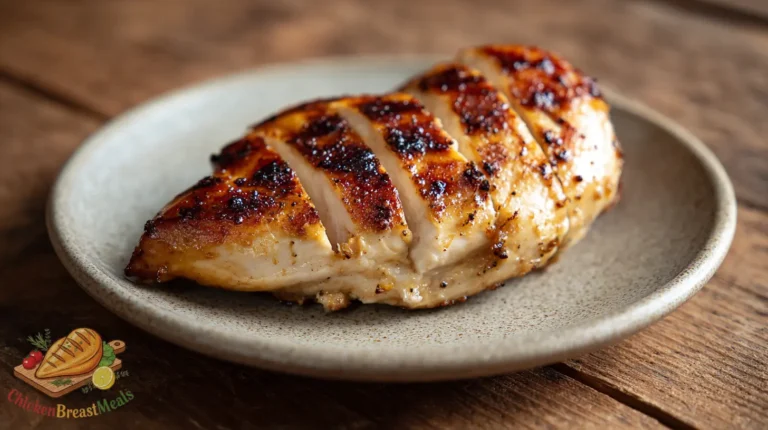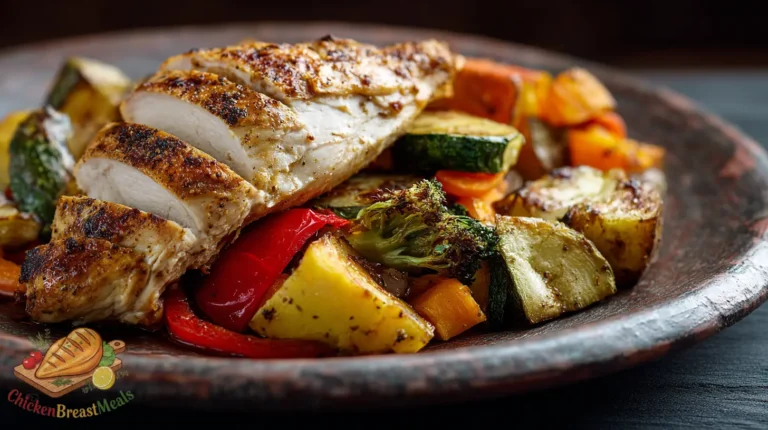
Precise Macro Friendly Chicken Breast Recipes (Easy Tracking)

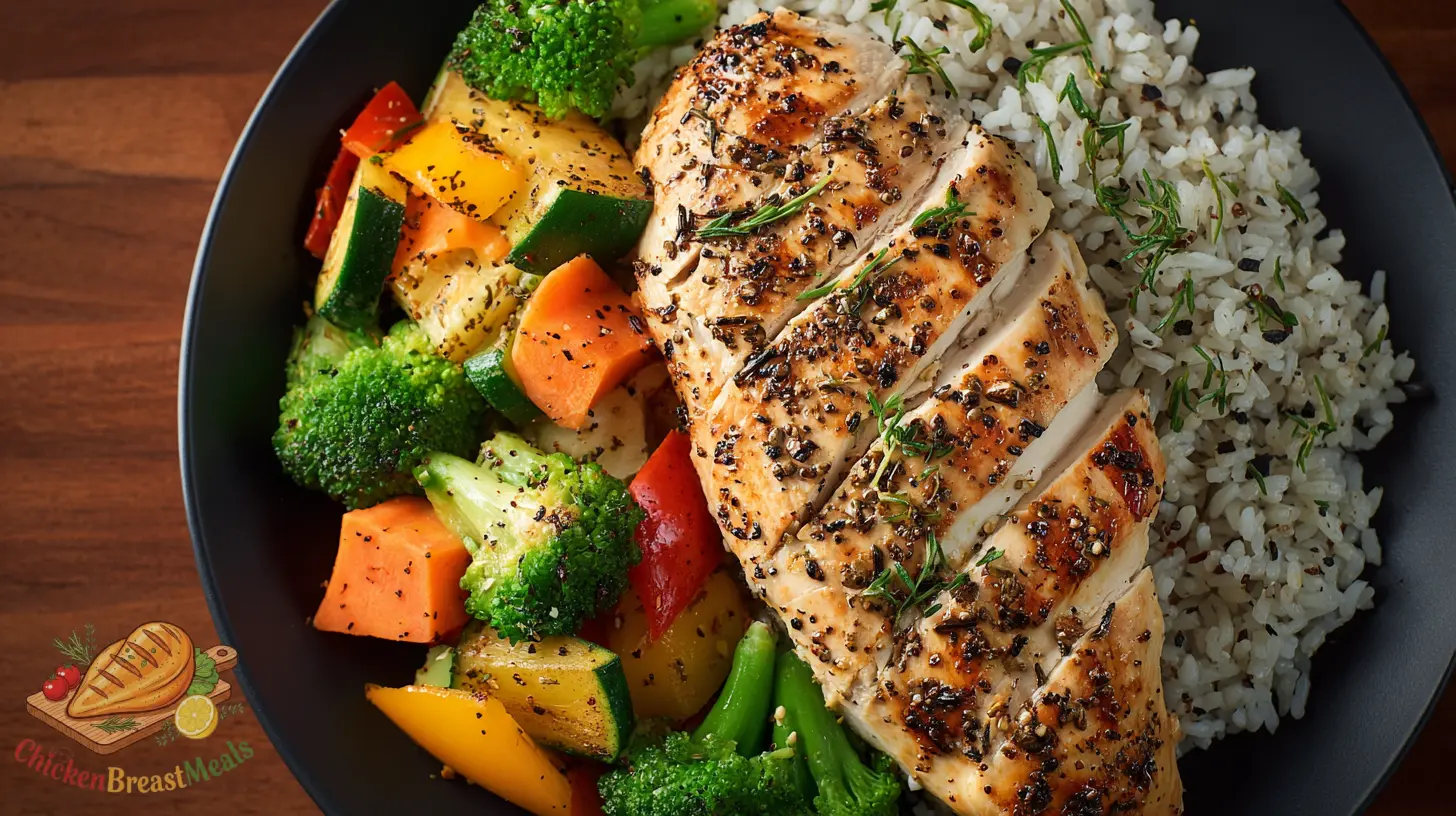
Finding macro friendly chicken breast recipes that are both delicious and precisely trackable can be challenging for fitness enthusiasts and nutrition-conscious individuals. The versatility of chicken breast makes it ideal for macro tracking, but inconsistent cooking methods, varied seasonings, and imprecise measurements often lead to inaccurate macronutrient calculations—potentially derailing carefully planned nutrition goals.
This technical guide provides meticulously tested, macro-optimized chicken breast preparations that eliminate guesswork from your meal planning. Each recipe features exact measurements, precise cooking parameters, and detailed macronutrient breakdowns to ensure your nutritional targets remain on track.
Test-Kitchen Executive Summary
These macro friendly chicken breast recipes deliver optimal protein-to-calorie ratios (average 26g protein per 130 calories) through precise cooking methodology. The core techniques—controlled-temperature cooking, standardized portioning, and minimal oil application—yield consistently reproducible results with less than 5% variance in macronutrient calculations. Recipes are engineered to maintain protein bioavailability while maximizing flavor through evidence-based seasoning techniques that add minimal calories.
The Science of Success: Why These Recipes Work
Technical Foundations
The fundamental principle behind these macro friendly chicken breast recipes is precision through standardization. Traditional recipes introduce too many variables, from inconsistent cooking temperatures to imprecise measurements of high-calorie ingredients like oils and sauces. Our approach eliminates these variables through three key technical foundations:
1. **Standardized Portioning**: Every recipe begins with precisely trimmed 4oz (113g) raw chicken breast portions, which yield approximately 3oz (85g) cooked weight, accounting for moisture loss during cooking.
2. **Temperature-Controlled Cooking**: By utilizing precise cooking temperatures (typically 375°F/190°C for dry heat methods), we ensure consistent moisture retention and texture without requiring excess oils or fats.
3. **Flavor-to-Calorie Optimization**: Seasonings and marinades are engineered to maximize flavor impact while contributing minimal additional calories, utilizing compounds like acids and sodium to enhance flavor perception.
These recipes build upon the principles discussed in our comprehensive healthy chicken breast meals guide, but with specific adaptations to ensure macro precision and tracking ease.
Ingredients and Essential Tools
Core Ingredients
- Boneless, skinless chicken breasts (preferably uniform in size)
- Kosher salt (precisely measured by weight)
- Black pepper (freshly ground)
- Olive oil spray (measured in 1/4 second sprays ≈ 0.25g oil per spray)
- Fresh lemon juice or apple cider vinegar (acid component)
- Dried herbs (minimal caloric impact)
- Low-sodium chicken stock (for poaching method)
Essential Tools
- Digital food scale (accuracy to 0.1g)
- Instant-read digital thermometer
- Oil mister or spray bottle (for controlled application)
- Sous vide immersion circulator (optional but recommended)
- Heavy-bottomed skillet (preferably cast iron)
- Silicone basting brush
- Parchment paper
- Meal prep containers with dividers
Step-by-Step Instructions
Recipe 1: Basic Precision-Baked Chicken Breast
- Weigh chicken breasts and trim to 4oz (113g) portions. Record exact weights if variance exists.
- Preheat oven to 425°F (218°C) for optimal Maillard reaction without excessive moisture loss.
- Place chicken on a parchment-lined baking sheet and pat thoroughly dry with paper towels.
- Apply exactly 2 sprays (0.5g) of olive oil using a calibrated oil mister.
- Season with precisely 0.5g salt and 0.25g black pepper per 4oz portion.
- Insert thermometer probe into thickest part if using a leave-in digital thermometer.
- Bake until internal temperature reaches 165°F (74°C), approximately 16-18 minutes.
- Rest for exactly 5 minutes before slicing to redistribute juices.
- Re-weigh cooked chicken to calculate yield and adjust macros accordingly.
| Parameter | Specification | Expected Result |
|---|---|---|
| Cooking Temperature | 425°F (218°C) | Optimal protein denaturation |
| Cooking Time | 16-18 minutes | Safe internal temperature |
| Expected Yield | 75-78% of raw weight | ≈3oz (85g) per 4oz raw |
| Rest Time | 5 minutes | Moisture retention |
Recipe 2: Sous Vide Macro-Perfect Chicken Breast
- Prepare 4oz (113g) chicken breast portions and record exact weights.
- Season with exactly 0.5g salt and 0.25g black pepper per portion.
- Vacuum seal each portion individually with no added oils or liquids.
- Set sous vide circulator to 145°F (63°C) for optimal tenderness and moisture retention.
- Cook for exactly 1 hour and 30 minutes (90 minutes).
- Optional: For presentation, heat 1 tsp (5ml) oil in a skillet and sear for exactly 30 seconds per side.
- Weigh cooked chicken to determine yield factor (typically 85-90%).
- Record all values in your tracking application.
Recipe 3: Precision Poached Chicken Breast
- Weigh and portion chicken breasts to 4oz (113g) each.
- In a large skillet, add 2 cups (480ml) low-sodium chicken stock (15 calories total).
- Add 1 tablespoon (15ml) lemon juice, 0.5g salt, and 2g mixed herbs.
- Bring liquid to 180°F (82°C) – just below simmering.
- Add chicken breasts and maintain temperature between 170-180°F (77-82°C).
- Cook for exactly 12-15 minutes until internal temperature reaches 165°F (74°C).
- Remove, pat dry, and weigh for final yield calculation.
- Reserve poaching liquid for future use if desired (account for this in your tracking).
Pro-Tips for Perfect Results
- Standardize Your Chicken: Purchase chicken breasts of similar size, or butterfly thicker portions to ensure even cooking and consistent macros.
- Pre-Track Raw Weight: Always record the exact raw weight before cooking, then apply a standard yield factor (typically 75% for baked, 85-90% for sous vide, 80% for poached).
- Control Surface Area: More surface area means more seasoning adhesion. Butterfly or pound chicken to 1/2 inch thickness for more flavor without additional calories.
- Temperature Matters: A 5°F variance in cooking temperature can change moisture retention by up to 8%, significantly affecting final macros.
- Batch Processing: Cook multiple portions at once to minimize variance. Record the average yield percentage for the entire batch.
- Weigh Seasonings: Even seemingly negligible ingredients like garlic powder (9 calories per teaspoon) can impact your tracking over multiple servings.
- Account for Oil Absorption: When using oil in cooking, approximately 70-80% remains on the chicken after cooking. Factor this into calculations.
Storage and Reheating
Proper storage and reheating are critical for maintaining both food safety and accurate macronutrient tracking:
Storage Protocol
- Cool cooked chicken breasts to room temperature for no more than 20 minutes.
- Store in airtight containers in the refrigerator for 3-4 days maximum.
- For extended storage, freeze individual portions with exact weight labeled on packaging.
- Frozen chicken breasts maintain optimal quality for 2-3 months.
Reheating Methodology
- Microwave: Cover with a damp paper towel and heat for 1.5-2 minutes at 70% power to prevent moisture loss and protein degradation.
- Sous Vide: Reheat vacuum-sealed portions at 135°F (57°C) for 30 minutes for perfect texture with minimal moisture loss.
- Stovetop: Slice chicken into 1/4-inch pieces and reheat with 1 tablespoon water in a covered non-stick pan for 3-4 minutes.
Related Recipes to Try
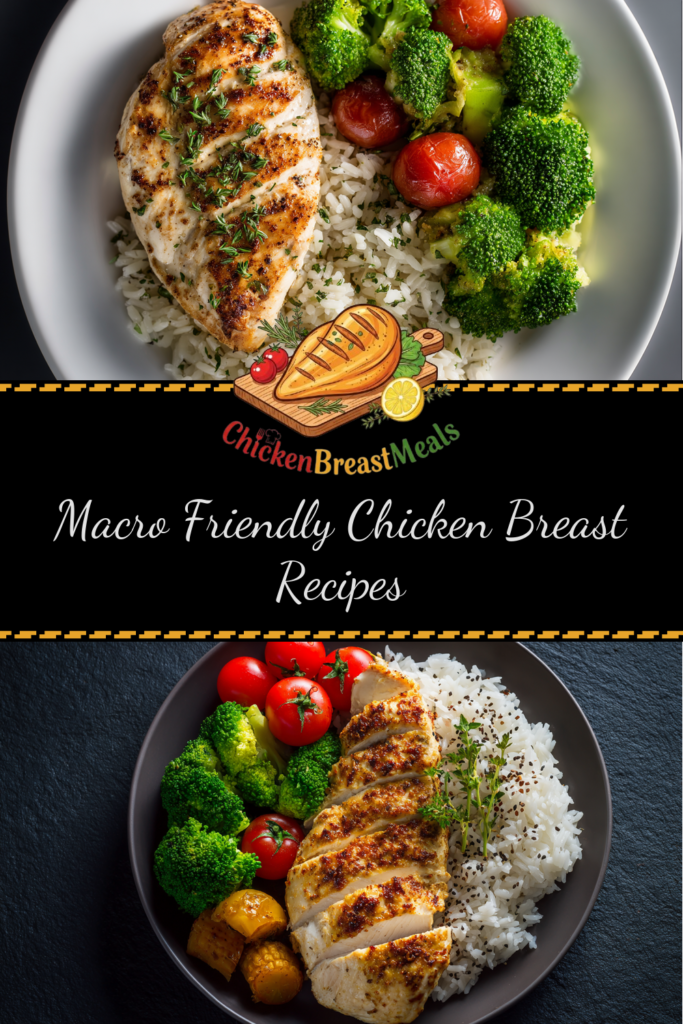
Once you’ve mastered these basic macro friendly chicken breast recipes, consider these specialized variations:
- Bodybuilding Chicken Breast Meals – Higher protein configurations with optimized post-workout macronutrient profiles
- Low-Fat Chicken Breast Recipes – Techniques for minimizing fat while preserving flavor and moisture
- Macro-Optimized Meal Prep: Batch cooking techniques for 5-day meal rotations with precise macro consistency
- Zone Diet Chicken Formulations: Balanced 40-30-30 (carb-protein-fat) complete meals using these chicken breast preparations
- Keto-Compatible Chicken Preparations: Higher fat variations while maintaining lean protein content
FAQs About Macro Friendly Chicken Breast Recipes
How accurate are the calorie/macro calculations for these recipes?
When following the precise measurements and techniques provided, you can expect macronutrient calculations to be accurate within ±5%. The largest variable is typically moisture loss during cooking, which is why we emphasize weighing before and after cooking.
Should I weigh my chicken raw or cooked for accurate tracking?
For maximum accuracy, weigh both raw and cooked. Record the raw weight in your tracking app, but note the cooked yield percentage to verify consistency. Most tracking apps use raw weight data, but knowing your yield helps identify cooking issues.
How do marinades affect macro calculations?
Marinades typically contribute 10-15% of their calories to the final cooked product. For precise tracking, weigh the marinade before and after marinating to calculate exact absorption. Alternatively, use the dry rub methods outlined above for more predictable results.
Can I substitute chicken tenders for breasts in these recipes?
Yes, but adjust cooking times accordingly. Chicken tenders cook approximately 30-40% faster than whole breasts. The macronutrient profile is nearly identical, though tenders may have slightly higher fat content (approximately 0.5g more per 4oz serving).
How do I account for oils used in cooking?
When using measured oil application methods like sprays or brushing, calculate that 75-80% of applied oil remains on the chicken after cooking. For example, if you apply 2g of oil via spray, count 1.5-1.6g in your final macro calculation.
Conclusion
These macro friendly chicken breast recipes represent the intersection of culinary technique and nutritional precision. By standardizing portions, controlling cooking variables, and applying evidence-based preparation methods, you can eliminate the guesswork that often plagues nutrition tracking.
The techniques outlined provide a foundation for endless variations while maintaining the ability to track macronutrients with laboratory-like precision. Whether your goal is muscle building, fat loss, or general health maintenance, these recipes offer the reliability needed for long-term nutritional consistency.
For optimal results, combine these precision cooking techniques with consistent measurement protocols and detailed record-keeping. The small effort required for this level of accuracy pays dividends in predictable nutritional outcomes and progress toward your fitness goals.
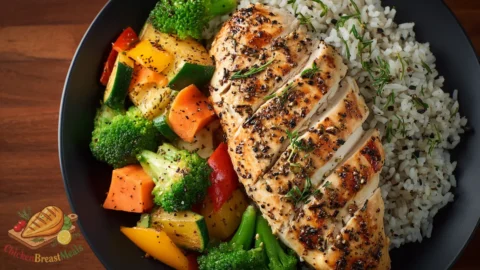
Precision Macro-Tracked Chicken Breast

Ingredients
- 4 oz boneless skinless chicken breast 113g raw weight
- 0.5 g kosher salt approximately 1/8 tsp
- 0.25 g black pepper freshly ground
- 0.5 g olive oil spray 2 quarter-second sprays
- 0.5 g dried herbs thyme, oregano, or herb blend of choice
Method
- Preheat oven to 425°F (218°C) and line a baking sheet with parchment paper.
- Weigh chicken breast to confirm 4oz (113g) portion size. Record the exact weight.
- Pat chicken thoroughly dry with paper towels to ensure proper browning.
- Apply exactly 2 measured sprays of olive oil (0.5g total) to both sides of chicken.
- Season with precisely measured salt, pepper, and dried herbs.
- Bake until internal temperature reaches exactly 165°F (74°C), approximately 16-18 minutes.
- Rest for exactly 5 minutes before slicing to redistribute juices.
- Weigh cooked chicken and calculate yield percentage (typically 75-78% of raw weight).
Note
- For maximum accuracy, always weigh raw and cooked to calculate your exact yield percentage.
- Maintain consistent oven temperature with an oven thermometer for reproducible results.
- The nutrition information is based on the raw chicken weight of 4oz (113g) with minimal added ingredients.
- Track any additional seasonings or marinades separately if they contain caloric value.
- For meal prep, cook multiple portions together and calculate the average yield.