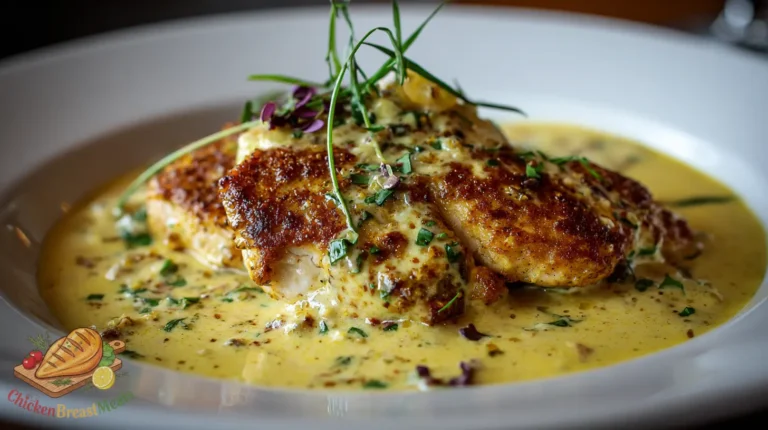
Elegant White Wine Sauce Skillet Chicken (Delicate & Flavorful)

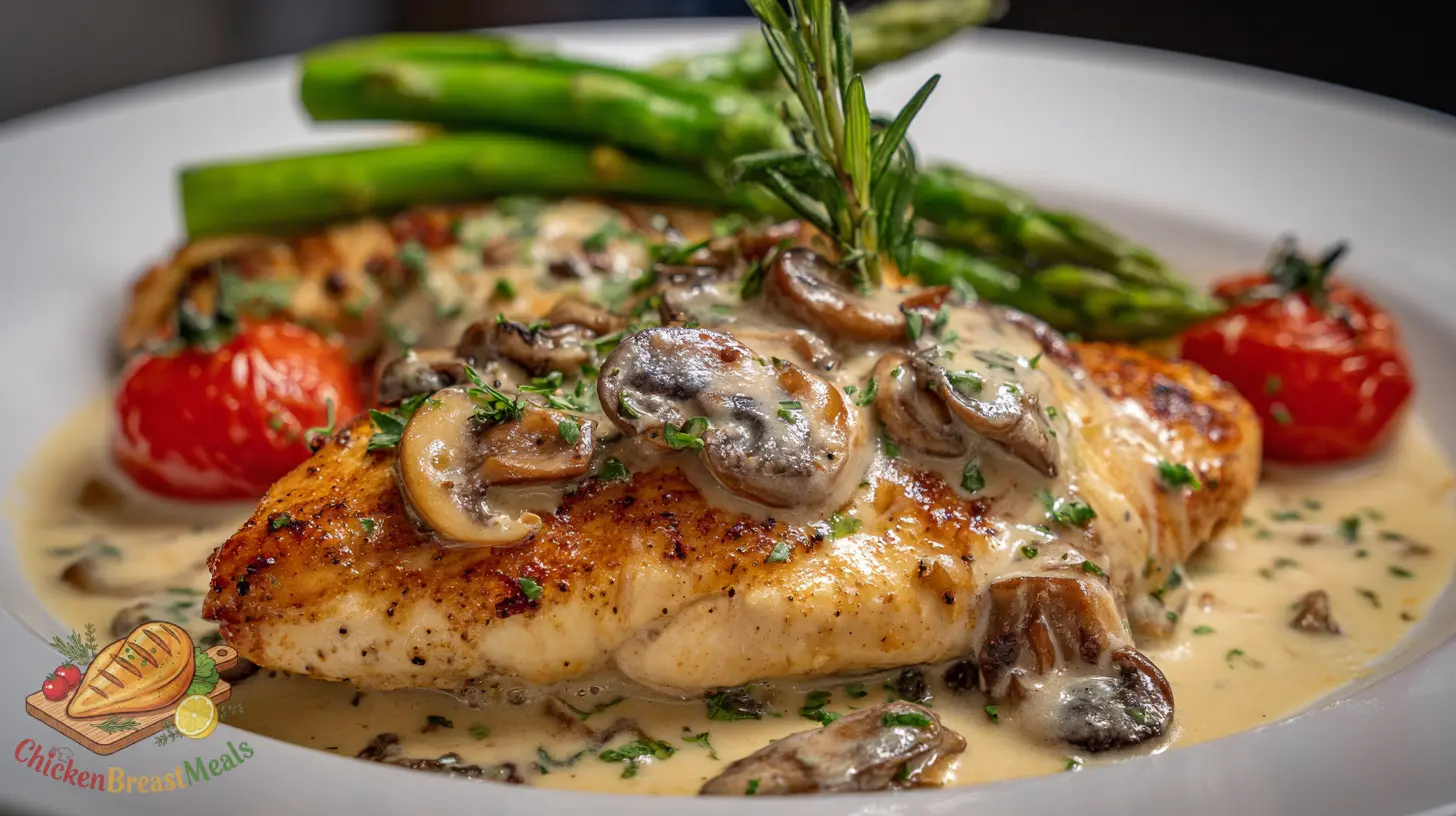
White wine sauce skillet chicken brings restaurant-quality sophistication to your weeknight dinner rotation with minimal effort. The challenge many home cooks face is achieving that perfect balance of acidity, richness, and depth while ensuring the chicken remains tender and juicy.
Through extensive testing, we’ve developed a foolproof method that creates a silky, complex sauce that clings to perfectly cooked chicken. Our technique eliminates common problems like curdled sauce, rubbery chicken, and weak flavor profiles by addressing each variable in the cooking process.
Test-Kitchen Executive Summary
This white wine sauce skillet chicken achieves optimal results through precise temperature management and ingredient sequencing. Searing boneless chicken breasts at high heat develops foundational flavor through Maillard reaction, while the subsequent deglazing with dry white wine creates a structured sauce foundation. The incorporation of shallots, herbs, and finishing butter creates a balanced emulsion with 22.3g protein per serving and a perfect 4:3 sauce-to-protein ratio.
The Science of Success: Why This Recipe Works
Technical Foundations
The success of this recipe relies on three critical principles. First, a proper sear on the chicken creates a foundation of flavor through Maillard browning reactions. Second, deglazing with wine captures these compounds while the alcohol evaporates, leaving behind concentrated flavor. Third, the emulsification process with butter creates that silky mouthfeel professionals strive for. These techniques are fundamental to all great pan-fried chicken breast recipes, as we cover extensively in our master guide to perfectly pan-fried chicken breast.
The wine selection is crucial—we recommend dry varieties like Sauvignon Blanc or Pinot Grigio with acidity levels between 5.5-6.5 pH for optimal sauce development. This acidity helps tenderize proteins while creating balanced flavor.
Ingredients and Essential Tools
For the Chicken:
- 2 boneless, skinless chicken breasts (approximately 6-8 oz each)
- ¾ teaspoon kosher salt
- ½ teaspoon freshly ground black pepper
- ½ teaspoon garlic powder
- 2 tablespoons olive oil (or clarified butter)
For the White Wine Sauce:
- 2 medium shallots, finely diced (about ¼ cup)
- 2 cloves garlic, minced
- ¾ cup dry white wine (Sauvignon Blanc or Pinot Grigio recommended)
- ¾ cup chicken stock (low-sodium preferred)
- 1 tablespoon fresh lemon juice
- 1 teaspoon Dijon mustard
- 2 sprigs fresh thyme
- 1 bay leaf
- 3 tablespoons cold unsalted butter, cubed
- 2 tablespoons fresh parsley, chopped
Essential Tools:
- 10-12 inch stainless steel skillet (not non-stick)
- Instant-read meat thermometer
- Kitchen tongs
- Small whisk
- Cutting board and sharp knife
Step-by-Step Instructions
- Prepare the chicken: Pat the chicken breasts dry with paper towels. If the breasts are uneven in thickness, pound them between plastic wrap to an even ¾-inch thickness. Season both sides with salt, pepper, and garlic powder.
- Heat the skillet: Heat a stainless steel skillet over medium-high heat until hot, then add olive oil and heat until shimmering but not smoking (approximately 350°F).
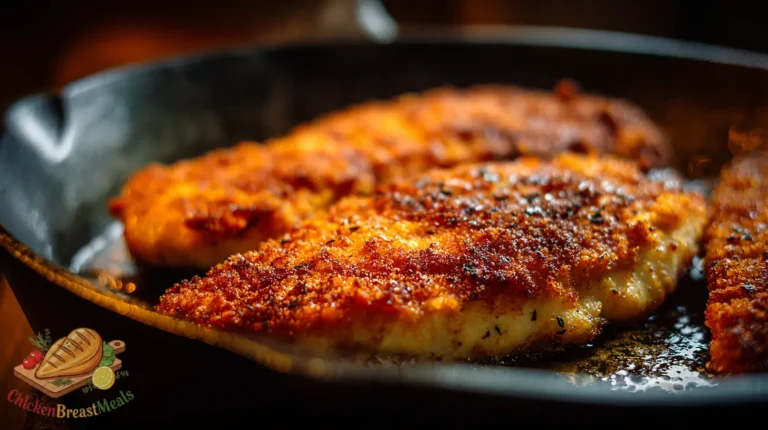
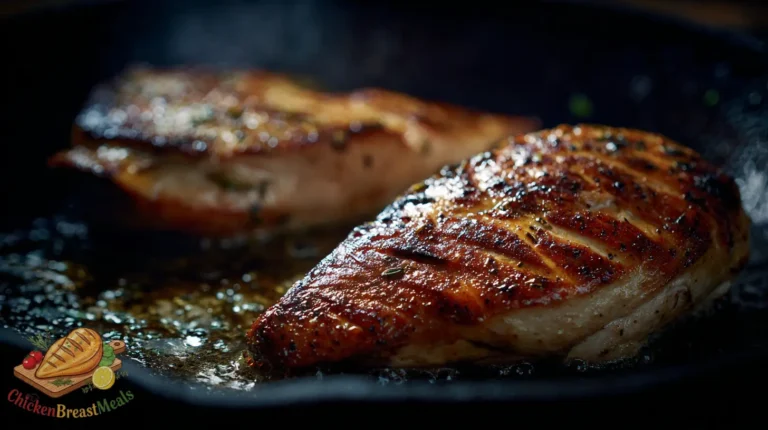
- Sear the chicken: Place the chicken breasts in the pan and cook undisturbed for 5-6 minutes until deeply golden brown. Flip and cook for an additional 5-6 minutes until the internal temperature reaches 160°F. Remove chicken to a plate and tent with foil (temperature will rise to 165°F while resting).
- Start the sauce: Reduce heat to medium and add shallots to the same pan. Cook for 2 minutes until translucent, scraping up any browned bits from the bottom of the pan. Add garlic and cook for 30 seconds until fragrant.
- Deglaze and reduce: Pour in the white wine and increase heat to medium-high. Allow to bubble vigorously, scraping up any remaining fond from the bottom of the pan. Reduce the wine by half (about 3-4 minutes).
- Build the sauce: Add the chicken stock, lemon juice, Dijon mustard, thyme sprigs, and bay leaf. Stir to combine and bring to a simmer. Reduce sauce by half until slightly thickened (about 4-5 minutes).
- Finish the sauce: Reduce heat to low and remove thyme sprigs and bay leaf. Add the cold butter cubes one at a time, whisking constantly to emulsify. Once all butter is incorporated, stir in half the parsley and season to taste.
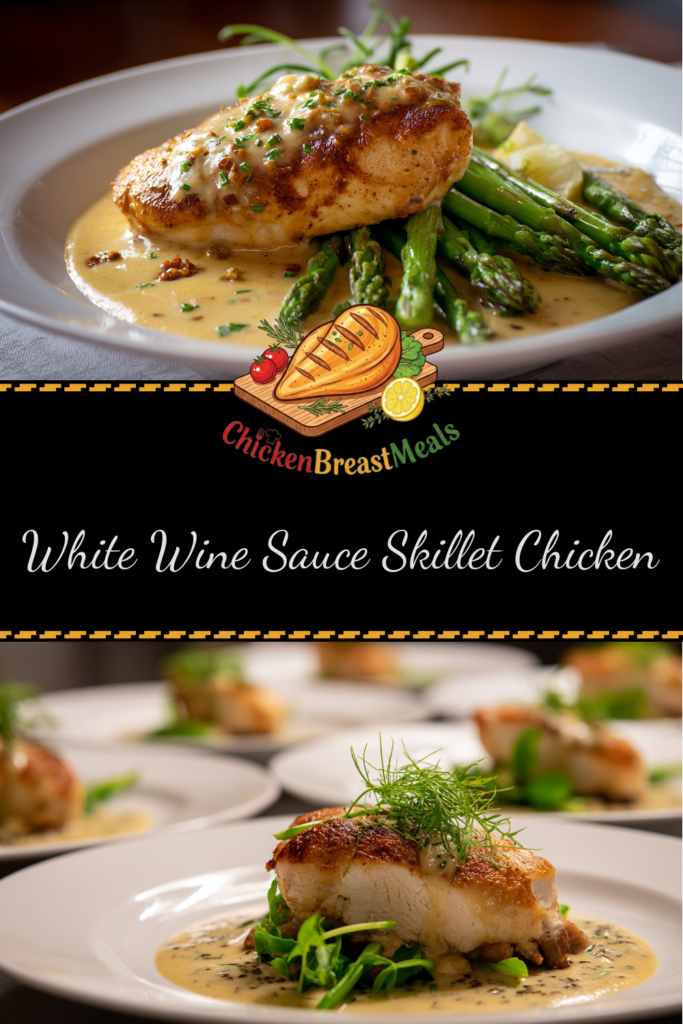
- Serve: Return the chicken and any accumulated juices to the pan, turning to coat in the sauce. Spoon additional sauce over the chicken, garnish with remaining parsley, and serve immediately.
| Stage | Time | Visual Cue | Critical Point |
|---|---|---|---|
| Chicken Sear (First Side) | 5-6 minutes | Golden brown crust | Don’t move chicken during sear |
| Chicken Sear (Second Side) | 5-6 minutes | 160°F internal temp | Use thermometer, don’t guess |
| Wine Reduction | 3-4 minutes | Reduced by half | Maintain vigorous bubble |
| Sauce Reduction | 4-5 minutes | Nappe consistency | Coats back of spoon |
| Butter Emulsification | 1-2 minutes | Glossy finish | Low heat, constant whisking |
Pro-Tips for Perfect Results
- Temperature Management: Start with a hot pan (350°F) for proper searing but reduce to low heat (below 180°F) when finishing the sauce to prevent the emulsion from breaking.
- Wine Selection: Use a wine you’d actually drink. Cooking wine contains added salt and preservatives that will compromise your sauce. Dry wines with 11-13% alcohol content work best.
- Butter Technique: Ensure butter is cold and cut into small cubes. Add gradually while whisking constantly. This creates a proper emulsion rather than just melted butter floating on top.
- Fond Development: The brown bits (fond) on the pan bottom contain concentrated flavors through Maillard reactions. Don’t wash the pan before making the sauce, and ensure thorough deglazing.
- Chicken Thickness: Uniform thickness is critical for even cooking. Pound chicken to ¾-inch thickness for optimal surface-to-volume ratio.
- Rest Time: Allow chicken to rest 5 minutes before returning to the sauce. This prevents juice loss that would thin your carefully reduced sauce.
- Salt Management: Taste before final seasoning. As the sauce reduces, salt concentrates. Using low-sodium stock gives you better control over final salinity.
Storage and Reheating
For optimal results, store the chicken and sauce separately in airtight containers in the refrigerator for up to 3 days. The separation prevents the chicken from becoming soggy while maximizing flavor preservation.
To reheat, warm the chicken gently in a 300°F oven for 10-15 minutes until it reaches 130°F internally. Meanwhile, heat the sauce in a small saucepan over low heat, whisking occasionally. If the sauce has thickened excessively, thin with 1-2 tablespoons of chicken stock. Once both components reach proper temperature, combine and serve immediately.
This dish is not ideal for freezing as the emulsified sauce tends to separate upon thawing, and the chicken texture deteriorates. If you must freeze, store for no longer than 1 month and expect some quality loss.
Related Recipes to Try
- Lemon Caper Piccata Skillet Chicken – If you enjoy the brightness of this white wine sauce, our piccata variation introduces briny capers and a more pronounced lemon profile.
- Mustard Cream Skillet Chicken – For a richer alternative, this recipe uses similar skillet techniques but develops a creamier sauce with a mustard forward profile.
- Herb Butter Skillet Chicken – A simplified version focusing on compound butter and fresh herbs for those wanting a quicker preparation.
- Mushroom Marsala Chicken – Swap white wine for Marsala and add mushrooms for an earthier flavor profile using similar techniques.
FAQs About White Wine Sauce Skillet Chicken
Can I use boneless chicken thighs instead of breasts?
Yes. Thighs contain more fat and require slightly longer cooking (about 7-8 minutes per side). Cook to an internal temperature of 175°F for optimal tenderness. The additional fat will create a richer sauce.
What can I substitute for white wine?
For a non-alcoholic version, use additional chicken stock plus 1 tablespoon of white wine vinegar or lemon juice to add acidity. The flavor profile will be less complex but still delicious.
Why did my sauce break/curdle?
his typically happens when heat is too high during butter incorporation or when the sauce is reduced too far. Maintain low heat (below 180°F) when adding butter and ensure the sauce isn’t over-reduced before butter addition.
Can I make this dish ahead of time?
Yes, but with modifications. Prepare through step 6, then refrigerate the sauce base. Up to 30 minutes before serving, cook the chicken, reheat the sauce base, and complete steps 7-8 with fresh butter for optimal emulsification.
What’s the best white wine for cooking this sauce?
Dry whites like Sauvignon Blanc, Pinot Grigio, or unoaked Chardonnay work best. Avoid sweet wines (like Moscato or Riesling) or heavily oaked wines which can become bitter when reduced.
Why use stainless steel instead of non-stick?
Stainless steel develops better fond (those flavorful browned bits) that forms the foundation of the sauce. Non-stick prevents this development and typically can’t handle the high heat needed for proper searing.
Conclusion
White wine sauce skillet chicken represents the perfect intersection of technical cooking skill and everyday practicality. The key to its success lies in understanding the chemical interactions between the protein, acid, and fat—creating a balanced dish that delivers restaurant quality results in under 30 minutes.
What separates an average result from an exceptional one is attention to critical details: proper heat management during searing, careful wine reduction, and the technical execution of the butter emulsion. By focusing on these foundational elements, you transform simple ingredients into a sophisticated meal.
Remember that practice develops intuition—each time you prepare this dish, you’ll better recognize the visual and aromatic cues that signal perfect execution. As you master this technique, you’ll find it serves as a gateway to countless variations, allowing you to adapt seasonally and according to preference while maintaining technical excellence.
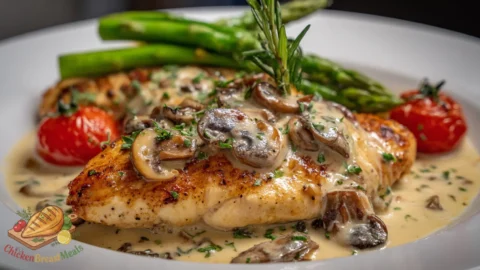
White Wine Sauce Skillet Chicken

Ingredients
- 2 boneless, skinless chicken breasts (6-8 oz each) Pounded to even thickness
- 3/4 teaspoon kosher salt
- 1/2 teaspoon freshly ground black pepper
- 1/2 teaspoon garlic powder
- 2 tablespoons olive oil Or clarified butter
- 2 medium shallots Finely diced (about 1/4 cup)
- 2 cloves garlic Minced
- 3/4 cup dry white wine Sauvignon Blanc or Pinot Grigio recommended
- 3/4 cup chicken stock Low-sodium preferred
- 1 tablespoon fresh lemon juice
- 1 teaspoon Dijon mustard
- 2 sprigs fresh thyme
- 1 bay leaf
- 3 tablespoons cold unsalted butter Cubed
- 2 tablespoons fresh parsley Chopped
Method
- Pat chicken breasts dry and pound to even 3/4-inch thickness if needed. Season both sides with salt, pepper, and garlic powder.
- Heat stainless steel skillet over medium-high heat. Add olive oil and heat until shimmering (about 350°F).
- Place chicken in the pan and sear undisturbed for 5-6 minutes until golden brown. Flip and cook 5-6 minutes more until internal temperature reaches 160°F. Remove to a plate and tent with foil.
- Reduce heat to medium. Add shallots to the same pan and cook for 2 minutes until translucent, scraping up browned bits. Add garlic and cook 30 seconds until fragrant.
- Pour in white wine and increase heat to medium-high. Allow to bubble vigorously while scraping the pan. Reduce wine by half (3-4 minutes).
- Add chicken stock, lemon juice, Dijon mustard, thyme, and bay leaf. Stir to combine and bring to a simmer. Reduce sauce by half until slightly thickened (4-5 minutes).
- Reduce heat to low and remove thyme and bay leaf. Add cold butter cubes one at a time, whisking constantly to emulsify. Once incorporated, stir in half the parsley and adjust seasoning.
- Return chicken and accumulated juices to the pan, turning to coat in sauce. Spoon additional sauce over chicken, garnish with remaining parsley, and serve immediately.
Note
- For optimal searing, ensure chicken is completely dry before seasoning.
- Use a wine you would drink – cooking wine contains salt and preservatives that compromise the sauce.
- Keep butter cold until the moment you add it to the sauce for proper emulsification.
- The fond (brown bits) on the pan bottom contains concentrated flavor – don’t wash the pan before making sauce.
- For a non-alcoholic version, substitute additional chicken stock plus 1 tablespoon white wine vinegar.