Savory Caramelized Onion Skillet Chicken (Sweet & Rich)

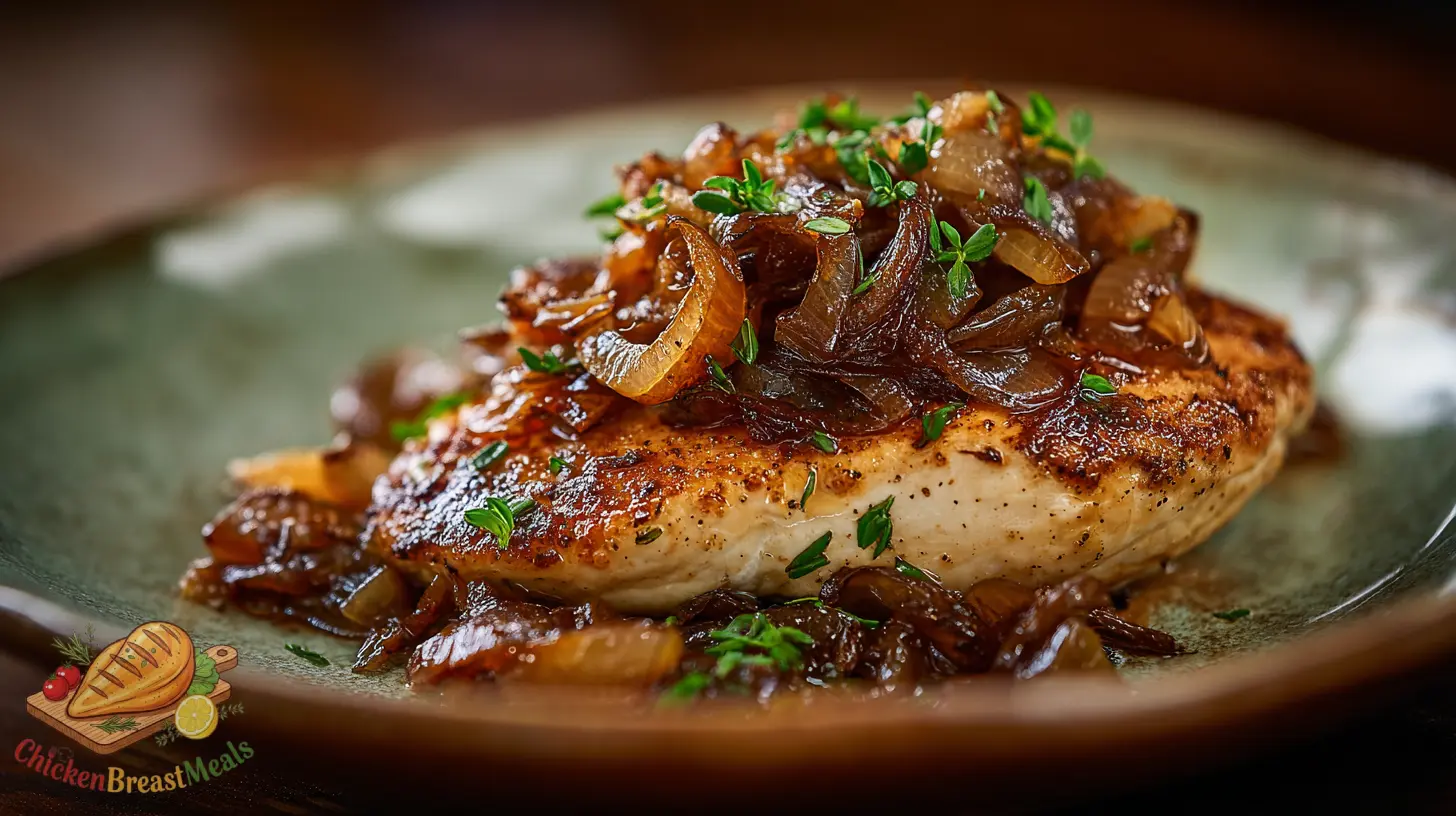
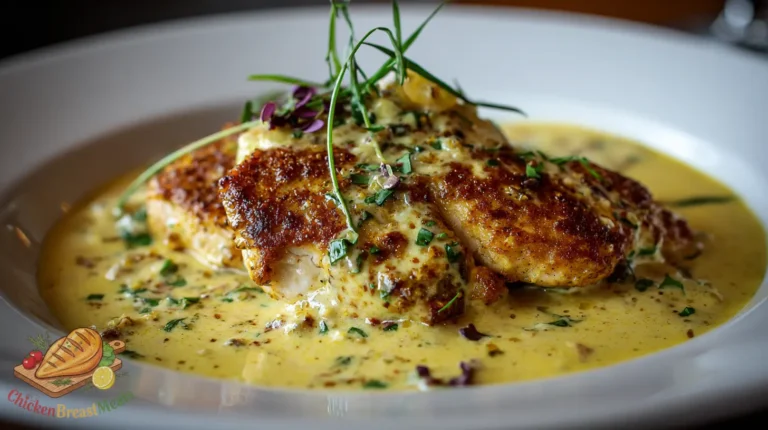
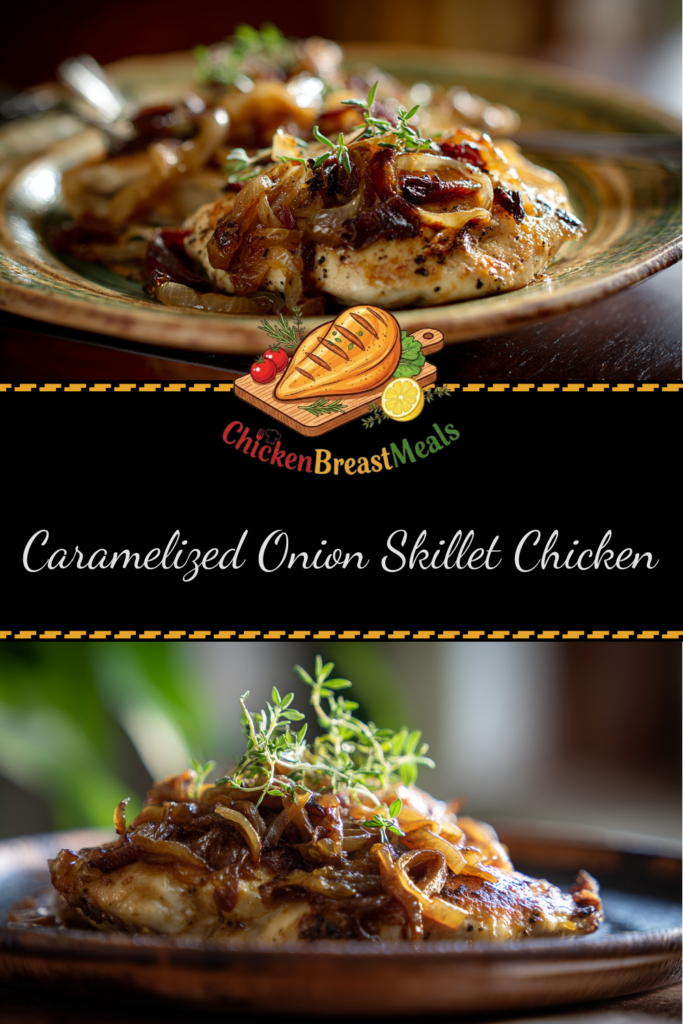
Caramelized onion skillet chicken combines the rich depth of slow-cooked onions with perfectly seared chicken breast in a single pan. This technique-driven recipe addresses the common challenge of dry chicken by using the moisture from the caramelizing onions to maintain tenderness while building complex flavor layers through the Maillard reaction.
Many home cooks struggle with timing the caramelization process alongside protein cooking, often resulting in either burnt onions or undercooked chicken. Our test kitchen has developed a methodical approach that synchronizes these elements for consistent, restaurant-quality results every time.
Test-Kitchen Executive Summary
This caramelized onion skillet chicken achieves optimal flavor through a two-stage cooking process: first developing deep onion flavor through proper caramelization (28-35 minutes), then using that foundation to create a flavorful environment for searing boneless chicken breasts. Temperature control is critical (325°F for onions, 375°F for chicken), as is proper deglazing with stock to capture fond. Chicken internal temperature must reach 165°F while maintaining moisture through the steam-baste technique during the final cooking stage.
The Science of Success: Why This Recipe Works
Technical Foundations
The technical success of this recipe hinges on understanding two critical chemical processes. First, the slow breakdown of onion sugars (pyrolysis) creates hundreds of new flavor compounds that form the dish’s foundation. Second, properly managing protein coagulation in the chicken ensures tenderness while achieving full food safety standards. This same attention to temperature control is essential when pan-frying chicken breast using other techniques, where managing heat transfer is the key differentiator between amateur and professional results.
The key insight from our testing: using a 12-inch cast iron or carbon steel skillet creates the ideal thermal mass for consistent heat distribution. This promotes even caramelization while preventing localized burning that occurs in thinner pans. Additionally, the deglazing process captures fond (browned bits) containing concentrated glutamates that significantly amplify the umami qualities of the final dish.
Ingredients and Essential Tools
- 2 boneless, skinless chicken breasts (8-10 oz each)
- 3 large yellow onions (about 1.5 pounds), thinly sliced
- 3 tbsp unsalted butter, divided
- 2 tbsp olive oil, divided
- 2 tbsp balsamic vinegar
- 1 tsp fresh thyme leaves (or ½ tsp dried)
- ½ cup chicken stock
- 2 cloves garlic, minced
- 1 tsp brown sugar (optional, accelerates caramelization)
- 1 tbsp Dijon mustard
- Salt and freshly ground black pepper
Essential Tools:
- 12-inch cast iron or carbon steel skillet
- Instant-read meat thermometer
- Slotted spatula
- Sharp chef’s knife
- Heavy cutting board
Step-by-Step Instructions
- Prepare the chicken: Pat chicken breasts completely dry with paper towels. Season generously with 1 tsp salt and ½ tsp black pepper. Allow to sit at room temperature for 15-20 minutes while preparing the onions.
- Slice onions: Cut onions in half from pole to pole, then slice into thin half-moons approximately ⅛-inch thick. Consistent thickness ensures even caramelization.
- Begin caramelization: Heat a 12-inch skillet over medium-low heat (approximately 325°F if measured with an infrared thermometer). Add 2 tbsp butter and 1 tbsp olive oil. Once butter is melted, add all sliced onions and ½ tsp salt. Stir to coat evenly.
- Develop flavor base: Cook onions for 25-30 minutes, stirring every 3-4 minutes to prevent scorching. The onions will gradually reduce in volume by approximately 75% and develop a deep golden-brown color. If browning too quickly, reduce heat. If browning too slowly, add optional brown sugar at the 15-minute mark.
- Finish onions: When onions reach a deep amber color, add minced garlic and cook for 60 seconds until fragrant. Add balsamic vinegar and deglaze the pan, scraping up any browned bits. Cook until vinegar is mostly reduced, about 1-2 minutes. Transfer caramelized onion mixture to a bowl.
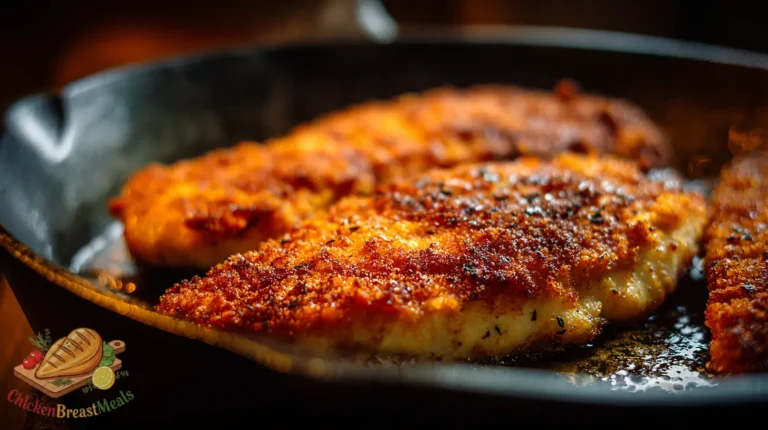
- Sear chicken: Increase heat to medium-high (approximately 375°F). Add remaining 1 tbsp each of butter and olive oil to the skillet. Once shimmering, place chicken breasts presentation-side down in the pan. Sear undisturbed for 5-6 minutes until golden brown.
- Flip and continue cooking: Turn chicken and cook for 4 minutes on the second side. Internal temperature should reach approximately 155°F.
- Create sauce: Return caramelized onions to the pan around (not on top of) the chicken. Add chicken stock, thyme, and Dijon mustard, stirring to incorporate into the onions.
- Finish cooking: Reduce heat to medium-low, cover partially with lid or foil, and cook for 3-4 additional minutes until chicken reaches 165°F internal temperature at the thickest point.
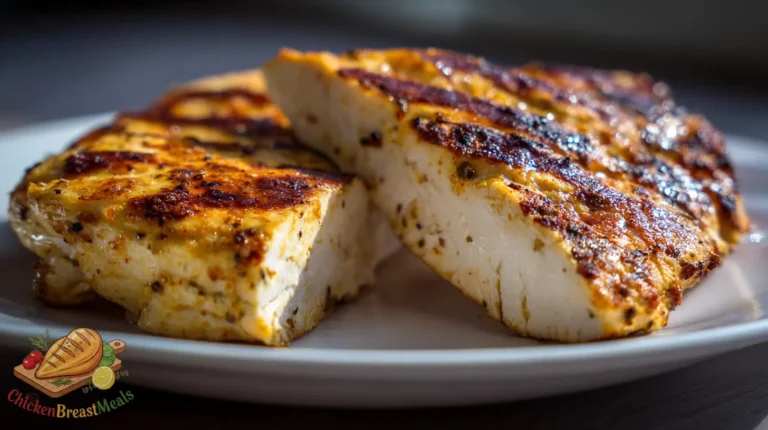
- Rest and serve: Remove skillet from heat. Transfer chicken to a cutting board and let rest for 5 minutes. Meanwhile, stir remaining tablespoon of butter into the onion mixture to create a silky sauce. Slice chicken against the grain and serve topped with caramelized onions.
| Process Stage | Time | Visual Cue | Temperature |
|---|---|---|---|
| Initial onion softening | 10-12 minutes | Translucent, reduced volume | 325°F (pan temp) |
| Mid-stage caramelization | 10-15 minutes | Light golden color | 325°F (pan temp) |
| Final caramelization | 5-10 minutes | Deep amber color | 325°F (pan temp) |
| First-side chicken sear | 5-6 minutes | Golden crust formation | 375°F (pan temp) |
| Second-side chicken cook | 4 minutes | Opaque sides | 155°F (internal) |
| Final cooking stage | 3-4 minutes | Firm to touch | 165°F (internal) |
Pro-Tips for Perfect Results
- Onion selection matters: Yellow onions contain the optimal sugar-to-moisture ratio for caramelization. Sweet onions caramelize faster but can burn more easily. Red onions create a more assertive flavor profile.
- Don’t overcrowd the pan: The onions should have enough surface area to release moisture efficiently. If using a smaller skillet, caramelize onions in two batches.
- Temperature precision: Too hot, and onions burn before caramelizing; too cool, and they’ll steam rather than brown. Adjust heat incrementally as needed.
- Deglaze strategically: Small additions of liquid (1-2 tbsp water) during caramelization help lift fond and prevent burning while maintaining the caramelization process.
- Butterfly thick breasts: For chicken breasts thicker than 1-inch, butterfly horizontally to create even thickness for more consistent cooking.
- Rest chicken properly: The 5-minute rest period allows protein fibers to reabsorb moisture, reducing juice loss when slicing.
- Slice against the grain: Identify the direction of muscle fibers and cut perpendicular to them for maximum tenderness.
Storage and Reheating
For optimal food safety and quality preservation, cool the cooked dish to room temperature within 2 hours, then refrigerate in airtight containers. Caramelized onion skillet chicken will maintain peak flavor quality for 3-4 days when properly refrigerated at or below 40°F.
When reheating, avoid microwave methods which can toughen the chicken proteins. Instead, use one of these technically superior approaches:
- Gentle skillet reheating: Place in a covered skillet with 2 tablespoons of water over medium-low heat for 7-8 minutes until internal temperature reaches 165°F. The added moisture prevents drying.
- Oven method: Preheat oven to 325°F. Place chicken and onions in an oven-safe dish, add 2-3 tablespoons of chicken stock, cover tightly with foil, and heat for 15-20 minutes until warmed through.
This dish does not freeze well due to textural degradation of the caramelized onions upon thawing. For advance preparation, consider caramelizing the onions up to 3 days ahead and completing the chicken portion just before serving.
Related Recipes to Try
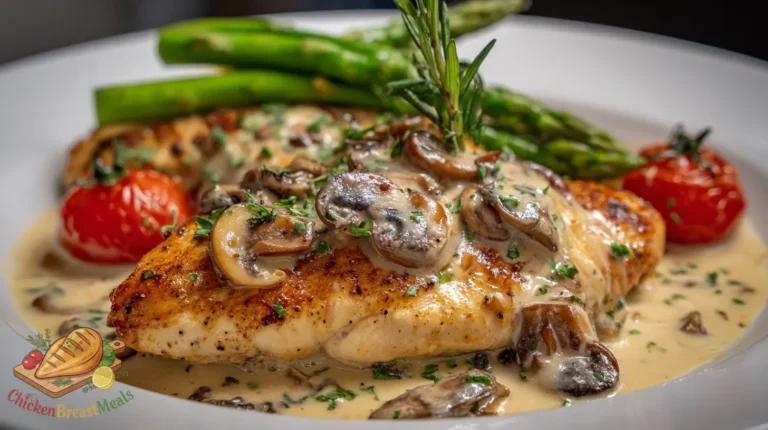
- Creamy Mushroom Skillet Chicken Breast – Apply similar skillet techniques with a different flavor profile
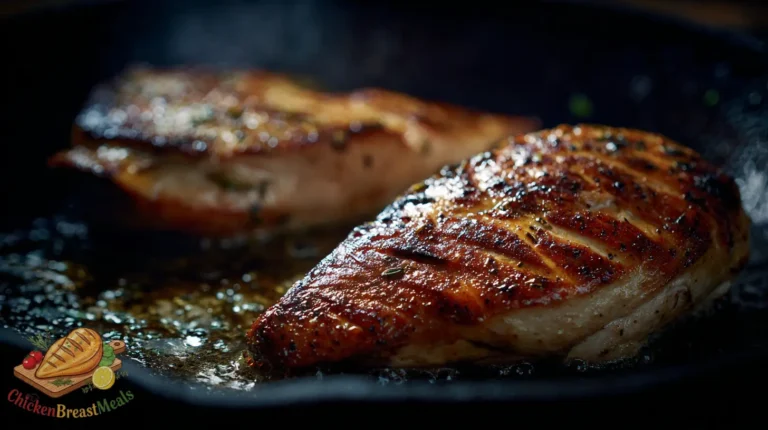
- Cast Iron Skillet Chicken Breast – Master the fundamental method for perfect pan-seared chicken
- Balsamic Glazed Chicken with Caramelized Vegetables – Expand on the balsamic notes in this recipe
- French Onion Chicken Skillet – A variation with Swiss cheese and beef stock instead of chicken stock
FAQs About Caramelized Onion Skillet Chicken
Why do my onions take so much longer to caramelize than recipes state?
True caramelization is a slow chemical process that cannot be rushed without sacrificing flavor development. Most recipes underestimate the time required (25-35 minutes minimum) for proper caramelization. Patience yields significantly better results.
Can I use chicken thighs instead of breasts?
Yes. Bone-in thighs require approximately 7-8 minutes per side and should reach an internal temperature of 175°F for optimal texture. Boneless thighs cook more quickly (about 5 minutes per side) but require the same 175°F final temperature.
Why did my chicken turn out dry despite following the recipe?
The most common cause is overcooking beyond the target 165°F internal temperature. Use a reliable instant-read thermometer and remove chicken from heat at 160°F, as carryover cooking will bring it to food-safe temperature during resting.
Can I make this dish without balsamic vinegar?
Yes. Substitute red wine vinegar with ½ tsp honey, or use 2 tbsp dry white wine plus ½ tsp lemon juice for a different but complementary flavor profile.
How can I make this dish dairy-free?
Replace butter with additional olive oil or a high-quality dairy-free butter alternative. The flavor will be slightly less rich but still excellent if you extend the onion caramelization time by 5-7 minutes to develop deeper flavors.
Conclusion
Caramelized onion skillet chicken represents the perfect intersection of technical cooking principles and accessible home preparation. Through proper temperature management, timing synchronization, and understanding of flavor development, this dish transforms simple ingredients into a meal with remarkable depth and complexity.
The critical lesson in this preparation is patience—allowing the full development of the Maillard reaction in both the onions and chicken creates the foundation for exceptional flavor. Additionally, the technique of building a dish in layers within the same cooking vessel maximizes flavor efficiency by capturing and concentrating compounds that would otherwise be lost.
For consistently professional results, focus on the three key technical elements: proper onion caramelization (full amber color development), precise chicken cooking temperature (165°F internal), and effective deglazing to incorporate fond into the final sauce. Master these fundamentals, and this dish will become a reliable technique in your cooking repertoire, adaptable to countless variations.
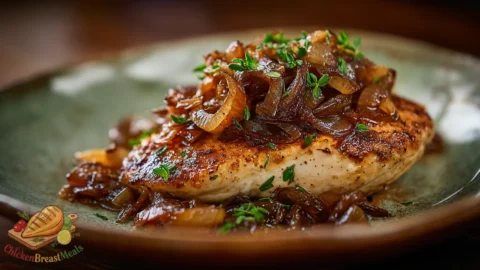
Caramelized Onion Skillet Chicken

Ingredients
- 2 boneless, skinless chicken breasts (8-10 oz each) patted dry
- 3 large yellow onions (about 1.5 pounds) thinly sliced into half-moons
- 3 tbsp unsalted butter divided
- 2 tbsp olive oil divided
- 2 tbsp balsamic vinegar
- 1 tsp fresh thyme leaves or ½ tsp dried
- ½ cup chicken stock
- 2 cloves garlic minced
- 1 tsp brown sugar optional
- 1 tbsp Dijon mustard
- Salt and freshly ground black pepper to taste
Method
- Pat chicken breasts completely dry with paper towels. Season generously with 1 tsp salt and ½ tsp black pepper. Allow to sit at room temperature for 15-20 minutes while preparing the onions.
- Cut onions in half from pole to pole, then slice into thin half-moons approximately ⅛-inch thick.
- Heat a 12-inch skillet over medium-low heat. Add 2 tbsp butter and 1 tbsp olive oil. Once butter is melted, add all sliced onions and ½ tsp salt. Stir to coat evenly.
- Cook onions for 25-30 minutes, stirring every 3-4 minutes. They will gradually reduce in volume and develop a deep golden-brown color. Add optional brown sugar at the 15-minute mark if caramelization is slow.
- When onions reach a deep amber color, add minced garlic and cook for 60 seconds. Add balsamic vinegar and deglaze the pan, scraping up browned bits. Cook until vinegar is mostly reduced, about 1-2 minutes. Transfer caramelized onion mixture to a bowl.
- Increase heat to medium-high. Add remaining 1 tbsp each of butter and olive oil to the skillet. Once shimmering, place chicken breasts presentation-side down. Sear undisturbed for 5-6 minutes until golden brown.
- Turn chicken and cook for 4 minutes on the second side until internal temperature reaches approximately 155°F.
- Return caramelized onions to the pan around (not on top of) the chicken. Add chicken stock, thyme, and Dijon mustard, stirring to incorporate.
- Reduce heat to medium-low, cover partially, and cook for 3-4 additional minutes until chicken reaches 165°F internal temperature at the thickest point.
- Remove skillet from heat. Transfer chicken to a cutting board and let rest for 5 minutes. Meanwhile, stir remaining tablespoon of butter into the onion mixture. Slice chicken against the grain and serve topped with caramelized onions.
Note
- Use a reliable instant-read thermometer to ensure chicken reaches 165°F but doesn’t overcook.
- For consistent results, slice onions to uniform thickness.
- Don’t rush caramelization—proper color development takes 25-35 minutes minimum.
- The rest period is crucial for juicy chicken; don’t skip it.
- For thicker chicken breasts, butterfly them horizontally before cooking.