Easy Pesto Skillet Chicken Breast (Fresh & Flavorful)

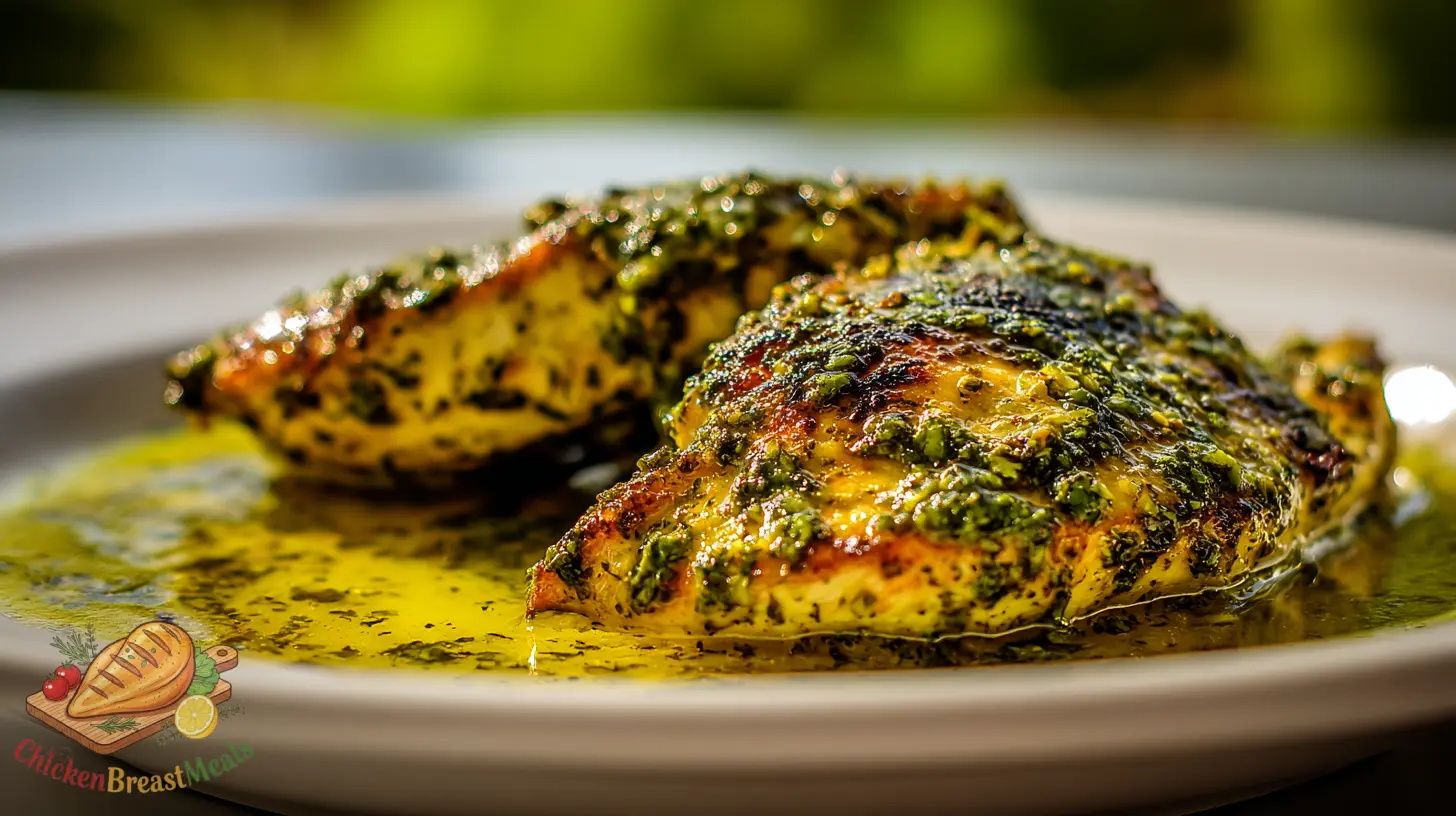
Pesto skillet chicken breast represents the perfect intersection of convenience and culinary sophistication. The challenge many home cooks face isn’t just achieving properly cooked chicken—it’s infusing deep flavor while maintaining moisture in a quick weeknight timeframe.
Traditional pesto chicken recipes often result in either bland, rubbery meat or require extensive marinating time that most busy schedules can’t accommodate. This technique-driven approach solves both problems through precise temperature control and strategic layering of flavors.
Test-Kitchen Executive Summary
This pesto skillet chicken breast recipe employs a dual-heat searing and simmering method to maximize Maillard reaction while preventing protein strand contraction that causes moisture loss. The chicken is pounded to uniform thickness, seasoned in stages, and finished with fresh pesto components that maintain aromatic integrity. Total active cooking time is 15 minutes with minimal equipment requirements.
The Science of Success: Why This Recipe Works
Technical Foundations
The foundation of this recipe relies on understanding protein behavior under heat. Unlike typical recipes that add pesto at the beginning (which burns the delicate herbs and garlic), we apply heat strategically in stages. First, we create a proper fond through high-heat searing, then develop depth through controlled temperature reduction—techniques we’ve perfected in our comprehensive pan-fried chicken breast guide that establishes the core principles of moisture preservation in skillet cooking.
Pesto components enter the cooking process sequentially: pine nuts toast early for enhanced flavor compounds, while basil enters last to preserve volatile oils. This staged approach ensures maximum flavor extraction while maintaining the bright herbal notes that make pesto distinctive.
Ingredients and Essential Tools
- 2 boneless, skinless chicken breasts (8-10 oz each)
- ¾ tsp kosher salt, divided
- ½ tsp freshly ground black pepper
- 2 Tbsp olive oil, divided
- 3 cloves garlic, minced
- 3 Tbsp pine nuts
- ¼ cup chicken stock
- 2 Tbsp fresh lemon juice
- 1 ½ cups fresh basil leaves, loosely packed
- ⅓ cup freshly grated Parmesan cheese
- 2 Tbsp cold butter, cubed
Equipment
- 10-12 inch cast iron or stainless steel skillet (avoid non-stick for proper fond development)
- Meat mallet or heavy rolling pin
- Instant-read thermometer
- Kitchen tongs
- Sharp chef’s knife
Step-by-Step Instructions
- Prepare the chicken: Place chicken breasts between two sheets of plastic wrap or parchment paper. Using a meat mallet, pound to an even ¾-inch thickness. Pat dry with paper towels (crucial for proper searing). Season with ½ tsp salt and black pepper on both sides.
- Heat the pan: Heat a heavy skillet over medium-high heat until it reaches 375°F (190°C). Add 1 Tbsp olive oil and heat until shimmering but not smoking.
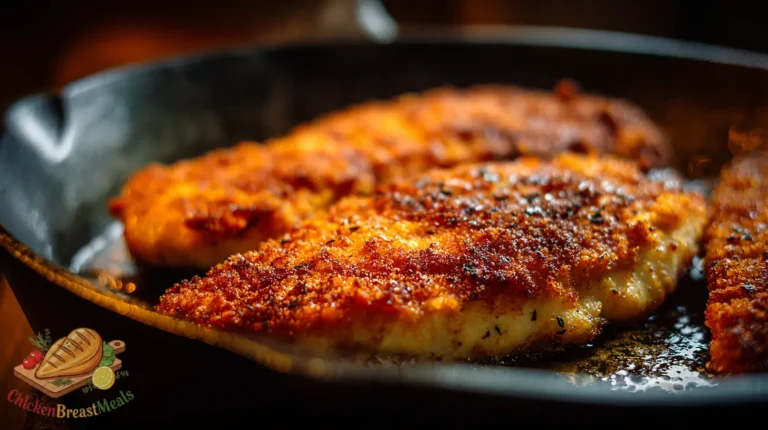
- Sear the chicken: Place chicken breasts in the skillet without overcrowding. Cook undisturbed for 5-6 minutes until deeply golden on the first side.
- Flip and continue cooking: Turn chicken over and reduce heat to medium. Cook for an additional 4-5 minutes until internal temperature reaches 160°F (71°C). Transfer to a plate and tent loosely with foil (carryover cooking will bring temperature to 165°F/74°C).
- Build the pesto sauce base: In the same skillet, add remaining 1 Tbsp olive oil. Add pine nuts and toast for 60-90 seconds until golden, stirring constantly to prevent burning.
- Add aromatics: Add minced garlic and cook for 30 seconds until fragrant but not browned.
- Deglaze: Add chicken stock and lemon juice, scraping up all browned bits from bottom of pan with wooden spoon. Simmer until liquid is reduced by half, about 2 minutes.
- Incorporate basil: Reduce heat to low. Add 1 cup of the basil leaves, remaining ¼ tsp salt, and stir until just wilted, about 30 seconds.
- Emulsify: Add cold butter cubes one at a time, swirling pan continuously to create an emulsified sauce.
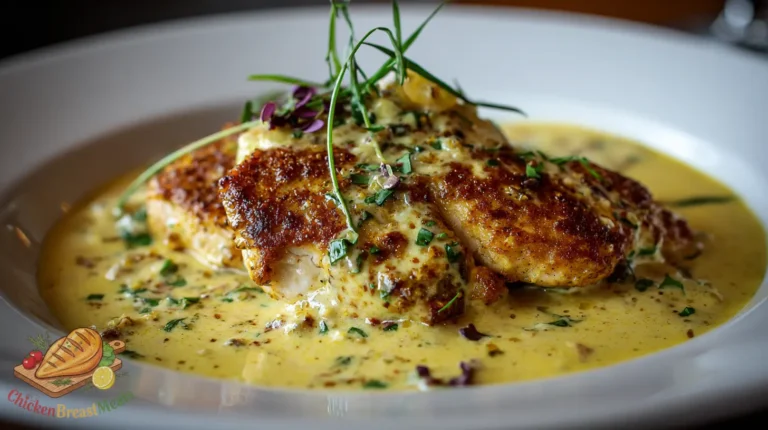
- Finish and serve: Return chicken to the pan along with any accumulated juices. Sprinkle with Parmesan cheese and remaining ½ cup fresh basil leaves. Spoon sauce over chicken and serve immediately.
| Stage | Time | Temperature | Visual Cue |
|---|---|---|---|
| Initial Sear | 5-6 minutes | Medium-high (375°F/190°C) | Deep golden crust |
| Second Side | 4-5 minutes | Medium (350°F/175°C) | Internal temp 160°F/71°C |
| Toasting Pine Nuts | 60-90 seconds | Medium | Light golden color |
| Garlic Cook | 30 seconds | Medium | Fragrant but not brown |
| Sauce Reduction | 2 minutes | Medium | Liquid reduced by half |
Pro-Tips for Perfect Results
- Temperature management: Allow chicken to rest at room temperature for 15 minutes before cooking to ensure even heat distribution.
- Salt timing strategy: Apply salt 30-45 minutes before cooking to allow for optimal moisture retention through protein restructuring.
- Fond development: Do not move the chicken during the first 3-4 minutes to ensure proper caramelization and flavor foundation.
- Basil technique: Tear larger basil leaves rather than chopping to prevent oxidation and preserve volatile compounds.
- Butter temperature: Use butter straight from refrigerator to ensure proper emulsification in the sauce.
- Parmesan integration: Add cheese only after reducing heat to prevent protein strands from separating.
- Rest period calibration: For optimal juiciness, let chicken rest tented for exactly 3 minutes before returning to sauce.
Storage and Reheating
Pesto skillet chicken breast will maintain optimal quality for up to 3 days when stored in an airtight container in the refrigerator. The basil will darken slightly due to oxidation, but flavor will remain intact.
For reheating, avoid microwave methods which will toughen the protein. Instead:
- Allow chicken to come to room temperature for 15 minutes.
- Place in a covered skillet with 2 tablespoons of water or chicken stock.
- Heat over medium-low heat until internal temperature reaches 125°F (52°C).
- Add 1 tablespoon fresh chopped basil just before serving to restore aromatic quality.
Freeze portions in vacuum-sealed bags for up to 1 month. Thaw overnight in refrigerator before reheating according to the method above.
Related Recipes to Try
- Tomato Basil Skillet Chicken Breast – A Mediterranean-inspired variation using similar skillet techniques with bright tomato flavors.
- Crispy Pan-Fried Chicken Breast – Master the fundamental technique of achieving perfect crispy exterior with juicy interior.
- Lemon Garlic Skillet Chicken – A complementary flavor profile that uses similar cooking methodology.
- Sun-Dried Tomato and Spinach Skillet Chicken – Perfect for those who enjoy the pesto profile but want to explore different texture combinations.
FAQs About Pesto Skillet Chicken Breast
Can I use store-bought pesto instead of making the components in the skillet?
Yes, but with modifications. If using pre-made pesto, add 3 tablespoons at the final stage after deglazing and reducing the liquid. Avoid cooking commercial pesto for more than 30 seconds as it will separate and lose aromatic properties.
Why is my chicken turning out dry despite following the recipe?
The most common cause is overcooking. Ensure your chicken is pounded to an even thickness and use an instant-read thermometer to remove it from heat at exactly 160°F (71°C). Carryover cooking will bring it to the safe temperature of 165°F (74°C) without drying out the meat.
Can I substitute chicken thighs for breasts in this recipe?
Yes. Boneless, skinless chicken thighs work well but require different cooking times. Sear for 4-5 minutes per side and cook to an internal temperature of 175°F (79°C) for optimal texture. The higher fat content will create a richer sauce.
What’s the best skillet material for this recipe?
Cast iron or tri-ply stainless steel provide optimal heat retention and fond development. Avoid non-stick surfaces as they prevent proper caramelization and don’t develop the fond necessary for sauce depth.
How can I make this dairy-free?
Replace Parmesan with 1 tablespoon of nutritional yeast plus ¼ teaspoon extra salt. Substitute butter with 1 tablespoon olive oil mixed with ½ teaspoon arrowroot powder to maintain the emulsified texture.
Conclusion
Pesto skillet chicken breast represents a technical approach to weeknight cooking that doesn’t sacrifice flavor for convenience. The key differentiators in this method—uniform thickness preparation, precise temperature control, and sequential ingredient incorporation—transform what could be an ordinary dish into a restaurant-quality experience.
The science behind this technique centers on understanding both protein behavior under heat and the volatile nature of aromatic compounds in basil and garlic. By respecting these principles, we create a synergy between texture and flavor that elevates basic ingredients to their full potential.
Master this foundational technique, and you’ll gain the ability to adapt it across various flavor profiles while maintaining the critical moisture balance that defines exceptional chicken cookery. The pesto variation showcases how classical Italian flavors can be preserved through modern cooking methodology for optimal results.
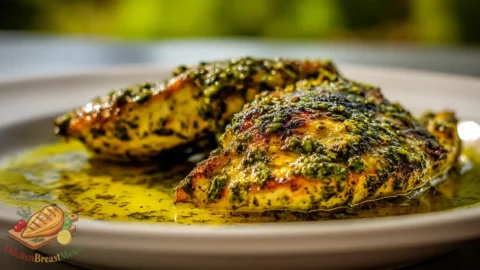
Pesto Skillet Chicken Breast

Ingredients
- 2 boneless, skinless chicken breasts (8-10 oz each)
- 3/4 teaspoon kosher salt divided
- 1/2 teaspoon freshly ground black pepper
- 2 tablespoons olive oil divided
- 3 cloves garlic minced
- 3 tablespoons pine nuts
- 1/4 cup chicken stock
- 2 tablespoons fresh lemon juice
- 1 1/2 cups fresh basil leaves loosely packed
- 1/3 cup Parmesan cheese freshly grated
- 2 tablespoons butter cold, cubed
Method
- Place chicken breasts between two sheets of plastic wrap or parchment paper. Using a meat mallet, pound to an even ¾-inch thickness. Pat dry with paper towels. Season with ½ tsp salt and black pepper on both sides.
- Heat a heavy skillet over medium-high heat until it reaches 375°F (190°C). Add 1 Tbsp olive oil and heat until shimmering but not smoking.
- Place chicken breasts in the skillet without overcrowding. Cook undisturbed for 5-6 minutes until deeply golden on the first side.
- Turn chicken over and reduce heat to medium. Cook for an additional 4-5 minutes until internal temperature reaches 160°F (71°C). Transfer to a plate and tent loosely with foil.
- In the same skillet, add remaining 1 Tbsp olive oil. Add pine nuts and toast for 60-90 seconds until golden, stirring constantly to prevent burning.
- Add minced garlic and cook for 30 seconds until fragrant but not browned.
- Add chicken stock and lemon juice, scraping up all browned bits from bottom of pan with wooden spoon. Simmer until liquid is reduced by half, about 2 minutes.
- Reduce heat to low. Add 1 cup of the basil leaves, remaining ¼ tsp salt, and stir until just wilted, about 30 seconds.
- Add cold butter cubes one at a time, swirling pan continuously to create an emulsified sauce.
- Return chicken to the pan along with any accumulated juices. Sprinkle with Parmesan cheese and remaining ½ cup fresh basil leaves. Spoon sauce over chicken and serve immediately.
Note
- For best results, allow chicken to come to room temperature for 15 minutes before cooking.
- Use a meat thermometer to ensure chicken reaches exactly 160°F before resting to prevent overcooking.
- If doubling the recipe, cook chicken in batches to avoid overcrowding the pan.
- Substitute chicken thighs if preferred, cooking to 175°F for optimal texture.
- Store leftovers in an airtight container in the refrigerator for up to 3 days.