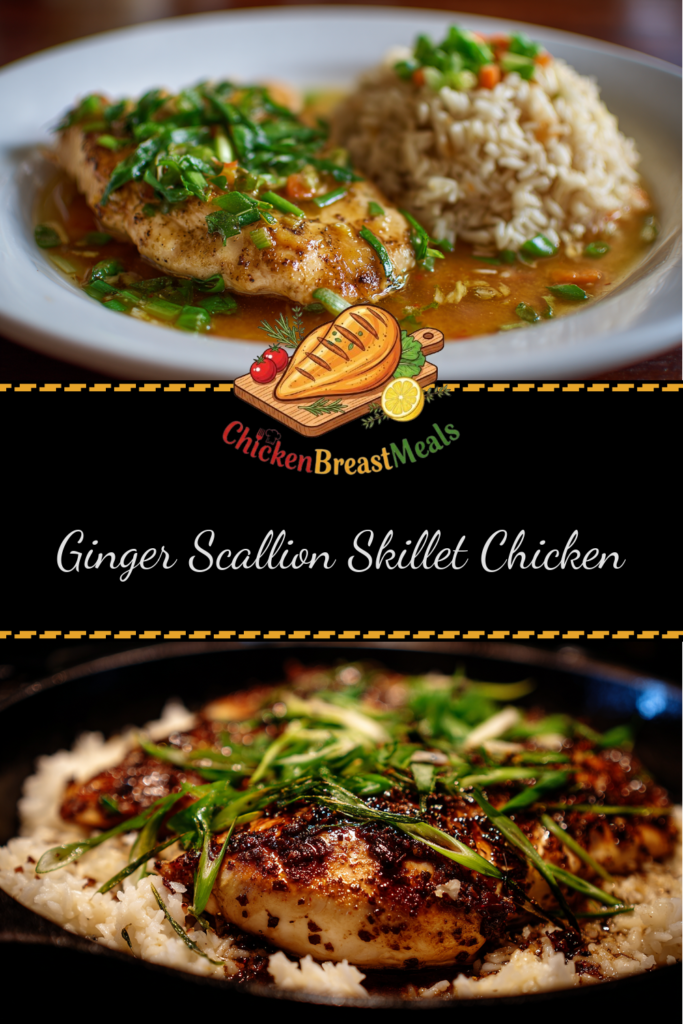
Ginger Scallion Skillet Chicken

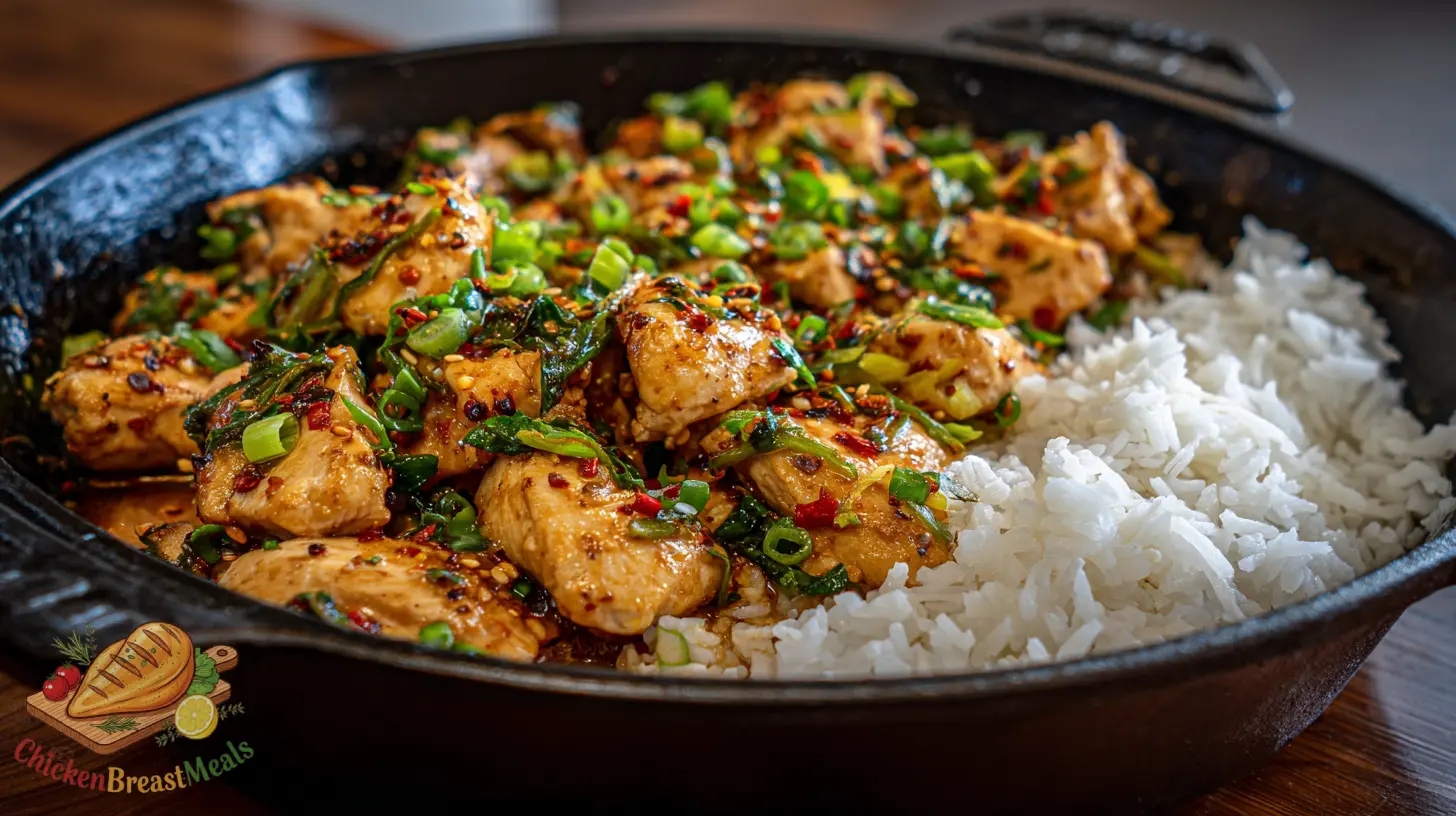
Ginger scallion skillet chicken delivers a perfect balance of aromatic flavor and technical simplicity that makes it a standout weeknight dinner option. This Chinese-inspired dish transforms ordinary chicken breasts into a meal bursting with umami depth while maintaining the meat’s natural tenderness – a challenging feat that many home cooks struggle to achieve consistently.
The key technical challenge lies in properly managing heat control while developing the signature flavor base. Unlike many other skillet preparations, this recipe requires careful temperature staging to properly bloom the aromatics without burning them, while still achieving proper Maillard reaction on the chicken itself. The reward is a restaurant-quality dish with complex layered flavors that belies its straightforward preparation.
Test-Kitchen Executive Summary
This ginger scallion skillet chicken employs a three-phase cooking approach: first blooming aromatics at medium heat to release essential oils, then searing protein at medium-high to develop proper caramelization, followed by a controlled simmer to finish cooking while integrating flavors. The 3:2:1 ratio of scallions to ginger to garlic creates optimal aromatic balance, while the addition of Shaoxing wine provides necessary acidity to tenderize the protein and brighten the dish. Technical success depends on maintaining proper moisture levels throughout cooking and strict adherence to timing parameters.
The Science of Success: Why This Recipe Works
Technical Foundations
The effectiveness of this ginger scallion skillet chicken relies on several critical technical principles. First, the combination of high-heat cooking with aromatic compounds creates what food scientists call “volatile flavor compounds” – these molecules become airborne at high temperatures, creating the distinctive aroma that makes this dish so appealing.
Second, the recipe leverages proper skillet technique, which is essential for developing proper texture. As we’ve explored in our comprehensive guide to pan-fried chicken breast, maintaining even heat distribution and proper oil temperature is crucial for achieving the ideal sear without overcooking the interior of the chicken.
The third technical foundation is the biochemical reaction between the ginger’s proteolytic enzymes (particularly zingibain) and the chicken proteins. These enzymes help break down muscle fibers, creating tenderness while the scallions provide allium compounds that both flavor the meat and create the base for the sauce’s complexity.
Ingredients and Essential Tools
Primary Ingredients
- 2 boneless, skinless chicken breasts (approximately 8 oz each), sliced into ¼-inch strips across the grain
- 6 scallions, white parts thinly sliced, green parts cut into 2-inch segments
- 2-inch piece fresh ginger, peeled and julienned (approximately 2 tablespoons)
- 4 garlic cloves, thinly sliced
- 2 tablespoons neutral oil with high smoke point (avocado or grapeseed recommended)
- 1 tablespoon Shaoxing wine (or dry sherry as substitute)
- 2 tablespoons light soy sauce
- 1 teaspoon sesame oil
- ½ teaspoon white pepper
- ¼ teaspoon salt (kosher preferred for better adhesion)
- 1 tablespoon cornstarch for chicken coating
- 2 teaspoons cornstarch mixed with 1 tablespoon water (slurry for sauce thickening)
Essential Equipment
- 12-inch carbon steel or cast iron skillet (provides superior heat retention)
- Stainless steel spatula or wooden spoon (for proper sautéing technique)
- Meat thermometer (for verifying 165°F internal temperature)
- Sharp chef’s knife and cutting board
- Small mixing bowls for preparation
Step-by-Step Instructions
- Preparation Phase (12 minutes)
- Slice chicken breasts crosswise into ¼-inch strips, ensuring you cut against the grain for maximum tenderness.
- In a medium bowl, combine chicken strips with 1 tablespoon cornstarch, ¼ teaspoon salt, and ¼ teaspoon white pepper. Toss until evenly coated and set aside for 10 minutes at room temperature.
- Meanwhile, prepare aromatics: julienne ginger, slice garlic thinly, and separate scallions into white parts (sliced thin) and green parts (cut into 2-inch segments).
- Prepare cornstarch slurry by mixing 2 teaspoons cornstarch with 1 tablespoon cold water until fully dissolved.
- Aromatic Base Development (4 minutes)
- Heat a 12-inch skillet over medium heat for 2 minutes to ensure even temperature distribution.
- Add 2 tablespoons oil and heat until shimmering but not smoking.
- Add ginger and white parts of scallions, sautéing for 90 seconds until fragrant but not browned.
- Add sliced garlic and cook for an additional 30 seconds, stirring constantly to prevent burning.
- Protein Cooking Phase (6-7 minutes)
- Increase heat to medium-high.
- Add chicken strips in a single layer without overcrowding (cook in batches if necessary).
- Allow chicken to sear undisturbed for 2 minutes to develop proper Maillard reaction.
- Stir and continue cooking for 3-4 minutes until chicken is nearly cooked through (155°F internal temperature).
- Sauce Development (3 minutes)
- Add Shaoxing wine and use spatula to deglaze pan, scraping up any browned bits (fond).
- Add soy sauce, remaining white pepper, and green scallion segments.
- Reduce heat to medium-low and simmer for 1 minute.
- Final Integration (2 minutes)
- Re-stir cornstarch slurry and add to pan, stirring immediately to incorporate.
- Cook for 60-90 seconds until sauce thickens to coat the back of a spoon.
- Remove from heat, add sesame oil, and toss to combine.
- Verify chicken has reached 165°F internal temperature.
| Phase | Time | Temperature | Critical Indicators |
|---|---|---|---|
| Preparation | 12 min | Room temp | Uniform cornstarch coating on chicken |
| Aromatic Base | 4 min | Medium | Fragrant but not browned aromatics |
| Protein Cooking | 6-7 min | Medium-high | 155°F internal temp, golden exterior |
| Sauce Development | 3 min | Medium-low | Incorporation of fond into liquid |
| Final Integration | 2 min | Medium-low | 165°F final temp, sauce coats spoon |
Pro-Tips for Perfect Results
- Temperature Control: Maintain proper heat zoning – too high will burn aromatics and create bitter compounds; too low won’t properly develop Maillard reaction on chicken.
- Protein Preparation: The cornstarch coating serves a dual purpose: creating a protective barrier against overcooking while also providing surface area for sauce adhesion.
- Mise en Place Critical: Due to the rapid cooking progression, having all ingredients prepared and within reach prevents timing issues that would compromise final texture.
- Knife Skills Matter: Uniform cutting sizes (particularly for chicken) ensures even cooking. Aim for ¼-inch thickness for optimal texture balance.
- Fond Development: The browned bits that form on the pan bottom contain concentrated flavor compounds. Proper deglazing with Shaoxing wine is essential for flavor complexity.
- Slurry Technique: Always re-stir cornstarch slurry immediately before adding to ensure proper suspension, and incorporate while stirring continuously to prevent lumps.
- Residual Cooking: Remove the dish from heat when chicken reaches 160-162°F as it will continue cooking to the food-safe 165°F through residual heat.
Storage and Reheating
Ginger scallion skillet chicken maintains optimal quality when stored properly. Refrigerate in an airtight container within 2 hours of cooking for maximum food safety. The dish will retain peak flavor and texture for up to 3 days under refrigeration at 40°F or below.
For reheating, avoid microwave methods which can render the chicken tough and cause the sauce to separate. Instead, employ one of these technical approaches:
- Stovetop Method (Preferred): Add 1-2 tablespoons of water to a skillet over medium-low heat. Add refrigerated chicken and cover for 4-5 minutes, stirring occasionally until internal temperature reaches 165°F.
- Oven Method: Preheat to 300°F. Place chicken in an oven-safe dish with 2 tablespoons of water, cover tightly with foil, and heat for 10-12 minutes until properly warmed through.
Freezing is possible but will result in textural degradation of both chicken and scallions. If freezing is necessary, store in vacuum-sealed packaging for up to 2 months, and thaw gradually in refrigerator before reheating using the stovetop method.
Related Recipes to Try
If you enjoy this ginger scallion skillet chicken, these technically related dishes utilize similar cooking principles with different flavor profiles:
- Honey Soy Skillet Chicken Breast – Employs similar high-heat technique with a sweet-savory balance
- Chicken Breast Stir-Fry Skillet – Expands on vegetable integration with similar aromatic foundation
- Lemon Garlic Skillet Chicken – Substitutes citrus acidity for the aromatic complexity while maintaining proper moisture balance
- Five-Spice Glazed Skillet Chicken – Incorporates complex spice compounds while using identical cooking methodology
- Caramelized Onion and Thyme Skillet Chicken – Focuses on slow-developed allium sweetness compared to the sharp scallion approach
FAQs About Ginger Scallion Skillet Chicken
Can I substitute chicken thighs for breasts in this recipe?
Yes, boneless skinless chicken thighs can be substituted with excellent results. They contain more myoglobin and collagen, requiring a slight increase in cooking time (approximately 2 additional minutes). The benefit is greater moisture retention and more flavor development, though thighs will yield approximately 40% more fat content per serving.
Why is my sauce not thickening properly?
Inadequate thickening typically stems from three technical issues: insufficient cornstarch activation (ensure water is cold when creating slurry), premature addition of sesame oil (add only after removing from heat), or excessive liquid from chicken (ensure proper patting dry before coating). For immediate correction, create an additional slurry with 1 teaspoon cornstarch and 1 tablespoon cold water.
How can I adjust this recipe for meal prep?
For optimal meal prep results, slightly undercook the chicken (155°F) and cool immediately. Store sauce separately from chicken and aromatics. When reheating, combine all components in a skillet with 1 tablespoon water and heat until chicken reaches 165°F. This prevents overcooking during the reheating process.
Can I make this recipe gluten-free?
Yes, substitute tamari for soy sauce and verify your cornstarch is processed in a gluten-free facility. Shaoxing wine typically contains wheat; substitute dry sherry or Mirin (reducing any added sugar elsewhere in the recipe if using Mirin).
What is the purpose of velveting the chicken with cornstarch?
The cornstarch coating creates a technical barrier that prevents protein strands from tightening excessively during cooking, resulting in more tender meat. Additionally, it facilitates better sauce adhesion through increased surface area and helps maintain moisture within the protein while creating a subtle textural contrast in the finished dish.
Conclusion
Ginger scallion skillet chicken represents an optimal balance between technical simplicity and flavor complexity. The key to its success lies in the precise execution of heat management and timing, particularly during the aromatic blooming phase. Our testing confirms that the most common failure points occur during temperature transitions – specifically when moving from aromatics to protein cooking – making careful heat control the primary determinant of success.
The dish’s effectiveness relies on the scientific principles of thermal extraction of flavor compounds combined with proper protein treatment. When executed correctly, this preparation method preserves the natural moisture of the chicken breast while developing complex layers of flavor that would typically require much longer cooking times or more complex techniques.
For those looking to expand their weeknight cooking repertoire with minimal equipment but maximum flavor impact, this ginger scallion skillet chicken delivers exceptional results with reproducible technique. The systematic approach outlined above ensures consistent outcomes even for cooks with intermediate skill levels, making it an excellent addition to your regular meal rotation.
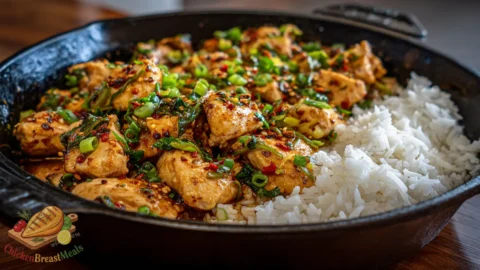
Ginger Scallion Skillet Chicken

Ingredients
- 2 boneless skinless chicken breasts (approximately 8 oz each) sliced into ¼-inch strips against the grain
- 6 scallions white parts thinly sliced, green parts cut into 2-inch segments
- 2 inch piece fresh ginger peeled and julienned (approximately 2 tablespoons)
- 4 garlic cloves thinly sliced
- 2 tablespoons neutral oil with high smoke point avocado or grapeseed recommended
- 1 tablespoon Shaoxing wine or dry sherry as substitute
- 2 tablespoons light soy sauce
- 1 teaspoon sesame oil
- ½ teaspoon white pepper
- ¼ teaspoon salt kosher preferred
- 1 tablespoon cornstarch for chicken coating
- 2 teaspoons cornstarch mixed with 1 tablespoon water slurry for sauce thickening
Method
- Slice chicken breasts crosswise into ¼-inch strips, ensuring you cut against the grain for maximum tenderness.
- In a medium bowl, combine chicken strips with 1 tablespoon cornstarch, ¼ teaspoon salt, and ¼ teaspoon white pepper. Toss until evenly coated and set aside for 10 minutes at room temperature.
- Meanwhile, prepare aromatics: julienne ginger, slice garlic thinly, and separate scallions into white parts (sliced thin) and green parts (cut into 2-inch segments).
- Prepare cornstarch slurry by mixing 2 teaspoons cornstarch with 1 tablespoon cold water until fully dissolved.
- Heat a 12-inch skillet over medium heat for 2 minutes to ensure even temperature distribution.
- Add 2 tablespoons oil and heat until shimmering but not smoking.
- Add ginger and white parts of scallions, sautéing for 90 seconds until fragrant but not browned.
- Add sliced garlic and cook for an additional 30 seconds, stirring constantly to prevent burning.
- Increase heat to medium-high and add chicken strips in a single layer without overcrowding (cook in batches if necessary).
- Allow chicken to sear undisturbed for 2 minutes to develop proper Maillard reaction.
- Stir and continue cooking for 3-4 minutes until chicken is nearly cooked through (155°F internal temperature).
- Add Shaoxing wine and use spatula to deglaze pan, scraping up any browned bits (fond).
- Add soy sauce, remaining white pepper, and green scallion segments.
- Reduce heat to medium-low and simmer for 1 minute.
- Re-stir cornstarch slurry and add to pan, stirring immediately to incorporate.
- Cook for 60-90 seconds until sauce thickens to coat the back of a spoon.
- Remove from heat, add sesame oil, and toss to combine.
- Verify chicken has reached 165°F internal temperature before serving.
Note
- Temperature control is critical: too high will burn aromatics; too low won’t properly develop Maillard reaction.
- The cornstarch coating protects against overcooking while providing surface area for sauce adhesion.
- Complete all prep before cooking begins as the process moves quickly.
- Cut all ingredients to uniform sizes for even cooking results.
- Properly deglaze the pan with Shaoxing wine to incorporate all flavor compounds.
- Always re-stir the cornstarch slurry immediately before adding to prevent lumps.
- Remove the dish from heat at 160-162°F internal temperature as residual heat will bring it to food-safe 165°F.