Bright Lemon Caper Piccata Skillet Chicken (Fresh & Tangy)

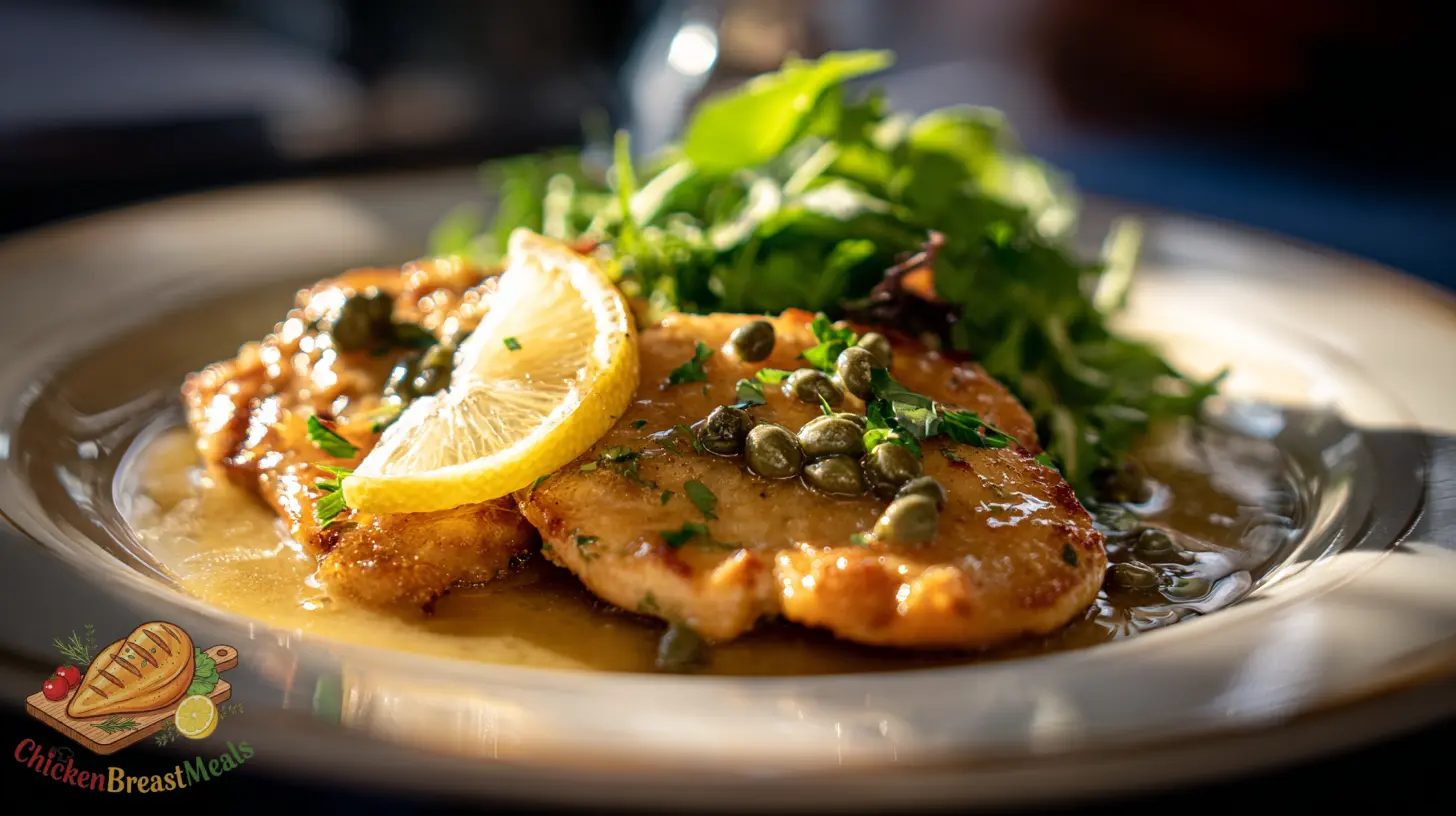
Lemon Caper Piccata Skillet Chicken combines the bright acidity of lemon, the briny depth of capers, and perfectly cooked chicken breasts into a restaurant-quality dish you can make at home. This classic Italian-American preparation creates a delicately balanced sauce that complements the lean protein without overwhelming it—a common challenge when working with chicken breasts.
Many home cooks struggle to achieve the perfect balance in piccata sauce: too much lemon creates unpleasant sourness, while insufficient reduction leaves the sauce watery and bland. Our test-kitchen approach solves these issues through precise timing, temperature control, and ingredient ratios that ensure consistent results.
Test-Kitchen Executive Summary
This lemon caper piccata recipe employs a dual-cooking technique—initial searing followed by gentle poaching in sauce—to maintain moisture in lean chicken breasts while developing complex flavor through fond development. The sauce achieves optimal viscosity through flour dredging and controlled reduction, with emulsification of butter creating silky texture. Success depends on precise temperature management, proper deglazing technique, and careful acid balance between lemon juice and white wine.
The Science of Success: Why This Recipe Works
Technical Foundations
The success of this piccata preparation relies on several critical technical elements. First, we utilize the Maillard reaction during the initial sear to develop complex flavor compounds without overcooking the lean breast meat. This builds upon the fundamental techniques we’ve explored in our comprehensive pan-fried chicken breast guide, where proper heat management prevents moisture loss while maximizing flavor development.
The light flour coating serves three critical functions: it creates a protective barrier against moisture loss, provides a textural contrast, and helps thicken the sauce through gelation when it interacts with the pan liquids. The sauce’s complexity comes from a balanced reduction of aromatics, wine, and lemon juice, with capers providing bursts of salinity that counterbalance the acidity.
Ingredients and Essential Tools
For the Chicken:
- 2 boneless, skinless chicken breasts (8-10 oz each), butterflied and pounded to even ¼-inch thickness
- ½ cup all-purpose flour
- ½ tsp kosher salt
- ¼ tsp freshly ground black pepper
- 2 Tbsp olive oil
- 2 Tbsp unsalted butter, divided
For the Piccata Sauce:
- 1 medium shallot, finely minced (about 3 Tbsp)
- 2 garlic cloves, minced (about 2 tsp)
- ½ cup dry white wine (Pinot Grigio or Sauvignon Blanc)
- 1 cup low-sodium chicken broth
- 3 Tbsp fresh lemon juice (from approximately 1-2 lemons)
- 3 Tbsp capers, drained and rinsed
- 2 Tbsp cold unsalted butter, cubed
- 2 Tbsp fresh parsley, finely chopped
- Lemon slices for garnish
Essential Equipment:
- 12-inch stainless steel skillet (not non-stick)
- Meat mallet or heavy pan for pounding
- Instant-read thermometer
- Tongs
- Wooden spoon or silicone spatula
Step-by-Step Instructions
- Prepare the chicken: Butterfly each chicken breast horizontally, then place between plastic wrap and pound to an even ¼-inch thickness. Pat completely dry with paper towels.
- Dredge the chicken: In a shallow dish, combine flour, salt, and pepper. Lightly coat each chicken breast in the flour mixture, shaking off excess. Place on a wire rack for 5 minutes to allow the coating to set.
- Heat the skillet: Heat a 12-inch stainless steel skillet over medium-high heat until a droplet of water skitters across the surface. Add olive oil and 1 tablespoon of butter, swirling to coat the pan.
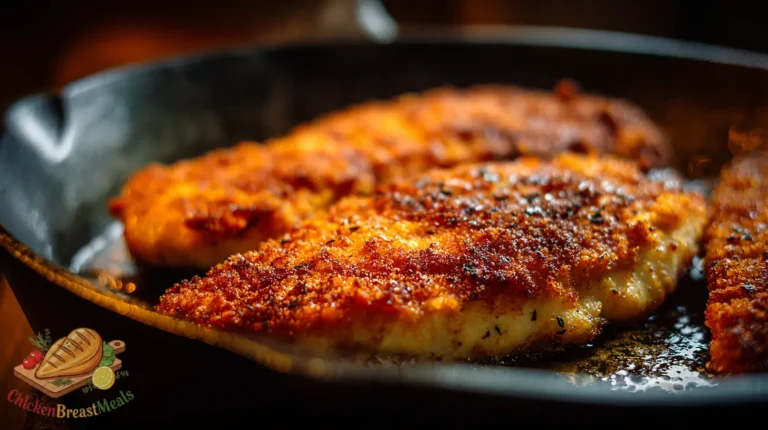
- Sear the chicken: Once the fat is shimmering but not smoking (approximately 350°F), add the chicken breasts to the pan without overcrowding. Cook undisturbed for 3-4 minutes until golden brown. Flip once and cook an additional 2-3 minutes until the internal temperature reaches 155°F. Transfer to a clean plate and tent with foil.
- Build the sauce base: Reduce heat to medium and add shallots to the same pan. Cook for 30 seconds until fragrant but not browned. Add garlic and cook for an additional 15 seconds, stirring constantly to prevent burning.
- Deglaze the pan: Add white wine, using a wooden spoon to scrape up all browned bits from the bottom of the pan. Simmer until the wine is reduced by half, about 2-3 minutes.
- Develop the sauce: Add chicken broth, lemon juice, and capers. Bring to a simmer and reduce by one-third, approximately 5-7 minutes, or until the sauce can lightly coat the back of a spoon.
- Finish the sauce: Reduce heat to low and whisk in the remaining 2 tablespoons of cold butter, one cube at a time, until fully emulsified. The sauce should appear glossy and slightly thickened.
- Return the chicken: Place chicken and any accumulated juices back into the pan, gently turning to coat with sauce. Simmer for 1-2 minutes until the chicken reaches a final internal temperature of 165°F.
- Garnish and serve: Remove from heat, sprinkle with fresh parsley, and garnish with lemon slices. Serve immediately, spooning additional sauce over the chicken.
| Step | Time | Temperature | Visual Indicator |
|---|---|---|---|
| Initial chicken sear (first side) | 3-4 minutes | Medium-high (350°F) | Golden brown crust |
| Chicken second side | 2-3 minutes | Medium-high (350°F) | Internal temp of 155°F |
| Aromatics (shallots) | 30 seconds | Medium | Translucent but not browned |
| Aromatics (garlic) | 15 seconds | Medium | Fragrant but not browned |
| Wine reduction | 2-3 minutes | Medium | Volume reduced by half |
| Sauce reduction | 5-7 minutes | Medium | Coats back of spoon |
| Final chicken simmer | 1-2 minutes | Low | Internal temp of 165°F |
Pro-Tips for Perfect Results
- Temperature management is critical: Starting with too hot a pan will burn the flour before the chicken cooks; too cool a pan will cause the chicken to release moisture and steam rather than sear.
- Use a stainless steel pan: Non-stick surfaces prevent proper fond development, which is essential for sauce depth. Cast iron retains too much heat for the delicate sauce.
- Lemon juice timing matters: Adding lemon juice too early in the reduction process causes excessive bitterness as the acids concentrate. Add it with the broth for balanced flavor.
- Cold butter emulsification technique: Keep butter cold until needed and add gradually off heat. This creates proper emulsification without breaking, resulting in a silky rather than greasy sauce.
- Watch for sauce viscosity indicators: The sauce is properly reduced when it leaves a clear path on the back of a spoon when you draw your finger through it (nappe consistency).
- Butterfly thick breasts properly: Place your hand flat on top of the breast and slice horizontally with a sharp knife, stopping just short of cutting all the way through. Open like a book for even cooking.
- Rest but don’t over-rest: The final 1-2 minute simmer in the sauce replaces traditional resting time. Extended resting will cause the delicate flour coating to soften too much.
Storage and Reheating
Lemon Caper Piccata Skillet Chicken is best enjoyed immediately after preparation, as the delicate balance of the sauce and the texture of the chicken are at their peak. However, if storage is necessary:
Refrigeration: Store chicken and sauce separately in airtight containers for up to 2 days. The sauce may separate slightly when chilled, which is normal.
Reheating: For best results, gently warm the sauce in a skillet over medium-low heat until just simmering. Slice the chicken into medallions and add to the warm sauce just until heated through (approximately 2 minutes). Avoid microwaving, which will toughen the chicken and break the sauce emulsion.
Freezing: Not recommended. The delicate sauce emulsion will break upon thawing, and the texture of the chicken will deteriorate significantly.
Related Recipes to Try
- Crispy Pan-Fried Chicken Breast – Master the fundamental technique of achieving perfectly crispy exterior with juicy interior.
- White Wine Sauce Skillet Chicken – Another elegant sauce variation using similar pan-sauce techniques.
- Mushroom Marsala Chicken – A richer variation with earthy flavors replacing the bright acidity of piccata.
- Classic Chicken Francese – A related Italian-American preparation featuring an egg batter coating and lemon-white wine sauce.
- Chicken Saltimbocca – Elevate your skillet chicken repertoire with prosciutto and sage in a delicate wine sauce.
FAQs About Lemon Caper Piccata Skillet Chicken
Why did my sauce break and become greasy?
Sauce breaking typically occurs when butter is added to a sauce that’s too hot or when cold butter is added too quickly. Ensure your pan is at a low simmer before adding butter, and incorporate it gradually, allowing each piece to fully emulsify before adding the next.
Can I use chicken thighs instead of breasts?
Yes, boneless skinless chicken thighs can be substituted, though they won’t need to be butterflied. Pound them to even thickness and expect a slightly longer cooking time (approximately 5-6 minutes per side) to reach the safe internal temperature of 175°F for dark meat.
My sauce is too thin. How can I thicken it?
Continue reducing the sauce before adding butter, but be careful not to over-reduce and concentrate the flavors too much. If needed, you can create a slurry with ½ teaspoon cornstarch and 1 tablespoon cold water, adding it to the simmering sauce and cooking for an additional minute.
Can I make this dairy-free?
While traditional piccata relies on butter for richness and proper emulsification, you can substitute with 2 tablespoons of high-quality olive oil added off-heat at the end. The sauce will have a different mouthfeel but will still be flavorful.
Why did my chicken turn out tough?
Toughness usually results from overcooking. Use an instant-read thermometer and remove the chicken from the pan when it reaches 155°F, as it will continue cooking to the safe temperature of 165°F during the final simmer in the sauce.
Conclusion
Lemon Caper Piccata Skillet Chicken represents the perfect intersection of technical skill and elegant simplicity. The dish’s success hinges on mastering fundamental techniques: proper temperature management, creating fond through effective searing, and building a balanced sauce through careful reduction and emulsification. These principles extend beyond this specific recipe and form the foundation of successful pan sauce preparation.
When executed correctly, this dish delivers a technically impressive result that belies its relatively straightforward preparation. The contrast between the tender chicken and the bright, complex sauce creates a dining experience that rivals restaurant quality while being achievable in any home kitchen with attention to detail and proper technique.
Consider this recipe not just as an end in itself, but as a technical building block that develops transferable skills applicable across a wide range of culinary applications. Mastering piccata opens the door to countless variations and increasingly sophisticated preparations in your cooking repertoire.
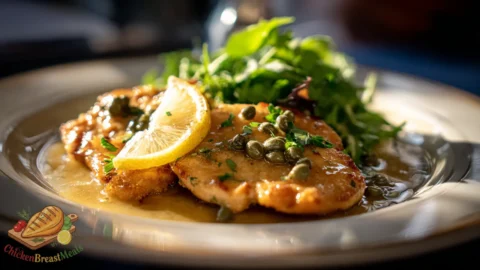
Lemon Caper Piccata Skillet Chicken

Ingredients
- 2 boneless, skinless chicken breasts (8-10 oz each) butterflied and pounded to even ¼-inch thickness
- 1/2 cup all-purpose flour
- 1/2 tsp kosher salt
- 1/4 tsp freshly ground black pepper
- 2 Tbsp olive oil
- 2 Tbsp unsalted butter divided
- 1 medium shallot finely minced (about 3 Tbsp)
- 2 garlic cloves minced (about 2 tsp)
- 1/2 cup dry white wine Pinot Grigio or Sauvignon Blanc
- 1 cup low-sodium chicken broth
- 3 Tbsp fresh lemon juice from approximately 1-2 lemons
- 3 Tbsp capers drained and rinsed
- 2 Tbsp cold unsalted butter cubed
- 2 Tbsp fresh parsley finely chopped
- 2 lemon slices for garnish
Method
- Butterfly each chicken breast horizontally, then place between plastic wrap and pound to an even ¼-inch thickness. Pat completely dry with paper towels.
- In a shallow dish, combine flour, salt, and pepper. Lightly coat each chicken breast in the flour mixture, shaking off excess. Place on a wire rack for 5 minutes to allow the coating to set.
- Heat a 12-inch stainless steel skillet over medium-high heat until a droplet of water skitters across the surface. Add olive oil and 1 tablespoon of butter, swirling to coat the pan.
- Once the fat is shimmering but not smoking (approximately 350°F), add the chicken breasts to the pan without overcrowding. Cook undisturbed for 3-4 minutes until golden brown. Flip once and cook an additional 2-3 minutes until the internal temperature reaches 155°F. Transfer to a clean plate and tent with foil.
- Reduce heat to medium and add shallots to the same pan. Cook for 30 seconds until fragrant but not browned. Add garlic and cook for an additional 15 seconds, stirring constantly to prevent burning.
- Add white wine, using a wooden spoon to scrape up all browned bits from the bottom of the pan. Simmer until the wine is reduced by half, about 2-3 minutes.
- Add chicken broth, lemon juice, and capers. Bring to a simmer and reduce by one-third, approximately 5-7 minutes, or until the sauce can lightly coat the back of a spoon.
- Reduce heat to low and whisk in the remaining 2 tablespoons of cold butter, one cube at a time, until fully emulsified. The sauce should appear glossy and slightly thickened.
- Place chicken and any accumulated juices back into the pan, gently turning to coat with sauce. Simmer for 1-2 minutes until the chicken reaches a final internal temperature of 165°F.
- Remove from heat, sprinkle with fresh parsley, and garnish with lemon slices. Serve immediately, spooning additional sauce over the chicken.
Note
- Use a stainless steel pan rather than non-stick for better fond development.
- Temperature management is critical – pan should be hot enough to sear but not so hot it burns the flour.
- Cold butter must be added gradually off heat for proper sauce emulsification.
- The sauce is properly reduced when it leaves a clear path on the back of a spoon when you draw your finger through it.
- For best results, serve immediately as the delicate sauce and coating texture are at their peak.