Stuffed & Marinated Chicken Breast Variations: The Ultimate Guide
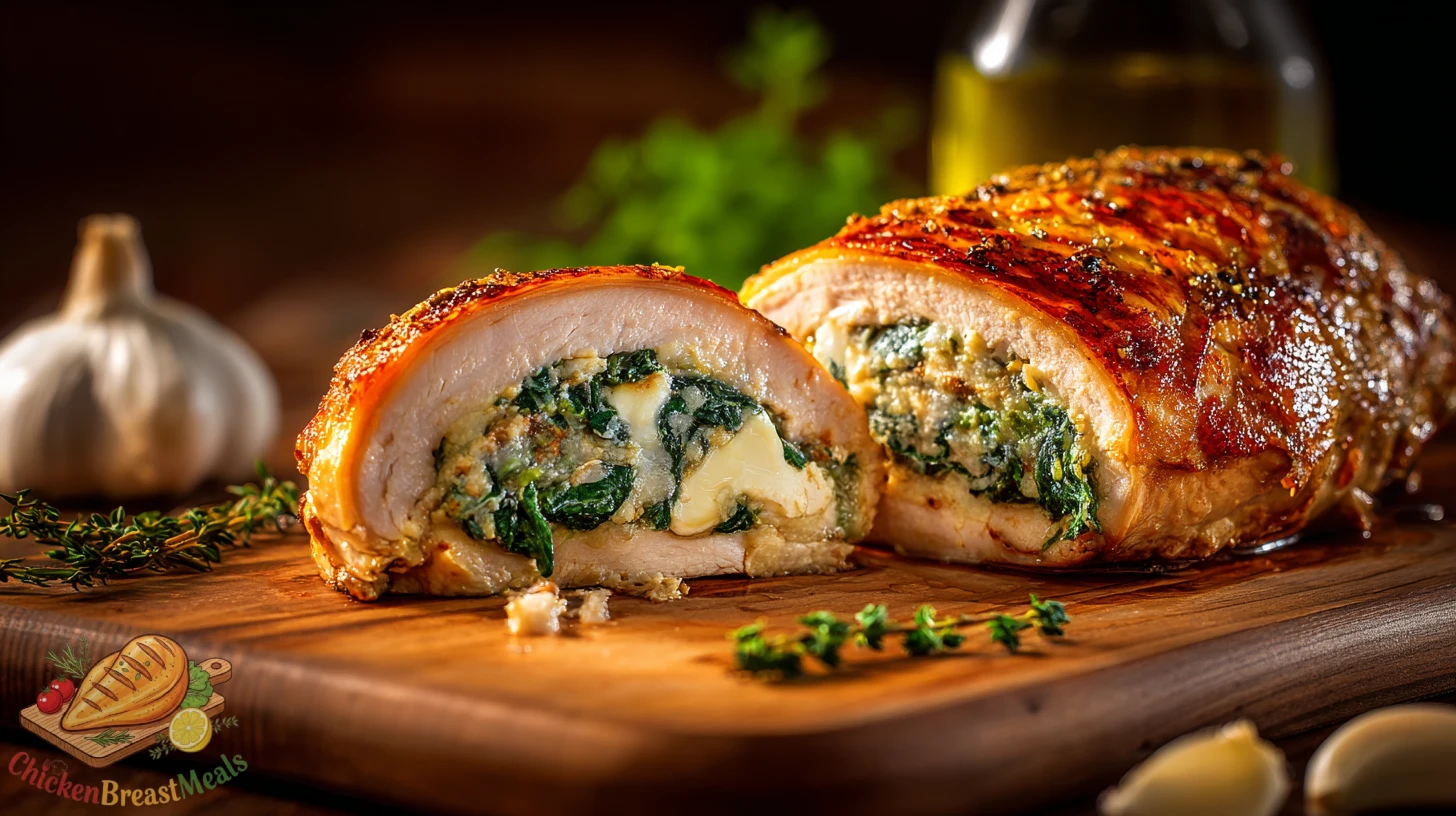
In the realm of poultry preparation, few culinary challenges are as ubiquitous—and as frustrating—as the humble chicken breast. Despite being America’s most purchased protein, this lean cut routinely disappoints at dinnertime, arriving at the table dry, tough, and woefully under-seasoned. Yet within this culinary conundrum lies an opportunity for transformation through two powerful techniques: strategic stuffing and masterful marination.
The Art of Flavor Infusion: Why Chicken Breast Needs Help
Chicken breast presents a paradox for home cooks. Its widespread appeal stems from its nutritional profile—high protein, low fat, and remarkable versatility. However, these very attributes create its fundamental flaw. With fat content hovering between 1-4% (compared to thighs’ 11%), chicken breast lacks the natural moisture insurance that fat provides during cooking. This leanness creates a frustratingly narrow temperature window between perfectly cooked (165°F) and disappointingly overcooked.
The second challenge is structural. Chicken breast’s uneven thickness—bulbous at one end while tapering to paper-thin at the other—makes even cooking nearly impossible. The thin end overcooks while the thick portion struggles to reach food-safe temperatures. This inconsistency creates the all-too-familiar experience of dry, stringy sections alongside potentially undercooked portions.
Finally, chicken breast’s relatively mild flavor profile means it relies heavily on proper seasoning. Its protein structure requires more than surface treatment—flavor must penetrate deeply to transform the eating experience.
Stuffing and marinating techniques address these fundamental challenges by:
- Creating moisture reservoirs through strategic ingredient placement
- Evening cooking times by restructuring the protein
- Amplifying flavor penetration through extended contact with seasoning agents
- Introducing complementary textures that enhance the dining experience
When executed correctly, these methods don’t merely improve chicken breast—they transform it into a showcase protein worthy of both weeknight dinners and special occasions. The remainder of this guide explores the technical mastery behind these techniques and their most successful applications.
The Chicken Breast Masterclass: Technical Foundations
Understanding the Science of Stuffed & Marinated Chicken
Before diving into technique, we must understand the transformative mechanisms at work. Chicken breast’s structure consists of bundled muscle fibers running parallel to one another. These fibers contract during cooking, squeezing out moisture—the primary cause of dryness. Both stuffing and marinating work to counteract this process in complementary ways.
Marination operates through three primary mechanisms:
- Enzymatic action: Certain ingredients (pineapple, yogurt, buttermilk) contain natural enzymes that partially break down surface proteins, creating gaps that retain moisture during cooking.
- Acid penetration: Vinegar, citrus juices, and wine create mild denaturing effects on proteins, altering their structure to hold more moisture.
- Osmotic pressure: Salt creates a two-way exchange where initially some moisture is drawn out, but ultimately more flavorful liquid is reabsorbed deeper into the meat.
Stuffing creates physical changes that affect cooking dynamics:
- Thermal buffers: Moist stuffing ingredients absorb and distribute heat more slowly than protein, preventing sections from overcooking.
- Structural reinforcement: Properly executed stuffing creates an internal support structure that minimizes fiber contraction.
- Flavor fusion: Direct contact between stuffing and meat during cooking allows fat-soluble flavors to migrate into the protein.
When these techniques are combined, they create a synergistic effect that addresses all of chicken breast’s inherent challenges simultaneously.
The Universal Base Method: Step-by-Step Process
Whether you’re creating a Mediterranean-inspired stuffed breast or an Asian-marinated cutlet, these foundational techniques remain consistent. Master these steps for reliably excellent results:
For Stuffed Chicken Breast:
- Preparation & Portioning
– Select breasts of similar size (7-9oz each) for even cooking
– Pat completely dry with paper towels to ensure proper cutting and stuffing
– Remove the tenderloin if attached (reserve for another use) - Creating the Pocket
– Place breast on cutting board with smooth side up
– Position your non-dominant hand flat on top of breast
– Using a sharp knife parallel to the board, slice horizontally into the thickest part
– Maintain 1/4-inch border on three sides, creating a pocket rather than cutting completely through
– For butterfly method (flat stuffed chicken), cut almost through, then open like a book - Stuffing Technique
– Stuff mixture into pocket using a small spoon, distributing evenly
– Fill to 70-80% capacity, allowing room for expansion
– Gently press outside of breast to distribute stuffing evenly - Securing the Pocket
– Close opening with toothpicks inserted at an angle (easier to remove after cooking)
– For larger openings, use butcher’s twine to tie at 1-inch intervals
– For butterfly method, fold over and secure with toothpicks or twine - Pre-Cooking Preparation
– Season exterior with salt and pepper after stuffing
– Allow to rest 10-15 minutes at room temperature for even cooking
– For crispier exterior, lightly dust with flour before cooking
For Marinated Chicken Breast:
- Preparation & Portioning
– Slice breasts to even thickness (3/4-inch ideal) using the butterfly technique or pounding
– For quickest marinade penetration, slice into uniform strips or cubes
– Score the surface in a shallow crosshatch pattern if keeping breasts whole - Marinade Application
– Place chicken in glass, ceramic, or food-safe plastic container (never aluminum with acidic marinades)
– Pour marinade over chicken, ensuring complete coverage
– Remove excess air from bags or cover containers tightly to maximize contact - Marination Timing
– Acidic marinades (citrus, vinegar): 30 minutes to 2 hours maximum to prevent mushy texture
– Enzymatic marinades (yogurt, buttermilk): 2-8 hours for optimal tenderization
– Oil-based, low-acid marinades: Can extend to 24 hours for maximum flavor infusion
– Salt-based brines: 2-4 hours (1 tablespoon salt per quart of water) - Pre-Cooking Preparation
– Remove chicken from marinade and pat dry (moisture prevents browning)
– Discard used marinade or bring to full boil for at least 1 minute if using as sauce
– Allow chicken to rest at room temperature for 10-15 minutes before cooking
Essential Equipment: Tools for Success
The right tools significantly impact your results when preparing stuffed and marinated chicken breasts. While elaborate equipment isn’t necessary, these key items make the process more efficient and successful:
Sharp Boning or Paring Knife
Why it matters: A dull knife tears rather than cuts the meat fibers, creating ragged pockets that leak during cooking. A sharp, narrow-bladed knife allows precise control when creating stuffing pockets.
Instant-Read Thermometer
Why it matters: Removes all guesswork from determining doneness. Stuffed chicken requires specific internal temperature verification since visual cues can be misleading. The thermometer should be inserted into the meat portion (not the stuffing) for accurate reading.
Heavy-Bottomed Ovenproof Skillet
Why it matters: The ideal cooking method for stuffed chicken starts on the stovetop and finishes in the oven. A quality skillet provides even heating for proper searing and transitions seamlessly to oven cooking without the need to transfer the delicate stuffed breasts.
Mixing Bowls with Lids
Why it matters: Designated marinating containers prevent cross-contamination. The flat-bottomed design ensures chicken remains fully submerged in marinade. Lids create airtight seals for refrigerated storage.
Kitchen Twine & Toothpicks
Why it matters: Properly secured stuffed chicken maintains its shape during cooking, prevents filling from leaking, and ensures even cooking. Toothpicks work for small openings, while twine provides superior support for butterflied preparations.
Meat Mallet
Why it matters: Creating even thickness is essential for both stuffed and marinated preparations. A textured meat mallet with both flat and toothed sides allows for precise control when flattening chicken to uniform thickness.
Zip-Top Freezer Bags
Why it matters: For marinating, these bags maximize surface contact between chicken and marinade while minimizing the amount of marinade needed. They also allow for easy massage distribution without mess.
Internal Temperature & Timing Chart
Achieving perfect doneness requires understanding both temperature targets and resting principles. This comprehensive chart outlines the precise indicators for success across different preparation methods:
|
Preparation Method |
Initial Temp |
Final Target Temp |
Resting Time |
Total Cook Time |
Visual Indicator |
|
Stuffed (Pan-seared & Oven) |
350°F oven |
165°F |
5-7 min |
22-25 min |
Clear juices |
|
Stuffed (Baked) |
375°F oven |
165°F |
5-7 min |
25-30 min |
No pink at center |
|
Marinated (Grilled) |
Medium-high heat |
160°F |
3-5 min |
5-6 min/side |
Firm to touch |
|
Marinated (Pan-seared) |
Medium heat |
160°F |
3-5 min |
4-5 min/side |
Grill marks/browning |
|
Marinated (Baked) |
375°F oven |
160°F |
3-5 min |
18-22 min |
White throughout |
|
Butterflied Stuffed |
350°F oven |
165°F |
5-7 min |
18-20 min |
Filling bubbling |
Note: Stuffed preparations must reach 165°F for food safety, while marinated (unstuffed) chicken can be safely consumed at 160°F as temperature continues rising during rest period. Always measure temperature at the thickest part of the meat, not the stuffing or marinade.
Featured Recipe Clusters: The Showroom
Stuffed Chicken Breast Masterpieces
Broccoli Cheese Stuffed Chicken Breast
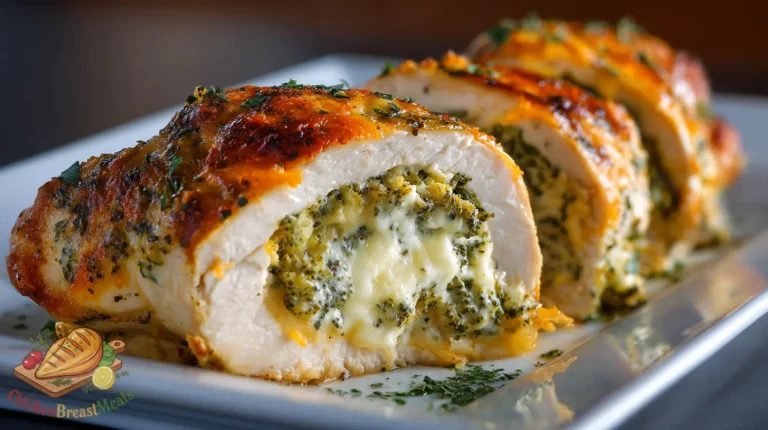
The key to perfect broccoli cheese stuffed chicken lies in properly creating the pocket, which should extend deeply into the breast while maintaining a secure 1/4-inch border to prevent leakage during cooking. The broccoli must be pre-blanched and thoroughly dried before combining with cheese to prevent excess moisture from creating a watery filling that seeps out during cooking. Temperature control is critical—starting with a high-heat sear to seal the opening before transitioning to gentler oven finishing prevents the catastrophic cheese eruption that ruins presentation and texture. The final success indicator is achieving the golden-brown exterior while maintaining the pocket integrity, resulting in that Instagram-worthy cheese pull when sliced.
Pro Tip: Mix a tablespoon of flour with your shredded cheese before stuffing. This creates a binding agent that helps the cheese melt into a smooth sauce rather than separating into oil and solids during cooking.
Broccoli Cheese Stuffed Chicken Breast
Jalapeno Popper Stuffed Chicken
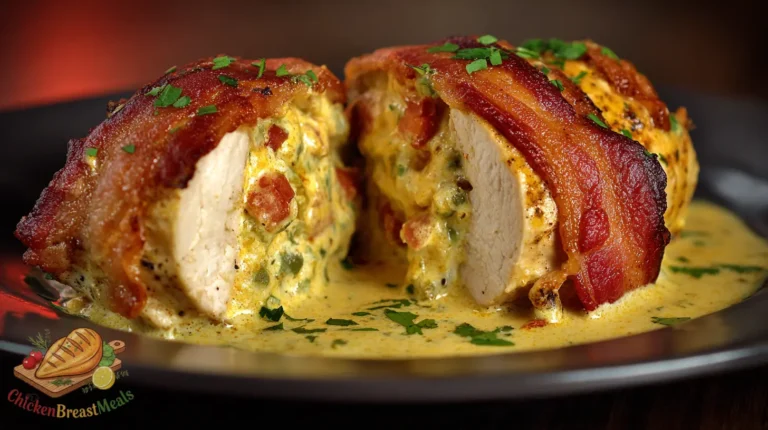
Mastering jalapeno popper stuffed chicken requires precision in heat management—both cooking temperature and spice level must be carefully controlled for optimal results. The jalapeno preparation is critical: removing seeds and membranes from half the peppers while leaving them intact in others creates layered heat throughout the filling without overwhelming the palate. The cream cheese mixture benefits from a 30-minute rest after mixing, allowing the flavors to meld and the mixture to firm slightly, making it less prone to leakage during the cooking process. Bacon wrapping provides dual benefits—it adds smoky complexity while functioning as an additional moisture barrier that keeps the chicken breast remarkably juicy.
Pro Tip: For consistent heat level, microwave your jalapenos for 15 seconds before dicing. This brief heat exposure tempers their volatile oils, ensuring the spice level remains consistent during cooking rather than intensifying unpredictably.
Jalapeno Popper Stuffed Chicken
Prosciutto Wrapped Stuffed Chicken
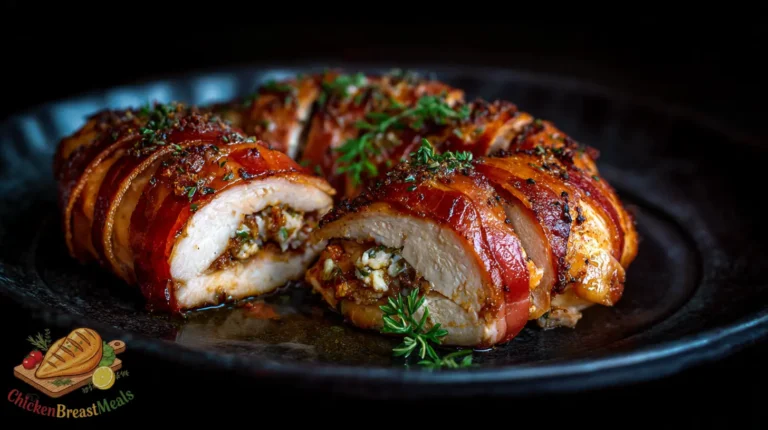
Prosciutto wrapped stuffed chicken elevates standard stuffed breast through strategic layering techniques that transform both flavor and texture. The paper-thin prosciutto slices must overlap by 1/4-inch when wrapped, creating a sealed moisture barrier that effectively bastes the chicken in fat during cooking. Unlike bacon wrapping, prosciutto requires no precooking and adheres naturally to the chicken surface, eliminating the need for toothpicks while providing superior visual presentation. The salt content in prosciutto means the chicken itself needs minimal seasoning, creating a self-basting package that concentrates flavor while maintaining succulence. The textural contrast between the crispy exterior and tender interior creates a signature eating experience that makes this method a consistent dinner party favorite.
Pro Tip: Refrigerate the wrapped chicken for 20 minutes before cooking. This rest period allows the prosciutto to adhere more firmly to the chicken, preventing it from shrinking separately during cooking and exposing the delicate breast meat to direct heat.
Prosciutto Wrapped Stuffed Chicken
Marinated Chicken Breast Excellence
Greek Yogurt Chicken Marinade
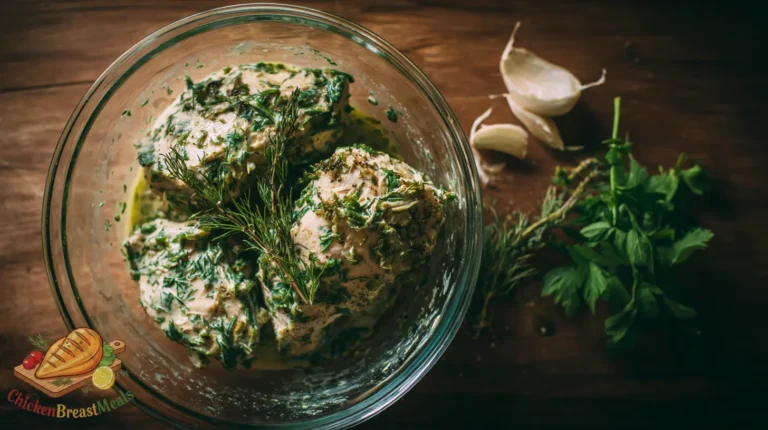
Greek yogurt marinade revolutionizes chicken breast through its unique dual-action tenderizing properties that operate on different principles than standard acidic marinades. The lactic acid in yogurt works more gently than vinegar or citrus, denaturing surface proteins without compromising texture, while the calcium activates enzymes already present in the meat for deeper tenderizing. The yogurt’s physical consistency creates complete surface contact that oil-based marinades cannot match, effectively forming a protective coating that prevents moisture loss during high-heat cooking. This marinade’s thickness also allows spices to remain suspended rather than settling, resulting in more consistent flavor distribution throughout the chicken breast.
Pro Tip: Reserve 1/4 cup of the yogurt marinade before adding chicken, then mix with 2 tablespoons olive oil to create a complementary sauce for serving. The uncontaminated marinade provides flavor continuity while the added oil creates a silky texture that perfectly complements the chicken.
Cilantro Lime Chicken Marinade
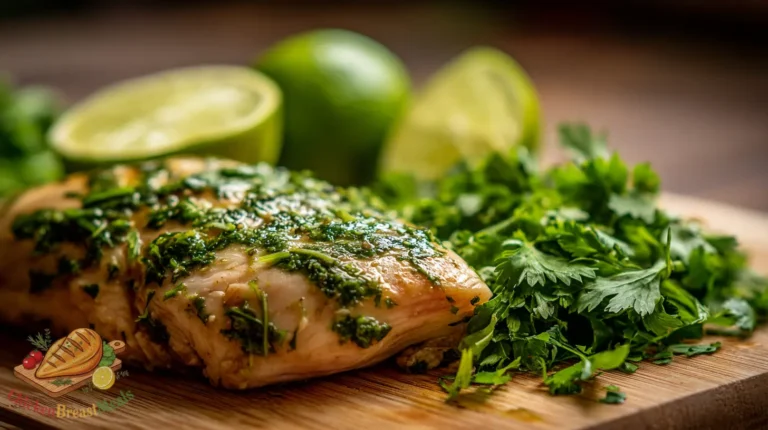
Cilantro lime marinade requires precise timing and proportion control to achieve its signature bright flavor profile without “cooking” the chicken in the bag. The marinade’s high acidity from lime juice begins breaking down protein structure immediately, creating an optimal window of 45-90 minutes where flavor infuses but texture remains intact. Balancing lime juice with a neutralizing agent like honey creates a controlled acidic environment that tenderizes without mushiness. The volatile compounds in cilantro begin degrading once chopped, making this a marinade where longer isn’t better—the late addition of cilantro (last 30 minutes) preserves its distinctive flavor notes that would otherwise dissipate during extended marination.
Pro Tip: Zest your limes directly into the marinade oil rather than the acid component. Oil-soluble flavor compounds in the zest create a more aromatic foundation, while preventing the bitter notes that can develop when zest sits too long in acidic liquid.
Cilantro Lime Chicken Marinade
Supporting Recipe Clusters: The Resource Library
Global Marinade Collections
Expand your chicken breast repertoire with these internationally-inspired marinades, each carefully formulated to balance flavor penetration with optimal texture:
- Buttermilk Chicken Marinade – The Southern classic that pioneered the enzyme-tenderizing technique
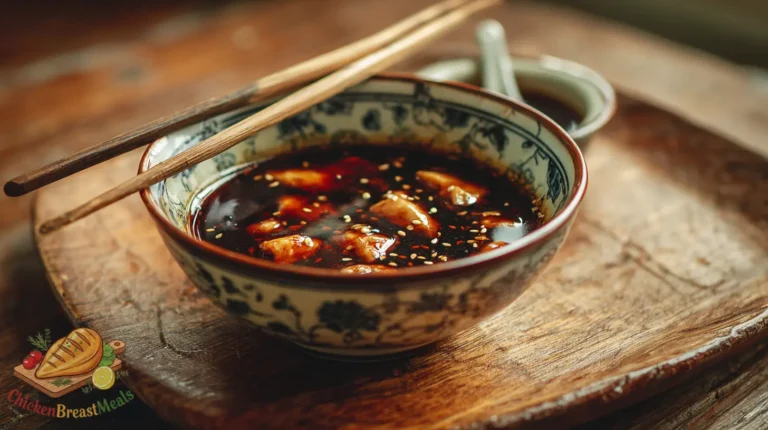
- Soy Ginger Marinade – Perfect East Asian flavor balance with umami depth
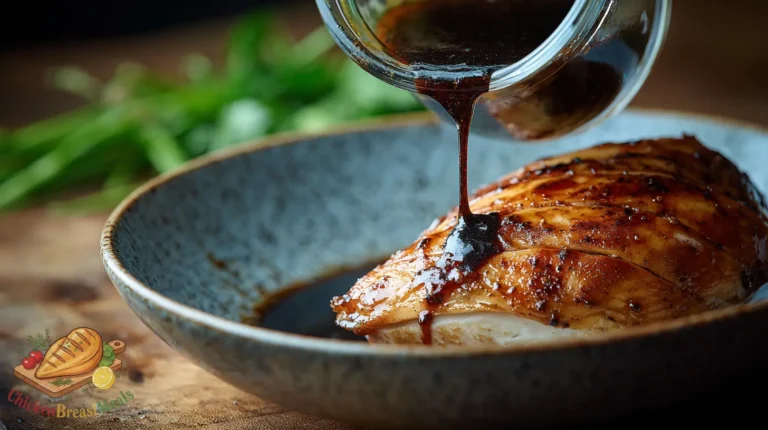
- Balsamic Marinade – Mediterranean-inspired with aged vinegar complexity
- Chipotle Lime Marinade – Smoky Mexican heat with citrus brightness
Signature Sauces & Toppings
Elevate perfectly cooked chicken breasts with these complementary finishing touches that add moisture, texture, and visual appeal:
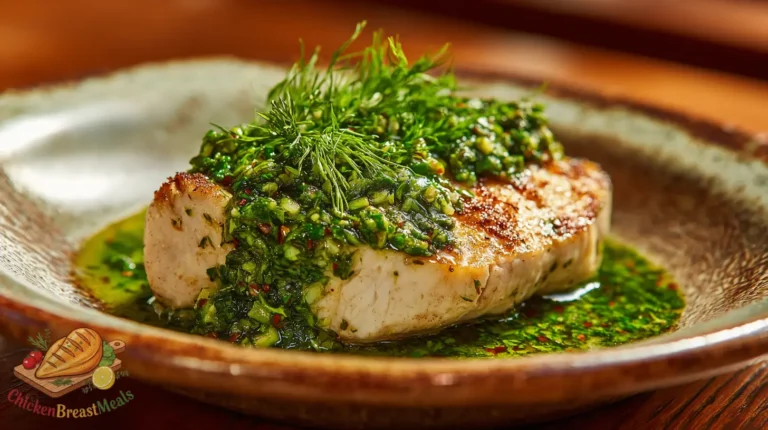
- Chimichurri Topped Chicken – Argentinian herb sauce with vibrant acidity
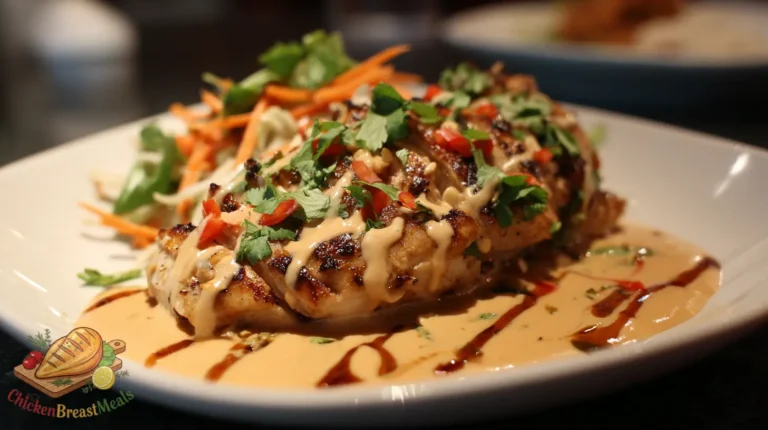
- Peanut Sauce Chicken – Rich Southeast Asian coating with subtle heat
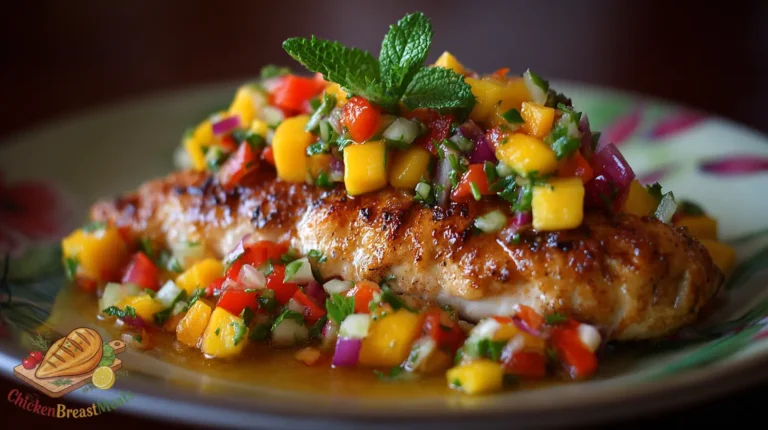
- Mango Salsa Topped Chicken – Tropical sweetness with fresh herbaceous notes
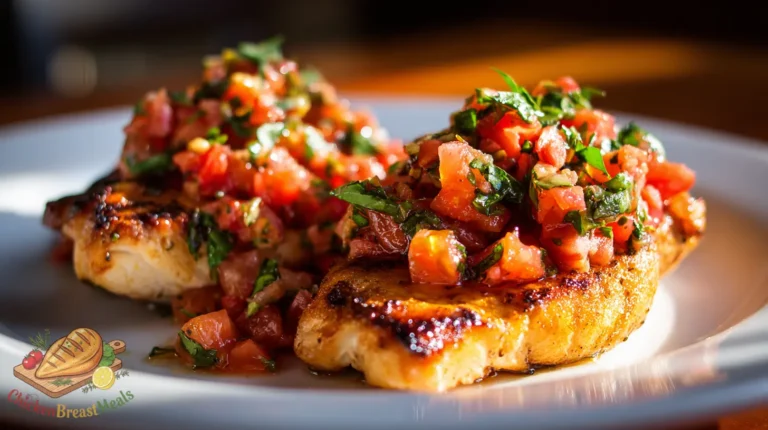
- Bruschetta Topped Chicken – Italian-inspired summer topping with garden freshness
Gourmet Stuffing Variations
These innovative stuffing combinations transform chicken breast from everyday protein to showstopping centerpiece:
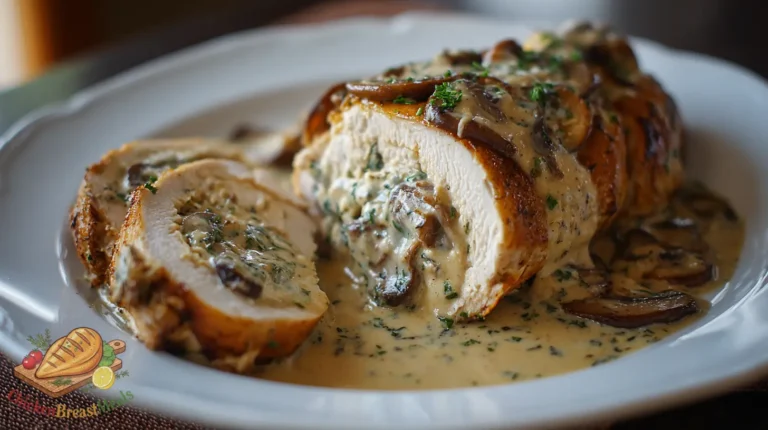
- Mushroom Swiss Stuffed Chicken – Earthy umami with melty cheese comfort
- Taco Stuffed Chicken – Mexican-inspired filling with Southwest spice
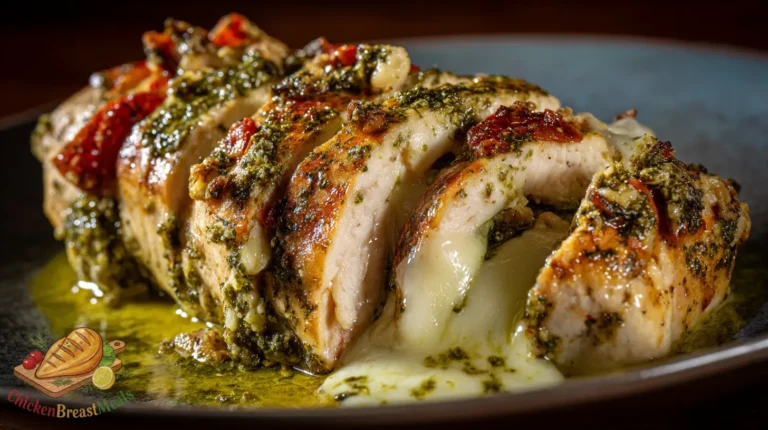
- Pesto Mozzarella Stuffed Chicken – Italian herb blend with pull-apart cheese texture
Troubleshooting & Expert FAQ
Why does my stuffed chicken always leak during cooking?
Stuffing leakage typically stems from three correctable errors in preparation. First, overfilling the pocket creates internal pressure as ingredients expand during cooking—limit filling to 70-80% capacity to allow for expansion. Second, insufficient sealing fails to contain the filling; ensure toothpicks or twine create complete closure, with entry points positioned at the highest point when cooking (minimizing gravity’s effect). Finally, improper temperature management causes filling to liquefy too quickly; always start with a high-heat sear (2 minutes per side) to quickly set the outer proteins before transitioning to lower temperature to finish cooking. For cheese-based stuffings specifically, incorporating 1-2 teaspoons of flour or breadcrumbs acts as a binding agent that maintains stability during the melting process.
How can I prevent marinated chicken from becoming mushy?
Marinade mushiness results from excessive exposure to acid or enzymatic ingredients. For acidic marinades (those containing vinegar, citrus, wine), limit contact time to 2 hours maximum—beyond this, acid begins breaking down proteins too aggressively, damaging the meat’s structure. For enzyme-heavy marinades (containing pineapple, papaya, kiwi, or meat tenderizer), dilute the enzymatic component with oil and limit marination to 30-60 minutes. Yogurt and buttermilk marinades are exceptions, as their enzymes work more gently—these can safely marinate for 4-8 hours. Always marinate in the refrigerator (below 40°F) to slow enzymatic action. Finally, pat marinated chicken completely dry before cooking; surface moisture creates steam that prevents browning and can contribute to a steamed, soft texture.
Why does my chicken breast cook unevenly, with dry parts and undercooked sections?
Uneven cooking is chicken breast’s most common flaw due to its naturally tapered shape. The solution requires addressing structural inconsistency before cooking begins. For non-stuffed preparations, either butterfly the breast to create uniform thickness or use gentle pounding with a meat mallet (covered with plastic wrap to prevent tearing). For stuffed preparations, strategic stuffing placement is key—concentrate more filling in the thinner sections to create balanced thickness throughout. Always rest chicken at room temperature for 10-15 minutes before cooking to prevent cold spots. Finally, employ the two-stage cooking method: sear on stovetop to establish exterior browning, then finish in a moderate oven (350°F) to bring the entire breast to temperature gradually without overcooking any section.
How do I know when stuffed chicken is safely cooked without cutting it open?
Temperature verification is the only reliable method for ensuring both safety and optimal texture in stuffed chicken. Insert an instant-read thermometer into the thickest part of the meat (not the stuffing) at an angle, avoiding contact with the filling or the pan. The meat should register 165°F for food safety, while the stuffing should separately reach 165°F as well. Visual indicators are supplemental but unreliable—clear (not pink) juices, firm (but not rigid) resistance when pressed, and slight swelling of the stuffing pocket suggest doneness. Always allow a 5-minute rest before cutting, which completes carryover cooking and redistributes juices. For situations without a thermometer, extend cooking time by 5 minutes beyond when you think it’s done, and verify by cutting into the thickest part of one portion.
Can I prepare stuffed or marinated chicken in advance?
Both preparations excel as make-ahead options with specific timing considerations. For marinated chicken, preparation can occur 2-24 hours in advance, depending on marinade type (refer to the timing chart). For stuffed chicken, there are two advance preparation options: 1) Complete the stuffing and assembly up to 24 hours ahead, store covered in the refrigerator, and bring to room temperature for 15 minutes before cooking; or 2) Fully cook the stuffed chicken, cool completely, refrigerate up to 3 days, and reheat in a 300°F oven until the internal temperature reaches 140°F (about 15-20 minutes). Never partially cook stuffed chicken for later finishing, as this creates a food safety risk. For best texture, delay breading or coating until just before final cooking, as these elements can become soggy during refrigerated storage.
Why does my marinade never seem to penetrate beyond the surface of the chicken?
Limited marinade penetration is a physical reality—even the most effective marinades rarely influence flavor beyond the outer 1-4mm of chicken breast due to its dense protein structure. To enhance penetration: first, mechanically tenderize the chicken using a fork to create channels for marinade entry; second, incorporate salt or soy sauce in the marinade as these compounds penetrate more effectively through osmotic pressure; third, score the surface with shallow cuts to increase surface area; and finally, consider injection marinating for special occasions, using a kitchen syringe to place marinade directly into the meat interior. Remember that marinade’s primary flavor impact occurs at the surface, which is why high-heat cooking techniques like grilling or broiling (which concentrate surface flavors) pair particularly well with marinated preparations.
How can I achieve restaurant-quality presentation for stuffed chicken?
Professional presentation requires attention to both technique and plating. For the perfect stuffed breast, rest the cooked chicken for 5-7 minutes before slicing to allow juices to redistribute. Use a sharp knife to create clean, angled cuts that showcase the filling. For plating, position slices slightly overlapped at an angle, with the most visually appealing cut surface facing up. Create height by stacking components rather than spreading them across the plate. Apply sauce in two ways: a small pool beneath the chicken (never completely covering it) and a deliberate drizzle or dots on the plate rim. Garnish strategically with fresh herbs or microgreens that complement the flavor profile rather than generic parsley. Finally, serve on preheated plates to maintain temperature throughout the dining experience—this professional touch prevents condensation and preserves the integrity of both chicken and sauce.
What’s the best way to salvage overcooked chicken breast?
Despite best efforts, overcooked chicken sometimes happens. Fortunately, several rescue techniques can transform dry chicken into an enjoyable meal. The most effective is fine shredding combined with a moisture-rich sauce—mix shredded overcooked breast with barbecue sauce for sandwiches, enchilada sauce for Mexican applications, or buffalo sauce for wraps. Alternatively, cube the chicken and incorporate into creamy preparations like chicken salad with extra mayo, pasta dishes with abundant sauce, or pot pies where surrounding ingredients provide moisture. For intact breasts, thinly slice and layer between sauce-painted tortillas for enchiladas or top with a pan sauce made by deglazing the cooking pan with wine or broth, then mounting with butter. Remember that acid brightens flavor perception, so incorporating lemon juice or vinegar in your rescue application helps compensate for flavor loss in overcooked chicken.
From Technique to Table: Your Next Steps
The techniques outlined in this guide represent the foundation of chicken breast transformation. By mastering the structural manipulation of stuffing and the chemical enhancements of marination, you’ve gained the skills to consistently elevate this everyday protein to remarkable culinary heights.
The true joy of these methods lies in their endless adaptability. Once you understand the principles governing successful stuffing and marination, the flavor combinations become limitless. Seasonal ingredients, international inspirations, and dietary preferences can all be accommodated within these technical frameworks.
We invite you to explore the linked recipes throughout this guide, each offering a unique application of these fundamental techniques. Whether you’re drawn to the creamy indulgence of stuffed preparations or the vibrant flavors of marinated creations, each recipe builds upon the mastery you’ve begun to develop.
Remember that perfection comes through practice. Document your results, note your adjustments, and gradually build your personal repertoire of foolproof chicken breast variations. Your journey from basic chicken to extraordinary dining experiences has only just begun.
Explore All Stuffed & Marinated Chicken Breast Recipes
-
Fresh Bruschetta Topped Chicken Breast (Light & Flavorful)
Fresh tomatoes, garlic, and basil make this bruschetta topped chicken breast irresistible.
-
Cheesy Pesto Mozzarella Stuffed Chicken (Rich & Melty)
Gooey pesto mozzarella stuffed chicken breast baked to perfection.
-
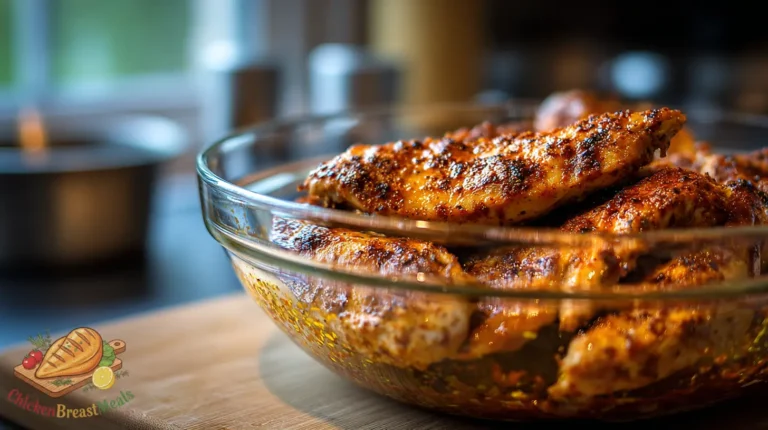
Smoky Chipotle Lime Chicken Marinade (Bold & Zesty)
Smoky, spicy, and citrusy chipotle lime chicken marinade perfect for tacos or salads.
-
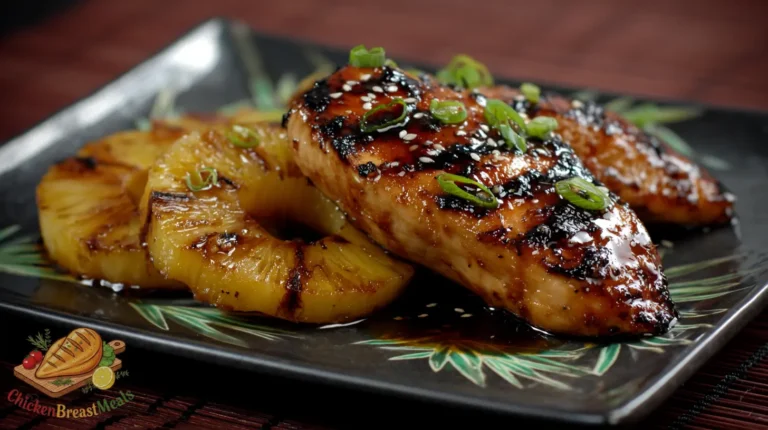
Sweet Pineapple Teriyaki Chicken Breast (Juicy & Flavorful)
Juicy pineapple teriyaki chicken breast cooked with fresh fruit rings.
-
Tropical Mango Salsa Topped Chicken (Fresh & Juicy)
Sweet and spicy mango salsa topped chicken breast. A tropical dinner in 20 minutes.
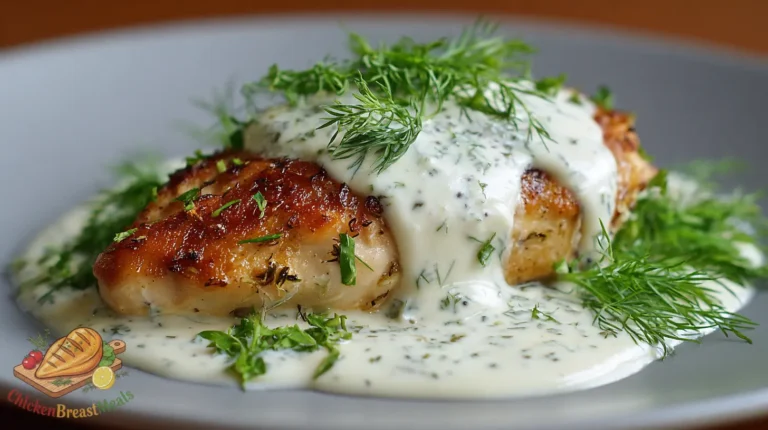
-
Refreshing Creamy Dill Sauce for Chicken (Light & Flavorful)
A light and refreshing yogurt-based creamy dill sauce for chicken breast.
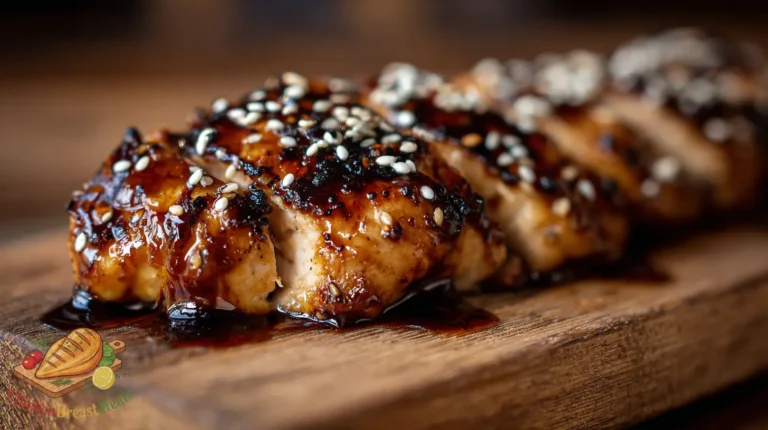
-
Sticky Teriyaki Glaze for Chicken (Sweet & Savory)
Homemade sticky sweet teriyaki glaze for chicken breast that outshines bottled sauce.
-
Creamy Peanut Sauce for Chicken Breast (Rich & Nutty)
Rich, creamy, and slightly spicy Thai-inspired peanut sauce for chicken breast.
-
Vibrant Chimichurri Sauce for Chicken (Fresh & Herbaceous)
Bright, herbaceous chimichurri sauce for chicken breast. The ultimate fresh topping.
-
Rich Balsamic Vinaigrette Chicken Marinade (Sweet & Tangy)
Sweet and tangy balsamic vinaigrette chicken marinade that creates a beautiful caramelized crust.
-
Fresh Cilantro Lime Chicken Marinade (Zesty & Bright)
Zesty and fresh cilantro lime chicken marinade perfect for grilling or baking.
-
Quick Soy Ginger Chicken Marinade (Savory & Aromatic)
Quick 30-minute soy ginger chicken marinade for perfect Asian-inspired chicken breasts.
-
Classic Buttermilk Chicken Marinade (Juicy & Flavorful)
Classic Southern buttermilk chicken marinade that guarantees juicy pan-fried or baked chicken.
-
Tender Greek Yogurt Chicken Marinade (Fresh & Protein-Rich)
The secret to the most tender meat: an easy Greek yogurt chicken marinade with lemon and dill.
-
Cheesy Taco Stuffed Chicken Breast (Bold & Flavorful)
Change up Taco Tuesday with this cheesy, spicy taco stuffed chicken breast.
-
Mediterranean Feta Spinach Stuffed Chicken (Fresh & Juicy)
Greek-inspired feta spinach stuffed chicken breast that stays incredibly moist.
-
Gourmet Prosciutto Wrapped Stuffed Chicken (Rich & Savory)
Gourmet prosciutto wrapped stuffed chicken breast filled with mozzarella and sage.
-
Creamy Jalapeno Popper Stuffed Chicken (Spicy & Indulgent)
Spicy, creamy, and wrapped in bacon: jalapeno popper stuffed chicken breast.
-
Savory Mushroom Swiss Stuffed Chicken (Elegant & Flavorful)
Savory mushroom swiss stuffed chicken breast. An elegant dinner that looks harder than it is.
-
Cheesy Broccoli Cheese Stuffed Chicken Breast (Rich & Comforting)
Comfort food at its finest: broccoli cheese stuffed chicken breast baked until golden.