Creamy Peanut Sauce for Chicken Breast (Rich & Nutty)

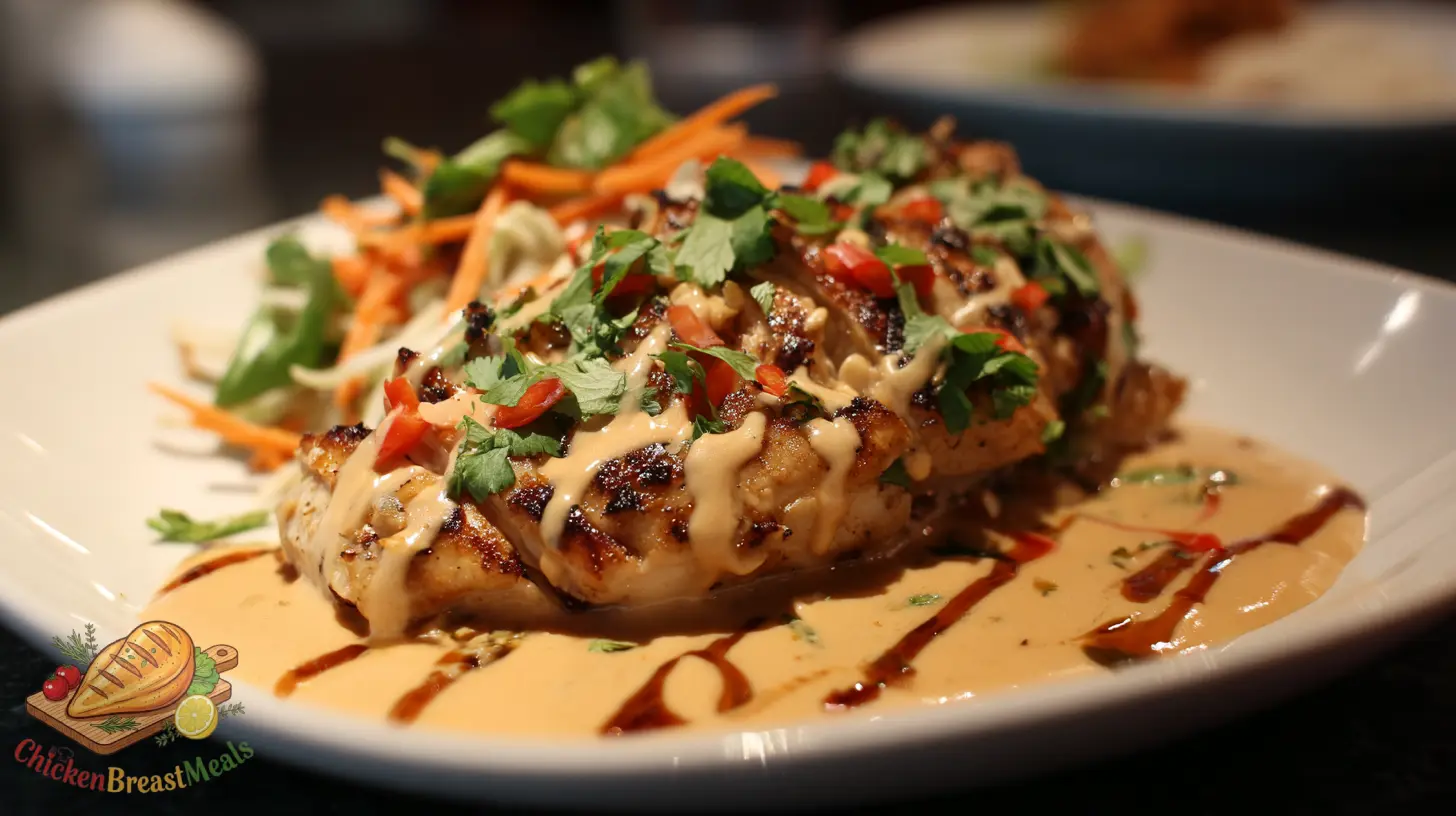
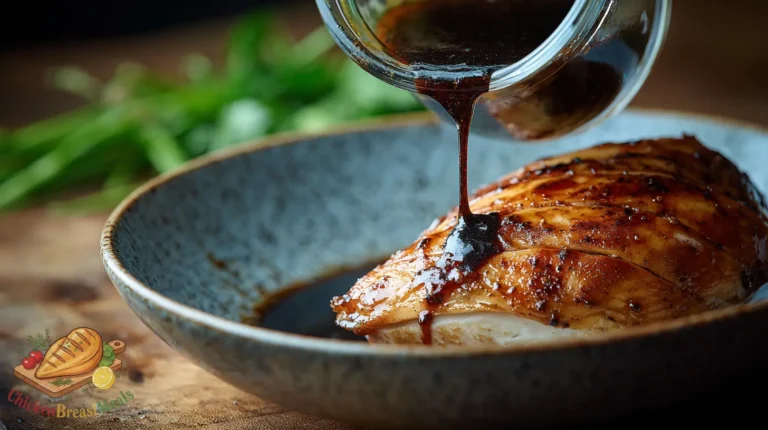
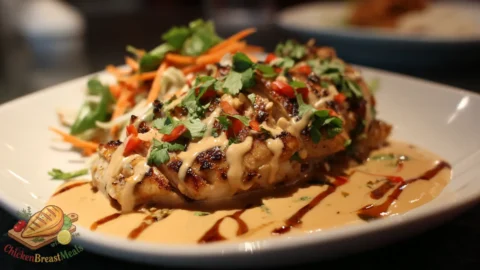
Peanut sauce for chicken breast represents the perfect fusion of nutty richness and protein-packed poultry. This versatile condiment transforms ordinary chicken into an extraordinary culinary experience, balancing sweet, savory, spicy, and tangy notes in perfect harmony. Whether you’re looking to elevate a simple grilled chicken breast or create an authentic Thai-inspired dish, a well-executed peanut sauce delivers maximum flavor impact with minimal effort.
The challenge many home cooks face is achieving the ideal consistency and flavor depth without the sauce breaking, separating, or becoming overwhelmingly sweet or peanutty. Our test kitchen has refined this recipe through dozens of iterations to solve these common issues, resulting in a technically superior peanut sauce that maintains its smooth texture while delivering complex flavor layers that complement the mild canvas of chicken breast perfectly.
Test-Kitchen Executive Summary
This peanut sauce recipe achieves optimal emulsification through precise ingredient sequencing and temperature control, creating a stable sauce with 14-day refrigerated shelf stability. The 2:1:1:0.5 ratio of peanut butter to liquid ingredients to aromatics to acidifiers creates balanced umami depth while maintaining proper viscosity. Heat activation of aromatics (ginger, garlic) in oil releases maximum flavor compounds before wet ingredient incorporation prevents sauce separation.
The Science of Success: Why This Recipe Works
Technical Foundations
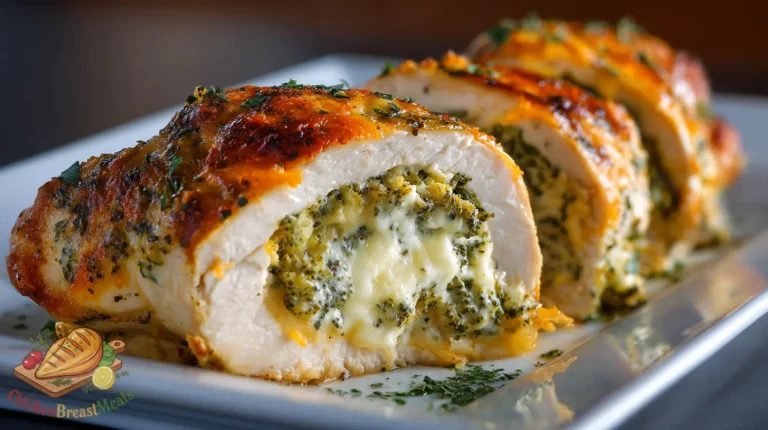
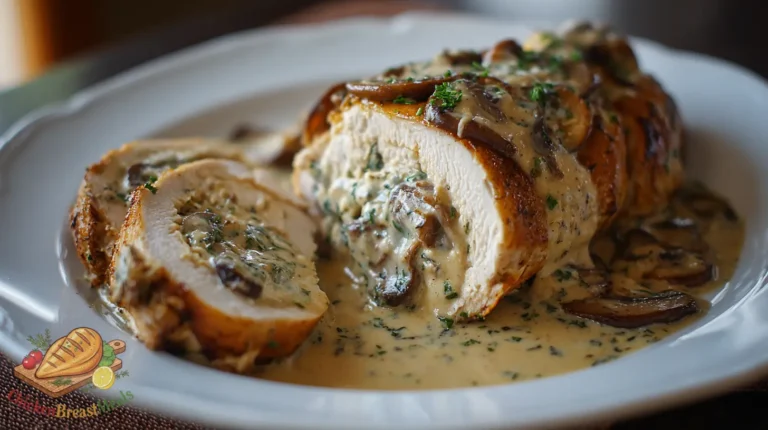
The foundation of any successful peanut sauce lies in understanding emulsion science and flavor development sequencing. By starting with toasted aromatics, we create a flavor base of oil-soluble compounds that seamlessly integrate with the peanut fat. This approach mirrors the technique we employ in our comprehensive stuffed and marinated chicken breast guide, where creating proper flavor foundations dramatically impacts final results.
The sauce maintains stability through careful pH control—too acidic and the proteins in the peanut butter coagulate; too basic and you lose the bright counterpoint to the rich peanut flavor. By incorporating acid components last, after the emulsion has formed, we prevent potential sauce separation. Additionally, the natural stabilizers in peanut butter (especially commercial varieties) help maintain the sauce’s colloidal suspension when properly hydrated with the right liquid ratios.
Ingredients and Essential Tools
- ½ cup natural peanut butter (unsweetened provides better flavor control)
- ¼ cup coconut milk (full-fat for richness and stability)
- 2 tbsp low-sodium soy sauce (provides umami depth without excessive salt)
- 1 tbsp rice vinegar (acidic balance)
- 1 tbsp brown sugar (adds complexity beyond white sugar)
- 1 tbsp toasted sesame oil (for aromatic foundation)
- 2 tsp freshly grated ginger (volatile compounds provide aromatic brightness)
- 2 cloves garlic, minced (allicin compounds provide savory notes)
- 1-2 tsp sambal oelek or sriracha (adjustable heat component)
- 1 lime, juiced (approximately 2 tbsp; acid brightness)
- 2-4 tbsp warm water (for consistency adjustment)
- ¼ tsp salt (flavor enhancement)
Essential Tools:
- Small saucepan (heavy-bottomed for even heat distribution)
- Whisk (for proper emulsion creation)
- Microplane (for ginger and garlic fine grating)
- Measuring spoons and cups (precision matters for ratios)
- Citrus juicer (for maximum juice extraction)
Step-by-Step Instructions
- Prepare Aromatics Base: Heat sesame oil in a small saucepan over medium-low heat. Add minced garlic and grated ginger, sautéing for 60-90 seconds until fragrant but not browned. This releases oil-soluble flavor compounds.
- Create Primary Emulsion: Reduce heat to low. Add peanut butter and coconut milk, whisking constantly until completely smooth and integrated (approximately 2-3 minutes). Maintain temperature below 180°F to prevent separation.
- Incorporate Umami Elements: Add soy sauce and brown sugar, whisking to fully dissolve sugar crystals (approximately 1 minute). The sauce will darken slightly.
- Adjust Consistency: Add warm water 1 tablespoon at a time until desired consistency is reached. For dipping sauce, aim for honey-like viscosity; for coating chicken, create a slightly thinner consistency.
- Balance Flavor Profile: Add rice vinegar, lime juice, and salt. Whisk to incorporate. These acidic elements are added last to prevent protein coagulation during the heating process.
- Heat Calibration: Add sambal oelek or sriracha to achieve desired spice level. Start conservatively—you can always increase heat but cannot remove it.
- Final Simmer: Allow sauce to simmer for 2-3 minutes on lowest heat setting, whisking occasionally to homogenize all flavors. The sauce should coat the back of a spoon with a smooth, even layer.
| Step | Time | Temperature | Visual Indicator |
|---|---|---|---|
| Aromatic activation | 60-90 seconds | Medium-low | Fragrant but not browned |
| Primary emulsion | 2-3 minutes | Low (below 180°F) | Smooth, integrated mixture |
| Umami incorporation | 1 minute | Low | Darkened, glossy appearance |
| Consistency adjustment | 1-2 minutes | Low | Desired viscosity achieved |
| Final simmer | 2-3 minutes | Lowest setting | Even coating on spoon back |
Pro-Tips for Perfect Results
- Temperature Control: Never allow peanut sauce to boil—high heat breaks the emulsion and causes oil separation. Keep below 180°F throughout the process.
- Ingredient Order Matters: Incorporate acids (lime juice, vinegar) after creating a stable emulsion to prevent curdling. These components alter protein structure in peanut butter.
- Sweetness Calibration: Brown sugar provides deeper molasses notes than white sugar. For substitutions: 2 tsp honey or 1½ tsp maple syrup can replace brown sugar.
- Consistency Management: Peanut sauce thickens as it cools. Prepare slightly thinner than your desired final consistency if serving later.
- Texture Refinement: For ultra-smooth sauce, blend finished product in a high-speed blender for 30 seconds. This creates a silky, restaurant-quality finish.
- Heat Building Strategy: Capsaicin compounds in chilis are fat-soluble. If using fresh chilis instead of sambal oelek, add them with the garlic and ginger to infuse the oil.
- Salt Progression: Add salt last, after all other ingredients are incorporated. The soy sauce already contributes significant sodium—taste before adding additional salt.
Storage and Reheating
Peanut sauce maintains optimal flavor and texture for up to 14 days when properly stored. Transfer cooled sauce to an airtight container and refrigerate promptly. The natural oils in peanut butter will solidify when chilled, creating a thicker consistency.
When reheating, avoid microwave heating which creates hot spots that can break the emulsion. Instead:
- Place desired portion in a small saucepan.
- Heat over low temperature (below 180°F), whisking constantly.
- If sauce is too thick after refrigeration, incorporate 1-2 teaspoons of warm water while reheating to restore original consistency.
For make-ahead preparation, the sauce can be frozen for up to 3 months in ice cube trays, then transferred to freezer bags for portioned use. Thaw overnight in refrigerator before gentle reheating.
Related Recipes to Try
- Soy-Ginger Chicken Marinade: Complements this peanut sauce perfectly for a two-stage flavor application—marinate chicken in soy-ginger mixture, then finish with peanut sauce after cooking.
- Teriyaki Glaze for Chicken: Another Asian-inspired sauce that works with similar cooking techniques, offering flavor variety while utilizing the same preparation methods.
- Thai-Inspired Chicken Satay: Skewer thinly sliced chicken breast, grill to perfection, and serve with this peanut sauce for an authentic appetizer experience.
- Peanut Noodle Chicken Bowl: Toss shredded chicken breast, rice noodles, and fresh vegetables with this peanut sauce thinned with additional water for a complete meal.
FAQs About Peanut Sauce for Chicken Breast
Why does my peanut sauce separate?
Separation typically occurs due to excessive heat or improper emulsification. Never allow the sauce to boil, and ensure thorough whisking when combining oil-based and water-based ingredients. Adding acids too early can also cause separation—always incorporate vinegar and citrus after establishing the primary emulsion.
Can I make this sauce with crunchy peanut butter?
Yes, crunchy peanut butter works but creates a textured sauce with less cohesive mouthfeel. If using crunchy peanut butter, increase whisking time by 1-2 minutes to properly distribute the peanut pieces, and consider adding an additional tablespoon of coconut milk for proper emulsification.
How can I reduce calories while maintaining flavor integrity?
Substitute light coconut milk (saving 50 calories per serving) and reduce peanut butter to ⅓ cup while increasing water by 2 tablespoons. This maintains sauce structure while reducing fat content. PB2 powdered peanut butter is not recommended as it lacks the emulsifying properties of regular peanut butter.
Is this peanut sauce gluten-free?
Standard soy sauce contains wheat. For gluten-free preparation, substitute tamari or certified gluten-free soy sauce. Always verify coconut milk is processed in a gluten-free facility if serving to those with celiac disease.
What’s the best chicken preparation method to pair with this sauce?
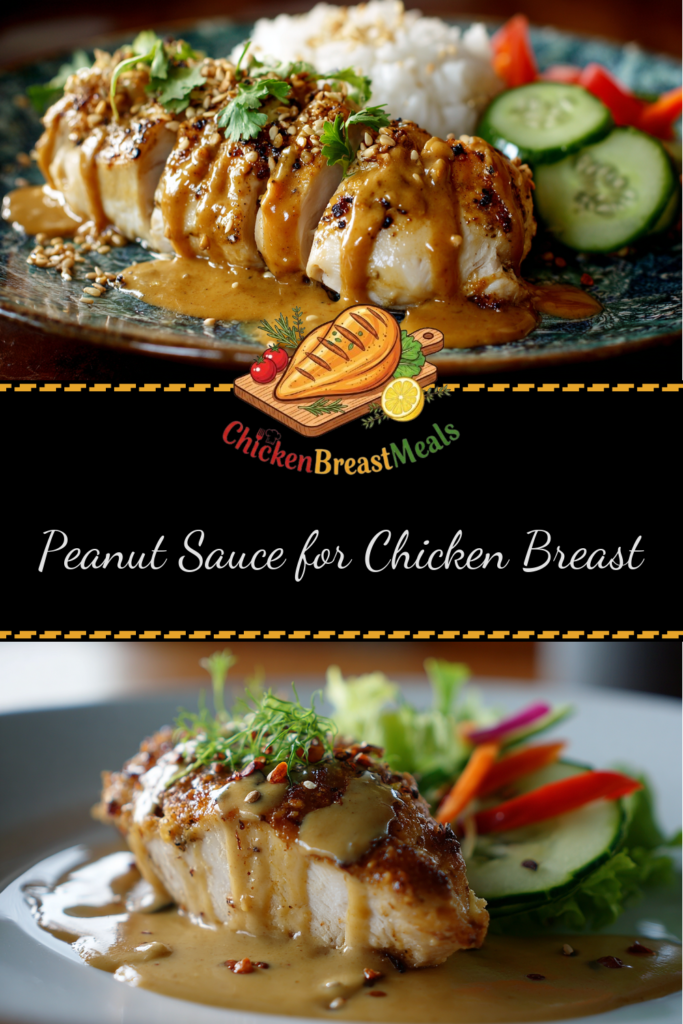
This sauce pairs optimally with chicken breast that’s been prepared using dry-heat methods that create exterior caramelization without excessive seasoning. Grilled, air-fried, or sautéed chicken breast with minimal seasoning (salt and pepper only) allows the sauce flavors to shine without competition.
Conclusion
The technical precision applied to this peanut sauce recipe elevates it beyond typical home preparations, delivering restaurant-quality results through controlled emulsification and strategic ingredient sequencing. The key to success lies in understanding the chemical interactions between fat-soluble and water-soluble components, then manipulating temperature and incorporation timing accordingly.
When properly executed, this peanut sauce transforms ordinary chicken breast into a sophisticated dish with complex flavor layers and perfect texture. The versatility of this sauce extends beyond simple application—it can be customized through heat levels, consistency adjustments, and pairing strategies to suit diverse culinary applications. Master this fundamental sauce, and you’ll possess a valuable technique that extends to numerous Asian-inspired chicken preparations.
Creamy Peanut Sauce for Chicken Breast

Ingredients
- 1/2 cup natural peanut butter unsweetened preferred
- 1/4 cup coconut milk full-fat for richness
- 2 tablespoons low-sodium soy sauce
- 1 tablespoon rice vinegar
- 1 tablespoon brown sugar
- 1 tablespoon toasted sesame oil
- 2 teaspoons fresh ginger finely grated
- 2 cloves garlic minced
- 1-2 teaspoons sambal oelek or sriracha adjust to taste
- 1 lime juiced (about 2 tbsp)
- 2-4 tablespoons warm water for consistency adjustment
- 1/4 teaspoon salt or to taste
Method
- Heat sesame oil in a small saucepan over medium-low heat. Add minced garlic and grated ginger, sautéing for 60-90 seconds until fragrant but not browned.
- Reduce heat to low. Add peanut butter and coconut milk, whisking constantly until completely smooth and integrated (approximately 2-3 minutes). Maintain temperature below 180°F to prevent separation.
- Add soy sauce and brown sugar, whisking to fully dissolve sugar crystals (approximately 1 minute).
- Add warm water 1 tablespoon at a time until desired consistency is reached. For dipping sauce, aim for honey-like viscosity; for coating chicken, create a slightly thinner consistency.
- Add rice vinegar, lime juice, and salt. Whisk to incorporate.
- Add sambal oelek or sriracha to achieve desired spice level.
- Allow sauce to simmer for 2-3 minutes on lowest heat setting, whisking occasionally to homogenize all flavors. The sauce should coat the back of a spoon with a smooth, even layer.
Note
- Never allow peanut sauce to boil—high heat breaks the emulsion and causes oil separation. Keep below 180°F throughout the process.
- Incorporate acids (lime juice, vinegar) after creating a stable emulsion to prevent curdling.
- Peanut sauce thickens as it cools. Prepare slightly thinner than your desired final consistency if serving later.
- For ultra-smooth sauce, blend finished product in a high-speed blender for 30 seconds.
- Store in an airtight container in the refrigerator for up to 14 days.