Vibrant Chimichurri Sauce for Chicken (Fresh & Herbaceous)

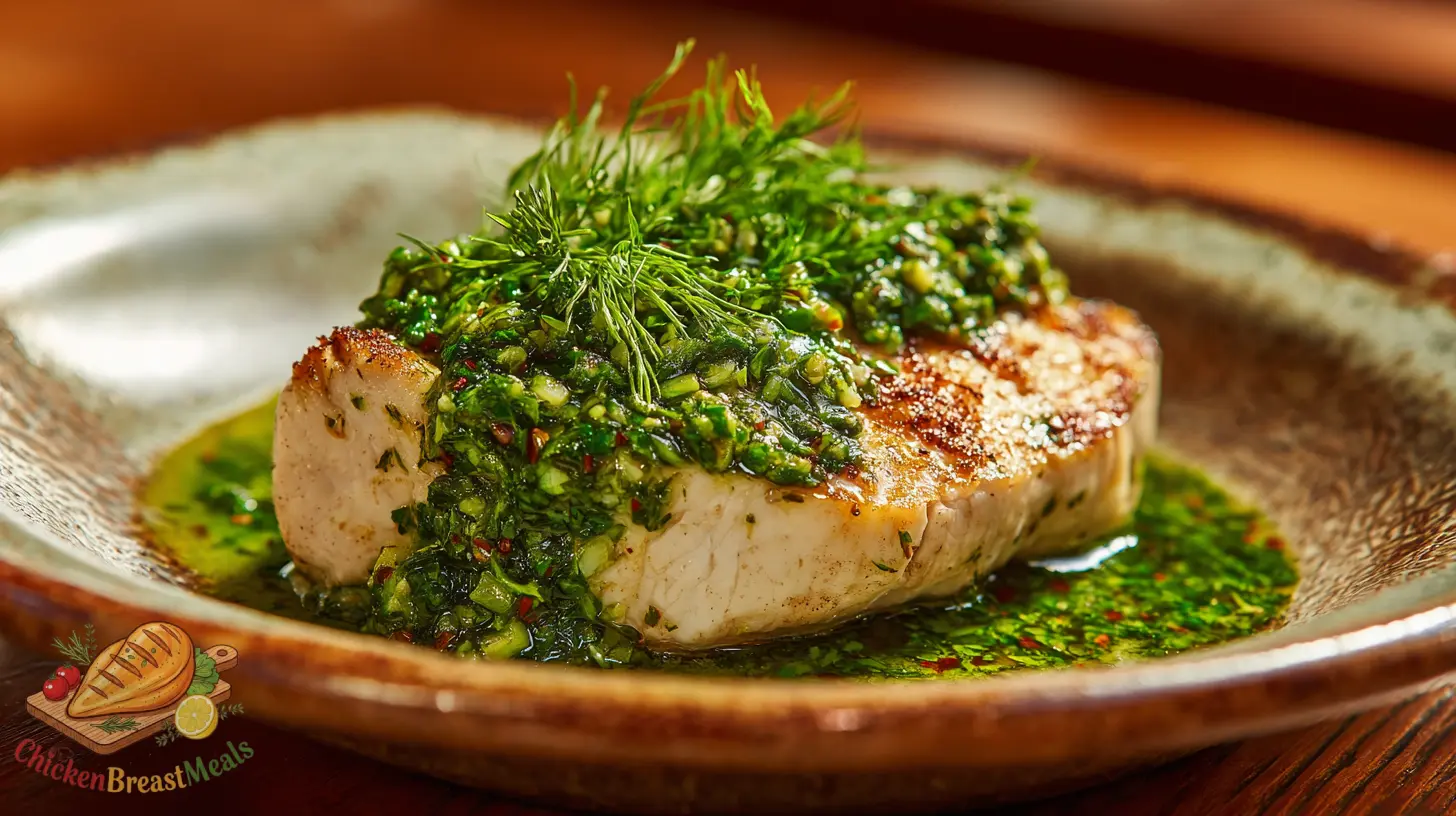
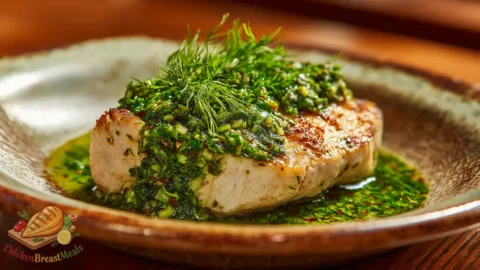
Chimichurri sauce for chicken delivers a transformative experience through its vibrant, herbaceous profile that cuts through the mild canvas of chicken protein. This Argentinian-inspired condiment combines fresh parsley, garlic, vinegar, and olive oil into an emulsified sauce that both complements and elevates poultry dishes beyond their standard flavor boundaries.
Making exceptional chimichurri requires understanding the balance between acid, oil, and herbs – proportions that many home cooks struggle to perfect. The difference between mediocre and magnificent chimichurri often comes down to technical precision: proper herb processing, emulsification technique, and allowing sufficient time for flavor development.
Test-Kitchen Executive Summary
This chimichurri sauce recipe employs a precise 2:1 herb-to-oil ratio with controlled acid application through red wine vinegar (5.8% acidity) to create optimal flavor development. Manual processing via hand-chopping maintains cellular integrity of herbs for controlled flavor release over time. The sauce performs optimally when allowed a 60-minute ambient temperature rest before application, permitting volatile compounds to integrate, followed by refrigeration to extend shelf life to 5-7 days while preserving vibrant coloration.
The Science of Success: Why This Recipe Works
Technical Foundations
Chimichurri achieves its distinctive profile through several chemical mechanisms. First, mechanical disruption of herb cells releases chlorophyll and volatile aromatic compounds. By hand-chopping rather than blending, we maintain cellular structure integrity, allowing for a controlled, progressive flavor release that continues developing even after the sauce is applied to chicken. This technique pairs particularly well with our approach to stuffed marinated chicken breast recipes, where the chimichurri can both season the exterior and be incorporated into the stuffing.
The sauce’s acidity (pH approximately 4.2) serves dual functions: it balances the richness of olive oil while inhibiting oxidative processes that would otherwise deteriorate the vivid green color. The emulsification of oil and vinegar creates microscopic droplets that efficiently deliver fat-soluble flavor compounds, enhancing the sauce’s ability to adhere to and penetrate the chicken’s surface proteins.
Ingredients and Essential Tools
Core Ingredients
- 1 cup fresh flat-leaf parsley, firmly packed (about 1 large bunch)
- 4 cloves garlic, minced (approximately 12g)
- 1/4 cup fresh oregano leaves (or 1 tablespoon dried oregano)
- 1/4 cup red wine vinegar (5-6% acidity)
- 1/2 cup extra virgin olive oil (preferably with low peroxide values under 15 meq/kg)
- 1/2 teaspoon red pepper flakes
- 3/4 teaspoon kosher salt (Diamond Crystal brand; adjust if using different salt)
- 1/4 teaspoon freshly ground black pepper
Optional Flavor Enhancers
- 2 tablespoons fresh cilantro leaves
- 1 tablespoon fresh lemon juice
- 1/2 small shallot, finely minced (about 20g)
Essential Tools
- Sharp chef’s knife (8-inch minimum) for proper herb processing
- Large cutting board (preferably wooden to prevent discoloration)
- Glass measuring cup for accurate liquid measurement
- Microplane or garlic press for consistent garlic texture
- Glass container with airtight seal for storage
- Whisk for proper emulsification
Step-by-Step Instructions
- Prepare herbs: Thoroughly wash parsley and oregano, then dry completely using paper towels or a salad spinner. Excess moisture will dilute flavors and accelerate degradation. Remove thick stems from parsley, reserving leaves and tender upper stems. Strip oregano leaves from stems.
- Process herbs: On a large cutting board, hand-chop parsley and oregano to medium-fine consistency (approximately 1-2mm pieces). Avoid over-processing to prevent cellular damage and oxidation. Transfer to a medium mixing bowl.
- Incorporate aromatics: Add minced garlic, red pepper flakes, salt, and black pepper to the herbs. Stir to distribute evenly.
- Create emulsion: Pour in red wine vinegar and stir for 30 seconds, allowing acids to begin breaking down cell walls. Slowly drizzle in olive oil while whisking continuously to create a partial emulsion.
- Develop flavors: Cover bowl and allow sauce to rest at room temperature for a minimum of 30 minutes (optimal: 60 minutes) for flavor compounds to integrate.
- Adjust seasoning: Before serving, taste and adjust salt, acid, or heat levels as needed. The flavor should be vibrant with balanced acidity.
| Stage | Time Required | Critical Success Factors |
|---|---|---|
| Herb preparation | 5-7 minutes | Complete drying to prevent dilution |
| Herb processing | 3-5 minutes | Medium-fine texture without over-processing |
| Emulsification | 2-3 minutes | Slow oil incorporation while whisking |
| Flavor development | 30-60 minutes | Ambient temperature rest in sealed container |
Pro-Tips for Perfect Results
- Temperature management: Prepare chimichurri at room temperature (68-72°F/20-22°C) for optimal emulsion formation. Cold ingredients can prevent proper integration.
- Herb freshness indicators: Select parsley bunches with firm stems and vibrant green leaves. Yellow leaves indicate age and diminished flavor compounds.
- Oil quality impact: Use oils with low peroxide values (under 15 meq/kg) to prevent rapid oxidation of herb compounds. Higher-quality oils extend the sauce’s viable flavor window.
- Garlic processing technique: Mince garlic 10-15 minutes before incorporation to allow allicin development (the compound responsible for garlic’s bioactive properties).
- Acid variation: For milder acidity, substitute white wine vinegar (5% acidity). For brighter notes, incorporate 1 tablespoon fresh lemon juice, reducing vinegar accordingly.
- Texture calibration: Traditional Argentinian chimichurri maintains distinct herb pieces. For smoother texture, process 1/4 of the mixture in a food processor, then reincorporate.
- Application technique: Apply to chicken in two stages: 2 tablespoons before cooking and additional sauce after resting for maximum flavor layering without herb charring.
Storage and Reheating
Optimal Storage Conditions
Chimichurri sauce follows predictable preservation patterns based on temperature and exposure variables. For maximum quality retention, transfer the sauce to a glass container with minimal headspace, creating an airtight environment that reduces oxidation. Refrigerate at 34-38°F (1-3°C), where it maintains peak flavor for 5-7 days.
The sauce undergoes a positive flavor transformation during the first 24 hours as volatile compounds integrate. Beyond day 7, chlorophyll degradation accelerates, causing noticeable color shift from vibrant green to olive-brown, accompanied by flavor dulling.
Freezing Protocol
For extended preservation, chimichurri can be frozen in ice cube trays (approximately 1 tablespoon per cavity), then transferred to freezer bags with air removed. Frozen chimichurri maintains acceptable quality for up to 3 months. Thaw in refrigerator overnight before use. Note that freezing causes slight texture degradation due to ice crystal formation disrupting cellular structures, but flavor compounds remain largely intact.
Reactivation Technique
When using stored chimichurri, counter diminished vibrancy by adding:
- 5-10 drops fresh lemon juice per 1/4 cup sauce
- Pinch of freshly chopped parsley
- Quick whisk to re-emulsify separated components
Allow to rest 5 minutes before serving to integrate new elements.
Related Recipes to Try
- Complementary Marinades: Our cilantro lime chicken marinade shares flavor profile elements with chimichurri, making them excellent companions in a meal rotation system.
- Topping Variations: For a sweet-savory counterpoint to chimichurri’s herbaceous profile, try our mango salsa topped chicken for the next meal in your weekly planning.
- Application Expansion: While designed for chicken, this chimichurri excels when paired with grilled vegetables, particularly bell peppers, zucchini, and eggplant.
- Protein Alternatives: The acid-oil ratio in this recipe makes it equally suitable for firmer fish varieties like halibut or swordfish.
FAQs About Chimichurri Sauce For Chicken
Can I make chimichurri sauce in a food processor?
While technically possible, mechanical processing generates heat and excessive cell rupture, accelerating oxidation and creating a paste-like consistency rather than the traditional texture. If time constraints necessitate machine processing, use pulse function in 1-second bursts with chilled ingredients to minimize heat generation.
Why did my chimichurri sauce turn brown?
Browning results from chlorophyll oxidation, accelerated by extended exposure to light, heat, or air. Prevention strategies include: storing in dark containers, maintaining proper refrigeration temperatures (34-38°F), and creating a thin oil layer on the surface before sealing.
How can I reduce the raw garlic intensity in chimichurri?
Raw garlic contains potent allicin compounds. To moderate intensity: blanch peeled garlic cloves in boiling water for 30 seconds before mincing; substitute 1-2 cloves with roasted garlic; or macerate minced garlic in vinegar for 5 minutes before incorporating other ingredients.
Is traditional chimichurri sauce spicy?
Authentic Argentinian chimichurri maintains moderate heat from red pepper flakes. Our recipe calibrates to medium heat (approximately 2,500-5,000 Scoville Heat Units). Adjust red pepper flake quantity proportionally to preference: omit completely for no heat, double for significant heat impact.
Can I use dried herbs for chimichurri sauce?
Fresh herbs are essential for proper chimichurri due to their volatile oil content and moisture. Dried herbs lack these qualities and produce substandard results. If absolutely necessary, reconstitute dried parsley and oregano in warm water for 10 minutes, then drain thoroughly before proceeding, but expect approximately 60% flavor intensity compared to fresh.
Conclusion
Chimichurri sauce for chicken represents a technical balance of herb preparation, acid-oil emulsion, and flavor development through time and temperature management. By maintaining proper ingredient proportions and employing controlled processing techniques, this recipe delivers a sauce with optimal flavor longevity and application versatility.
The science behind this chimichurri focuses on preserving cellular structures within herbs while creating an environment where flavor compounds can integrate without premature degradation. This approach distinguishes professional-quality chimichurri from simple herb mixtures, producing a sauce with depth that continues to evolve through its usable lifespan.
For optimal results, remember that chimichurri benefits from being treated as a living ingredient system rather than a static condiment. By understanding its biochemical properties, you can manipulate storage conditions and application timing to maximize its impact on various chicken preparations, from simple grilled breasts to complex stuffed presentations.
Vibrant Chimichurri Sauce for Chicken

Ingredients
- 1 cup flat-leaf parsley, firmly packed about 1 large bunch
- 4 cloves garlic, minced approximately 12g
- 1/4 cup fresh oregano leaves or 1 tablespoon dried oregano
- 1/4 cup red wine vinegar 5-6% acidity
- 1/2 cup extra virgin olive oil preferably with low peroxide values
- 1/2 teaspoon red pepper flakes adjust to taste
- 3/4 teaspoon kosher salt Diamond Crystal brand
- 1/4 teaspoon freshly ground black pepper
- 2 tablespoons fresh cilantro leaves optional
- 1 tablespoon fresh lemon juice optional
Method
- Thoroughly wash parsley and oregano, then dry completely using paper towels or a salad spinner. Remove thick stems from parsley, reserving leaves and tender upper stems. Strip oregano leaves from stems.
- On a large cutting board, hand-chop parsley and oregano to medium-fine consistency (approximately 1-2mm pieces). Transfer to a medium mixing bowl.
- Add minced garlic, red pepper flakes, salt, and black pepper to the herbs. Stir to distribute evenly.
- Pour in red wine vinegar and stir for 30 seconds, allowing acids to begin breaking down cell walls. Slowly drizzle in olive oil while whisking continuously to create a partial emulsion.
- Cover bowl and allow sauce to rest at room temperature for a minimum of 30 minutes (optimal: 60 minutes) for flavor compounds to integrate.
- Before serving, taste and adjust salt, acid, or heat levels as needed. The flavor should be vibrant with balanced acidity.
Note
- For best results, make this sauce at least 1 hour before serving to allow flavors to develop.
- Store in an airtight glass container in the refrigerator for up to 7 days.
- Apply to chicken in two stages: before cooking and after resting for maximum flavor impact.
- Hand-chopping herbs rather than using a food processor preserves texture and prevents oxidation.
- The sauce will naturally separate during storage; simply whisk before serving.