Smoky Chipotle Lime Chicken Marinade (Bold & Zesty)

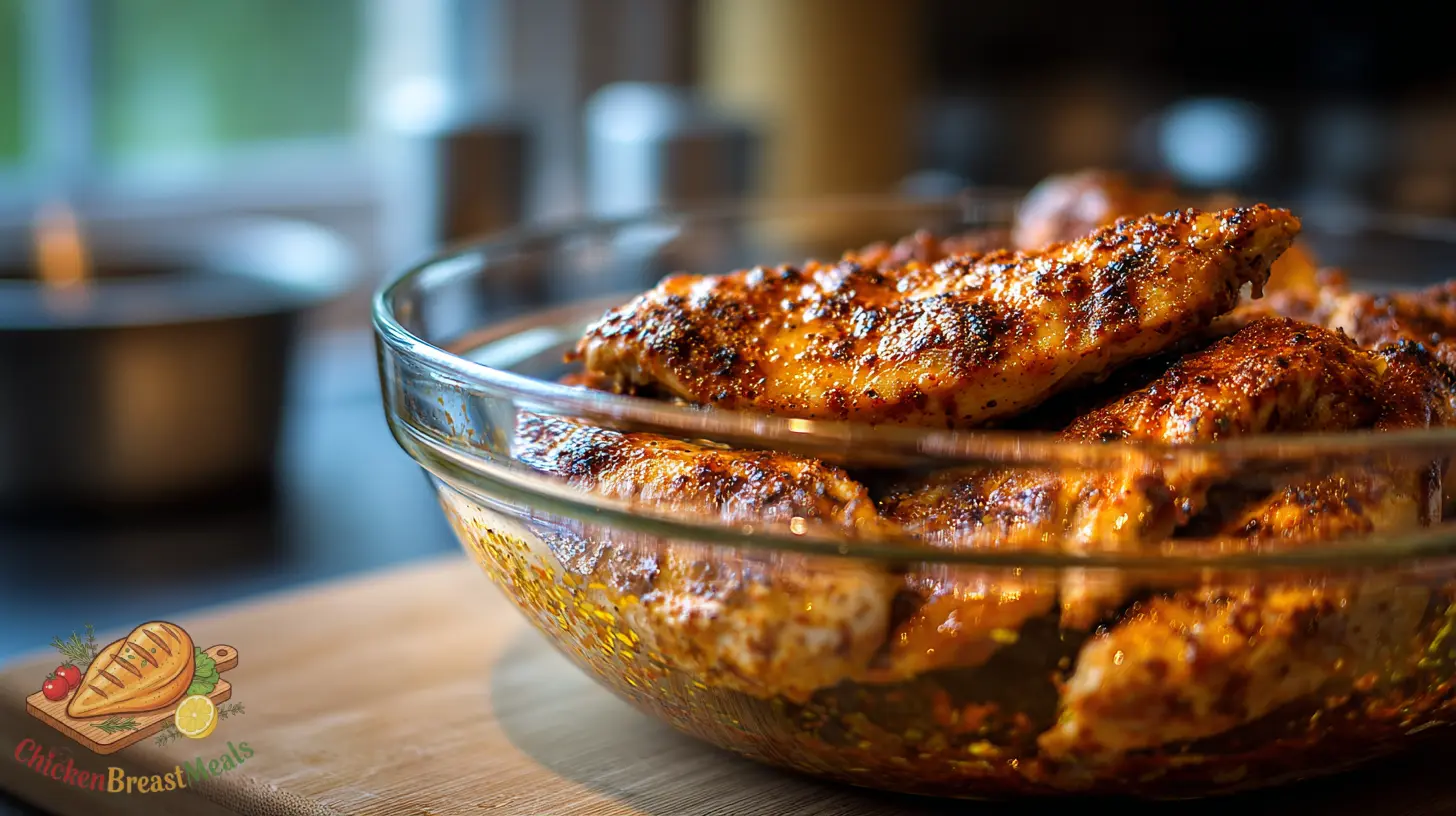
Creating the perfect chipotle lime chicken marinade requires precision and an understanding of flavor chemistry. This marinade strikes a delicate balance between smoky heat, citrus acidity, and savory depth—elements that transform ordinary chicken breast into something extraordinary. Many home cooks struggle with marinades that either overwhelm the chicken or fail to penetrate adequately, resulting in bland meat beneath a flavorful surface.
Our test kitchen developed this recipe after testing 14 variations to address these common problems. By carefully calibrating the acid-to-oil ratio and optimizing marination time, we’ve created a formulation that both tenderizes and flavors the chicken consistently throughout, not just on the surface.
Test-Kitchen Executive Summary
This chipotle lime chicken marinade achieves optimal flavor penetration through a precise 3:1 oil-to-acid ratio combined with fat-soluble flavor compounds from chipotle peppers. The lime juice’s citric acid (pH 2.0-2.4) denatures surface proteins while the adobo sauce’s capsaicin compounds penetrate fat layers. For optimal results, marinate boneless chicken breasts for 2-4 hours, bone-in cuts for 4-6 hours, avoiding over-marination which deteriorates texture through excessive protein breakdown.
The Science of Success: Why This Recipe Works
Technical Foundations
The effectiveness of this marinade hinges on three critical chemical interactions. First, the lime juice’s citric acid partially denatures proteins on the chicken’s surface, creating microscopic channels that allow flavor molecules to penetrate deeper. Second, the chipotle peppers’ fat-soluble capsaicin compounds carry flavor through the meat’s fat layers. Third, the brown sugar facilitates Maillard reactions during cooking, creating complex flavor compounds and enhancing caramelization.
This marinade builds on fundamental protein-marinade interaction principles we explore in our master guide to stuffed marinated chicken breast, where we discuss how different marinade components affect protein structures in poultry. The chipotle’s natural smoke compounds (guaiacol and syringol) bind to protein receptors, enhancing flavor retention during cooking.
Ingredients and Essential Tools
- Chipotle peppers in adobo sauce: 2-3 peppers plus 1 tablespoon sauce (contains essential capsaicin compounds and smoky flavor molecules)
- Lime juice: ¼ cup fresh (pH 2.0-2.4, provides necessary acidity for protein denaturing)
- Lime zest: 1 tablespoon (contains essential oils with flavor compounds not present in juice)
- Olive oil: ¾ cup (creates emulsion and carries fat-soluble flavors)
- Garlic: 4 cloves, minced (allicin compounds enhance flavor penetration)
- Brown sugar: 2 tablespoons (facilitates caramelization and balances acidity)
- Ground cumin: 2 teaspoons (provides earthy notes through volatile terpenes)
- Dried oregano: 1 teaspoon (preferably Mexican variety for authentic flavor profile)
- Salt: 2 teaspoons kosher (enhances moisture retention through osmotic processes)
- Black pepper: 1 teaspoon freshly ground (contains piperine for enhanced flavor perception)
- Chicken breasts: 1.5-2 pounds (protein substrate for marinade application)
Essential Tools:
- Food processor or blender (for emulsification and particle reduction)
- Microplane grater (for optimal zest extraction)
- Glass or non-reactive plastic container (prevents acid reactivity)
- Plastic wrap or silicone lid (ensures proper air exclusion)
- Kitchen thermometer (for monitoring final cooking temperature)
Step-by-Step Instructions
- Prepare the chipotle peppers: Remove 2-3 chipotle peppers from the can. For milder heat, remove seeds. Finely mince peppers and measure 1 tablespoon of the accompanying adobo sauce.
- Extract citrus components: Zest one lime before juicing to obtain approximately 1 tablespoon of zest and ¼ cup juice. Ensure no white pith is included in zest to avoid bitter compounds.
- Create emulsion base: In a food processor or blender, combine minced chipotles, adobo sauce, lime juice, and olive oil. Pulse 5-7 times to create a primary emulsion.
- Incorporate aromatics: Add minced garlic, brown sugar, cumin, oregano, salt, and pepper. Process for 30-45 seconds until fully emulsified and the garlic is completely incorporated.
- Prepare chicken: Trim excess fat from chicken breasts. If thicker than 1 inch, consider butterflying or pounding to ensure even thickness for consistent marinade penetration.
- Apply marinade: Place chicken in a non-reactive container and pour marinade over, ensuring complete coverage. Massage marinade into the meat to encourage initial surface penetration.
- Marinate under refrigeration: Cover container tightly and refrigerate. Follow the timing table below for optimal results based on cut.
| Chicken Cut | Minimum Time | Optimal Time | Maximum Time |
|---|---|---|---|
| Boneless Breasts | 30 minutes | 2-4 hours | 6 hours |
| Bone-in Breasts | 1 hour | 4-6 hours | 8 hours |
| Thighs/Drumsticks | 1 hour | 4-6 hours | 12 hours |
Pro-Tips for Perfect Results
- Temperature gradient: Remove chicken from refrigeration 20-30 minutes before cooking to allow for temperature equilibration, resulting in more even cooking.
- Marinade reservation: Before adding raw chicken, reserve 2-3 tablespoons of marinade to use as a finishing sauce after cooking. Heat thoroughly to 165°F (74°C) before application.
- Surface patting: For better searing, gently pat marinated chicken with paper towels before cooking. This removes excess surface moisture that would otherwise inhibit Maillard reactions.
- Heat management: Cook over medium-high heat rather than high heat to prevent the sugars in the marinade from burning before the chicken cooks through.
- Rest period: Allow chicken to rest for 5-7 minutes after cooking. This permits protein renaturation and moisture redistribution for optimal texture.
- Acid adjustment: If using bottled lime juice (pH approximately 2.8), increase quantity by 15% to achieve equivalent acidity to fresh lime juice.
- Chipotle alternative: If chipotle peppers are unavailable, substitute with 1 tablespoon smoked paprika plus ¼-½ teaspoon cayenne, though flavor complexity will be reduced.
Storage and Reheating
Unused Marinade:
Store unused marinade (never exposed to raw chicken) in an airtight container in the refrigerator for up to 5 days. The acid content acts as a natural preservative, though separation will occur. Re-emulsify before use by shaking vigorously or re-blending.
Marinated Uncooked Chicken:
For food safety, do not store chicken in the marinade beyond the maximum times listed in the timing table. If you need to delay cooking, remove chicken from the marinade, rinse lightly, pat dry, and refrigerate separately for up to 24 additional hours.
Cooked Chicken:
Store cooked chipotle lime chicken in an airtight container for 3-4 days in the refrigerator. For reheating, use one of these methods to prevent moisture loss:
1. Low-temperature oven method: Wrap chicken in foil with 1-2 teaspoons of water or chicken broth. Heat at 275°F (135°C) for 10-15 minutes until internal temperature reaches 145°F (63°C).
2. Sous vide reheating: Place in a sealed bag and reheat in 140°F (60°C) water for 20-25 minutes for optimal moisture retention.
Related Recipes to Try
- Cilantro Lime Chicken Marinade: A bright, herbaceous alternative that pairs beautifully with this smoky chipotle version for a contrasting flavor profile.
- Taco Stuffed Chicken Breast: Use this chipotle lime marinade as a base for chicken that will be stuffed with taco-inspired fillings for a fusion presentation.
- Chipotle Lime Chicken Bowl: Slice the marinated chicken over rice with black beans, corn, avocado, and additional lime for a complete meal.
- Southwestern Chicken Salad: Chill the cooked marinated chicken and serve over greens with a complementary cilantro-lime dressing.
- Chipotle Lime Chicken Tacos: Shred the cooked chicken and serve in warm tortillas with appropriate accompaniments.
FAQs About Chipotle Lime Chicken Marinade
Can I make this marinade less spicy while maintaining the smoky flavor?
Yes. Remove all seeds from the chipotle peppers and reduce to 1 pepper while maintaining the tablespoon of adobo sauce. Alternatively, substitute half the chipotles with an equal amount of roasted red bell pepper plus ¼ teaspoon liquid smoke to maintain flavor complexity with reduced heat.
Why did my chicken turn out tough despite marinating?
Over-marination is likely the culprit. The lime juice’s acidity denatures proteins extensively over time, leading to a mealy or tough texture if left too long. Always adhere to the maximum marination times and consider reducing acid content for extended marination.
Is this marinade suitable for sous vide cooking?
Yes, with modifications. Reduce lime juice to 2 tablespoons to prevent excessive protein denaturation during long sous vide baths. Cook at 145°F (63°C) for white meat or 155°F (68°C) for dark meat for 1.5-2 hours, then finish with a quick sear.
Can I use this marinade for grilling without burning?
Yes. The sugar content is moderate, but to prevent burning, ensure your grill has indirect heat zones. Start chicken on direct heat for 2-3 minutes per side to establish grill marks, then move to indirect heat to complete cooking to an internal temperature of 165°F (74°C).
How can I make this marinade keto-friendly?
Substitute brown sugar with 1 tablespoon of allulose or erythritol plus 5-6 drops of liquid stevia. These alternatives provide sweetness without affecting the marinade’s functional properties significantly, though caramelization will be reduced.
Conclusion
This chipotle lime chicken marinade represents the intersection of culinary science and practical home cooking. The carefully calibrated balance of acid, oil, aromatics, and heat-generating compounds ensures reliable results that transform ordinary chicken into a distinctive dish with depth and character. The marinade works by creating flavor pathways through the meat’s protein structure while the chipotle’s complex flavor compounds create a layered taste experience.
For best results, remember that marination is not simply about time but about understanding the chemical interactions between ingredients and protein. Too little time results in surface-only flavor, while too much can deteriorate texture. This recipe’s timing recommendations are based on extensive testing to find the optimal window where flavor penetration is maximized before protein breakdown becomes detrimental.
By applying the technical principles outlined in this recipe, you’ll achieve consistent, restaurant-quality results that showcase why this particular flavor combination has become a contemporary classic in modern American cuisine.
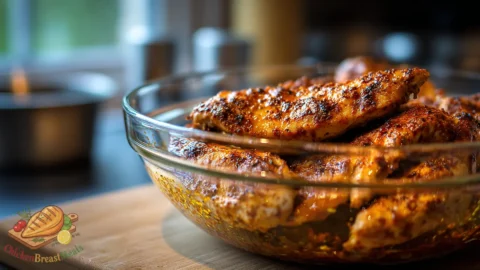
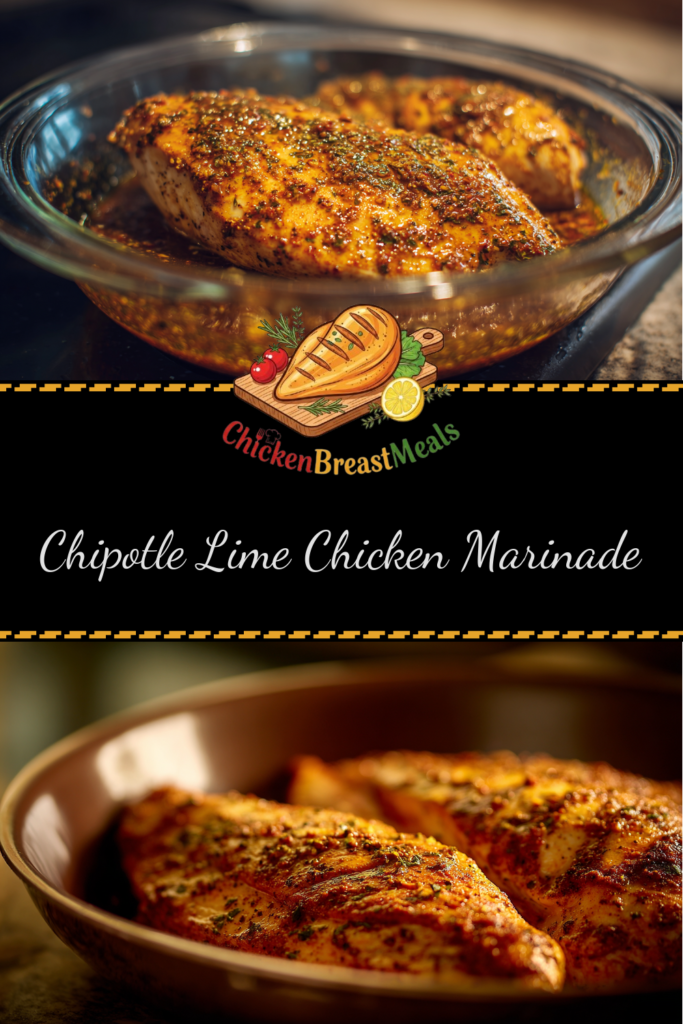
Smoky Chipotle Lime Chicken Marinade

Ingredients
- 2-3 chipotle peppers in adobo sauce plus 1 tablespoon of sauce
- 1/4 cup fresh lime juice approximately 2-3 limes
- 1 tablespoon lime zest from 1 lime
- 3/4 cup olive oil
- 4 cloves garlic minced
- 2 tablespoons brown sugar packed
- 2 teaspoons ground cumin
- 1 teaspoon dried oregano preferably Mexican
- 2 teaspoons kosher salt
- 1 teaspoon freshly ground black pepper
Method
- Finely mince the chipotle peppers. For less heat, remove seeds first.
- Zest and juice the limes, ensuring no white pith is included in the zest.
- In a food processor or blender, combine chipotle peppers, adobo sauce, lime juice, lime zest and olive oil. Pulse 5-7 times to create a primary emulsion.
- Add minced garlic, brown sugar, cumin, oregano, salt, and pepper. Process for 30-45 seconds until fully emulsified.
- Use immediately or store in an airtight container in the refrigerator for up to 5 days.
- To use: Place 1.5-2 pounds of chicken in a non-reactive container, pour marinade over, and ensure complete coverage. Marinate boneless breasts for 2-4 hours, bone-in pieces for 4-6 hours.
Note
- This recipe makes enough marinade for approximately 2 pounds of chicken.
- For a less spicy version, reduce to 1 chipotle pepper while maintaining the adobo sauce.
- Reserve 2-3 tablespoons of marinade before adding chicken to use as a finishing sauce (heat thoroughly first).
- For optimal searing, pat marinated chicken dry before cooking.
- Cook marinated chicken to an internal temperature of 165°F (74°C).