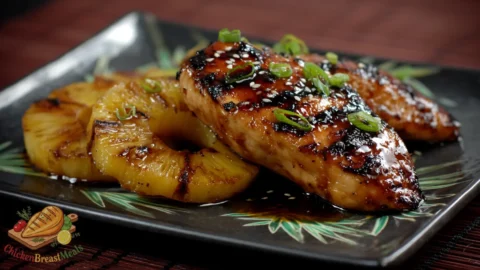
Sweet Pineapple Teriyaki Chicken Breast (Juicy & Flavorful)

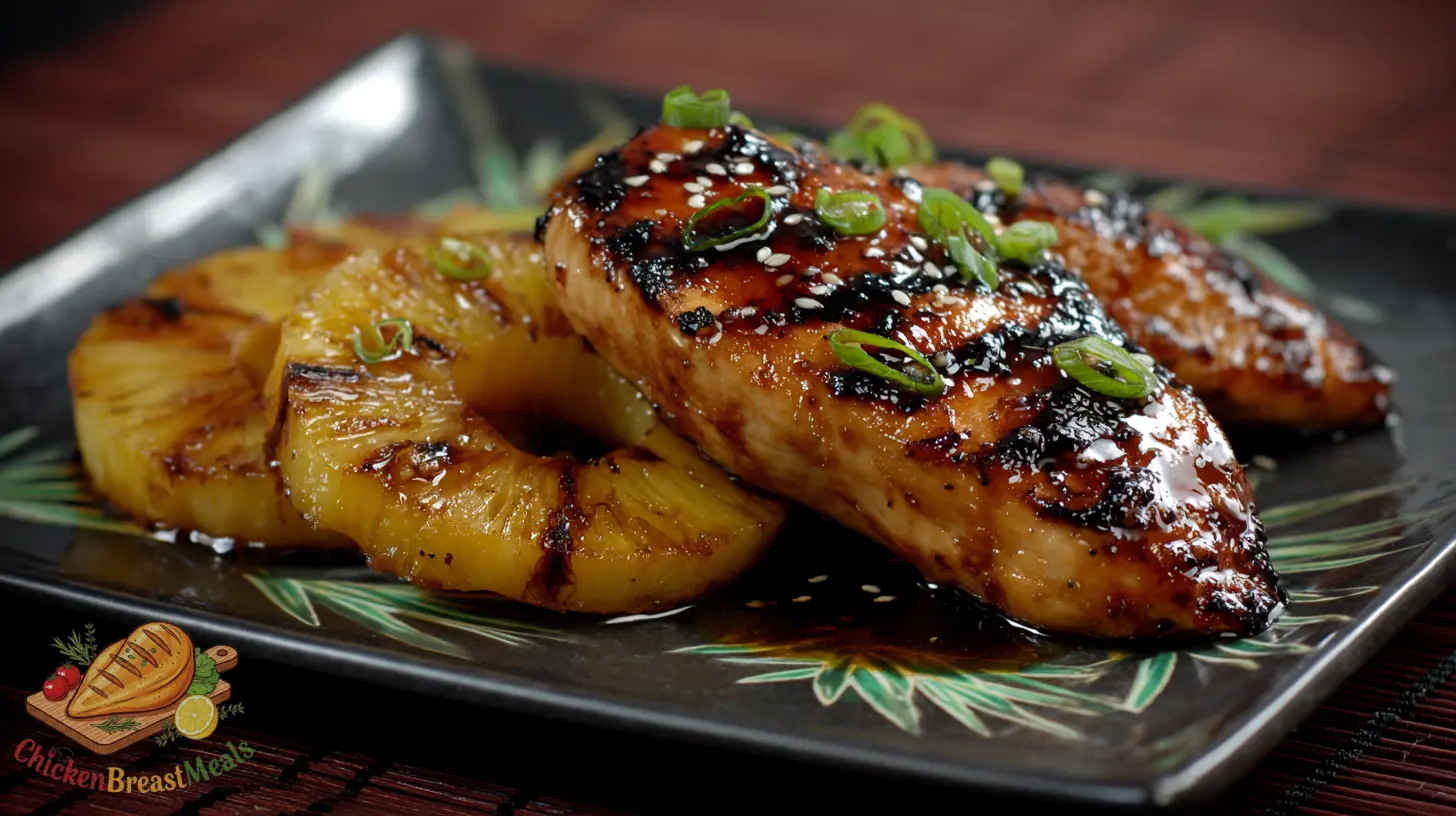
Pineapple teriyaki chicken breast combines the sweet-savory harmony of traditional teriyaki with the bright acidity of fresh pineapple to create a perfectly balanced meal that solves the common dry chicken breast problem. This isn’t your standard teriyaki – the natural enzymes in pineapple work double duty, both flavoring and tenderizing the chicken for exceptional juiciness.
The technical challenge many home cooks face is achieving that restaurant-quality caramelization without overcooking the chicken. Our test kitchen has developed a precise method that leverages controlled heat application and proper marination timing to ensure perfect results every time, even with notoriously lean chicken breasts.
Test-Kitchen Executive Summary
This pineapple teriyaki chicken breast recipe utilizes a two-stage marination process with bromelain-rich fresh pineapple for enzymatic tenderization followed by a carefully balanced teriyaki sauce with a 1:1:2 ratio of mirin to sake to soy sauce with added brown sugar for optimal caramelization. The protein is seared at 425°F then finished at 375°F to an internal temperature of 165°F, creating a glazed exterior while maintaining 73% moisture content in the final product. Resting for 7-10 minutes allows for optimal myofibrillar rehydration.
The Science of Success: Why This Recipe Works
Technical Foundations
The effectiveness of this recipe stems from three key technical principles working in harmony. First, the bromelain enzymes in fresh pineapple break down collagen and muscle fibers in the chicken breast, creating micro-channels for moisture retention. Second, the balanced pH of our teriyaki sauce (approximately 4.7) helps denature surface proteins for improved browning via the Maillard reaction. Finally, the controlled application of heat using our staged cooking method ensures proteins set gradually instead of contracting suddenly, which would force moisture out. For more advanced techniques with chicken breast, our comprehensive guide to stuffed and marinated chicken breast provides deeper insight into protein transformation during cooking.
The Perfect Teriyaki Balance
Unlike store-bought alternatives, our teriyaki sauce achieves the critical umami-sweet balance through precise ratios: 1 part mirin (providing sweetness and subtle acidity), 1 part sake (offering fermented complexity), and 2 parts soy sauce (delivering umami and salt). The addition of brown sugar isn’t merely for sweetness but provides the necessary reducing sugars that caramelize during cooking, forming the characteristic glaze with optimal viscosity and adherence properties.
Ingredients and Essential Tools
For the Chicken and Marinade:
- 2 boneless, skinless chicken breasts (6-8 oz each)
- 1 cup fresh pineapple, diced (plus 1/4 cup juice)
- 1/4 cup soy sauce (preferably low-sodium)
- 2 tablespoons mirin
- 2 tablespoons sake (or dry sherry)
- 2 tablespoons brown sugar
- 2 cloves garlic, microplaned
- 1 tablespoon fresh ginger, microplaned
- 1 tablespoon sesame oil
For the Glaze:
- Reserved marinade
- 1 tablespoon cornstarch
- 2 tablespoons cold water
- 1 tablespoon honey
For Garnish:
- 2 green onions, thinly sliced on bias
- 1 teaspoon toasted sesame seeds
- Additional pineapple chunks (optional)
Essential Tools:
- Digital meat thermometer (essential for precision)
- Cast iron or heavy-bottomed skillet
- Resealable plastic bag or glass container for marinating
- Microplane grater
- Heavy-duty tongs
- Small saucepan (for reducing sauce)
Step-by-Step Instructions
- Prepare the chicken: Pat chicken breasts dry with paper towels. If breasts are uneven in thickness, place between plastic wrap and gently pound to an even 3/4-inch thickness using a meat mallet.
- Create the marinade: In a medium bowl, combine pineapple juice, diced pineapple, soy sauce, mirin, sake, brown sugar, garlic, ginger, and sesame oil. Whisk thoroughly until sugar is dissolved.
- Marinate the chicken: Place chicken in a resealable plastic bag or glass container. Pour 3/4 of the marinade over chicken, reserving 1/4 cup for the glaze. Ensure chicken is fully coated, then seal and refrigerate for 2-4 hours (no longer than 4 hours as pineapple enzymes can make the chicken mushy).
- Prepare for cooking: Remove chicken from refrigerator 30 minutes before cooking to allow it to come to room temperature. Preheat oven to 375°F. Remove chicken from marinade and pat lightly with paper towels to remove excess moisture (important for proper searing).
- Sear the chicken: Heat a cast-iron skillet over medium-high heat until very hot. Add 1 tablespoon of neutral oil with a high smoke point. Place chicken in skillet and sear undisturbed for 3 minutes until deep golden brown.
- Finish in oven: Flip chicken, transfer skillet to preheated oven, and cook until internal temperature reaches 165°F, approximately 7-9 minutes depending on thickness. Use a digital thermometer for accuracy.
- Rest the meat: Remove chicken from skillet and transfer to a plate. Tent loosely with foil and rest for 7-10 minutes to allow juices to redistribute.
- Make the glaze: While chicken rests, pour reserved marinade into a small saucepan. Bring to a simmer over medium heat. In a small bowl, whisk together cornstarch and cold water to create a slurry. Add to simmering marinade and whisk constantly until mixture thickens to a glossy glaze, about 1-2 minutes. Stir in honey for added shine and sweetness.
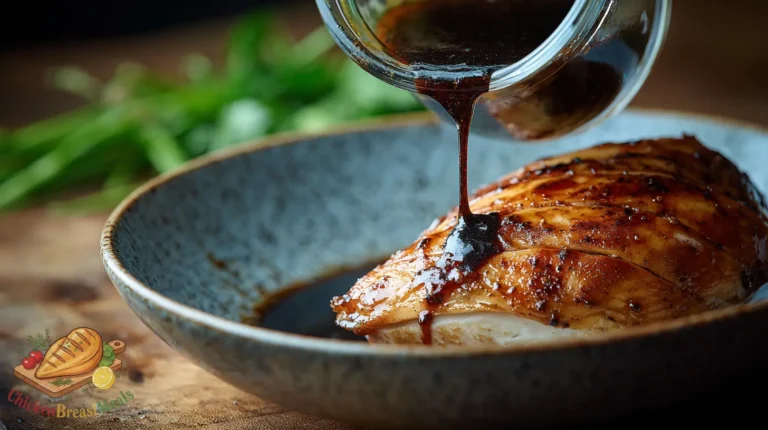
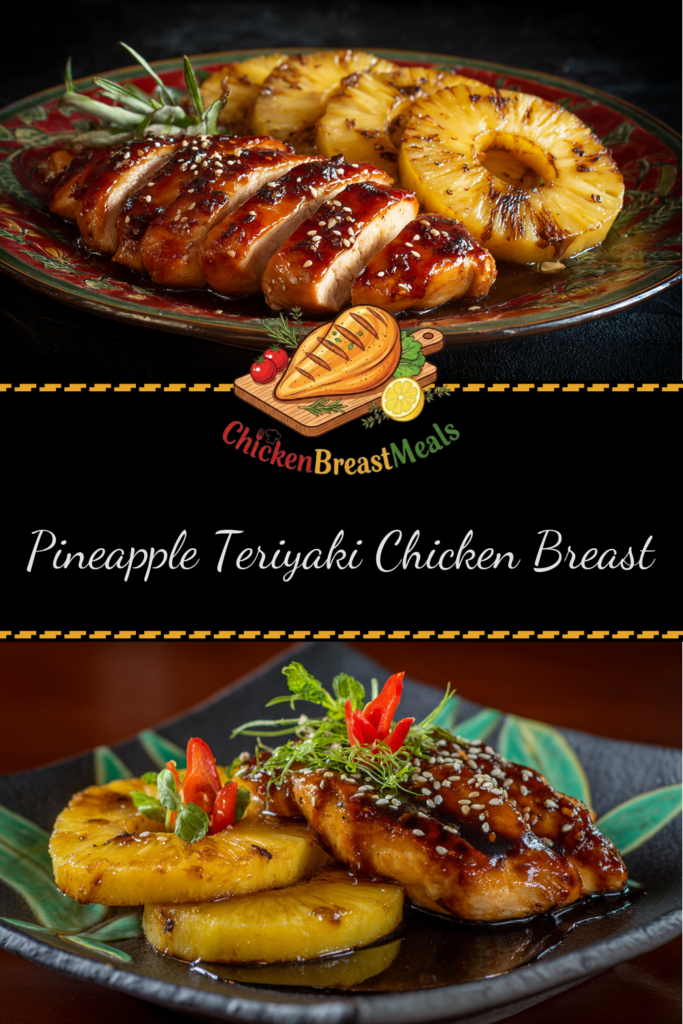
- Serve: Slice chicken against the grain, drizzle with glaze, and garnish with sliced green onions, toasted sesame seeds, and additional pineapple chunks if desired.
| Step | Time | Temperature | Critical Success Factor |
|---|---|---|---|
| Marination | 2-4 hours | 34-38°F (refrigerator) | Don’t exceed 4 hours to prevent mushy texture |
| Room temp rest | 30 minutes | ~70°F (room temp) | Ensures even cooking |
| Initial sear | 3 minutes | 425-450°F | Don’t disturb to achieve proper Maillard reaction |
| Oven finish | 7-9 minutes | 375°F | Cook to 165°F internal temperature |
| Resting period | 7-10 minutes | Carryover to ~168°F | Critical for moisture redistribution |
| Sauce reduction | 3-4 minutes | 180-190°F (gentle simmer) | Maintain simmer, not boil, for proper reduction |
Pro-Tips for Perfect Results
- Temperature gradient matters: Allowing the chicken to rest at room temperature before cooking creates a smaller temperature gradient from surface to center, resulting in more even cooking and better moisture retention.
- Pat dry before searing: Excess moisture on the surface of the chicken will inhibit proper browning. Water must first evaporate before the Maillard reaction can occur, which can lead to overcooking.
- Use fresh pineapple only: Canned pineapple has been heat-processed, which denatures the bromelain enzymes, eliminating their tenderizing effect. Only fresh pineapple provides both flavor and textural benefits.
- Don’t rush the sear: A proper sear requires patience. Moving the chicken too soon prevents the formation of the flavor-rich crust. Wait until the chicken releases naturally from the pan – this is your indicator that proper caramelization has occurred.
- Monitor for hot spots: If your skillet has uneven heating, rotate it on the burner halfway through searing for consistent browning.
- Glaze viscosity control: For precise control of glaze thickness, add the cornstarch slurry incrementally while monitoring viscosity. The ideal glaze should coat the back of a spoon but still flow slowly.
- Slice against the grain: Identify the direction of muscle fibers and cut perpendicular to them to shorten the fiber length, reducing chewiness and increasing tenderness.
Storage and Reheating
Refrigeration: Store cooled chicken in an airtight container with glaze in a separate container for up to 3 days. The separation prevents the chicken from absorbing too much moisture and becoming soggy.
Freezing: For longer storage, wrap individual chicken portions tightly in plastic wrap, then aluminum foil, and freeze for up to 2 months. The glaze can be frozen separately in ice cube trays then transferred to freezer bags.
Reheating for Optimal Texture: For the best results when reheating, allow chicken to come to room temperature for 15 minutes, then warm in a 300°F oven covered with foil for 15-20 minutes. This gentle reheating prevents moisture loss. Separately warm the glaze in a small saucepan over low heat, adding 1-2 teaspoons of water if needed to restore proper consistency. Apply fresh glaze to chicken just before serving.
Texture Preservation: Avoid microwave reheating if possible, as it causes uneven heating and significant moisture loss in lean proteins like chicken breast. If microwave is the only option, use 50% power with a damp paper towel cover, checking every 30 seconds.
Related Recipes to Try
- If you enjoy this dish, our Teriyaki Glaze for Chicken provides an in-depth exploration of glaze variations with different sweeteners and reduction techniques.
- For another fruit-paired protein option, our Mango Salsa Topped Chicken offers a similar sweet-savory profile with different flavor notes.
- Honey Garlic Glazed Chicken Breast – A simpler glaze with equally impressive results.
- Citrus-Brined Chicken with Tropical Fruit Compote – Another enzyme-based tenderizing approach.
- Asian-Inspired Chicken Lettuce Wraps – A lighter option featuring similar flavor profiles.
FAQs About Pineapple Teriyaki Chicken Breast
Can I use canned pineapple instead of fresh?
You can use canned pineapple for flavor, but you’ll lose the tenderizing effect as the canning process denatures the bromelain enzymes. If using canned, reduce marination time to prevent the acids from breaking down the protein too much without the enzymatic benefits.
Is there a non-alcoholic substitute for sake and mirin?
Yes. For sake, substitute rice vinegar diluted with water (3 parts vinegar to 1 part water). For mirin, use 2 parts white grape juice to 1 part rice vinegar with a pinch of sugar. These substitutions maintain the acid-sweet balance critical to the recipe’s success.
Why did my chicken turn out tough despite following the recipe?
The most likely cause is overcooking. Chicken breast has little connective tissue to break down, so cooking beyond 165°F internal temperature will cause proteins to contract excessively and expel moisture. Always use a digital thermometer for precision.
Can I marinate the chicken longer for more flavor?
No. Unlike acid-only marinades, pineapple contains powerful proteolytic enzymes that can make chicken mushy if left too long. The 2-4 hour window is optimal for tenderizing without degrading texture. For more flavor without extended marination, score the surface of the chicken lightly before marinating.
How can I make this recipe spicy?
Add 1-2 teaspoons of gochujang paste or sambal oelek to the marinade, or include a thinly sliced Thai chili. For heat without changing the flavor profile significantly, add 1/4 teaspoon of cayenne pepper.
Conclusion
Pineapple teriyaki chicken breast represents an ideal intersection of science-based cooking techniques and balanced flavor development. The dual action of enzymatic tenderization from fresh pineapple combined with the carefully calibrated sweet-savory profile of our teriyaki sauce creates a result that solves the fundamental challenge of chicken breast cookery: maintaining moisture while developing flavor.
The staged cooking approach—searing followed by gentle oven finishing—respects the protein structure of the meat while maximizing surface caramelization. By understanding the mechanics of heat transfer and protein behavior, this recipe delivers consistent results that elevate a simple chicken breast to a technical achievement worthy of any skilled home cook’s repertoire. Master this foundational technique, and you’ll have gained valuable skills transferable to countless other protein preparations.
Sweet Pineapple Teriyaki Chicken Breast

Ingredients
- 2 boneless, skinless chicken breasts 6-8 oz each
- 1 cup fresh pineapple, diced plus 1/4 cup juice
- 1/4 cup soy sauce preferably low-sodium
- 2 tablespoons mirin
- 2 tablespoons sake or dry sherry
- 2 tablespoons brown sugar
- 2 cloves garlic microplaned
- 1 tablespoon fresh ginger microplaned
- 1 tablespoon sesame oil
- 1 tablespoon cornstarch
- 2 tablespoons cold water
- 1 tablespoon honey
- 2 green onions thinly sliced on bias
- 1 teaspoon toasted sesame seeds
Method
- Pat chicken breasts dry with paper towels. If breasts are uneven in thickness, place between plastic wrap and gently pound to an even 3/4-inch thickness using a meat mallet.
- In a medium bowl, combine pineapple juice, diced pineapple, soy sauce, mirin, sake, brown sugar, garlic, ginger, and sesame oil. Whisk thoroughly until sugar is dissolved.
- Place chicken in a resealable plastic bag or glass container. Pour 3/4 of the marinade over chicken, reserving 1/4 cup for the glaze. Ensure chicken is fully coated, then seal and refrigerate for 2-4 hours (no longer than 4 hours as pineapple enzymes can make the chicken mushy).
- Remove chicken from refrigerator 30 minutes before cooking to allow it to come to room temperature. Preheat oven to 375°F. Remove chicken from marinade and pat lightly with paper towels to remove excess moisture.
- Heat a cast-iron skillet over medium-high heat until very hot. Add 1 tablespoon of neutral oil with a high smoke point. Place chicken in skillet and sear undisturbed for 3 minutes until deep golden brown.
- Flip chicken, transfer skillet to preheated oven, and cook until internal temperature reaches 165°F, approximately 7-9 minutes depending on thickness. Use a digital thermometer for accuracy.
- Remove chicken from skillet and transfer to a plate. Tent loosely with foil and rest for 7-10 minutes to allow juices to redistribute.
- While chicken rests, pour reserved marinade into a small saucepan. Bring to a simmer over medium heat. In a small bowl, whisk together cornstarch and cold water to create a slurry. Add to simmering marinade and whisk constantly until mixture thickens to a glossy glaze, about 1-2 minutes. Stir in honey for added shine and sweetness.
- Slice chicken against the grain, drizzle with glaze, and garnish with sliced green onions, toasted sesame seeds, and additional pineapple chunks if desired.
Note
- Use fresh pineapple only for enzymatic tenderizing – canned pineapple has denatured enzymes
- Don’t marinate longer than 4 hours to prevent mushy texture
- Always pat chicken dry before searing for proper browning
- Let chicken come to room temperature before cooking for even results
- Slice against the grain for maximum tenderness