Refreshing Creamy Dill Sauce for Chicken (Light & Flavorful)

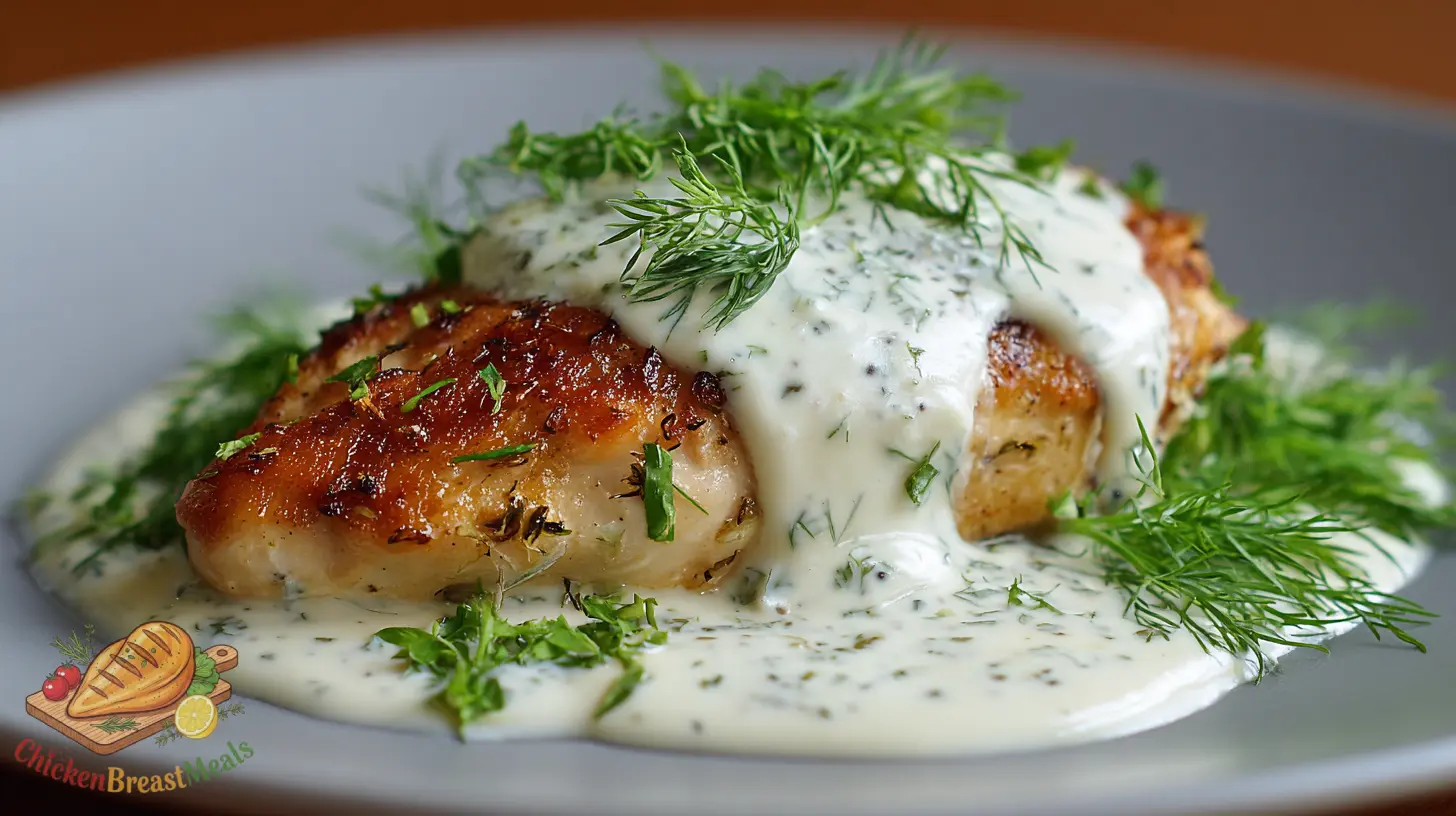
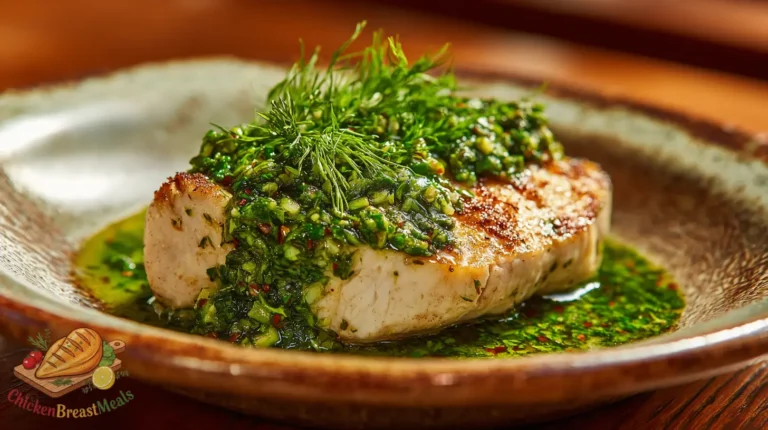
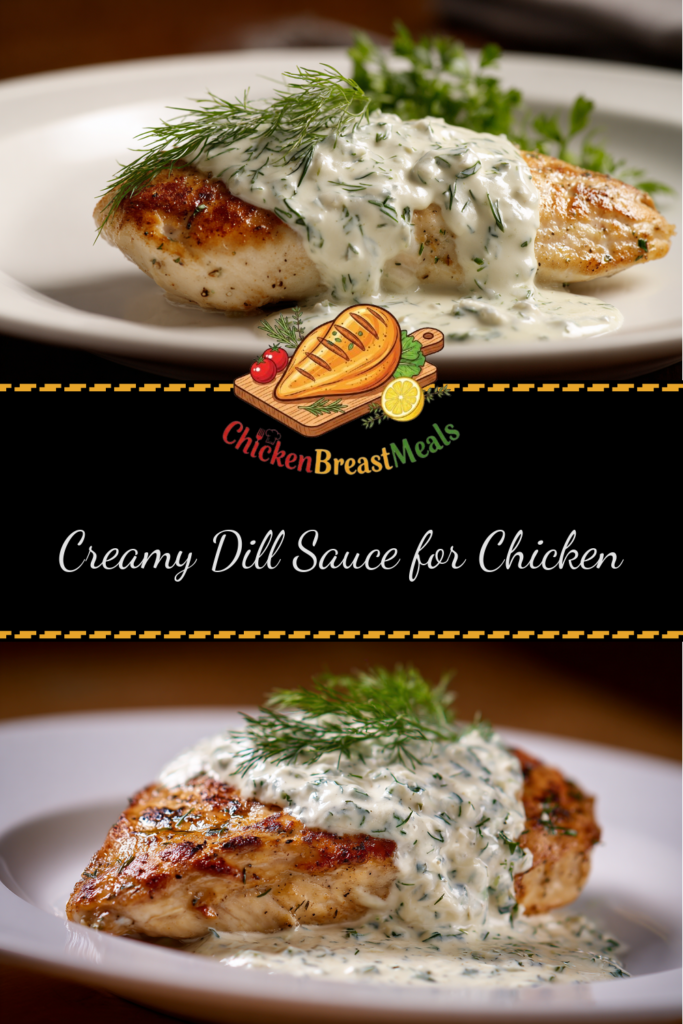
Creamy dill sauce for chicken transforms ordinary poultry into an elegant, restaurant-quality meal with minimal effort. This versatile sauce bridges the gap between everyday cooking and sophisticated dining, offering a balance of tangy brightness and rich texture that complements the lean profile of chicken breast perfectly.
Many home cooks struggle to find a sauce that’s both indulgent and light, often settling for heavy cream-based options or thin, flavorless alternatives. Our technical approach eliminates this dilemma by creating a sauce with precise proportions of acid, fat, and aromatics, resulting in a balanced, silky texture without excessive calories.
Test-Kitchen Executive Summary
This creamy dill sauce achieves optimal flavor through a strategic combination of Greek yogurt (providing protein-rich body and tanginess) and minimal mayonnaise (adding silkiness through emulsification). Fresh dill’s volatile oils (primarily anethofuran, carvone, and limonene) deliver bright herbaceous notes while lemon juice’s citric acid activates flavor receptors and balances the sauce’s pH to extend refrigerated shelf life to 5-7 days. This technique produces a versatile, temperature-stable sauce applicable to hot or cold chicken preparations.
The Science of Success: Why This Recipe Works
Technical Foundations
This creamy dill sauce succeeds through precise culinary science principles. Unlike traditional cream-based sauces that rely on flour-thickened roux or reduction techniques, we use Greek yogurt’s natural protein structure as our foundation. The partial denaturation of these proteins creates a stable matrix that maintains consistency without breaking when exposed to heat or acidity. This approach aligns perfectly with our holistic protein-forward cooking philosophy, similar to what we explore in our stuffed marinated chicken breast techniques, where complementary components enhance the central protein.
The sauce implements a balanced acid profile through lemon juice (primarily citric acid) and yogurt (lactic acid), creating a complex flavor foundation. Mayonnaise, used in minimal quantities, provides lecithin that acts as an emulsifier, binding water and fat molecules for enhanced mouthfeel without heaviness. Fresh dill’s essential oils remain stable in this cold-mixed application, preserving their volatile compounds better than in heat-processed alternatives.
Ingredients and Essential Tools
For the Base Sauce:
- 1 cup Greek yogurt (2% or full-fat, strained variety preferred)
- 2 tablespoons mayonnaise (preferably whole-egg variety)
- 1/4 cup fresh dill, finely chopped (approximately 1/2 ounce by weight)
- 1 tablespoon fresh lemon juice (approximately half a medium lemon)
- 1 teaspoon lemon zest (from an unwaxed lemon)
- 1 clove garlic, microplaned or very finely minced (approximately 3-4g)
- 1/2 teaspoon Dijon mustard
- 1/2 teaspoon kosher salt (or 1/4 teaspoon table salt)
- 1/4 teaspoon freshly ground black pepper
- 1 tablespoon extra virgin olive oil (optional, for richness)
Optional Flavor Enhancers:
- 1 tablespoon capers, rinsed and chopped (for brininess)
- 1/2 teaspoon honey (to balance acidity if needed)
- 1 tablespoon finely chopped chives
- 1/4 teaspoon ground white pepper (for heat without visual specks)
Essential Equipment:
- Non-reactive mixing bowl (glass, ceramic, or stainless steel)
- Microplane or fine grater for zesting and garlic
- Sharp chef’s knife for herb preparation
- Silicone spatula for thorough mixing
- Airtight storage container
- Digital kitchen scale (optional but recommended for precision)
Step-by-Step Instructions
- Prepare Fresh Ingredients: Thoroughly wash the dill, removing any tough stems. Finely chop until you have 1/4 cup packed dill. Zest the lemon before juicing to capture the aromatic oils at their peak.
- Create Base Mixture: In your non-reactive bowl, combine the Greek yogurt and mayonnaise. Mix thoroughly with a spatula until completely homogeneous with no visible streaks, approximately 30-45 seconds.
- Incorporate Aromatics: Add the microplaned garlic, lemon zest, and Dijon mustard to the base. These ingredients contain volatile compounds that will begin to permeate the fat molecules in the base mixture.
- Add Acid Component: Incorporate the fresh lemon juice gradually while stirring constantly. This prevents potential protein coagulation in the yogurt that could result in a grainy texture.
- Introduce Fresh Herbs: Fold in the chopped dill, ensuring even distribution throughout the mixture without overmixing, which can bruise the herbs and cause discoloration.
- Season and Balance: Add salt and pepper, then taste and adjust as needed. If the sauce seems too tangy, incorporate the optional honey in 1/4 teaspoon increments until balanced.
- Optimization Period: For best flavor development, cover and refrigerate the sauce for at least 30 minutes (preferably 2 hours) before serving to allow flavor compounds to fully distribute and hydrate.
| Stage | Time Required | Critical Technical Notes |
|---|---|---|
| Ingredient Preparation | 5-7 minutes | Herb oxidation begins immediately after cutting; proceed to mixing promptly |
| Base Mixture Creation | 2-3 minutes | Room temperature ingredients incorporate more efficiently |
| Final Mixing | 3-4 minutes | Mix until homogeneous but avoid overworking |
| Flavor Development Period | 30-120 minutes | Refrigeration below 40°F (4°C) is essential for food safety |
Pro-Tips for Perfect Results
- Temperature Management: Remove Greek yogurt from refrigeration 15-20 minutes before mixing to prevent excessive stiffness while maintaining food safety standards.
- Herb Optimization: Chop dill just before incorporation to minimize volatile oil loss. For maximum potency, use scissors rather than a knife to minimize cellular damage to the herb structure.
- Acid Balance Precision: If using bottled lemon juice (which has standardized acidity), reduce quantity by 25% compared to fresh, as pasteurization concentrates acidity.
- Texture Adjustment Protocol: For a thinner sauce suitable for drizzling, add cold water in 1-teaspoon increments until desired consistency is achieved. For thicker applications, increase Greek yogurt proportion.
- Garlic Intensity Control: For milder garlic presence, microplane the clove and let stand in lemon juice for 5 minutes before incorporation; the acid partially denatures the alliinase enzyme responsible for pungency.
- Color Preservation Technique: Add a pinch (approximately 1/16 teaspoon) of ascorbic acid powder or 1/4 teaspoon of lemon juice to prevent oxidative browning of fresh herbs during storage.
- Emulsion Stability: If preparing in advance, the sauce may separate slightly. Restore homogeneity with gentle stirring rather than vigorous whisking, which can break the emulsion structure.
Storage and Reheating
This creamy dill sauce demonstrates optimal stability under proper storage conditions. For maximum quality retention:
- Refrigeration Parameters: Store in an airtight container with minimal headspace to reduce oxidation. Maintain temperature between 34-38°F (1-3°C) for optimal preservation of both flavor compounds and microbiological safety. Under these conditions, the sauce remains at peak quality for 5-7 days.
- Texture Recovery: Upon extended refrigeration, natural separation may occur. Restore the emulsion by gentle stirring with a silicone spatula rather than whisking, which can introduce excessive air and alter the texture profile.
- Freezing Protocol (Not Recommended): While technically possible to freeze this sauce, the protein structure in yogurt will deteriorate upon thawing, resulting in syneresis (water separation) and grainy texture. If freezing is unavoidable, anticipate textural changes and re-emulsify with an immersion blender after thawing.
- Temperature Applications: This sauce maintains structural integrity when applied to chicken at temperatures up to 165°F (74°C). For hot applications, bring sauce to room temperature before applying to avoid thermal shock and serve immediately.
Related Recipes to Try
- Complementary Protein Preparation: Our Greek Yogurt Chicken Marinade uses similar enzymatic tenderization principles and creates flavor profiles that pair exceptionally well with this dill sauce.
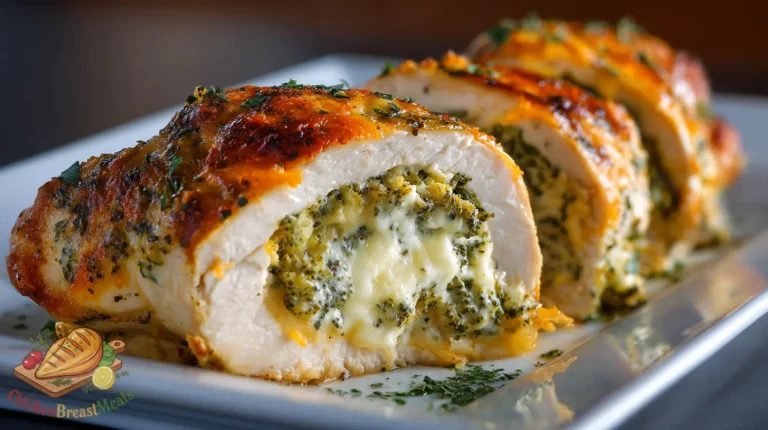
- Stuffed Protein Application: The Feta Spinach Stuffed Chicken offers textural contrast that’s enhanced when served with this creamy dill sauce as a complementary component.
- Expanded Application: Try this sauce as a sophisticated dressing for a cold chicken and orzo salad, utilizing the acid component to brighten the starchy pasta.
- Technique Transfer: Apply the same base methodology to create variations using different herb profiles—tarragon for French applications or cilantro and lime for Southwestern flavor profiles.
FAQs About Creamy Dill Sauce for Chicken
Can I substitute dried dill for fresh in this sauce?
Yes, but with significant modifications. Dried dill contains approximately 3-4 times the flavor concentration by volume. Use 4 teaspoons (1 tablespoon + 1 teaspoon) dried dill instead of 1/4 cup fresh. Additionally, rehydrate the dried dill in 1 tablespoon of water for 5 minutes before incorporating to improve texture and flavor distribution.
Why does my sauce sometimes turn watery after storing?
This is syneresis—the separation of liquid from yogurt’s protein matrix. This occurs due to protein destabilization, particularly when using lower-fat yogurt or when the sauce experiences temperature fluctuations. Prevention methods include: using higher fat (2%+) Greek yogurt, ensuring thorough initial mixing, and maintaining consistent refrigeration temperatures.
Is this sauce suitable for dairy-free adaptations?
Yes, with specific substitutions. Replace Greek yogurt with unsweetened coconut yogurt (not coconut cream) and use plant-based mayonnaise. Note that coconut yogurt has less protein structure, so add 1/2 teaspoon of lemon juice to compensate for reduced acidity and consider 1/4 teaspoon xanthan gum for stability if needed.
What proteins beyond chicken pair well with this sauce?
This sauce’s acid-fat balance complements mild proteins effectively. Consider firm white fish (cod, halibut), pork tenderloin, or turkey cutlets. For plant-based applications, it pairs excellently with cauliflower steaks or roasted eggplant, where its bright acidity cuts through the vegetable’s density.
How can I reduce the calories while maintaining creaminess?
Replace half the mayonnaise with additional Greek yogurt and add 1/4 teaspoon Dijon mustard (additional emulsifier). This modification reduces fat content by approximately 30% while maintaining acceptable texture through protein structure. Note that this adjustment increases tanginess and reduces shelf stability by approximately one day.
Conclusion
This creamy dill sauce for chicken represents the intersection of culinary science and practical home cooking. By understanding the functional properties of each ingredient—from the protein structure of Greek yogurt to the volatile compounds in fresh dill—we’ve created a sauce that delivers superior flavor while maintaining a favorable nutritional profile.
The technical approach detailed here enables consistent results while providing flexibility for personalization based on individual preferences and dietary requirements. Whether serving this sauce with hot roasted chicken or as an accompaniment to cold poultry preparations, the balanced flavor profile and stable emulsion ensure culinary success.
The most significant advantage of this methodology is its foundation in fundamental principles rather than rigid formulations. This empowers home cooks to adapt the techniques to seasonal ingredients or dietary constraints while maintaining the essential character of the sauce. As with all culinary techniques, mastering this sauce opens pathways to further experimentation and personalization in your cooking repertoire.
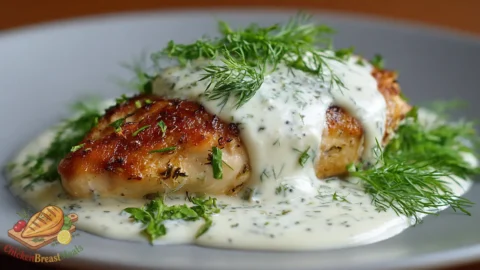
Refreshing Creamy Dill Sauce for Chicken

Ingredients
- 1 cup Greek yogurt 2% or full-fat preferred
- 2 tablespoons mayonnaise whole-egg variety
- 1/4 cup fresh dill finely chopped
- 1 tablespoon fresh lemon juice approximately half a lemon
- 1 teaspoon lemon zest from an unwaxed lemon
- 1 clove garlic microplaned or very finely minced
- 1/2 teaspoon Dijon mustard
- 1/2 teaspoon kosher salt or 1/4 teaspoon table salt
- 1/4 teaspoon freshly ground black pepper
- 1 tablespoon extra virgin olive oil optional, for richness
Method
- Thoroughly wash the dill, removing any tough stems. Finely chop until you have 1/4 cup packed dill. Zest the lemon before juicing to capture the aromatic oils at their peak.
- In your non-reactive bowl, combine the Greek yogurt and mayonnaise. Mix thoroughly with a spatula until completely homogeneous with no visible streaks, approximately 30-45 seconds.
- Add the microplaned garlic, lemon zest, and Dijon mustard to the base. These ingredients contain volatile compounds that will begin to permeate the fat molecules in the base mixture.
- Incorporate the fresh lemon juice gradually while stirring constantly. This prevents potential protein coagulation in the yogurt that could result in a grainy texture.
- Fold in the chopped dill, ensuring even distribution throughout the mixture without overmixing, which can bruise the herbs and cause discoloration.
- Add salt and pepper, then taste and adjust as needed. If the sauce seems too tangy, incorporate optional honey in 1/4 teaspoon increments until balanced.
- For best flavor development, cover and refrigerate the sauce for at least 30 minutes (preferably 2 hours) before serving to allow flavor compounds to fully distribute and hydrate.
Note
- For maximum flavor, prepare this sauce 2-4 hours before serving to allow flavors to develop fully.
- Store in an airtight container in the refrigerator for up to 5-7 days.
- For a thinner consistency, add cold water in 1-teaspoon increments until desired texture is achieved.
- Substitute dried dill in a 1:3 ratio (1 tbsp + 1 tsp dried for 1/4 cup fresh), but rehydrate in water first.
- This sauce can be used hot or cold, but do not boil as it will separate.