Creamy Cajun Cream Skillet Chicken Breast (Spicy & Rich)

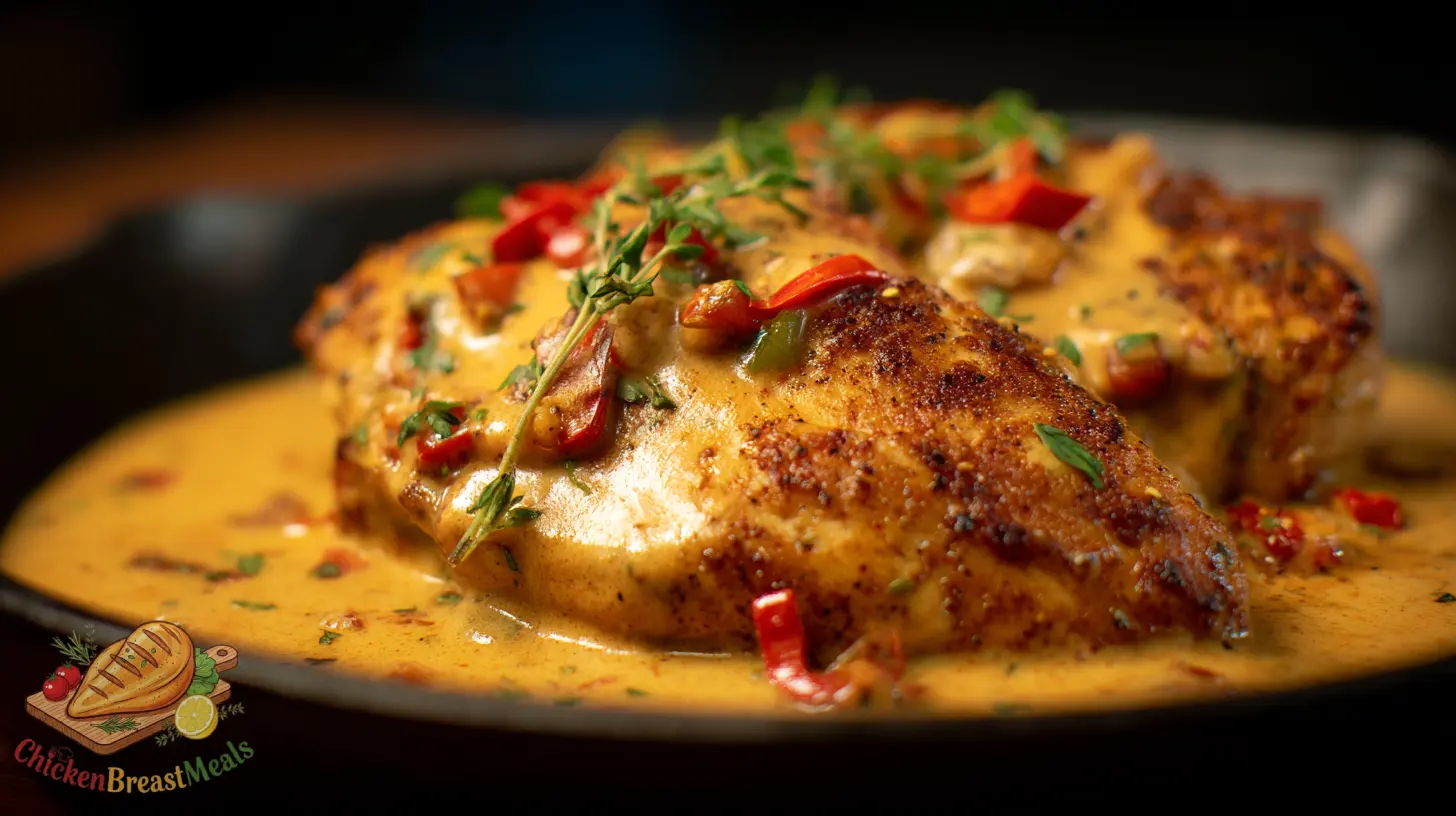
Crafting a perfect Cajun cream skillet chicken breast requires precise technique and careful temperature control. Many home cooks struggle with getting the right balance of crispy exterior while maintaining a juicy interior, especially when adding the complex flavor dynamics of Cajun spice and a cream reduction.
The technical challenge intensifies when considering the proper timing for adding cream to a hot skillet without breaking the sauce. This recipe addresses these common failure points through a methodical approach that prioritizes proper heat management and ingredient sequencing.
Test-Kitchen Executive Summary
This recipe employs a dual-temperature cooking approach with an initial high-heat sear followed by a controlled temperature reduction to develop flavor compounds in the fond while preventing protein denaturation past 165°F. The acid components in the cream sauce (lemon juice, tomato paste) are intentionally added after the cream has been tempered to prevent curdling. Total active cooking time is 22 minutes with a protein yield of approximately 25g per serving and a final internal temperature of 163°F.
The Science of Success: Why This Recipe Works
Technical Foundations
The success of this Cajun cream skillet chicken breast relies on understanding the Maillard reaction that occurs when searing protein at temperatures above 300°F. By first creating a dry spice crust on the exterior, we create a barrier that seals moisture while developing complex flavor compounds. This technique builds upon fundamental pan-frying principles established in our master pan-fried chicken breast guide, but with modifications specific to accommodating the cream sauce.
The secondary phase of cooking involves deglazing the fond (browned bits) with stock, which dissolves the glutamates formed during searing, creating a natural flavor enhancer. Adding cold heavy cream gradually while the pan is off direct heat prevents the temperature from exceeding 180°F, which is the point at which milk proteins would coagulate and separate.
Ingredients and Essential Tools
For the Chicken:
- 2 boneless, skinless chicken breasts (approximately 8oz each)
- 2 tablespoons Cajun seasoning (preferably without added salt)
- 1 teaspoon kosher salt (omit if Cajun seasoning contains salt)
- ½ teaspoon freshly ground black pepper
- 2 tablespoons neutral oil with high smoke point (avocado or grapeseed)
For the Cream Sauce:
- 1 tablespoon unsalted butter
- 3 cloves garlic, minced (approximately 1 tablespoon)
- 1 small shallot, finely diced (approximately 2 tablespoons)
- ½ cup chicken stock (low sodium preferred)
- 1 cup heavy cream (36% fat content)
- 1 teaspoon tomato paste
- 1 teaspoon lemon juice
- ¼ teaspoon cayenne pepper (optional for additional heat)
- 1 tablespoon fresh parsley, chopped
- 1 teaspoon fresh thyme leaves
Essential Tools:
- 10-12 inch cast iron or heavy-bottomed stainless steel skillet
- Instant-read meat thermometer
- Metal tongs
- Wooden spoon or silicone spatula
- Meat mallet or heavy bottom pan (for pounding chicken)
- Paper towels
Step-by-Step Instructions
- Prepare the chicken breasts: Place the chicken breasts between two sheets of plastic wrap and pound to an even thickness of approximately ¾ inch. Pat thoroughly dry with paper towels. This step is critical for ensuring even cooking and maximum surface contact for searing.
- Season the chicken: Combine Cajun seasoning, salt (if using), and black pepper in a small bowl. Sprinkle the mixture evenly over both sides of the chicken breasts, pressing gently to adhere.
- Rest the seasoned chicken: Allow the seasoned chicken to rest at room temperature for 15-20 minutes. This equilibrates the temperature and allows the salt to begin breaking down muscle proteins.
- Heat the skillet: Place your skillet over medium-high heat and add the oil. Heat until the oil is shimmering but not smoking (approximately 350°F).
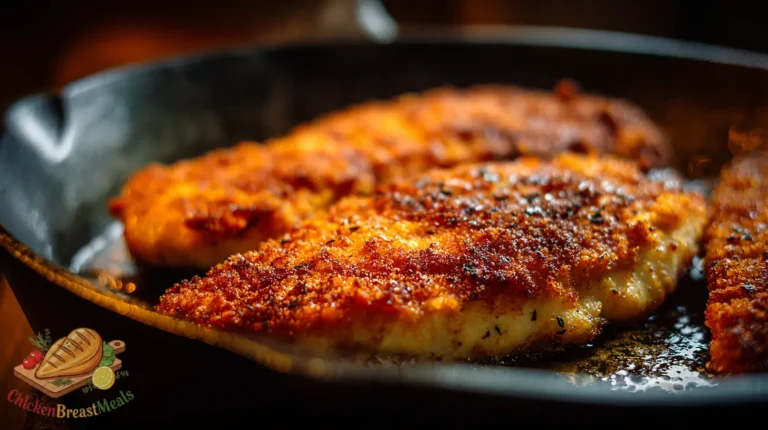
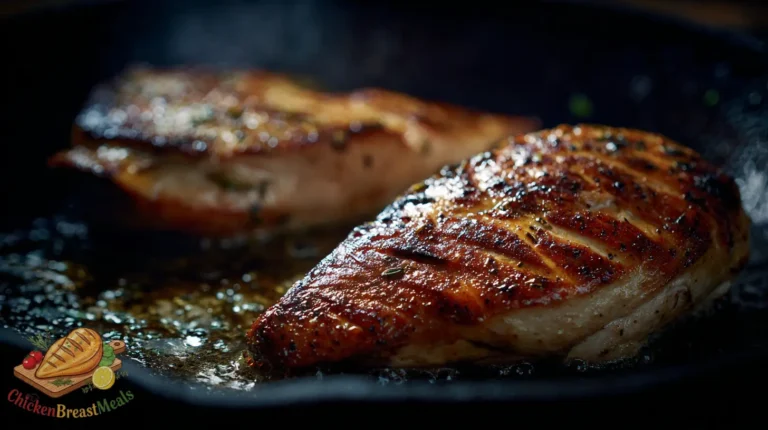
- Sear the chicken: Carefully place the chicken breasts in the hot skillet, presentation side down. Cook undisturbed for 4-5 minutes until a deep golden crust forms.
- Flip and continue cooking: Turn the chicken and cook for an additional 4-5 minutes on the second side. The goal is to reach an internal temperature of approximately 155-160°F (the temperature will continue to rise during resting).
- Remove and rest chicken: Transfer the chicken to a plate and tent loosely with foil to keep warm. The chicken will continue cooking through residual heat.
- Prepare the sauce base: Reduce heat to medium-low and add butter to the same skillet. Once melted, add minced garlic and shallot, cooking for 1-2 minutes until fragrant but not browned.
- Deglaze the pan: Add chicken stock to the skillet, using a wooden spoon to scrape up all the browned bits (fond) from the bottom of the pan. Simmer until reduced by half, approximately 2-3 minutes.
- Create the cream sauce: Reduce heat to low and slowly whisk in the heavy cream. Simmer gently for 3-4 minutes until the sauce begins to thicken slightly.
- Add remaining sauce components: Whisk in tomato paste, lemon juice, cayenne (if using), and half the herbs. Simmer for an additional 2 minutes to incorporate flavors.
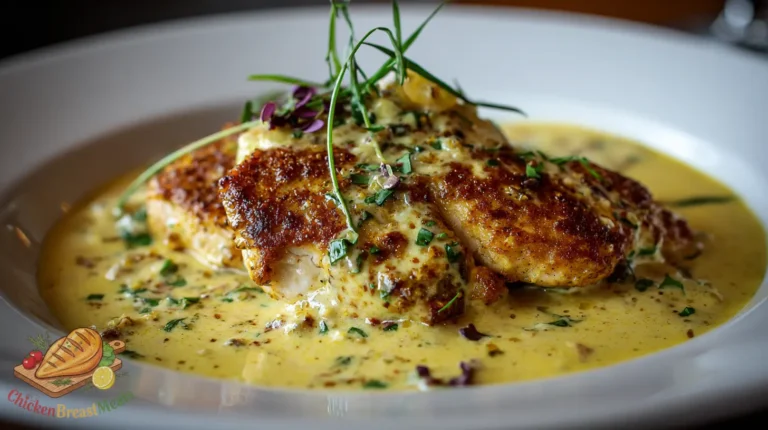
- Return chicken to skillet: Place the rested chicken breasts back into the skillet, including any accumulated juices. Spoon sauce over the chicken and simmer for 1-2 minutes to reheat the chicken and integrate it with the sauce.
- Final temperature check: Verify chicken has reached a safe internal temperature of 165°F.
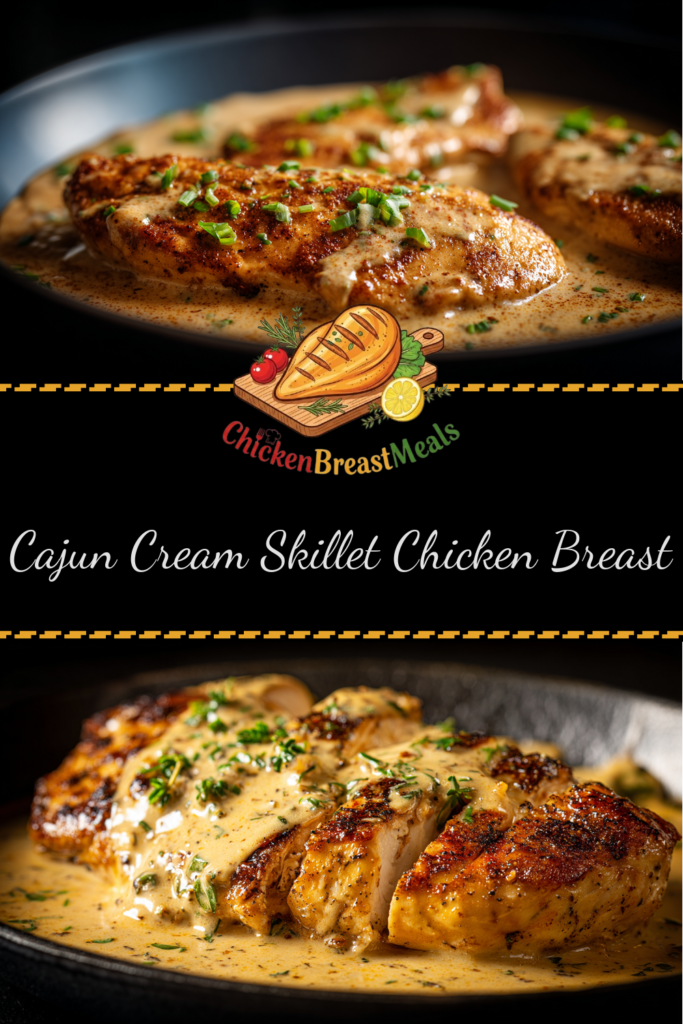
- Plate and garnish: Serve chicken topped with additional sauce and remaining fresh herbs.
| Stage | Time | Temperature | Visual Indicator |
|---|---|---|---|
| Initial Sear | 4-5 min per side | Medium-high (350-375°F) | Deep golden crust formation |
| Aromatics | 1-2 min | Medium-low (275-300°F) | Translucent but not browned |
| Stock Reduction | 2-3 min | Medium-low | Reduced by half |
| Cream Thickening | 3-4 min | Low (200-225°F) | Coats back of spoon |
| Final Integration | 1-2 min | Low | Sauce bubbling gently |
Pro-Tips for Perfect Results
- Temperature Management: Never add cold cream to a boiling hot pan; this causes the milk solids to separate. Instead, lower heat first, then gradually incorporate room-temperature cream.
- Proper Chicken Thickness: Uniform thickness is non-negotiable for even cooking. If pounding isn’t an option, consider butterflying thicker breasts horizontally.
- Fond Development: The dark brown (but not black) fond on the skillet bottom contains concentrated flavor compounds. Deglazing with stock dissolves these compounds to create depth in the sauce.
- Sauce Consistency Control: If sauce becomes too thick, add stock 1 tablespoon at a time. If too thin, create a slurry of 1 teaspoon cornstarch with 2 teaspoons cold water and incorporate gradually.
- Acid Balance: The lemon juice and tomato paste provide acidity that cuts through the richness of the cream. Add these components at the end to prevent curdling.
- Resting Period: The 5-minute rest after the initial cook allows protein fibers to relax and reabsorb juices that would otherwise be lost when cutting.
- Skillet Material Considerations: Cast iron retains heat longer, while stainless steel provides better visual cues for fond development. Avoid non-stick for this recipe as it prevents proper fond formation.
Storage and Reheating
Properly stored, Cajun cream skillet chicken breast will maintain food safety and quality standards for up to 3 days when refrigerated in an airtight container. The cream sauce may separate slightly during storage due to fat solidification at cold temperatures.
For optimal reheating results, use a low-temperature method:
- Stovetop Method: Place in a covered skillet over low heat with 1-2 tablespoons of additional stock or water. Heat slowly, stirring occasionally, until internal temperature reaches 165°F (approximately 5-7 minutes).
- Oven Method: Preheat oven to 300°F. Place chicken and sauce in an oven-safe dish, cover with foil, and heat for 15-20 minutes or until internal temperature reaches 165°F.
- Microwave (Not Recommended): If necessary, use 50% power in 30-second intervals, covering with a damp paper towel to maintain moisture.
Cream-based sauces are not suitable for freezing, as they will separate and develop a grainy texture upon thawing.
Related Recipes to Try
- Blackened Skillet Chicken Breast – A similar technique with a more intensely spiced dry rub and no cream component
- Creamy Mushroom Skillet Chicken Breast – Utilizes the same cream sauce foundation with earthy mushroom elements
- Garlic Butter Skillet Chicken – Features a simpler flavor profile with an emulsified butter sauce
- Tuscan Skillet Chicken – Incorporates sun-dried tomatoes and spinach into a similar cream sauce base
- Spicy Honey Glazed Skillet Chicken – Offers a sweet-heat alternative to creamy preparations
FAQs About Cajun Cream Skillet Chicken Breast
Why does my cream sauce always break or curdle?
Sauce separation typically occurs when heat is too high or acid components (lemon juice, tomato paste) are added too early. Always reduce heat before adding cream and incorporate acidic elements after the cream has stabilized in the sauce.
Can I substitute chicken thighs in this recipe?
Yes. Boneless, skinless chicken thighs can be substituted with a minor cooking time adjustment. Thighs require approximately 2-3 additional minutes per side and can safely be cooked to 175°F for optimal tenderness due to their higher fat content.
Is there a dairy-free alternative for the cream sauce?
Full-fat coconut milk can substitute for heavy cream, though it will impart a subtle coconut flavor that alters the profile. Cashew cream (1 cup soaked cashews blended with ½ cup water) provides a neutral dairy-free alternative that maintains the sauce’s texture.
How can I make this dish less spicy without losing the Cajun character?
Reduce the Cajun seasoning to 1 tablespoon and increase the complementary herbs (thyme, parsley). Adding ½ teaspoon of smoked paprika will maintain depth without heat. Serving with a side of cooling cucumber salad can also balance the perceived spice level.
My sauce isn’t thickening properly. What went wrong?
Insufficient reduction is the most common cause. Ensure you’re simmering (not just warming) the cream for the full 3-4 minutes. If still too thin, create a cornstarch slurry as mentioned in the pro-tips. Alternatively, using cream with lower fat content (like half-and-half) can inhibit proper thickening.
What’s the best side dish to complement this recipe?
Starches that absorb the cream sauce work exceptionally well: garlic mashed potatoes, buttered rice, or crusty bread. For textural contrast and nutritional balance, consider roasted asparagus, sautéed green beans, or a simple arugula salad with lemon vinaigrette.
Conclusion
The technical approach to creating Cajun cream skillet chicken breast relies on understanding the interplay between temperature control, protein behavior, and emulsion stability. By sequencing cooking stages properly—from the initial Maillard-inducing sear to the careful incorporation of dairy elements—we create a dish with optimal moisture retention and flavor development.
The critical innovation in this preparation is the two-stage cooking process, which prevents the common pitfall of overcooked chicken in cream-based dishes. By removing the chicken at 155-160°F and allowing it to finish cooking through residual heat while the sauce develops, we maintain the protein’s ideal texture while still achieving food safety parameters.
Mastering this technique provides a framework applicable to numerous cream-based skillet preparations beyond the Cajun flavor profile. The fundamental principles of fond development, deglazing, and proper emulsification remain constant regardless of the specific seasoning blend or complementary ingredients selected.
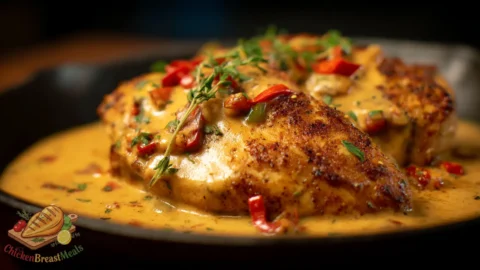
Cajun Cream Skillet Chicken Breast

Ingredients
- 2 boneless, skinless chicken breasts (approximately 8oz each)
- 2 tablespoons Cajun seasoning preferably without added salt
- 1 teaspoon kosher salt omit if Cajun seasoning contains salt
- ½ teaspoon freshly ground black pepper
- 2 tablespoons high smoke point oil avocado or grapeseed
- 1 tablespoon unsalted butter
- 3 cloves garlic minced
- 1 small shallot finely diced
- ½ cup chicken stock low sodium preferred
- 1 cup heavy cream 36% fat content
- 1 teaspoon tomato paste
- 1 teaspoon lemon juice freshly squeezed
- ¼ teaspoon cayenne pepper optional for additional heat
- 1 tablespoon fresh parsley chopped
- 1 teaspoon fresh thyme leaves
Method
- Place chicken breasts between plastic wrap and pound to an even ¾-inch thickness. Pat thoroughly dry with paper towels.
- Combine Cajun seasoning, salt (if using), and black pepper in a small bowl. Sprinkle evenly over both sides of the chicken breasts, pressing gently to adhere.
- Allow the seasoned chicken to rest at room temperature for 15-20 minutes.
- Heat a skillet over medium-high heat and add the oil. Heat until shimmering but not smoking (approximately 350°F).
- Place chicken breasts in the hot skillet, presentation side down. Cook undisturbed for 4-5 minutes until a deep golden crust forms.
- Turn chicken and cook for an additional 4-5 minutes on the second side until internal temperature reaches approximately 155-160°F.
- Transfer chicken to a plate and tent loosely with foil to keep warm.
- Reduce heat to medium-low and add butter to the same skillet. Once melted, add garlic and shallot, cooking for 1-2 minutes until fragrant.
- Add chicken stock, scraping up all browned bits from pan bottom. Simmer until reduced by half, approximately 2-3 minutes.
- Reduce heat to low and slowly whisk in the heavy cream. Simmer gently for 3-4 minutes until sauce begins to thicken slightly.
- Whisk in tomato paste, lemon juice, cayenne (if using), and half the herbs. Simmer for an additional 2 minutes.
- Return chicken breasts to the skillet, including any accumulated juices. Spoon sauce over the chicken and simmer for 1-2 minutes to reheat.
- Verify chicken has reached a safe internal temperature of 165°F.
- Serve chicken topped with additional sauce and remaining fresh herbs.
Note
- Never add cold cream to a very hot pan to prevent separation
- Uniform chicken thickness is essential for even cooking
- For a thicker sauce, create a slurry with 1 tsp cornstarch and 2 tsp cold water
- Add acidic ingredients (lemon, tomato paste) after cream has stabilized
- Store leftovers in refrigerator up to 3 days; cream sauce is not suitable for freezing