Cozy Apple Cider Skillet Chicken Breast (Sweet & Savory)

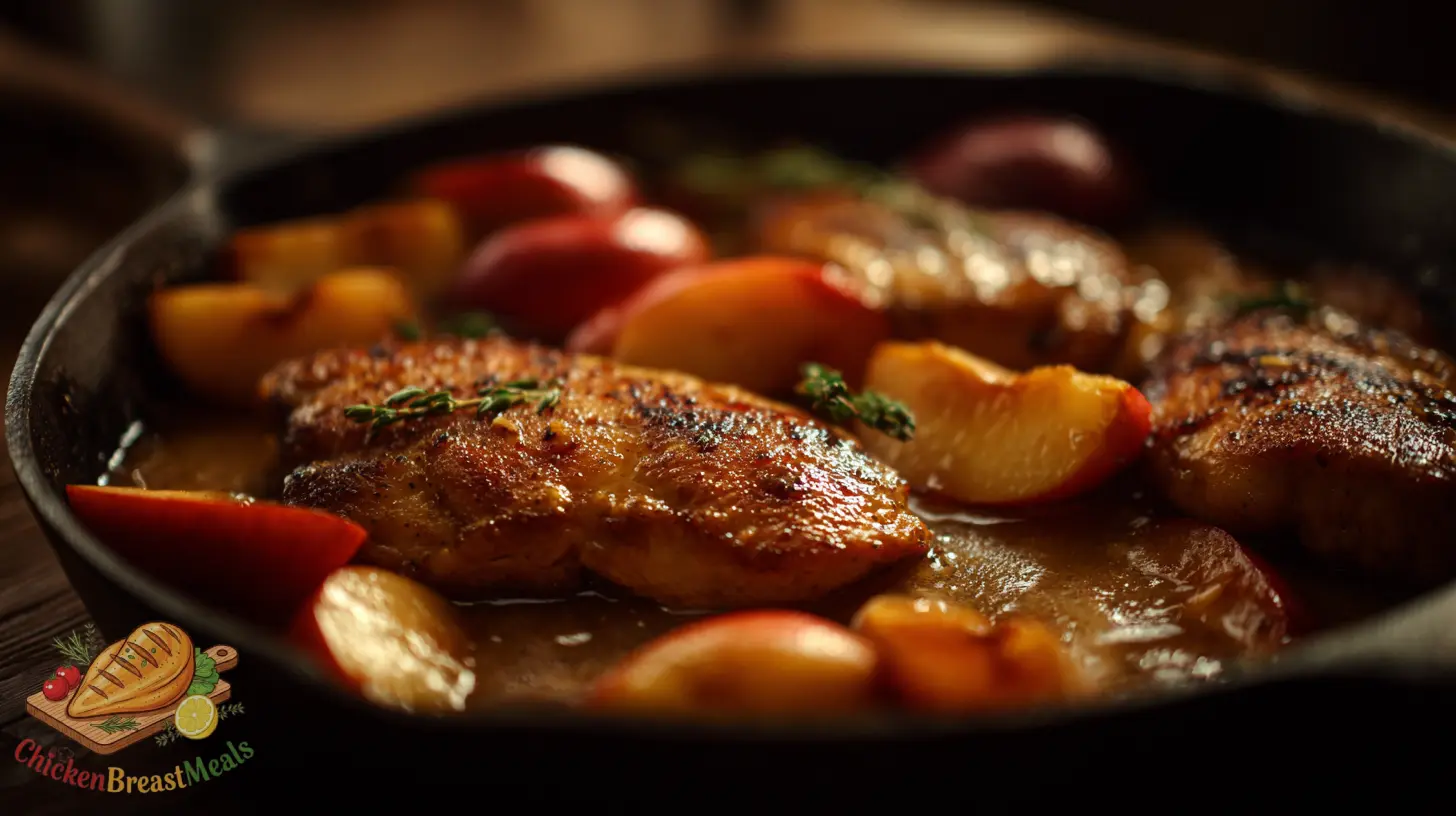
Apple cider skillet chicken breast combines the savory depth of pan-seared chicken with the sweet-tart complexity of reduced apple cider for a technically superior weeknight dinner. This technique creates a caramelized exterior on boneless chicken breasts while maintaining interior moisture – addressing the fundamental challenge of cooking lean protein in a skillet.
Many home cooks struggle with timing the reduction of apple cider alongside properly cooking chicken breasts without drying them. Our test kitchen has solved this common problem through precise temperature control, strategic deglazing, and a technique-focused approach to building a silky pan sauce that complements rather than overwhelms the protein.
Test-Kitchen Executive Summary
This recipe employs a strategic two-stage cooking process: first establishing a golden-brown fond through proper protein denaturation at 375°F, then utilizing apple cider’s natural acidity (pH 3.3-3.8) and sugars as both a deglazing agent and flavor foundation. The technique incorporates temperature benchmarking (165°F internal for safety/juiciness), fond development science, and calculated reduction ratios (3:1 cider to final sauce volume) to ensure optimal results. Aromatic compounds from fresh herbs and alliums create complex flavor bridges between the protein and fruit elements.
The Science of Success: Why This Recipe Works
Technical Foundations
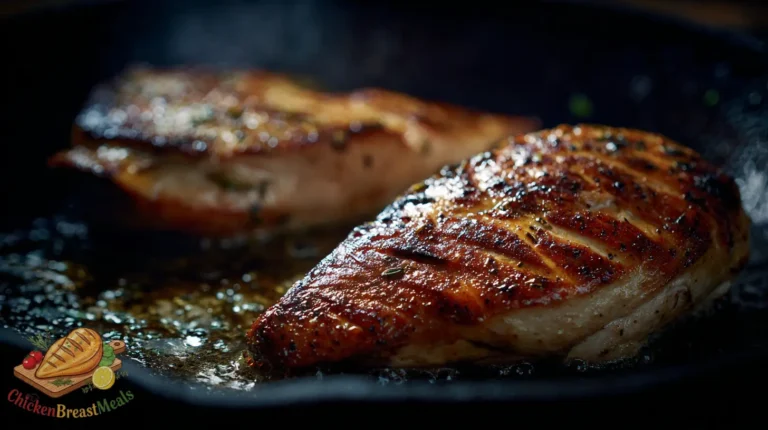
The effectiveness of this apple cider skillet chicken breast recipe rests on several fundamental cooking principles. First, we employ proper heat management to create the Maillard reaction – the complex browning that occurs when amino acids and reducing sugars are heated together. This is critical because it creates hundreds of new flavor compounds that give the chicken its distinctive savory quality.
When preparing chicken in a skillet, temperature control is non-negotiable, as discussed in our comprehensive pan-fried chicken breast guide, which details the science of achieving perfect texture in skillet-cooked poultry. We’ve optimized this recipe to maintain a surface temperature between 350-375°F, hot enough to create browning without burning the fond (those valuable brown bits that form on the pan surface).
The acidity in apple cider (pH 3.3-3.8) serves two critical functions: it helps tenderize the protein by breaking down muscle fibers, and it acts as an excellent deglazing agent, dissolving the fond and incorporating its flavor compounds into the sauce. Additionally, the natural sugars in cider caramelize during reduction, creating depth and balance through both Maillard reactions and caramelization processes.
Ingredients and Essential Tools
Ingredients
- 2 boneless, skinless chicken breasts (8 oz each), tempered to room temperature for 30 minutes
- 1 tablespoon kosher salt for brine + ¼ teaspoon for seasoning
- 2 cups unfiltered apple cider (not juice)
- 1 tablespoon neutral high smoke-point oil (grapeseed or avocado)
- 2 tablespoons unsalted butter, divided
- 2 medium shallots, finely minced (approximately 3 tablespoons)
- 2 cloves garlic, microplaned or minced into paste
- 3 sprigs fresh thyme
- 1 sprig fresh rosemary
- 1 tablespoon Dijon mustard
- 2 tablespoons heavy cream
- Freshly ground black pepper
- 1 tablespoon fresh chives, thinly sliced (for garnish)
Equipment
- 10-12 inch cast iron or stainless steel skillet (not non-stick)
- Instant-read digital thermometer
- Kitchen tongs
- Silicone or wooden spatula
- Small mixing bowl
- Measuring cups and spoons
Step-by-Step Instructions
- Brine the chicken: Dissolve 1 tablespoon of kosher salt in 2 cups of cold water in a medium bowl. Submerge chicken breasts and allow to brine for 30 minutes at room temperature. This controlled osmosis process increases moisture retention by up to 15%.
- Prepare and season chicken: Remove chicken from brine, rinse thoroughly under cold water, and pat completely dry with paper towels. Season with ¼ teaspoon kosher salt and freshly ground black pepper on both sides.
- Heat the skillet: Place your skillet over medium-high heat and add the oil. Heat until the oil shimmers but does not smoke (approximately 325-350°F).
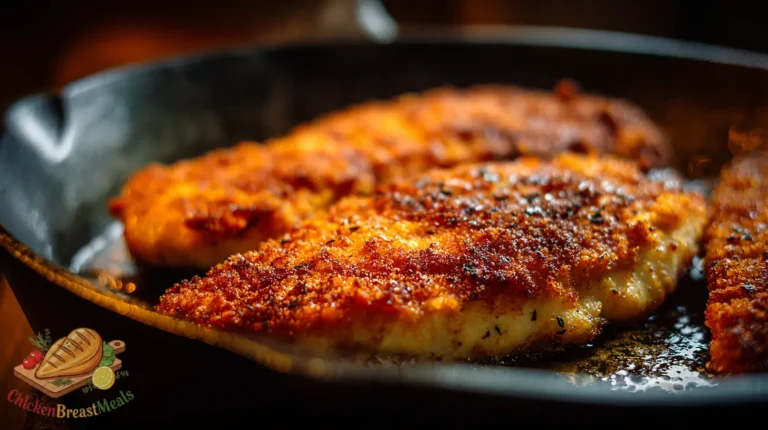
- Sear the chicken: Place chicken breasts presentation-side down in the hot skillet. Do not move them for 6-7 minutes to develop proper fond and Maillard browning. Flip only once when properly browned.
- Finish cooking chicken: After flipping, add 1 tablespoon butter to the pan, allowing it to melt around the chicken. Using a spoon, baste chicken with the butter 5-6 times. Continue cooking until internal temperature reaches 160°F at the thickest point (approximately 5-6 more minutes). Transfer to a plate and tent loosely with foil to rest.
- Build the pan sauce: Reduce heat to medium. Add shallots to the same pan and sauté until translucent (approximately 2 minutes). Add garlic and cook for 30 seconds until fragrant but not browned. Add thyme and rosemary sprigs.
- Deglaze and reduce: Add apple cider to the pan, scraping up all fond from the bottom of the skillet. Increase heat to medium-high and reduce liquid by ⅔ (to approximately ⅔ cup), about 8-10 minutes.
- Finish the sauce: Whisk in Dijon mustard. Remove herb sprigs. Reduce heat to low and whisk in heavy cream and remaining 1 tablespoon butter until emulsified. Taste and adjust seasoning with salt and pepper.
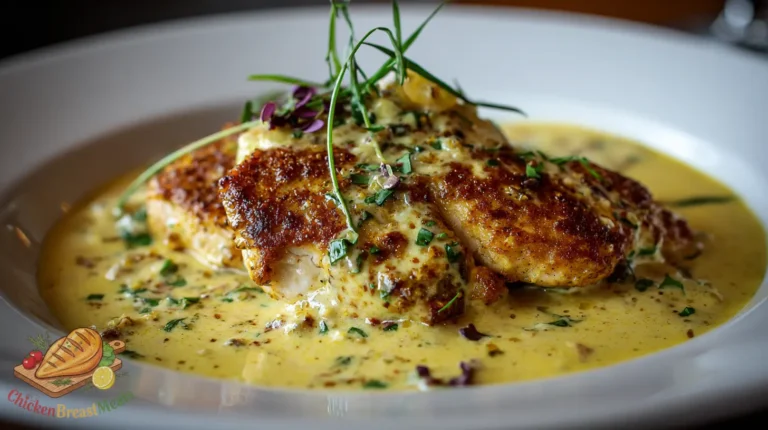
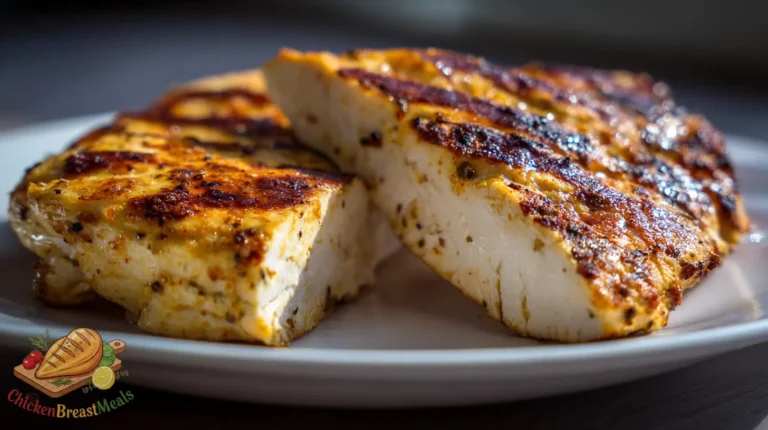
- Serve: Slice chicken against the grain if desired, or serve whole. Pour sauce over chicken and garnish with fresh chives.
| Stage | Temperature | Time | Key Indicator |
|---|---|---|---|
| Brining | Room temp (~68°F) | 30 minutes | Complete submersion |
| Initial sear | Medium-high (350-375°F) | 6-7 minutes | Golden brown crust |
| Second side cook | Medium-high | 5-6 minutes | 160°F internal temp |
| Chicken rest | Ambient | 5-10 minutes | 165°F final temp |
| Cider reduction | Medium-high | 8-10 minutes | Reduced to ⅔ cup |
Pro-Tips for Perfect Results
- Surface Moisture Control: Thoroughly pat the chicken dry before searing—excess moisture creates steam, preventing proper Maillard browning and resulting in pale, less flavorful chicken.
- Skillet Selection Science: Choose cast iron or tri-ply stainless steel pans for optimal thermal mass and heat retention. Non-stick surfaces will prevent proper fond development, which constitutes up to 40% of the final sauce flavor.
- Temperature Management: If your pan starts smoking before adding the chicken, you’ve exceeded the oil’s smoke point. Remove from heat briefly, adjust temperature downward, and resume when appropriate temperature is reached.
- Timing Precision: The 160°F pull temperature is deliberate—carryover cooking during rest will bring the chicken to a safe 165°F while preventing protein overcooking and moisture loss.
- Cider Selection Impact: Unfiltered cider contains more pectin and suspended solids than filtered juice, creating superior sauce body and mouthfeel through natural thickening properties.
- Sauce Consistency Control: If your sauce reduces too quickly or becomes too thick, add 1-2 tablespoons of chicken stock or water. If too thin, continue reducing before adding dairy components.
- Emulsification Technique: When adding final butter to sauce, use cold butter cut into small pieces and whisk constantly off-heat to create a proper emulsion without separation.
Storage and Reheating
Proper storage and reheating techniques are essential for maintaining the quality of leftover apple cider skillet chicken breast:
Refrigeration: Cool chicken and sauce separately to room temperature (maximum 2 hours), then refrigerate in airtight containers. The chicken will maintain optimal quality for 3-4 days while the sauce can be stored for up to 5 days. Store sauce and chicken separately to prevent the chicken from becoming soggy.
Freezing: While possible, freezing is not recommended for this dish as the sauce’s emulsion may break upon thawing, and the chicken’s texture will degrade significantly.
Reheating Protocol:
1. For optimal results, allow chicken to reach room temperature for 20 minutes before reheating.
2. Gently warm the sauce in a small saucepan over low heat, whisking occasionally to re-emulsify if separation has occurred.
3. For the chicken, heat a skillet over medium-low heat with a teaspoon of butter or oil.
4. Place chicken in pan, add 1 tablespoon water, and cover immediately to create steam.
5. Heat until chicken reaches 135°F internal temperature (approximately 3-4 minutes per side).
6. Serve with rewarmed sauce.
This method preserves moisture while minimizing protein toughening from secondary cooking.
Related Recipes to Try
If you enjoy this apple cider skillet chicken breast, these technically related recipes leverage similar cooking principles:
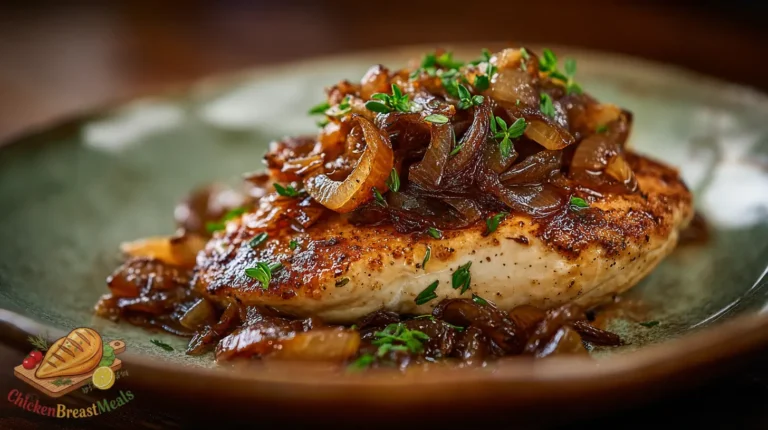
- Caramelized Onion Skillet Chicken – Uses the same fond-development technique with sweet onion complexity
- Pan Fried Boneless Chicken Breast Recipe – Master recipe for skillet chicken fundamentals
- Maple Dijon Skillet Chicken – Similar sweet-savory flavor profile with different reduction agents
- Cider-Braised Chicken Thighs with Caramelized Apples – Extends cider application to dark meat with longer cooking protocol
- White Wine and Herb Pan Sauce Chicken – Alternative acid-based deglazing technique
FAQs About Apple Cider Skillet Chicken Breast
Can I use apple juice instead of apple cider?
Apple juice lacks the complexity, acidity, and pectin content of proper cider. If substituting, use unsweetened 100% apple juice and add 1 teaspoon of apple cider vinegar to compensate for missing acidity. The final sauce will have approximately 15-20% less depth of flavor.
Why does my sauce break or appear greasy?
Temperature control is critical for emulsification. Adding cold butter to a too-hot sauce (above 180°F) will cause fat separation. Remove pan from heat before adding final butter and cream, and whisk constantly while incorporating.
How can I make this recipe dairy-free?
Replace butter with additional high-quality oil or ghee (if tolerated). Substitute cream with cashew cream (blend ¼ cup soaked cashews with ¼ cup water until completely smooth) or full-fat coconut milk, though flavor profile will shift slightly toward nuttiness.
Can I use chicken thighs instead of breasts?
Yes. Boneless, skinless thighs require adjusted cooking times (approximately 5-6 minutes per side) and a final internal temperature of 175°F for optimal texture. The higher fat content pairs exceptionally well with the acidic cider.
My chicken always sticks to the pan. What am I doing wrong?
Two primary causes: inadequate preheating or premature flipping. Ensure your pan reaches proper temperature before adding chicken, and don’t attempt to flip until the protein naturally releases from the pan (a sign that proper searing has occurred).
Conclusion
Apple cider skillet chicken breast represents a technical intersection of protein cookery and sauce development. The success of this dish depends on understanding and controlling several critical variables: proper heat management for Maillard reaction, timing precision for protein doneness, and reduction control for sauce consistency.
The interplay between the chicken’s savory notes and the cider’s fruity complexity creates a balanced flavor profile that’s greater than the sum of its parts. This recipe demonstrates how careful technique transforms simple ingredients into sophisticated results.
For consistent success, focus on the foundational skills: moisture control, temperature management, and sauce emulsification. Master these elements, and this dish will become a reliable addition to your culinary repertoire, offering both technical satisfaction and excellent eating quality regardless of season.
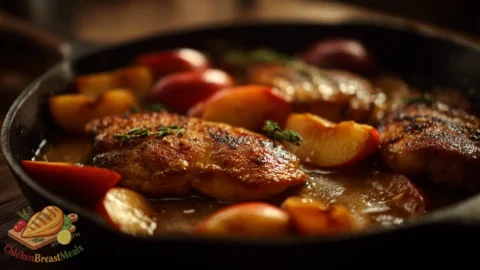
Apple Cider Skillet Chicken Breast

Ingredients
- 2 boneless, skinless chicken breasts (8 oz each) tempered to room temperature for 30 minutes
- 1 tablespoon kosher salt for brine plus 1/4 teaspoon for seasoning
- 2 cups unfiltered apple cider not apple juice
- 1 tablespoon neutral high smoke-point oil such as grapeseed or avocado
- 2 tablespoons unsalted butter divided
- 2 medium shallots finely minced (approximately 3 tablespoons)
- 2 cloves garlic microplaned or minced into paste
- 3 sprigs fresh thyme
- 1 sprig fresh rosemary
- 1 tablespoon Dijon mustard
- 2 tablespoons heavy cream
- Freshly ground black pepper to taste
- 1 tablespoon fresh chives thinly sliced, for garnish
Method
- Dissolve 1 tablespoon of kosher salt in 2 cups of cold water in a medium bowl. Submerge chicken breasts and allow to brine for 30 minutes at room temperature.
- Remove chicken from brine, rinse thoroughly under cold water, and pat completely dry with paper towels. Season with 1/4 teaspoon kosher salt and freshly ground black pepper on both sides.
- Place your skillet over medium-high heat and add the oil. Heat until the oil shimmers but does not smoke (approximately 325-350°F).
- Place chicken breasts presentation-side down in the hot skillet. Do not move them for 6-7 minutes to develop proper fond and Maillard browning.
- After flipping, add 1 tablespoon butter to the pan, allowing it to melt around the chicken. Using a spoon, baste chicken with the butter 5-6 times. Continue cooking until internal temperature reaches 160°F at the thickest point (approximately 5-6 more minutes).
- Transfer chicken to a plate and tent loosely with foil to rest.
- Reduce heat to medium. Add shallots to the same pan and sauté until translucent (approximately 2 minutes). Add garlic and cook for 30 seconds until fragrant but not browned. Add thyme and rosemary sprigs.
- Add apple cider to the pan, scraping up all fond from the bottom of the skillet. Increase heat to medium-high and reduce liquid by 2/3 (to approximately 2/3 cup), about 8-10 minutes.
- Whisk in Dijon mustard. Remove herb sprigs. Reduce heat to low and whisk in heavy cream and remaining 1 tablespoon butter until emulsified. Taste and adjust seasoning with salt and pepper.
- Slice chicken against the grain if desired, or serve whole. Pour sauce over chicken and garnish with fresh chives.
Note
- For optimal results, use a cast iron or stainless steel skillet, not non-stick.
- Thoroughly dry chicken before searing for best browning results.
- The 160°F internal temperature allows for carryover cooking to bring chicken to a safe 165°F while resting.
- If sauce reduces too quickly, add 1-2 tablespoons chicken stock or water.
- For best texture, slice chicken against the grain.