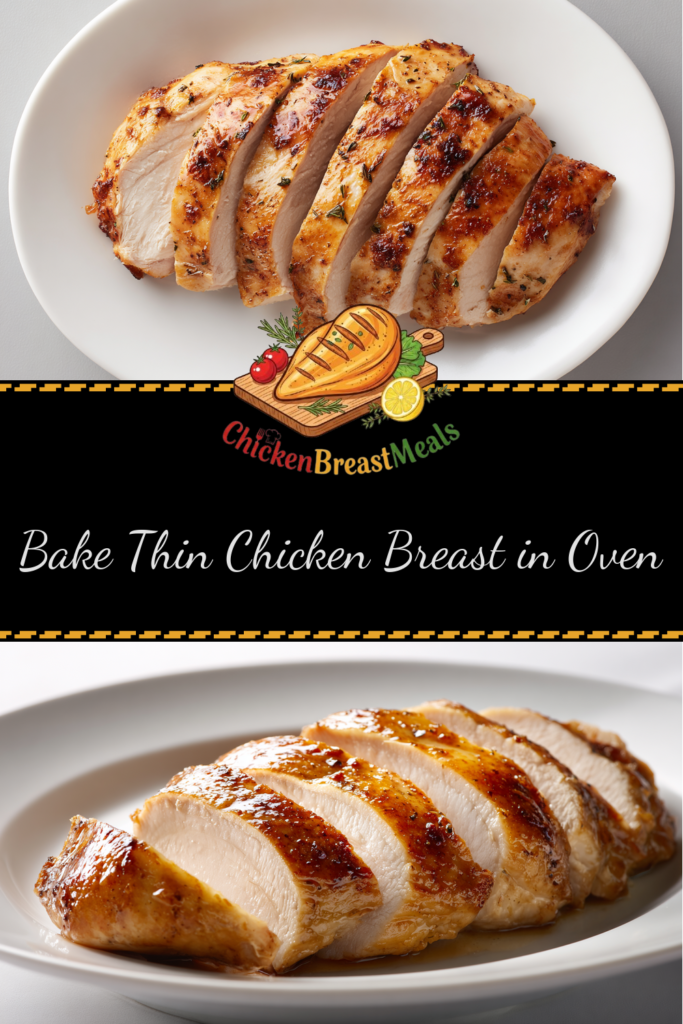
Juicy & Even Bake Thin Chicken Breast in Oven (Perfect Every Time)

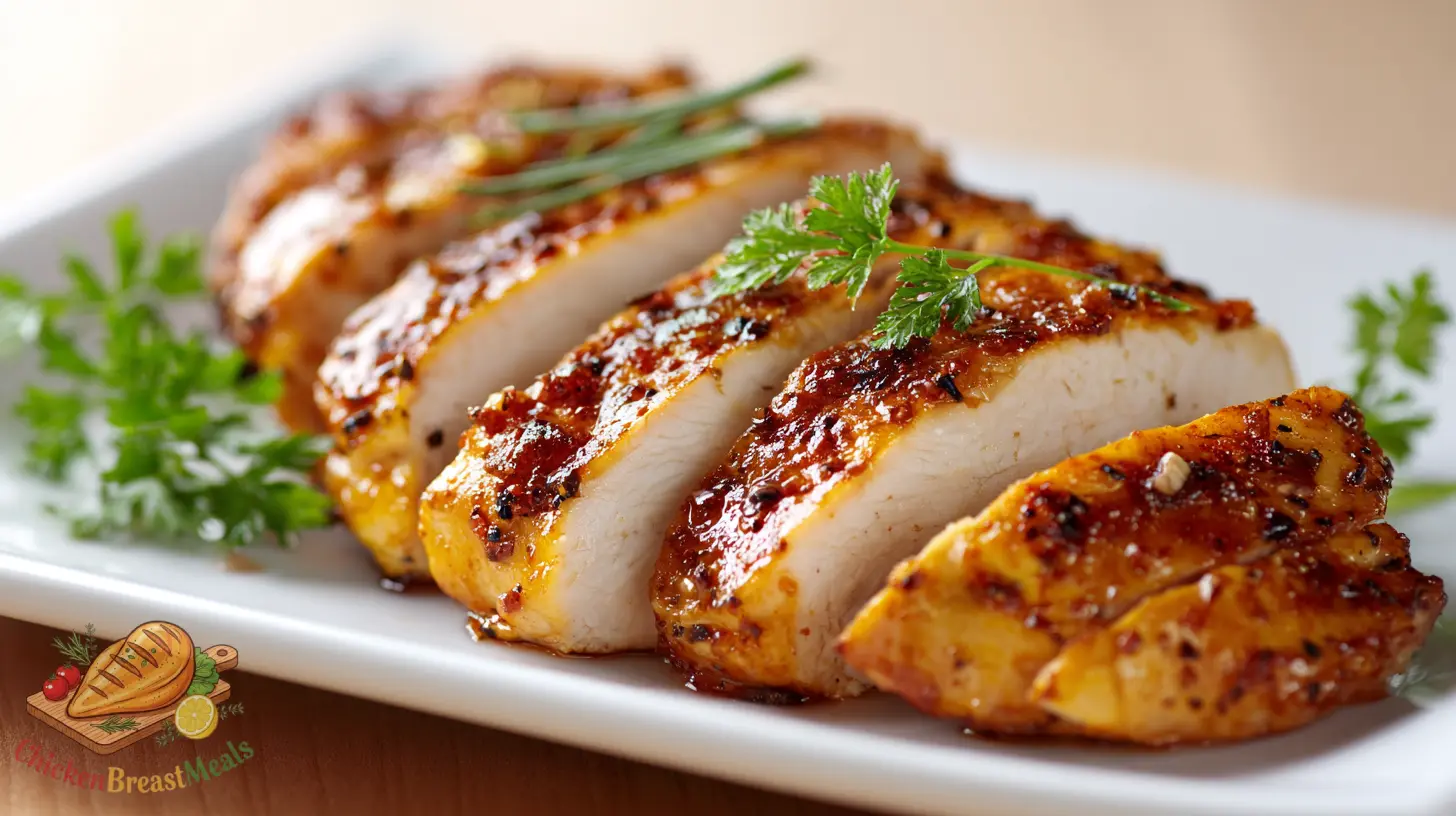
Baking thin chicken breast in the oven is a culinary technique that requires precision and understanding to prevent the common pitfall of dry, overcooked meat. With less mass than regular chicken breasts, thin cuts have a significantly shorter cooking window, demanding careful temperature control and timing adjustments.
The challenge lies in maintaining moisture while achieving proper doneness. Thin chicken breasts—whether purchased pre-sliced or butterflied at home—cook approximately twice as fast as standard breasts, requiring modifications to traditional baking methods to ensure optimal results.
Test-Kitchen Executive Summary
Thin chicken breasts (½-inch thickness) bake optimally at 425°F for 12-15 minutes to an internal temperature of 165°F. Success depends on uniform thickness, proper preheating, and a brief 5-minute rest after cooking. The high-temperature, short-duration method creates superior browning while preserving moisture, resulting in tender, properly cooked protein.
The Science of Success: Why This Recipe Works
Technical Foundations
Thin chicken breasts require precise temperature management due to their reduced thermal mass. At high temperatures (425°F), proteins quickly coagulate, creating a moisture-retaining seal while initiating Maillard reactions for flavor development. This approach differs significantly from the lower-temperature, longer-duration methods we detail in our comprehensive oven-baked chicken breast guide, which is better suited for thicker cuts.
Two critical factors influence success: thickness uniformity and thermal equilibrium. Uniform ½-inch thickness ensures even cooking, while allowing chicken to reach room temperature before baking (about 20 minutes) reduces temperature differential shock that can cause uneven cooking and moisture loss.
The brief, intense heat exposure creates efficient protein denaturation while minimizing moisture evacuation through evaporation, resulting in juicier finished product compared to longer cooking methods.
Ingredients and Essential Tools
- 4 thin-sliced chicken breasts (approximately ½-inch thick, about 4-5 oz each)
- 2 tablespoons olive oil or avocado oil
- 1 teaspoon kosher salt
- ½ teaspoon freshly ground black pepper
- 1 teaspoon garlic powder
- 1 teaspoon paprika (regular or smoked)
- ½ teaspoon dried oregano
- ¼ teaspoon cayenne pepper (optional)
Essential Tools
- Instant-read digital thermometer (critical for thin cuts)
- Rimmed baking sheet
- Parchment paper or aluminum foil
- Mixing bowl
- Kitchen tongs
- Meat mallet (if preparing thin cuts from regular breasts)
- Pastry brush or oil sprayer
Step-by-Step Instructions
- Prepare the oven: Position rack in middle position and preheat to 425°F (218°C). This high temperature is essential for quick browning without overcooking.
- Prepare baking surface: Line rimmed baking sheet with parchment paper or aluminum foil for easy cleanup.
- Prepare chicken: If using regular chicken breasts, place between plastic wrap and pound to ½-inch thickness using the flat side of a meat mallet. For pre-sliced thin breasts, verify uniform thickness.
- Bring to temperature: Remove chicken from refrigerator 20 minutes before cooking to reduce thermal shock.
- Pat dry: Using paper towels, thoroughly dry chicken surfaces to promote browning.
- Season chicken: In a small bowl, combine salt, pepper, garlic powder, paprika, oregano, and cayenne (if using). Brush chicken with oil on both sides, then apply seasoning mixture evenly.
- Arrange on baking sheet: Place seasoned breasts on prepared baking sheet, ensuring at least 1 inch between pieces for proper heat circulation.
- Bake: Place in preheated oven and bake until internal temperature reaches 163°F (73°C), approximately 12-15 minutes. Temperature will continue rising during rest period.
- Rest: Remove from oven and loosely tent with foil. Rest for 5 minutes to allow for carryover cooking and redistribution of juices.
- Verify temperature: Confirm internal temperature has reached 165°F (74°C) before serving.
| Chicken Thickness | Oven Temperature | Approximate Cooking Time | Target Internal Temperature |
|---|---|---|---|
| ¼ inch (very thin cutlets) | 425°F (218°C) | 8-10 minutes | 163°F before rest, 165°F after |
| ½ inch (standard thin cut) | 425°F (218°C) | 12-15 minutes | 163°F before rest, 165°F after |
| ¾ inch (thicker thin cut) | 425°F (218°C) | 15-18 minutes | 163°F before rest, 165°F after |
Pro-Tips for Perfect Results
- Thickness Verification: Use a ruler or caliper to confirm uniform ½-inch thickness across all portions. Variations greater than ⅛ inch can lead to uneven cooking.
- Temperature Gradient: Allowing chicken to rest at room temperature for 20 minutes creates a more gradual temperature gradient from surface to core, resulting in more even cooking.
- Moisture Management: For extra insurance against drying, brine thin breasts in a 6% salt solution (3 tablespoons kosher salt per quart of water) for 15-30 minutes, then rinse and thoroughly pat dry before seasoning.
- Carryover Precision: Thin cuts experience less carryover cooking than thick cuts. Expect only 2-3°F rise during resting versus 5-10°F in thick cuts.
- Oil Selection: Use oils with smoke points above 425°F (such as avocado oil at 520°F or refined olive oil at 465°F) to prevent smoke development and bitter flavors.
- Thermometer Technique: Insert thermometer probe horizontally into the thickest part of the breast for accurate reading in thin cuts.
- Rack Position: Middle rack positioning provides optimal heat distribution. Lower racks may cause bottom scorching before protein is fully cooked.
Storage and Reheating
Refrigeration: Cool completely before storing. Place in airtight container and refrigerate for up to 3 days. The thin nature of these breasts makes them particularly susceptible to drying during storage and reheating.
Freezing: For longer storage, wrap individual breasts tightly in plastic wrap, then place in freezer bags with air removed. Freeze for up to 2 months. Thaw in refrigerator overnight before reheating.
Optimal Reheating Methods (ranked):
- Sous Vide: Reheat sealed in water bath at 140°F for 20-30 minutes. This maintains moisture perfectly but requires specialized equipment.
- Steaming: Place on elevated rack in covered pan with ½ inch water at bottom. Steam 3-5 minutes until reaching 140°F internal temperature.
- Low-Temperature Oven: Wrap in foil with 1 tablespoon water or chicken broth. Heat at 275°F for 10-15 minutes until internal temperature reaches 140°F.
- Microwave (Emergency Method): Cover with damp paper towel and heat at 50% power in 30-second intervals until reaching 140°F. Not recommended for optimal quality.
Note: 140°F is the recommended reheating temperature for optimal moisture retention in pre-cooked poultry. Since the chicken was already properly cooked to 165°F initially, food safety standards are maintained.
Related Recipes to Try
- Oven-Baked Bone-In Chicken Breast – For those preferring the enhanced flavor that comes from cooking with the bone intact.
- Oven-Baked Lemon Chicken Breast with Garlic and Herbs – A flavor variation that works beautifully with thin-cut breasts.
- Parmesan Crusted Thin Chicken Breasts – Add a crispy exterior layer while maintaining moisture.
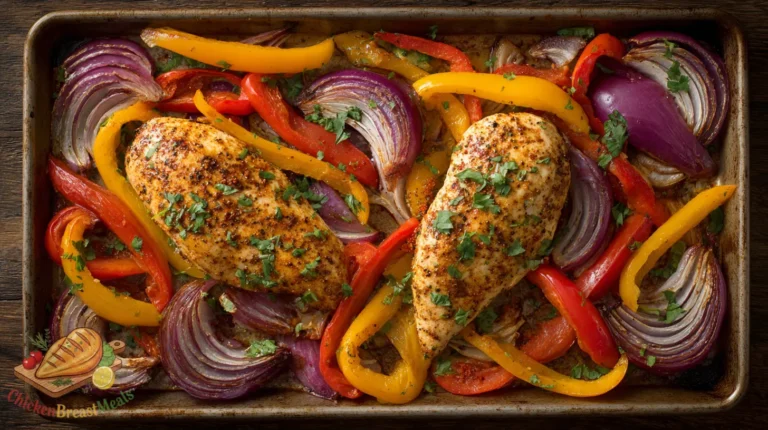
- Thin Chicken Breast Sheet Pan Dinner – Combine with quick-cooking vegetables for a complete meal.
- Mediterranean Thin Chicken Breast – Incorporate olives, sun-dried tomatoes, and feta for a flavor transformation.
FAQs About Baking Thin Chicken Breast in Oven
How do I know when thin chicken breasts are done without a thermometer?
While a thermometer is strongly recommended for precision, if unavailable, cut into the thickest part—juices should run clear with no pink remaining, and meat should be opaque white throughout. Timing-based cooking alone is unreliable due to variations in actual thickness and oven calibration.
Should I cover thin chicken breasts while baking?
No. Covering creates steam that prevents browning and can result in a poached texture. The short cooking time for thin breasts eliminates the need for moisture retention through covering.
Can I use frozen thin chicken breasts directly in the oven?
Not recommended. Frozen thin breasts will cook very unevenly, with exteriors potentially overcooking before interiors reach safe temperature. Always thaw completely before baking.
How can I prevent my thin chicken breasts from drying out?
Three key factors: accurate cooking time (use thermometer), proper resting period (minimum 5 minutes under loose foil), and avoiding overcooking beyond 165°F internal temperature.
Can I marinate thin chicken breasts before baking?
Yes, but limit acidic marinades (containing citrus, vinegar, etc.) to 30-60 minutes maximum for thin cuts to prevent texture degradation. Oil-based or yogurt-based marinades can be applied for up to 4 hours.
Conclusion
Mastering the technique of baking thin chicken breasts requires understanding the critical relationship between surface area, mass, and heat transfer. The increased surface-to-volume ratio in thin cuts accelerates cooking while increasing susceptibility to moisture loss, making temperature precision essential.
The approach outlined—utilizing high heat (425°F) for short duration (12-15 minutes)—optimizes the balance between exterior browning and interior moisture retention. By maintaining thickness uniformity, allowing for temperature equilibration, and implementing precise timing, you achieve the optimal compromise between food safety and culinary quality.
This method produces consistent results while accommodating the practical advantages of thin cuts, particularly their rapid cooking time and portion control benefits. When executed properly, thin chicken breasts offer a canvas for flavor development while maintaining the satisfying texture that defines properly prepared poultry.
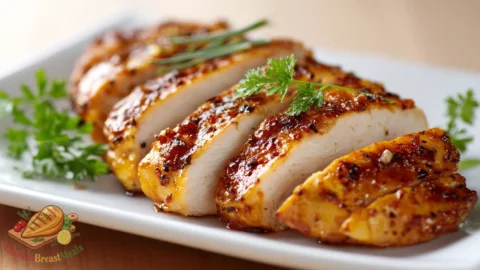
Perfect Oven-Baked Thin Chicken Breast

Ingredients
- 4 thin-sliced chicken breasts (approx. ½-inch thick, 4-5 oz each)
- 2 tablespoons olive oil or avocado oil for coating
- 1 teaspoon kosher salt
- ½ teaspoon freshly ground black pepper
- 1 teaspoon garlic powder
- 1 teaspoon paprika regular or smoked
- ½ teaspoon dried oregano
- ¼ teaspoon cayenne pepper optional
Method
- Position rack in middle position and preheat oven to 425°F (218°C).
- Line rimmed baking sheet with parchment paper or aluminum foil for easy cleanup.
- If using regular chicken breasts, place between plastic wrap and pound to ½-inch thickness using a meat mallet. For pre-sliced thin breasts, verify uniform thickness.
- Remove chicken from refrigerator 20 minutes before cooking to reduce thermal shock.
- Using paper towels, thoroughly dry chicken surfaces to promote browning.
- In a small bowl, combine salt, pepper, garlic powder, paprika, oregano, and cayenne (if using). Brush chicken with oil on both sides, then apply seasoning mixture evenly.
- Place seasoned breasts on prepared baking sheet, ensuring at least 1 inch between pieces for proper heat circulation.
- Place in preheated oven and bake until internal temperature reaches 163°F (73°C), approximately 12-15 minutes.
- Remove from oven and loosely tent with foil. Rest for 5 minutes to allow for carryover cooking and redistribution of juices.
- Confirm internal temperature has reached 165°F (74°C) before serving.
Note
- Use an instant-read digital thermometer for precise cooking
- For extra moisture insurance, brine thin breasts in a 6% salt solution (3 tablespoons kosher salt per quart of water) for 15-30 minutes
- Expect only 2-3°F temperature rise during resting period
- Insert thermometer probe horizontally into the thickest part for accurate reading in thin cuts
- Store cooled leftovers in airtight container for up to 3 days