Easy Oven Baked Pesto Chicken Breast (3-Ingredient Flavor Boost)

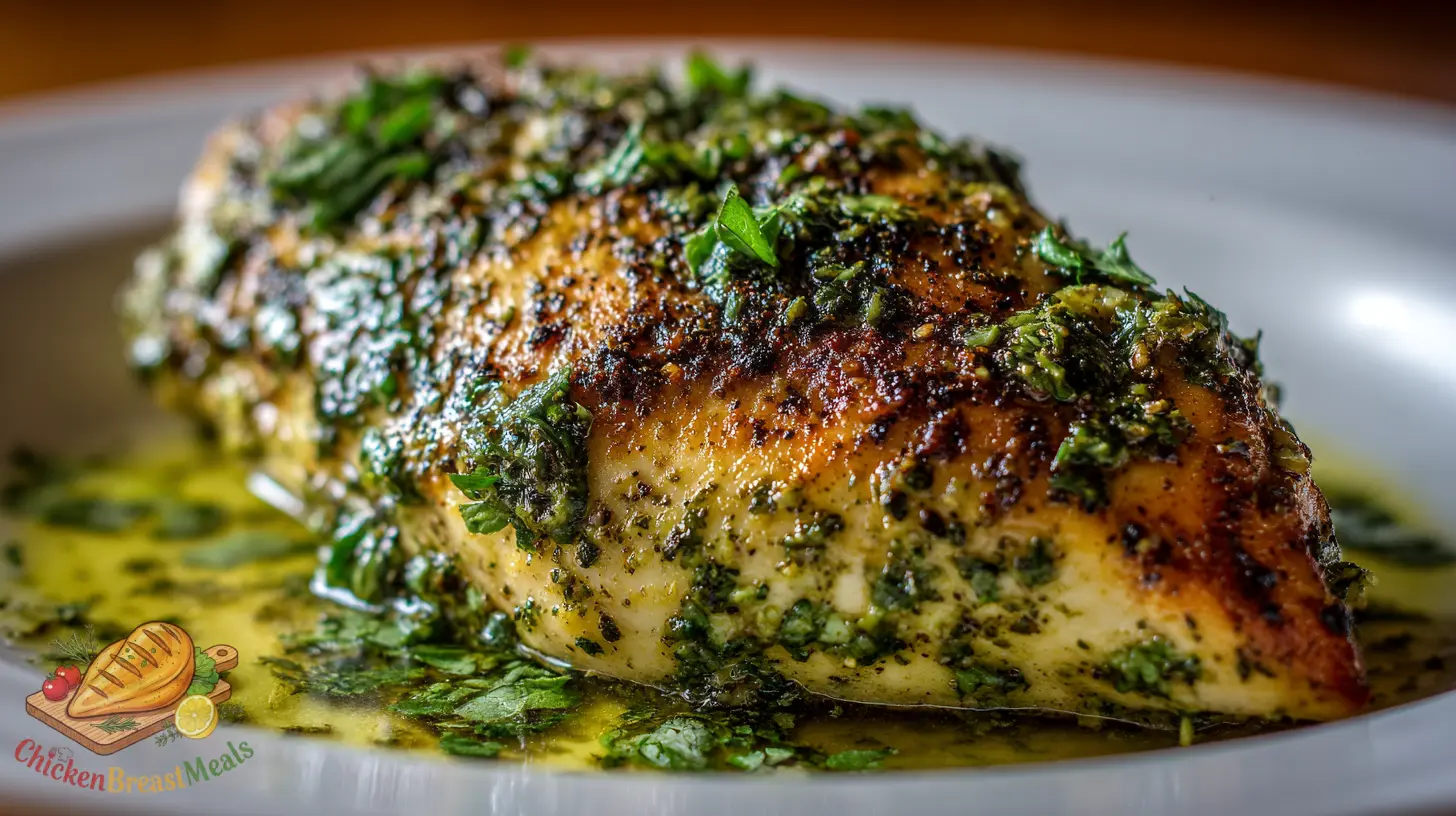
Oven baked pesto chicken breast combines the convenience of a quick weeknight meal with the vibrant flavors of basil, pine nuts, and parmesan cheese. This recipe addresses the common challenge of dry, flavorless chicken breasts by utilizing the moisture-preserving properties of pesto and a precise baking technique.
Achieving the perfect internal temperature while maintaining juiciness requires precision. The pesto not only adds flavor but creates a protective layer that prevents moisture loss during the cooking process, solving the fundamental problem of oven-baked chicken breasts that often turn out dry and tough.
Test-Kitchen Executive Summary
This oven baked pesto chicken breast recipe achieves optimal results through maintaining a 425°F (218°C) oven temperature, searing at high heat initially to lock in moisture, and utilizing a two-stage cooking approach. The chicken is coated with homemade or high-quality store-bought pesto which creates a protective moisture barrier and flavor-infusion system. Internal temperature monitoring is critical, with chicken being removed at precisely 163°F (73°C) to account for carryover cooking to the FDA-recommended 165°F (74°C).
The Science of Success: Why This Recipe Works
Technical Foundations
The success of this oven baked pesto chicken breast recipe relies on understanding the protein behavior of chicken breast tissue during cooking. The pesto acts as a dual-purpose coating: the oil creates a moisture barrier while the aromatics infuse flavor during the heat application process. This technique builds upon the fundamental principles explored in our comprehensive oven baked chicken breast guide, where we established the critical temperature control methods that prevent protein over-coagulation.
The pesto’s oil content creates a protective layer that slows moisture evaporation from the meat fibers. Simultaneously, the acids from the cheese and lemon in the pesto help tenderize the protein strands through mild denaturing. This process allows for more effective flavor penetration without compromising the structural integrity of the meat, resulting in a juicy chicken breast with vibrant flavor throughout.
Ingredients and Essential Tools
For the Chicken:
- 2 boneless, skinless chicken breasts (8-10 oz each)
- ½ teaspoon kosher salt
- ¼ teaspoon freshly ground black pepper
- 1 tablespoon olive oil
For the Pesto (or use ½ cup store-bought):
- 2 cups fresh basil leaves, packed
- ½ cup freshly grated Parmesan-Reggiano cheese
- ⅓ cup pine nuts (toasted for enhanced flavor)
- 3 medium garlic cloves, peeled
- ½ cup extra virgin olive oil
- 1 tablespoon fresh lemon juice
- ¼ teaspoon kosher salt
Optional Garnishes:
- Cherry tomatoes, halved
- Fresh mozzarella pearls
- Fresh basil leaves
- Lemon wedges
Essential Tools:
- Food processor (for homemade pesto)
- Instant-read meat thermometer
- Oven-safe skillet or baking dish
- Aluminum foil
- Cutting board and sharp knife
- Measuring cups and spoons
Step-by-Step Instructions
- Prepare the Oven and Chicken: Preheat your oven to 425°F (218°C). Remove chicken breasts from refrigerator 20-30 minutes before cooking to bring to room temperature. Pat chicken dry with paper towels to remove excess moisture, which is critical for proper browning.
- Season the Chicken: Season both sides of chicken breasts with salt and pepper. This pre-seasoning creates a foundation of flavor beneath the pesto layer.
- Make Fresh Pesto (if using): In a food processor, combine basil, Parmesan cheese, pine nuts, and garlic. Pulse until coarsely chopped. With the processor running, slowly add olive oil in a steady stream until smooth. Add lemon juice and salt, pulse to combine. Adjust seasoning to taste.
- Sear the Chicken: Heat olive oil in an oven-safe skillet over medium-high heat. Once oil is shimmering, add chicken breasts and sear for 2-3 minutes on each side until golden brown. This step creates a Maillard reaction, developing flavor and helping to seal in moisture.
- Apply the Pesto: Remove skillet from heat. Generously coat the top side of each chicken breast with 2-3 tablespoons of pesto, spreading it evenly.
- Bake the Chicken: Transfer the skillet to the preheated oven and bake for 12-15 minutes, depending on thickness. Do not flip the chicken during baking.
- Check Temperature: The chicken is done when an instant-read thermometer inserted into the thickest part registers 163°F (73°C). The temperature will rise to the safe 165°F (74°C) during resting through carryover cooking.
- Rest the Chicken: Remove from oven and loosely cover with foil. Allow to rest for 5 minutes to redistribute juices throughout the meat.
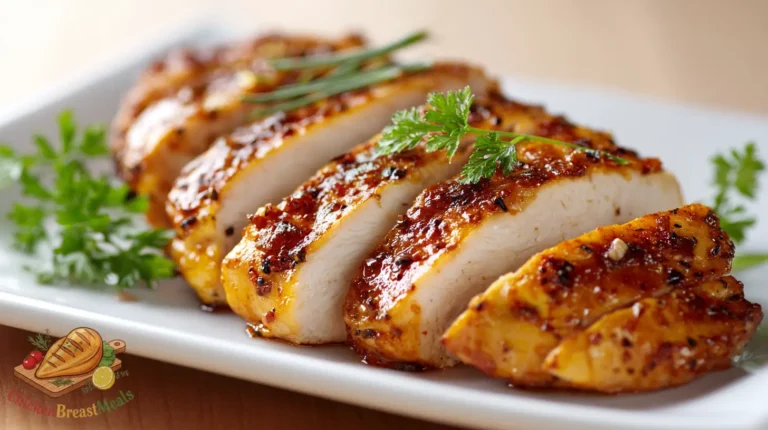
- Serve: Slice chicken against the grain and serve with additional fresh pesto if desired. Garnish with cherry tomatoes, fresh mozzarella, and basil leaves for a complete presentation.
| Chicken Breast Thickness | Searing Time Per Side | Oven Baking Time | Total Cooking Time |
|---|---|---|---|
| Thin (½ inch) | 2 minutes | 8-10 minutes | 12-14 minutes |
| Medium (1 inch) | 2-3 minutes | 12-15 minutes | 16-21 minutes |
| Thick (1½ inches) | 3 minutes | 15-18 minutes | 21-24 minutes |
Pro-Tips for Perfect Results
- Chicken Thickness Standardization: If your chicken breasts have an uneven thickness, use the butterfly technique or gentle pounding with a meat mallet between plastic wrap to create uniform thickness for even cooking.
- Pine Nut Enhancement: Toast pine nuts in a dry skillet over medium heat for 3-5 minutes until golden brown before adding to pesto. This develops a deeper, nuttier flavor through Maillard reaction without requiring additional fat.
- Pesto Application Technique: Apply pesto in two stages for maximum flavor impact. Use a thin layer before searing to create a flavor foundation, then apply the remaining pesto before baking for a fresh, vibrant top layer.
- Room Temperature Rule: Always allow chicken to rest at room temperature for 20-30 minutes before cooking. This reduces the thermal gradient between the exterior and interior, resulting in more even cooking and better moisture retention.
- Acid Balance: If using store-bought pesto, which often lacks acidity, add a small squeeze of fresh lemon juice to brighten flavors and help tenderize the chicken proteins.
- Thermal Management: For optimal results, preheat your baking dish or skillet in the oven before adding the chicken. This creates immediate heat contact and prevents the cold metal from lowering your cooking temperature temporarily.
- Oil Quality Impact: The quality of olive oil used in both the pesto and searing process significantly affects flavor. Use extra virgin olive oil with a low free fatty acid content (below 0.5%) for best results and flavor stability at high temperatures.
Storage and Reheating
Refrigeration
Store cooled pesto chicken in an airtight container in the refrigerator for up to 3 days. The acidity in the pesto helps preserve the chicken slightly longer than plain cooked chicken, but quality degrades after 72 hours due to oxidation of the basil compounds and fats.
Freezing
This dish can be frozen for up to 2 months. Wrap individual portions in plastic wrap, then aluminum foil, and place in a freezer-safe container to prevent freezer burn. The high oil content in the pesto creates a protective layer that helps minimize texture degradation during freezing.
Reheating Protocol
For optimal texture preservation when reheating:
- Thaw frozen chicken overnight in the refrigerator.
- Reheat in a 300°F (149°C) oven, covered with foil, for 15-20 minutes until the internal temperature reaches 145°F (63°C).
- Alternative microwave method: Use 50% power in 30-second intervals until warmed through to avoid protein toughening.
- Add 1-2 teaspoons of water or chicken broth to the container when reheating to create steam and prevent drying.
Related Recipes to Try
- Oven Baked Caprese Chicken Breast – This Mediterranean-inspired dish shares similar flavor profiles with our pesto chicken but incorporates fresh mozzarella, tomatoes, and a balsamic reduction for a different twist.
- Oven Baked Lemon Chicken Breast with Garlic and Herbs – If you enjoy the herbal notes in pesto chicken, this citrus-forward variation offers a lighter alternative with similar moisture-preservation techniques.
- Pesto Chicken Pasta – Transform leftover pesto chicken into a complete meal by slicing it and tossing with hot pasta, cherry tomatoes, and additional pesto.
- Pesto Chicken Wraps – Utilize cooled pesto chicken in a lunch wrap with fresh greens, roasted red peppers, and a touch of balsamic glaze.
- Mediterranean Pesto Chicken Salad – Create a protein-rich salad by combining diced pesto chicken with cucumber, feta cheese, kalamata olives, and a simple lemon vinaigrette.
FAQs About Oven Baked Pesto Chicken Breast
Can I use bone-in chicken breasts for this recipe?
Yes, bone-in chicken breasts can be used, but the cooking time will need to be extended by approximately 10-15 minutes. The internal temperature check becomes even more critical with bone-in cuts, as the meat near the bone cooks more slowly. Ensure the thermometer doesn’t touch the bone during temperature reading to avoid false high readings.
What can I substitute for pine nuts in the pesto if I have allergy concerns?
For pine nut allergies, substitute with walnuts, almonds, or pepitas (pumpkin seeds) in equal amounts. Each alternative provides different flavor profiles: walnuts offer earthiness, almonds provide subtle sweetness, and pepitas contribute a lighter nutty character. Toast any substitute before processing for enhanced flavor.
How can I prevent the pesto from burning in the oven?
To prevent pesto from burning, apply it only after searing the chicken, and consider mixing the top layer with a small amount (1-2 teaspoons) of additional olive oil to increase moisture content. You can also tent the chicken with foil for the first half of the baking time, removing it for the final minutes to allow for some controlled browning.
Why is my pesto turning dark after baking?
Pesto darkening occurs due to oxidation of the basil and enzymatic browning. To minimize this, add the lemon juice specified in the recipe (the acidity slows oxidation), and ensure your pesto layer isn’t too thin. The darkening is primarily cosmetic and doesn’t significantly affect flavor.
Can I make this recipe with frozen chicken breasts?
Using frozen chicken breasts is possible but not ideal. If necessary, thaw completely in the refrigerator before cooking to ensure even cooking and proper searing. Never cook partially thawed chicken as it leads to uneven cooking with potentially unsafe areas and poor texture.
Is homemade pesto significantly better than store-bought for this recipe?
Homemade pesto offers fresher flavor, customizable texture, and typically higher basil-to-oil ratio than most commercial options. However, high-quality store-bought pestos (particularly refrigerated varieties from specialty stores) can yield excellent results when enhanced with fresh lemon juice and additional grated Parmesan before application.
Conclusion
Oven baked pesto chicken breast represents the ideal intersection of technique and flavor science. By understanding the protective properties of oil-based coatings and the precise thermal requirements of chicken breast tissue, this recipe transforms a potentially mundane protein into a vibrant, moisture-rich culinary experience.
The technical approach of dual-stage cooking—initial searing followed by controlled oven finishing—ensures optimal protein coagulation without moisture loss. Equally important is the chemical interaction between the pesto’s compounds and the chicken proteins, where the mild acids and oils create a flavor-transfer mechanism that penetrates beyond surface level.
For those seeking to expand their chicken breast repertoire with reliable, science-backed methods, this pesto variation demonstrates how strategic ingredient application can fundamentally alter cooking dynamics. The techniques employed here—from temperature management to ingredient preparation—create a systematic approach to chicken breast cookery that can be applied to countless variations while maintaining consistent quality results.
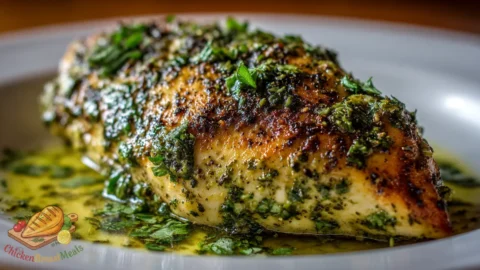
Oven Baked Pesto Chicken Breast

Ingredients
- 2 boneless, skinless chicken breasts (8-10 oz each)
- 1/2 teaspoon kosher salt
- 1/4 teaspoon freshly ground black pepper
- 1 tablespoon olive oil for searing
- 1/2 cup pesto homemade or store-bought
- 2 cups fresh basil leaves packed (for homemade pesto)
- 1/2 cup freshly grated Parmesan-Reggiano cheese for homemade pesto
- 1/3 cup pine nuts preferably toasted (for homemade pesto)
- 3 medium garlic cloves peeled (for homemade pesto)
- 1/2 cup extra virgin olive oil for homemade pesto
- 1 tablespoon fresh lemon juice for homemade pesto
- 1/4 teaspoon kosher salt for homemade pesto
Method
- Preheat your oven to 425°F (218°C). Remove chicken breasts from refrigerator 20-30 minutes before cooking to bring to room temperature.
- Pat chicken dry with paper towels. Season both sides with salt and pepper.
- If making homemade pesto: In a food processor, combine basil, Parmesan, pine nuts, and garlic. Pulse until coarsely chopped. With the processor running, slowly add olive oil in a steady stream until smooth. Add lemon juice and salt, pulse to combine.
- Heat olive oil in an oven-safe skillet over medium-high heat. Once oil is shimmering, add chicken breasts and sear for 2-3 minutes on each side until golden brown.
- Remove skillet from heat. Generously coat the top side of each chicken breast with 2-3 tablespoons of pesto, spreading it evenly.
- Transfer the skillet to the preheated oven and bake for 12-15 minutes, depending on thickness. Do not flip the chicken during baking.
- Check that the chicken is done when an instant-read thermometer inserted into the thickest part registers 163°F (73°C).
- Remove from oven and loosely cover with foil. Allow to rest for 5 minutes to redistribute juices.
- Slice chicken against the grain and serve with additional fresh pesto if desired.
Note
- For even cooking, ensure chicken breasts are uniform in thickness by butterflying or gentle pounding.
- Toast pine nuts before adding to pesto for enhanced flavor.
- Apply pesto in two stages for maximum flavor: a thin layer before searing and the remaining before baking.
- Always use an instant-read thermometer to ensure chicken reaches the proper temperature without overcooking.
- If using store-bought pesto, add a squeeze of fresh lemon juice to brighten the flavor.