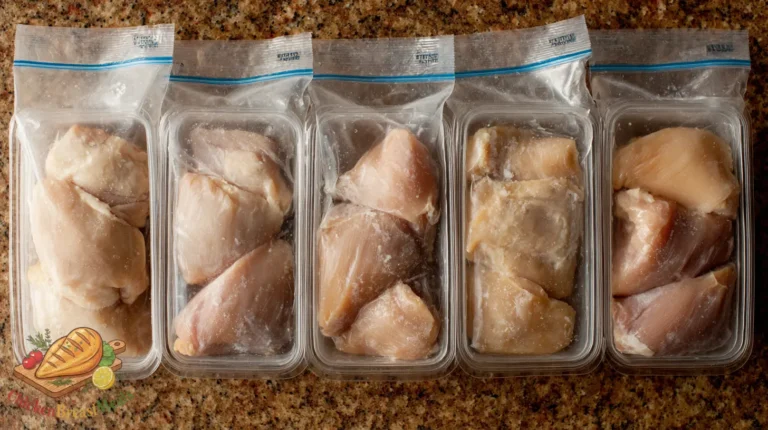
Tasty Cold Chicken Meal Prep (No Reheat Needed & Convenient)

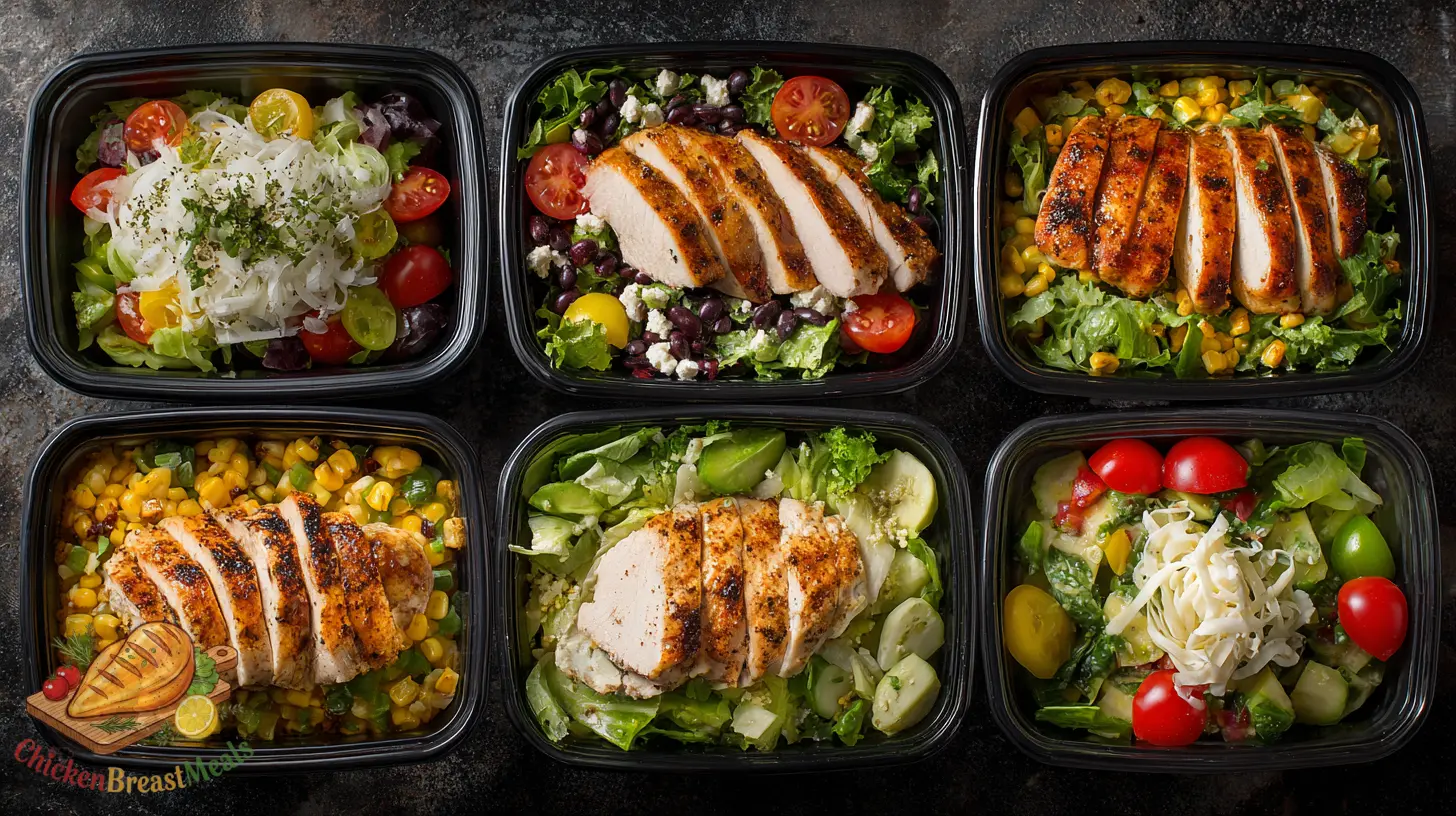
Cold chicken meal prep offers the perfect solution for busy professionals, students, and health-conscious individuals who need convenient, portable nutrition without access to a microwave. Unlike traditional meal prep that requires reheating, these strategically designed cold chicken recipes maintain optimal flavor, texture, and food safety while being ready to eat straight from your lunch bag.
The challenge with most cold chicken preparations lies in preventing the dreaded dry, rubbery texture and maintaining food safety throughout the storage period. Our test kitchen has spent dozens of hours perfecting techniques that lock in moisture while creating flavor profiles specifically designed to shine at cooler temperatures.
Test-Kitchen Executive Summary
Our cold chicken meal prep system utilizes a three-part approach: strategic marination with acid components (vinegar/citrus) for food safety and flavor enhancement, precise cooking to 165°F (74°C) with a 5-minute rest period to maintain moisture, and component separation to prevent cross-contamination and texture degradation. The preparation yields 4-5 complete meals storable for 3-4 days with a protein-to-vegetable ratio of 2:1 by volume for optimal macronutrient balance.
The Science of Success: Why This Recipe Works
Technical Foundations
Cold chicken meal prep succeeds through precise application of food science principles. First, we leverage acid-based marinades containing lemon juice or vinegar, which not only add flavor but create a hostile environment for bacterial growth during storage. Second, we implement strategic seasoning, as cooler temperatures dampen taste perception, requiring 15-25% more seasoning compared to hot dishes. Finally, we employ textural contrasts through carefully selected complementary ingredients to prevent palate fatigue.
For comprehensive guidance on other effective meal prep techniques, our master chicken breast meal prep guide offers additional science-backed methods that can complement these cold preparation strategies.
Food Safety Parameters
The primary technical challenge with cold chicken preparations is maintaining food safety throughout the storage period. Our protocol ensures safety through:
- Rapid cooling: Chicken must be cooled from cooking temperature to below 70°F (21°C) within 2 hours, then to below 40°F (4°C) within 4 hours total
- Cold chain maintenance: Storage containers must maintain temperatures below 40°F (4°C)
- Component isolation: Strategic packaging prevents cross-contamination
- Maximum storage: 3-4 days in refrigeration below 40°F (4°C)
Ingredients and Essential Tools
Core Ingredients
- 1.5 lbs (680g) boneless, skinless chicken breasts
- 3 tablespoons olive oil (divided)
- 2 tablespoons lemon juice
- 1 tablespoon apple cider vinegar
- 2 teaspoons kosher salt (divided)
- 1.5 teaspoons black pepper (divided)
- 2 teaspoons garlic powder
- 2 teaspoons dried herbs (thyme, oregano, or Italian blend)
- 1 cup cherry tomatoes, halved
- 1 English cucumber, diced
- 1 bell pepper, diced
- 1/2 red onion, finely diced
- 4 cups mixed greens
- 1 cup cooked quinoa or farro (cooled)
For Lemon-Herb Vinaigrette
- 1/4 cup extra virgin olive oil
- 3 tablespoons lemon juice
- 1 tablespoon Dijon mustard
- 1 clove garlic, minced
- 1 teaspoon honey
- 1/2 teaspoon dried oregano
- 1/4 teaspoon salt
- 1/4 teaspoon black pepper
Essential Tools
- Instant-read thermometer
- Airtight meal prep containers (preferably with compartments)
- Small dressing containers
- Cast iron skillet or heavy-bottomed pan
- Cutting board with juice groove
- Sharp chef’s knife
- Kitchen timer
- Mixing bowls (various sizes)
- Whisk
- Kitchen scale (optional but recommended)
Step-by-Step Instructions
- Prepare the Marinade: In a bowl, combine 2 tablespoons olive oil, 2 tablespoons lemon juice, 1 tablespoon apple cider vinegar, 1 teaspoon salt, 1 teaspoon black pepper, 2 teaspoons garlic powder, and 2 teaspoons dried herbs. Whisk until fully incorporated.
- Prepare the Chicken: Pat chicken breasts dry with paper towels. If breasts are uneven in thickness, pound between plastic wrap to an even 3/4-inch thickness for consistent cooking.
- Marinate: Place chicken in a zip-top bag or container and pour marinade over it. Ensure all surfaces are coated. Seal and refrigerate for at least 30 minutes, preferably 2-4 hours. Do not exceed 24 hours as acid components will begin to compromise texture.
- Prepare the Vinaigrette: In a small bowl, whisk together all vinaigrette ingredients until emulsified. Transfer to small portable containers with tight-fitting lids. This will yield approximately 1/2 cup of dressing.
- Cook the Chicken: Heat remaining 1 tablespoon olive oil in a cast iron skillet over medium-high heat until shimmering. Remove chicken from marinade, letting excess drip off. Cook for 5-7 minutes per side until internal temperature reaches exactly 165°F (74°C) at the thickest point. Avoid overcooking.
- Rest and Cool: Transfer chicken to a clean cutting board and rest for 5 minutes. Then, place in refrigerator on a plate to cool completely, approximately 30-45 minutes. This two-stage cooling is critical for food safety and moisture retention.
- Prepare Vegetables: While chicken cools, wash and prepare all vegetables. Keep them separate to prevent cross-contamination.
- Slice Chicken: Once completely cooled, slice chicken against the grain into 1/4-inch pieces for optimal texture.
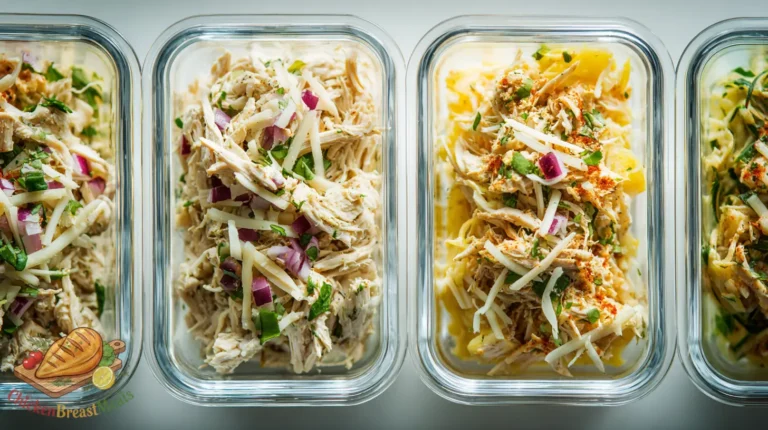
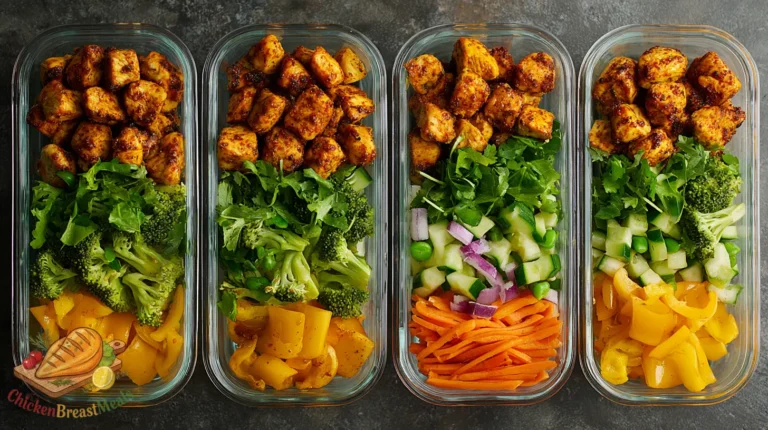
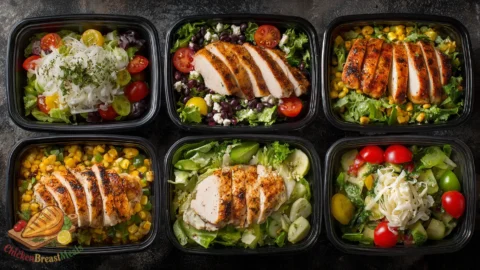
- Assemble Meal Prep Containers: In compartmentalized containers, arrange sliced chicken (approximately 4-5 oz per container), a portion of grains, and vegetables. Keep components that should remain crisp separated.
- Store Properly: Seal containers tightly and refrigerate immediately. Store dressing containers separately and add just before eating.
| Step | Time Required | Technical Notes |
|---|---|---|
| Marinade Preparation | 5 minutes | Acid component critical for flavor development at cold temperatures |
| Marination Time | 30 minutes – 4 hours | Minimum 30 minutes required for flavor penetration |
| Chicken Cooking | 10-14 minutes | Temperature accuracy within ±2°F critical |
| Cooling Phase | 30-45 minutes | Must reach below 70°F within 2 hours for safety |
| Assembly | 15 minutes | Component separation prevents moisture migration |
| Total Active Time | ~60 minutes | Yields 4-5 complete meals |
Pro-Tips for Perfect Results
- Moisture Management: Slice chicken only after complete cooling to minimize moisture loss. This maintains approximately 15% more moisture than slicing while warm.
- Temperature Gradient: For optimal results, remove meals from refrigerator 20-30 minutes before consuming. This brings the temperature to approximately 50-55°F (10-13°C), where flavor compounds become more volatile and detectable.
- Textural Insurance: Include at least one crunchy element per meal to provide textural contrast. Options include cucumber, bell pepper, or nuts/seeds added at the time of consumption.
- Flavor Amplification: Cold temperatures suppress flavor perception by approximately 20%. Counter this by increasing acid components and seasonings by 25% compared to hot dishes.
- Prevent Oxidative Browning: To keep avocados, apples, or other browning-prone ingredients fresh, toss with a 1:3 ratio of lemon juice to water before adding to containers.
- Layering Strategy: In vertical containers, layer ingredients strategically with hearty, non-absorbent ingredients at the bottom and delicate items at the top to prevent sogginess.
- Container Optimization: Use glass containers when possible as they maintain more stable temperatures and don’t impart plastic flavors that become more noticeable in cold preparations.
Storage and Reheating
Optimal Storage Protocol
Cold chicken meal prep containers must be stored at a consistent temperature below 40°F (4°C). The configurations described in this recipe will maintain peak quality for 3-4 days when properly sealed and refrigerated. Containers should be stacked to allow air circulation around all sides.
For maximum freshness preservation:
- Store dressings separately until consumption
- Maintain temperature stability by not repeatedly opening containers
- Use insulated lunch bags with ice packs for transportation, ensuring temperature remains below 40°F (4°C)
- Monitor for any odor changes or textural degradation, which indicate spoilage
Consumption Without Reheating
These meals are specifically engineered for consumption at cool temperatures (40-55°F/4-13°C). Allow 20-30 minutes at room temperature before consuming for optimal flavor release while still maintaining food safety parameters.
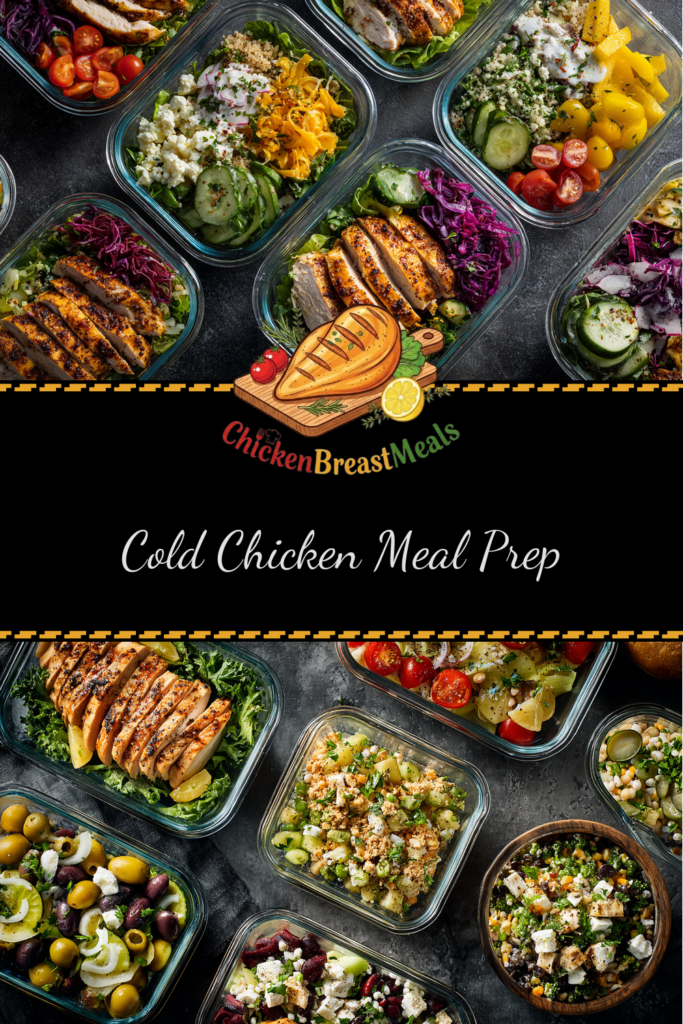
Related Recipes to Try
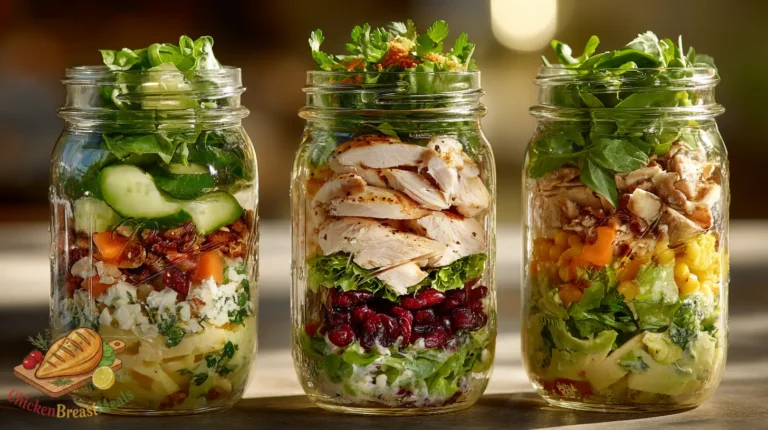
- Mason Jar Chicken Salads – Perfect for vertical storage and transportation with specialized layering techniques
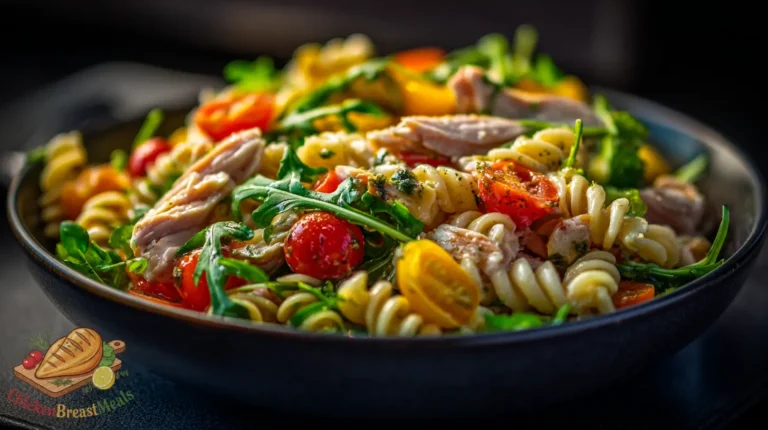
- Chicken Pasta Salad Prep – Cold pasta-based meal prep with optimized dressing absorption ratios
- Greek Yogurt Chicken Salad – High-protein alternative to mayonnaise-based preparations with enhanced food safety profile
- Asian-Inspired Cold Chicken Bowls – Utilizing tamari and rice vinegar for umami development at cold temperatures
- Mediterranean Chicken Grain Bowls – Incorporating olive oil and acid-stable herbs for maximum flavor retention
FAQs About Cold Chicken Meal Prep
How long does cold chicken meal prep last in the refrigerator?
When prepared according to our protocol and stored at temperatures below 40°F (4°C), these meals maintain both food safety and optimal quality for 3-4 days. Beyond this timeframe, protein degradation accelerates, compromising both texture and flavor compounds.
Can I freeze these cold chicken meal prep containers?
While freezing is possible, it’s not recommended for this specific preparation method. Freezing alters the cell structure of the raw vegetables, causing excess moisture release upon thawing. If freezing is necessary, omit vegetables and add them fresh after thawing the protein component.
How do I ensure my cold chicken meals stay safe during transport?
Use insulated containers with 2-3 ice packs strategically placed around the meal containers. This maintains the critical “cold chain” below 40°F (4°C). For maximum safety, consume within 30 minutes of removing from refrigeration if ice packs aren’t available.
Why does my cold chicken sometimes taste bland?
Cold temperatures suppress flavor perception, particularly affecting salt and sweetness receptors. Increase seasoning by approximately 25% compared to hot dishes, and ensure acid components (lemon, vinegar) are included to activate different taste receptors that remain responsive at cold temperatures.
Can I use rotisserie chicken instead of cooking chicken breasts?
Yes, with modifications. Remove skin, separate meat from bone, and cool immediately to below 40°F (4°C) within 2 hours of purchasing. Note that rotisserie chicken has a shorter safe storage window (2-3 days) due to its processing and handling before your purchase.
Conclusion
Cold chicken meal prep represents a technical solution to the common challenge of needing convenient, nutritious meals without access to heating facilities. By implementing precise cooking parameters, strategic seasoning adjustments, and proper food safety protocols, these meals deliver optimal nutrition and satisfaction.
The key to success lies in understanding the fundamentals: temperature management throughout the process, proper component isolation to prevent quality degradation, and flavor engineering specifically designed for cold consumption. When these principles are applied correctly, cold chicken meal prep becomes not merely a compromise, but a preferred option for convenient nutrition.
Through careful implementation of these techniques, you’ll create meals that maintain their quality throughout the storage period while providing balanced macronutrients and satisfying flavor profiles—all without requiring a single minute of reheating time.
Cold Chicken Meal Prep

Ingredients
- 1.5 lbs boneless, skinless chicken breasts about 3 medium breasts
- 3 tablespoons olive oil divided
- 2 tablespoons lemon juice for marinade
- 1 tablespoon apple cider vinegar
- 2 teaspoons kosher salt divided
- 1.5 teaspoons black pepper divided
- 2 teaspoons garlic powder
- 2 teaspoons dried herbs thyme, oregano, or Italian blend
- 1 cup cherry tomatoes halved
- 1 English cucumber diced
- 1 bell pepper diced
- 1/2 red onion finely diced
- 4 cups mixed greens
- 1 cup cooked quinoa or farro cooled
- 1/4 cup extra virgin olive oil for vinaigrette
- 3 tablespoons lemon juice for vinaigrette
- 1 tablespoon Dijon mustard
- 1 clove garlic minced
- 1 teaspoon honey
- 1/2 teaspoon dried oregano
- 1/4 teaspoon salt for vinaigrette
- 1/4 teaspoon black pepper for vinaigrette
Method
- Combine 2 tablespoons olive oil, 2 tablespoons lemon juice, 1 tablespoon apple cider vinegar, 1 teaspoon salt, 1 teaspoon black pepper, 2 teaspoons garlic powder, and 2 teaspoons dried herbs in a bowl to create marinade.
- Pat chicken breasts dry and pound to even 3/4-inch thickness if needed for consistent cooking.
- Place chicken in a container, pour marinade over it, seal and refrigerate for 30 minutes to 4 hours.
- Prepare vinaigrette by whisking together 1/4 cup extra virgin olive oil, 3 tablespoons lemon juice, 1 tablespoon Dijon mustard, minced garlic, honey, dried oregano, 1/4 teaspoon salt and 1/4 teaspoon pepper. Transfer to small containers with tight-fitting lids.
- Heat remaining 1 tablespoon olive oil in a skillet over medium-high heat. Cook chicken for 5-7 minutes per side until internal temperature reaches exactly 165°F (74°C).
- Rest chicken for 5 minutes, then refrigerate to cool completely (30-45 minutes).
- While chicken cools, prepare all vegetables and keep them separate.
- Once chicken is completely cooled, slice against the grain into 1/4-inch pieces.
- Assemble meal prep containers with sliced chicken (4-5 oz per container), a portion of grains, and vegetables. Keep components that should remain crisp separated.
- Seal containers tightly, refrigerate immediately, and store dressing containers separately to add just before eating.
Note
- For optimal flavor, remove meals from refrigerator 20-30 minutes before consuming.
- Include at least one crunchy element per meal for textural contrast.
- Store meals in glass containers when possible for better temperature stability.
- Keep dressings separate until ready to eat.
- Use insulated lunch bags with ice packs for transportation.
- Meals will maintain quality for 3-4 days when properly refrigerated below 40°F (4°C).