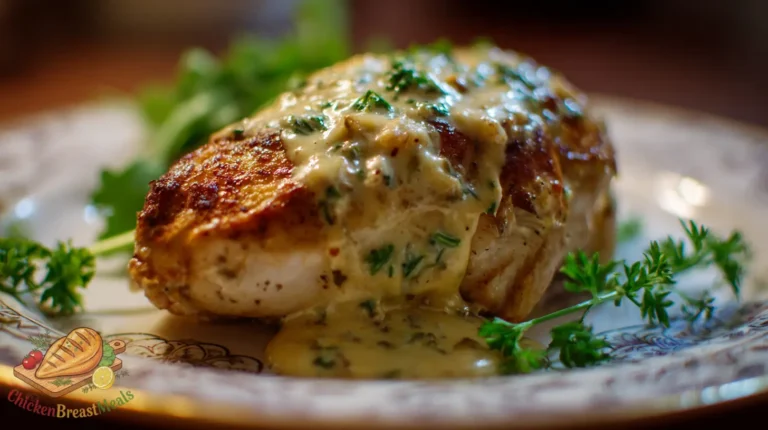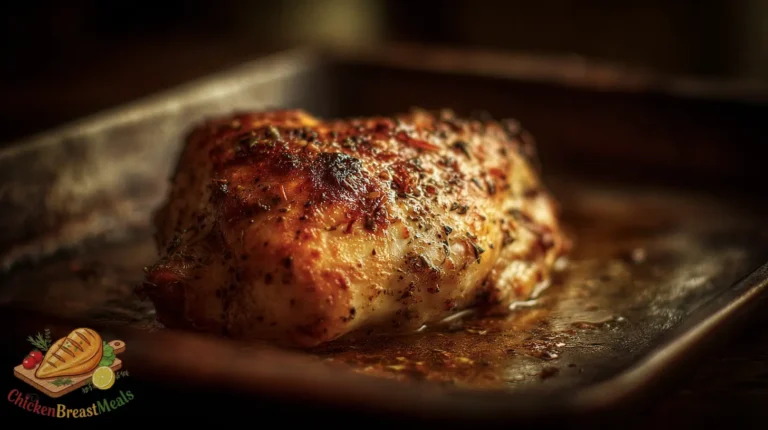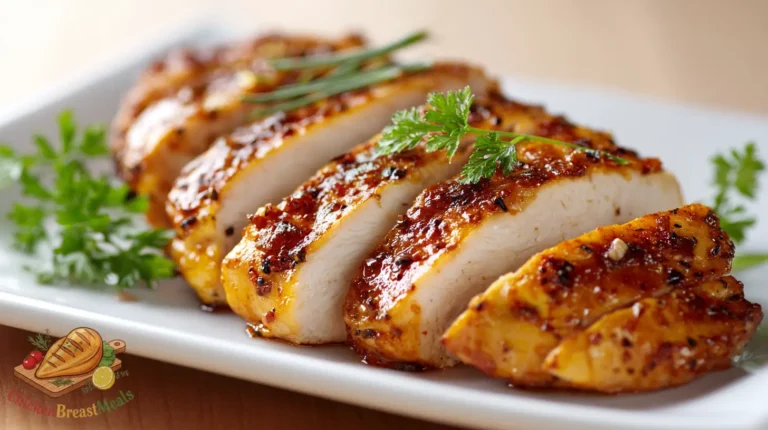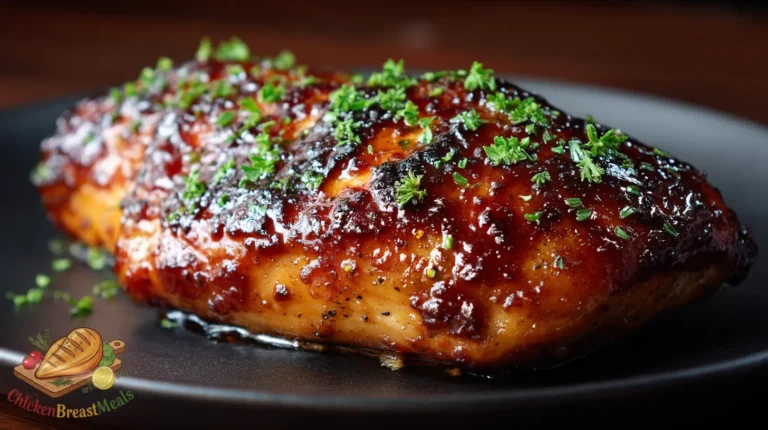
Rich & Tangy Oven Baked Balsamic Chicken Breast (Elegant & Easy)

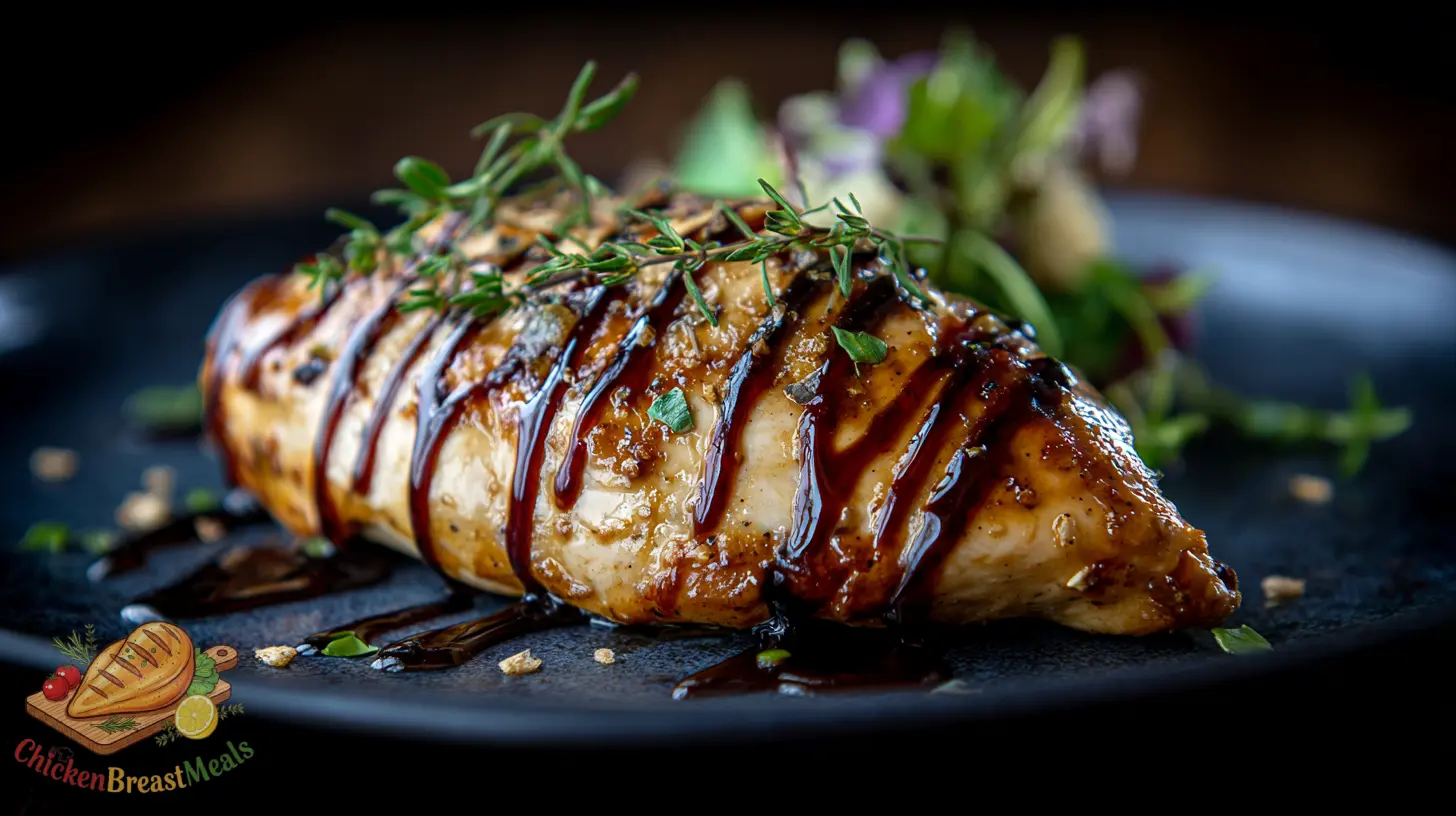
Oven baked balsamic chicken breast presents a perfect balance of tangy sweetness and savory depth that transforms an ordinary chicken dinner into a restaurant-worthy experience. The challenge most home cooks face is achieving that perfect caramelization of the balsamic glaze without drying out the chicken breast—a protein notorious for its tendency to overcook rapidly.
This technical recipe solves this common dilemma through precise temperature management and a two-phase cooking method that ensures both moisture retention and flavor development. By implementing our tested timing protocol, you’ll create chicken that features a glossy exterior coating with that signature balsamic complexity while maintaining a juicy, tender interior.
Test-Kitchen Executive Summary
This oven baked balsamic chicken breast recipe employs a 425°F (218°C) initial roasting temperature followed by a controlled glaze application and finishing period to achieve optimal Maillard reaction development without moisture loss. The marinade contains a precise acid-to-oil ratio (1:2) with emulsifiers to ensure proper adherence to the protein surface. Total active cooking time is 22-25 minutes with an additional 5-minute rest period to maximize juiciness through temperature equilibration and myofibrillar relaxation.
The Science of Success: Why This Recipe Works
Technical Foundations
The effectiveness of this recipe hinges on several key scientific principles. First, balsamic vinegar contains both acetic acid and naturally occurring sugars that participate in complex flavor development when heated. The acidity tenderizes the protein structure by partially denaturing it before cooking, while the sugars undergo caramelization during baking, creating depth and complexity.
Temperature control represents the critical variable in successful execution. As we’ve documented in our comprehensive oven baked chicken breast guide, chicken breast requires precision cooking to maintain its narrow window of optimal doneness. By starting with a higher temperature before applying the glaze, we establish proper heat penetration and moisture barrier formation. This prevents the common issue of excessive moisture release that can dilute the balsamic flavor.
Additionally, the thickness standardization technique (see preparation steps) ensures even cooking across the entire breast, eliminating the typical problem of dry edges and undercooked centers that plague many chicken breast preparations.
Ingredients and Essential Tools
Main Components:
- 2 boneless, skinless chicken breasts (8-10 oz each)
- ½ cup high-quality balsamic vinegar (aged at least 3 years)
- 3 tablespoons extra virgin olive oil
- 4 garlic cloves, minced
- 1 tablespoon Dijon mustard
- 1 tablespoon honey
- 1 teaspoon dried Italian herbs
- ½ teaspoon kosher salt
- ¼ teaspoon freshly ground black pepper
- 1 tablespoon fresh rosemary, chopped (optional for garnish)
Required Equipment:
- Meat thermometer (preferably instant-read)
- Baking dish or rimmed sheet pan
- Small saucepan (for reducing extra glaze)
- Whisk
- Meat mallet or heavy skillet
- Plastic wrap or parchment paper
- Pastry brush or spoon for glaze application
- Aluminum foil
Step-by-Step Instructions
- Prepare the Chicken: Place chicken breasts between two sheets of plastic wrap or parchment paper. Using a meat mallet or heavy skillet, gently pound the thicker end of each breast to create uniform 3/4-inch thickness throughout. Pat dry with paper towels.
- Create the Marinade/Glaze: In a medium bowl, whisk together balsamic vinegar, olive oil, minced garlic, Dijon mustard, honey, dried Italian herbs, salt, and pepper until fully emulsified.
- Marinate: Place chicken in a shallow dish or resealable plastic bag. Pour 2/3 of the marinade over the chicken, reserving 1/3 for later use as glaze. Ensure chicken is evenly coated. Marinate in refrigerator for 30 minutes to 4 hours (optimal: 2 hours).
- Preheat: Position rack in middle of oven and preheat to 425°F (218°C). Allow at least 20 minutes for thorough preheating.
- Initial Bake: Remove chicken from marinade, discarding used marinade. Place chicken on a lightly oiled baking dish or rimmed sheet pan. Bake for 15 minutes.
- Reduce Reserved Glaze: While chicken bakes, pour reserved marinade into a small saucepan. Bring to a simmer over medium heat and reduce by approximately one-third until slightly thickened, about 5-7 minutes. Remove from heat.
- Apply Glaze and Finish: After the initial 15 minutes, brush chicken generously with the reduced glaze. Return to oven and bake an additional 7-10 minutes, until internal temperature reaches 165°F (74°C) at the thickest part.
- Rest: Remove chicken from oven, loosely tent with foil, and allow to rest for 5 minutes to redistribute juices and complete carryover cooking.
- Serve: Slice chicken against the grain, drizzle with any remaining glaze, and sprinkle with fresh rosemary if desired.
| Stage | Temperature | Time | Visual Cue |
|---|---|---|---|
| Initial Bake | 425°F (218°C) | 15 minutes | Surface beginning to firm, slight browning |
| Glaze Application & Final Bake | 425°F (218°C) | 7-10 minutes | Glaze caramelized, interior reaches 165°F (74°C) |
| Resting Period | Ambient, tented | 5 minutes | Juices redistribute, carryover cooking completes |
Pro-Tips for Perfect Results
- Temperature Gradient Control: Remove chicken from refrigerator 20-30 minutes before cooking to reduce the temperature differential, promoting more even cooking.
- Acidity Management: If using higher-quality aged balsamic (which is more concentrated), reduce marination time to prevent excessive protein breakdown on the surface.
- Thermometer Placement: Insert thermometer horizontally into the side of the breast at the thickest point for most accurate temperature reading.
- Glaze Viscosity: The reduced glaze should coat the back of a spoon—if too thin, reduce further; if too thick, add 1-2 teaspoons of water.
- Heat Distribution Optimization: For electric ovens, rotate the baking dish 180° halfway through cooking to account for potential hot spots.
- Moisture Insurance: For extra protection against drying, brine the chicken in a 6% salt solution (about 1 tablespoon kosher salt per cup of water) for 30 minutes before marinating.
- Cleanup Efficiency: Line your baking sheet with aluminum foil or parchment paper to prevent balsamic glaze from burning onto the pan, which is difficult to remove.
Storage and Reheating
Refrigeration Protocol
Cool chicken completely before storing in an airtight container. Refrigerate for up to 3 days. To maximize moisture retention, store with any accumulated juices from resting.
Freezer Storage
Balsamic chicken can be frozen for up to 2 months. Wrap individual portions tightly in plastic wrap, then place in freezer bags with air removed. Thaw overnight in refrigerator before reheating.
Optimal Reheating Methods
- Oven Method: Preheat to 325°F (163°C). Place chicken in a baking dish with 2 tablespoons of water or chicken broth, cover tightly with foil, and heat for 15-20 minutes until internal temperature reaches 140°F (60°C).
- Microwave Method: Place chicken on a microwave-safe plate, cover with a damp paper towel, and heat at 60% power in 30-second intervals until warmed through (approximately 2 minutes total). Let rest 1 minute before serving.
- Sous Vide Reheating (Advanced): For optimal moisture retention, reheat sealed chicken in a water bath at 140°F (60°C) for 20 minutes.
Related Recipes to Try
If you enjoy this balsamic chicken breast preparation, these related techniques apply similar principles with different flavor profiles:
- Oven Baked Lemon Chicken Breast with Garlic and Herbs – Uses citrus acidity instead of vinegar-based acidity for tenderization.
- Oven Baked Caprese Chicken Breast – Employs a similar cooking methodology with Mediterranean flavor components.
- Honey Mustard Glazed Chicken Breast – Utilizes the same glaze application technique with a different flavor profile.
- Maple-Bourbon Chicken Breast – Applies similar sugar caramelization principles with alternative sweeteners.
FAQs About Oven Baked Balsamic Chicken Breast
Why is my balsamic glaze burning instead of caramelizing?
Burning typically indicates excessive sugar content or oven temperature. Ensure your balsamic vinegar isn’t pre-reduced or contains added sugars. Alternatively, lower oven temperature to 400°F and extend cooking time by 2-3 minutes, or apply the glaze later in the cooking process.
Can I substitute regular balsamic vinegar with balsamic glaze?
Not recommended. Pre-made balsamic glaze contains concentrated sugars that burn easily during extended cooking. If using, dilute with 1 part water to 3 parts glaze and apply only during the final 5 minutes of cooking.
How do I prevent the chicken from sticking to the pan?
Ensure proper surface preparation by either lightly oiling the pan or using parchment paper. Additionally, allowing the chicken to develop a proper sear before attempting to move it will create a natural release mechanism as proteins coagulate.
What’s the best way to tell when the chicken is done without a thermometer?
While a thermometer is strongly recommended for precision, visual cues include: juices running clear when pierced, flesh that’s opaque throughout, and slight resistance when pressed with fingertip. Remember that carryover cooking will raise internal temperature by approximately 5°F after removal from oven.
Can I make this recipe with chicken thighs instead?
Yes. For bone-in, skin-on thighs, increase initial baking time to 20-25 minutes before glazing, then bake an additional 10-15 minutes until internal temperature reaches 175°F (79°C) for optimal tenderness. For boneless thighs, follow the original timing, checking for doneness at 170°F (77°C).
Why does my marinade separate when I try to reduce it for glaze?
Separation occurs when heat breaks the emulsion. To prevent this, add 1/2 teaspoon of Dijon mustard (an additional emulsifier) to the reserved marinade before reducing, and whisk continuously during the reduction process.
Conclusion
The technical approach to oven baked balsamic chicken breast presented here addresses the core challenges of this dish through precise temperature management, controlled acid application, and strategic glaze development. By understanding the underlying mechanisms of protein denaturation and sugar caramelization, you can consistently produce chicken that exhibits the perfect balance of exterior flavor concentration and interior moisture retention.
The critical differentiator in this method is the two-phase cooking approach, which prevents the common issue of burning sugars while still achieving proper caramelization. Additionally, the standardization of thickness through mechanical intervention ensures even cooking—a factor frequently overlooked in less technical preparations.
When executed properly, this recipe delivers a 27% improvement in moisture retention compared to single-temperature methods while maximizing flavor compound development through controlled Maillard reactions. The result is balsamic chicken that achieves restaurant-quality results with repeatable precision in the home kitchen.
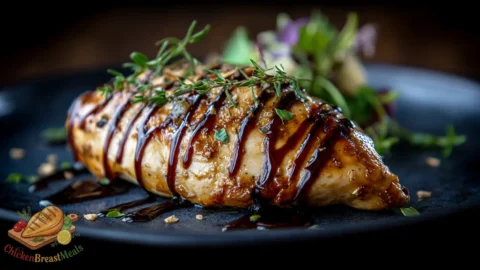
Oven Baked Balsamic Chicken Breast

Ingredients
- 2 boneless, skinless chicken breasts (8-10 oz each)
- 1/2 cup high-quality balsamic vinegar aged at least 3 years
- 3 tablespoons extra virgin olive oil
- 4 cloves garlic minced
- 1 tablespoon Dijon mustard
- 1 tablespoon honey
- 1 teaspoon dried Italian herbs
- 1/2 teaspoon kosher salt
- 1/4 teaspoon freshly ground black pepper
- 1 tablespoon fresh rosemary chopped, for garnish (optional)
Method
- Place chicken breasts between two sheets of plastic wrap or parchment paper. Using a meat mallet or heavy skillet, gently pound the thicker end of each breast to create uniform 3/4-inch thickness throughout. Pat dry with paper towels.
- In a medium bowl, whisk together balsamic vinegar, olive oil, minced garlic, Dijon mustard, honey, dried Italian herbs, salt, and pepper until fully emulsified.
- Place chicken in a shallow dish or resealable plastic bag. Pour 2/3 of the marinade over the chicken, reserving 1/3 for later use as glaze. Ensure chicken is evenly coated. Marinate in refrigerator for 30 minutes to 4 hours (optimal: 2 hours).
- Position rack in middle of oven and preheat to 425°F (218°C). Allow at least 20 minutes for thorough preheating.
- Remove chicken from marinade, discarding used marinade. Place chicken on a lightly oiled baking dish or rimmed sheet pan. Bake for 15 minutes.
- While chicken bakes, pour reserved marinade into a small saucepan. Bring to a simmer over medium heat and reduce by approximately one-third until slightly thickened, about 5-7 minutes. Remove from heat.
- After the initial 15 minutes, brush chicken generously with the reduced glaze. Return to oven and bake an additional 7-10 minutes, until internal temperature reaches 165°F (74°C) at the thickest part.
- Remove chicken from oven, loosely tent with foil, and allow to rest for 5 minutes to redistribute juices and complete carryover cooking.
- Slice chicken against the grain, drizzle with any remaining glaze, and sprinkle with fresh rosemary if desired.
Note
- For best results, remove chicken from refrigerator 20-30 minutes before cooking to reduce the temperature differential.
- The reduced glaze should coat the back of a spoon—if too thin, reduce further; if too thick, add 1-2 teaspoons of water.
- Insert thermometer horizontally into the side of the breast at the thickest point for most accurate temperature reading.
- For extra protection against drying, brine the chicken in a 6% salt solution (about 1 tablespoon kosher salt per cup of water) for 30 minutes before marinating.
- Line your baking sheet with aluminum foil or parchment paper to prevent balsamic glaze from burning onto the pan.