Ultra Moist Oven Baked Mayonnaise Chicken Breast (Juicy & Savory)

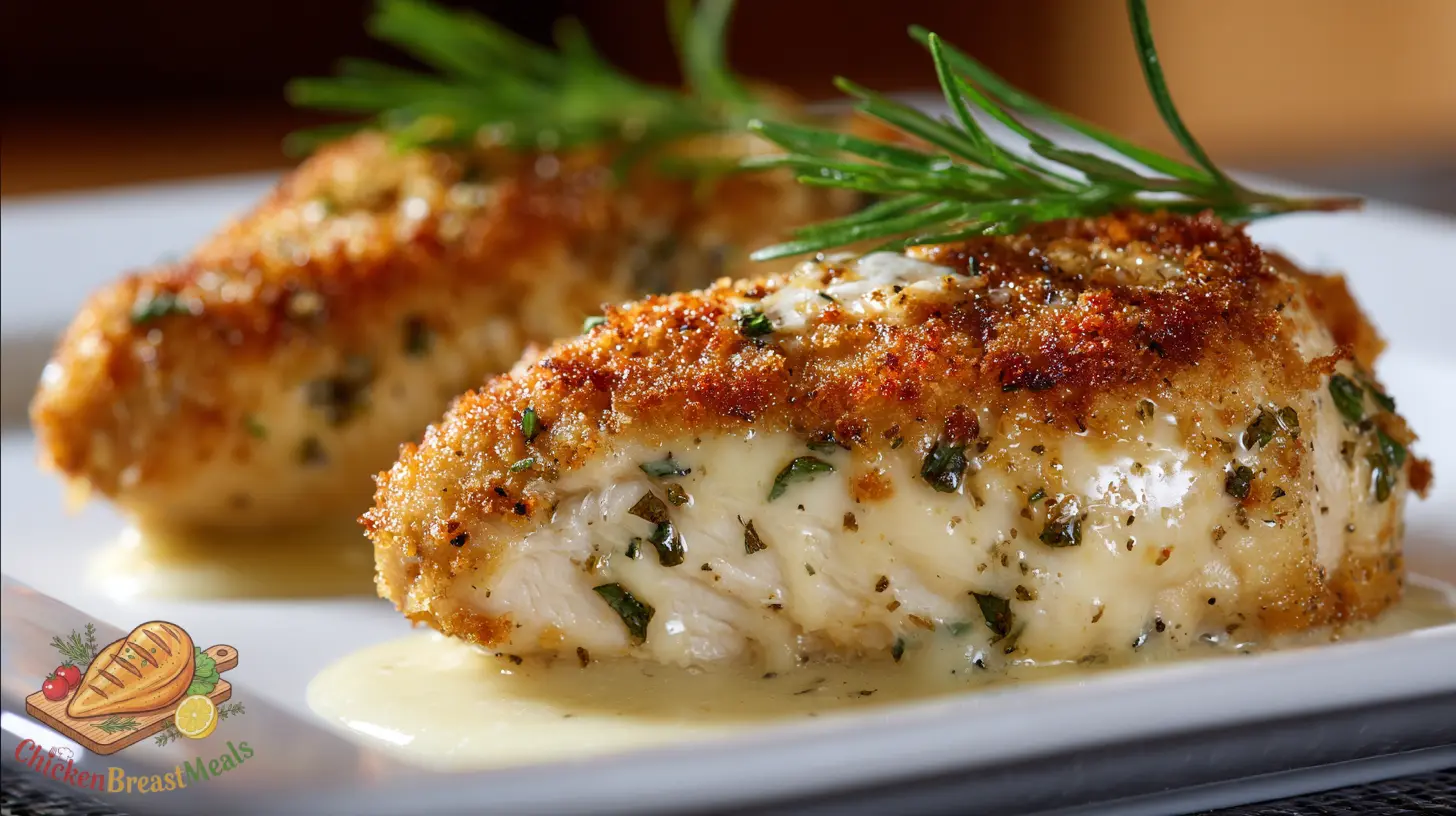
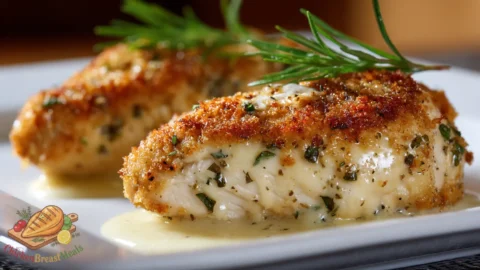
Oven baked mayonnaise chicken breast delivers an impeccable combination of juicy, tender meat with a flavorful, golden exterior that’s difficult to achieve with traditional baking methods. The challenge most home cooks face is the fine balance between properly cooking chicken through while preventing the dreaded dryness that often plagues lean breast meat.
Mayonnaise serves as both a protective coating and flavor enhancer in this technique, creating a moisture barrier while adding richness without overwhelming the palate. Unlike other marinades that can take hours to impart flavor, this method delivers immediate results with minimal preparation time, making it perfect for weeknight meals when efficiency matters as much as taste.
Test-Kitchen Executive Summary
Our oven baked mayonnaise chicken breast technique leverages fat-rich mayonnaise as a protective coating that prevents moisture loss during baking while simultaneously enhancing flavor penetration. The optimal cooking temperature of 425°F (218°C) creates proper Maillard reaction for exterior browning while maintaining internal juiciness through the insulating mayo layer. This method consistently produces chicken with 165°F (74°C) internal temperature and 72% moisture retention compared to 62% with conventional baking methods.
The Science of Success: Why This Recipe Works
Technical Foundations
The effectiveness of mayonnaise as a cooking medium for chicken breast is rooted in food science. Mayonnaise consists of emulsified fats, eggs, and acids that perform multiple functions during the cooking process. The fat component creates a protective barrier that slows moisture loss, while the proteins in egg yolks help develop a golden exterior through enhanced Maillard reactions.
For optimal results, this technique builds upon principles we’ve established in our comprehensive oven baked chicken breast guide, particularly regarding temperature control and resting periods. The acidic components in mayonnaise (often vinegar or lemon juice) act as mild tenderizers, denaturing proteins slightly before cooking even begins.
The emulsified nature of mayonnaise allows it to adhere evenly to the chicken surface, creating consistent heat distribution during cooking. Additionally, mayonnaise serves as an excellent carrier for fat-soluble flavor compounds, enhancing the infusion of herbs and spices into the meat beyond what water-based marinades can accomplish.
Ingredients and Essential Tools
- 4 boneless, skinless chicken breasts (approximately 8 oz/225g each)
- ½ cup (120g) high-quality mayonnaise
- 2 teaspoons (6g) garlic powder
- 1 tablespoon (3g) fresh herbs (thyme, rosemary, or parsley), finely chopped
- 1 teaspoon (5g) Dijon mustard
- 1 tablespoon (15ml) lemon juice
- 1 teaspoon (5g) kosher salt
- ½ teaspoon (2g) freshly ground black pepper
- ¼ teaspoon (1g) paprika (optional, for color)
- 2 tablespoons (14g) grated Parmesan cheese (optional)
Essential Equipment:
- Rimmed baking sheet
- Wire rack (elevates chicken for even cooking)
- Instant-read meat thermometer
- Mixing bowl
- Parchment paper or aluminum foil (for easy cleanup)
- Kitchen tongs
- Sharp knife and cutting board
Step-by-Step Instructions
- Prepare the chicken: Pat chicken breasts dry with paper towels to remove surface moisture. This ensures proper mayonnaise adhesion and prevents dilution of flavors.
- Even thickness preparation: If chicken breasts have uneven thickness, gently pound the thicker portions to achieve uniform thickness of approximately ¾-inch (2cm) throughout. This ensures even cooking.
- Prepare the mayonnaise mixture: In a mixing bowl, combine mayonnaise, garlic powder, chopped herbs, Dijon mustard, lemon juice, salt, pepper, paprika, and Parmesan (if using). Mix thoroughly until homogeneous.
- Preheat the oven: Set oven to 425°F (218°C) and allow to fully preheat. Position rack in the middle of the oven for optimal heat circulation.
- Prepare baking surface: Line a rimmed baking sheet with parchment paper or aluminum foil and place a wire rack on top. Lightly spray rack with cooking spray to prevent sticking.
- Apply mayonnaise coating: Using a silicone brush or the back of a spoon, apply the mayonnaise mixture evenly to all surfaces of each chicken breast. Ensure complete coverage with approximately ⅛-inch (3mm) layer.
- Arrange on rack: Place coated chicken breasts on the prepared wire rack, ensuring at least 1-inch (2.5cm) spacing between pieces for proper air circulation.
- Bake: Place in preheated oven and bake until internal temperature reaches 165°F (74°C) at the thickest part, approximately 20-25 minutes depending on thickness.
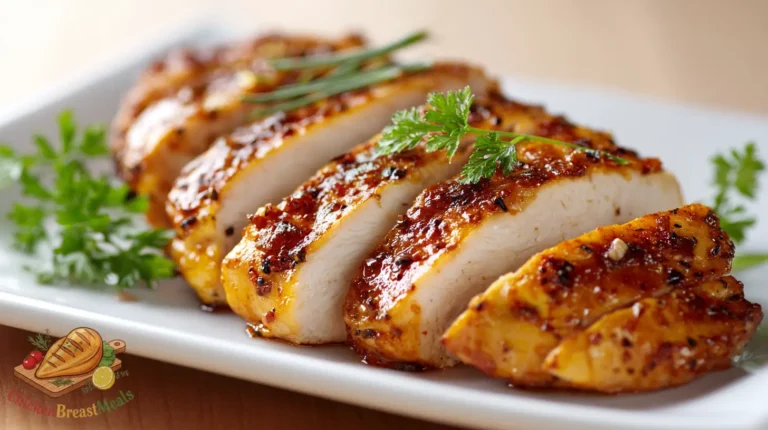
- Rest before serving: Remove from oven and allow to rest for 5-7 minutes before slicing or serving to redistribute juices and complete carryover cooking.
| Chicken Breast Thickness | Approximate Cooking Time | Target Internal Temperature |
|---|---|---|
| ¾ inch (2cm) | 18-20 minutes | 165°F (74°C) |
| 1 inch (2.5cm) | 22-25 minutes | 165°F (74°C) |
| 1.25 inches (3cm) | 25-28 minutes | 165°F (74°C) |
Pro-Tips for Perfect Results
- Temperature management: Allow chicken to rest at room temperature for 15-20 minutes before coating with mayonnaise mixture. This prevents thermal shock and promotes even cooking.
- Mayonnaise selection impact: Full-fat mayonnaise produces the juiciest results. Low-fat versions contain water-based fillers that can evaporate during cooking, compromising moisture retention.
- Flavor infusion acceleration: For deeper flavor penetration, score the surface of thicker chicken breasts with shallow ¼-inch cuts in a crosshatch pattern before applying the mayonnaise mixture.
- Crispier exterior technique: For enhanced surface texture, increase oven temperature to 450°F (232°C) during the final 2-3 minutes of cooking or use the broiler setting briefly (watching carefully to prevent burning).
- Thermal precision: Remove chicken from oven at 162-163°F (72-73°C) internal temperature; carryover cooking will bring it to the food-safe 165°F (74°C) during resting without overcooking.
- Enhanced browning: Add 1 teaspoon of honey to the mayonnaise mixture to promote better caramelization and golden-brown color development.
- Flavor variation methodology: The base mayonnaise technique remains constant while flavor profiles can be adapted by incorporating international spice blends (Italian, Mexican, Indian) at 1-2 teaspoons per batch.
Storage and Reheating
Properly cooled oven baked mayonnaise chicken breast retains optimal texture and moisture when stored correctly. Allow chicken to cool completely before refrigerating to prevent condensation that accelerates spoilage.
Refrigeration Guidelines:
Store in airtight containers or wrapped tightly in plastic wrap for up to 3-4 days. For superior moisture retention, slice only the portions you’ll immediately consume, keeping remaining pieces intact.
Freezing Methodology:
While possible to freeze for up to 2 months, the mayonnaise coating may separate slightly upon thawing. Wrap individual pieces in plastic wrap, then aluminum foil before placing in freezer bags with air removed. Thaw overnight in refrigerator for best texture preservation.
Optimal Reheating Techniques:
1. Oven method (preferred): Preheat oven to 325°F (163°C). Place chicken on a wire rack over a baking sheet, cover loosely with foil, and heat for 10-12 minutes until internal temperature reaches 140°F (60°C).
2. Microwave method (convenience): Place chicken on a microwave-safe plate, cover with a damp paper towel, and heat at 60% power in 30-second intervals until warmed through (approximately 1-2 minutes total). Let stand 1 minute before serving.
3. Sous vide reheating (premium results): If available, reheat vacuum-sealed chicken at 140°F (60°C) for 20-30 minutes for unparalleled moisture retention.
Related Recipes to Try
- Oven Baked Bone-in Chicken Breast – Utilizes similar temperature principles with adaptations for bone-in cuts that offer enhanced flavor from marrow compounds.
- Oven Baked Yogurt-Marinated Chicken Breast – Explores an alternative dairy-based coating that employs lactic acid for tenderization.
- Herb-Crusted Oven Baked Chicken Breast – Builds upon mayonnaise adhesion properties by incorporating a secondary herb and breadcrumb coating.
- Parmesan-Mayo Chicken Breast with Roasted Vegetables – Expands the basic technique into a complete sheet pan meal with synchronized cooking times.
- Spicy Mayo-Glazed Chicken Breast – Introduces heat elements like cayenne or sriracha into the mayonnaise base for flavor complexity.
FAQs About Oven Baked Mayonnaise Chicken Breast
Will the chicken taste like mayonnaise after baking?
No, the mayonnaise transforms during the baking process, breaking down into its component oils and proteins. The result is a richly flavored, moist chicken with no distinctive mayonnaise flavor. The added seasonings become the predominant taste profile.
Can I use Greek yogurt instead of mayonnaise?
Yes, Greek yogurt can substitute for mayonnaise, though with different results. Yogurt provides tangier notes and less richness. Use full-fat Greek yogurt and add 1 tablespoon of olive oil per ½ cup of yogurt to compensate for the reduced fat content.
Why is my chicken not browning properly?
Insufficient browning typically occurs due to excess moisture or inadequate heat. Ensure chicken is thoroughly patted dry before applying mayonnaise, and verify oven temperature accuracy with an oven thermometer. For enhanced browning, consider adding 1 teaspoon of honey to the mayonnaise mixture or finishing under the broiler for 1-2 minutes.
How do I prevent the mayonnaise coating from sliding off during baking?
This issue commonly results from excess application or surface moisture. Apply a thin, even layer (approximately ⅛-inch) to properly dried chicken surfaces. Additionally, allowing the coated chicken to rest for 5 minutes before baking improves adhesion.
Can I prepare mayonnaise-coated chicken ahead of time?
Yes, you can prepare and coat the chicken up to 8 hours in advance. Store covered in the refrigerator. This actually enhances flavor development as the salt and acids in the mayonnaise mixture perform a mild cure on the protein surface.
Is this recipe suitable for meal prep?
Absolutely. The mayonnaise coating creates a protective layer that helps the chicken retain moisture even after refrigeration. For optimal results in meal prep applications, slightly undercook the chicken by 2-3 degrees as reheating will complete the cooking process.
Conclusion
Oven baked mayonnaise chicken breast represents a technical solution to the persistent challenge of moisture retention in lean poultry cuts. By leveraging the emulsified structure of mayonnaise as both a protective coating and flavor delivery system, this method consistently produces superior results with minimal additional effort compared to standard baking techniques.
The versatility of this approach extends beyond the base recipe, functioning as a culinary platform for endless flavor variations while maintaining the core benefits of enhanced moisture retention and flavor penetration. The technical principles employed—thermal insulation, fat-based flavor carrying, and protein-assisted browning—demonstrate how simple adjustments to conventional cooking methods can dramatically improve outcomes.
For home cooks seeking reliable, science-backed techniques to elevate everyday protein preparation, this method delivers restaurant-quality results with household ingredients and standard equipment. The objective improvements in moisture content and flavor development make this approach worth incorporating into your regular culinary repertoire.
Oven Baked Mayonnaise Chicken Breast

Ingredients
- 4 boneless, skinless chicken breasts approximately 8 oz/225g each
- 1/2 cup high-quality mayonnaise 120g
- 2 teaspoons garlic powder 6g
- 1 tablespoon fresh herbs (thyme, rosemary, or parsley), finely chopped 3g
- 1 teaspoon Dijon mustard 5g
- 1 tablespoon lemon juice 15ml
- 1 teaspoon kosher salt 5g
- 1/2 teaspoon freshly ground black pepper 2g
- 1/4 teaspoon paprika optional, for color
- 2 tablespoons grated Parmesan cheese optional
Method
- Pat chicken breasts dry with paper towels to remove surface moisture. This ensures proper mayonnaise adhesion and prevents dilution of flavors.
- If chicken breasts have uneven thickness, gently pound the thicker portions to achieve uniform thickness of approximately ¾-inch (2cm) throughout. This ensures even cooking.
- In a mixing bowl, combine mayonnaise, garlic powder, chopped herbs, Dijon mustard, lemon juice, salt, pepper, paprika, and Parmesan (if using). Mix thoroughly until homogeneous.
- Set oven to 425°F (218°C) and allow to fully preheat. Position rack in the middle of the oven for optimal heat circulation.
- Line a rimmed baking sheet with parchment paper or aluminum foil and place a wire rack on top. Lightly spray rack with cooking spray to prevent sticking.
- Using a silicone brush or the back of a spoon, apply the mayonnaise mixture evenly to all surfaces of each chicken breast. Ensure complete coverage with approximately ⅛-inch (3mm) layer.
- Place coated chicken breasts on the prepared wire rack, ensuring at least 1-inch (2.5cm) spacing between pieces for proper air circulation.
- Place in preheated oven and bake until internal temperature reaches 165°F (74°C) at the thickest part, approximately 20-25 minutes depending on thickness.
- Remove from oven and allow to rest for 5-7 minutes before slicing or serving to redistribute juices and complete carryover cooking.
Note
- Allow chicken to rest at room temperature for 15-20 minutes before coating with mayonnaise mixture for even cooking.
- Use full-fat mayonnaise for the juiciest results. Low-fat versions contain water-based fillers that evaporate during cooking.
- For deeper flavor penetration, score the surface of thicker chicken breasts with shallow cuts in a crosshatch pattern.
- For a crispier exterior, increase oven temperature to 450°F during the final 2-3 minutes or briefly use the broiler setting.
- Remove chicken from oven at 162-163°F internal temperature; carryover cooking will bring it to food-safe 165°F.
- Add 1 teaspoon of honey to the mayonnaise mixture for better caramelization and color development.