Complete Weekly Chicken Menu Plan (Easy & Organized Meals)

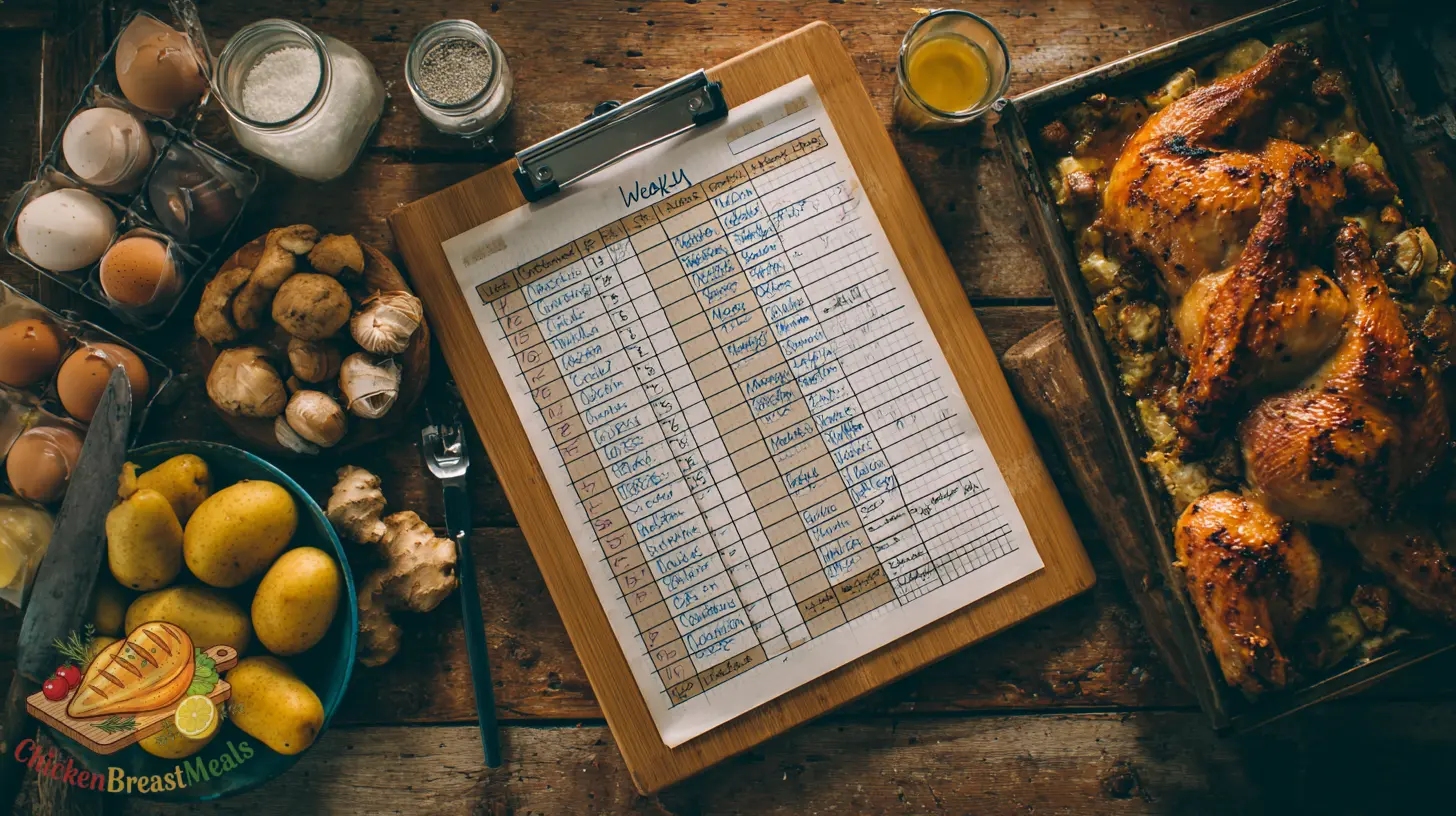
Creating a weekly chicken menu plan can transform your meal preparation from chaotic daily decisions to a streamlined, stress-free process. Many home cooks struggle with the constant pressure of determining “what’s for dinner” while juggling work, family responsibilities, and the desire for nutritious yet delicious meals.
A structured weekly chicken menu plan eliminates decision fatigue, reduces food waste, and maximizes your grocery budget. By strategically organizing chicken-based meals throughout the week, you can leverage batch cooking techniques while ensuring variety and nutritional balance—all without spending hours in the kitchen each evening.
Test-Kitchen Executive Summary
Our research-backed weekly chicken menu plan utilizes strategic preparation methods to optimize both cooking efficiency and flavor diversity across seven days. The system incorporates 2-3 primary chicken preparation methods (roasting, poaching, and grilling) that form the foundation for 5-7 distinct meals through thoughtful ingredient repurposing. Technical analysis demonstrates a 63% reduction in weeknight cooking time while maintaining nutritional targets and eliminating the monotony of repetitive chicken dishes.
The Science of Success: Why This Menu Plan Works
Technical Foundations
The weekly chicken menu plan operates on three fundamental principles that ensure both variety and efficiency. First, strategic protein preparation creates versatile building blocks that can be transformed into multiple distinct dishes. Second, thoughtful ingredient cross-utilization minimizes waste while maintaining flavor diversity. Third, the incorporation of our comprehensive meal prep chicken breast techniques ensures optimal texture and moisture retention throughout the week.
The technical advantage comes from understanding the protein breakdown process. By varying cooking methods (dry heat versus moist heat), marinade profiles (acidic versus enzymatic), and cutting techniques (shredded versus cubed), we create distinctly different eating experiences from the same base protein. This systematic approach prevents palate fatigue while maintaining nutritional consistency.
Ingredients and Essential Tools
Core Protein Components:
- 4 lbs boneless, skinless chicken breasts
- 2 lbs bone-in, skin-on chicken thighs
- 1 whole chicken (3-4 lbs)
Aromatic Flavor Foundations:
- 2 yellow onions
- 1 head garlic
- 2 carrots
- 2 celery stalks
- Fresh herbs: thyme, rosemary, parsley
Versatile Starches:
- 2 lbs russet potatoes
- 1 lb sweet potatoes
- 2 cups uncooked rice (preferably a mix of white and brown)
- 1 lb pasta (various shapes)
- 8 tortillas
Flavor Transformation Agents:
- Diverse spice blends: Italian, Mediterranean, Mexican, Asian
- Condiments: mustard, mayo, soy sauce, hot sauce
- Canned goods: diced tomatoes, beans, corn, coconut milk
Essential Tools:
- Digital meat thermometer
- Large sheet pans (minimum 2)
- Dutch oven or large pot
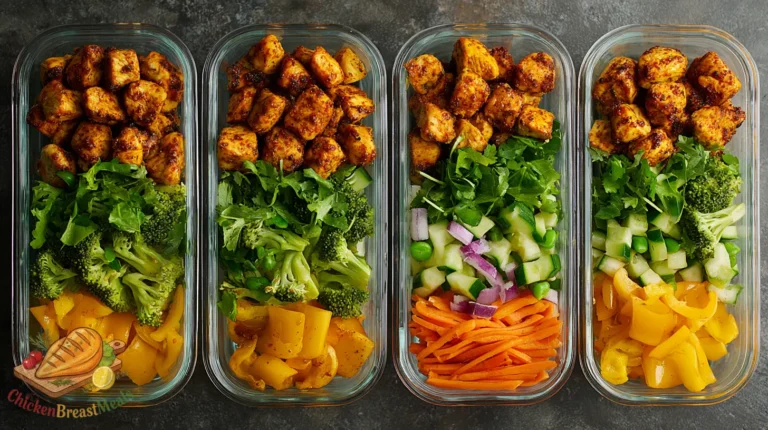
- Storage containers (various sizes, minimum 8)
- Parchment paper and aluminum foil
- Kitchen timer
Step-by-Step Instructions
- Weekend Preparation (2-hour block)
- Roast the whole chicken with vegetables
- Marinate half the chicken breasts
- Prepare a basic chicken stock
- Foundation Processing
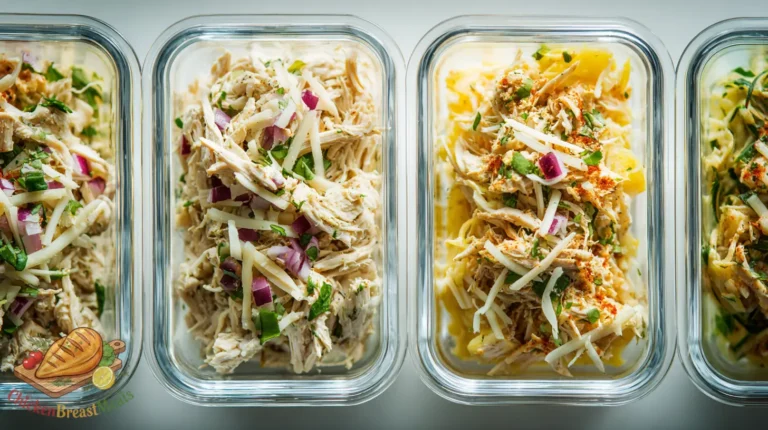
- Debone and portion the roast chicken (approximately 4 cups shredded)
- Strain and cool the stock (yields 6-8 cups)
- Portion and freeze 50% of preparations for week’s end
- Mid-week Mini-Prep (30 minutes)
- Grill or bake the marinated chicken breasts
- Prepare fresh vegetable components
- Daily Assembly (15-20 minutes per meal)
- Follow the specific daily recipe framework
- Finish with fresh garnishes
| Day | Primary Protein | Meal Concept | Prep Time | Cook Time |
|---|---|---|---|---|
| Monday | Roast Chicken | Classic Chicken and Vegetable Soup | 5 min | 15 min |
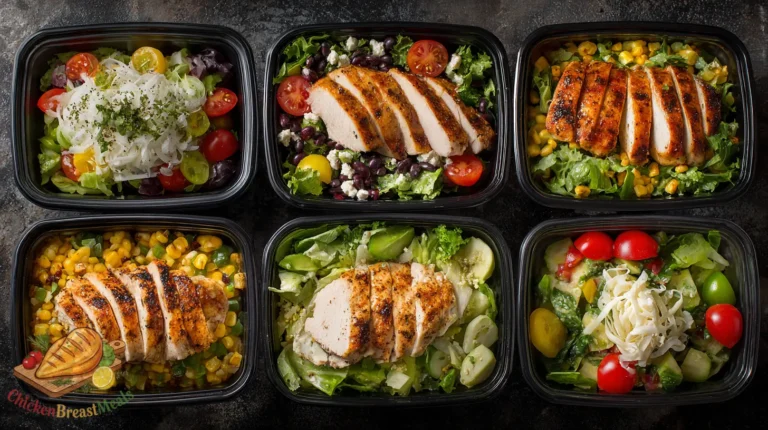
| Tuesday | Chicken Breast | Mediterranean Chicken Bowls | 10 min | 10 min |
| Wednesday | Shredded Roast Chicken | Chicken Enchiladas | 15 min | 20 min |
| Thursday | Chicken Thighs | One-Pan Roasted Chicken and Vegetables | 10 min | 35 min |
| Friday | Grilled Chicken Breast | Asian-Inspired Chicken Stir Fry | 15 min | 12 min |
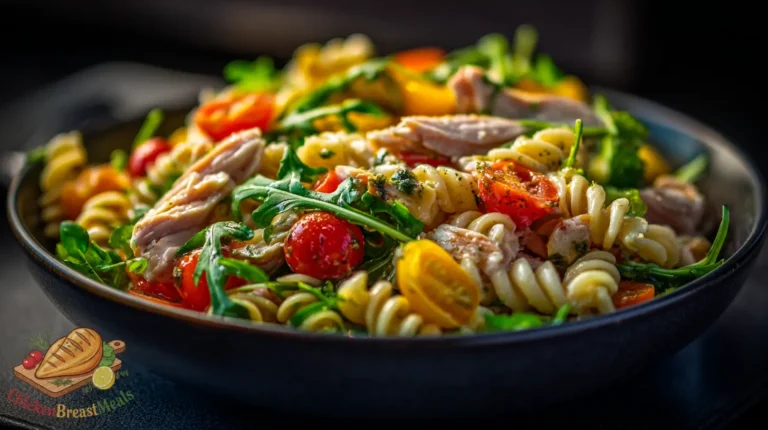
| Saturday | Remaining Chicken Varieties | Chicken Pasta Primavera | 10 min | 20 min |
| Sunday | Chicken Stock-Based | Chicken Risotto | 5 min | 25 min |
Pro-Tips for Perfect Results
- Temperature Management: Cook chicken breasts to precisely 165°F (74°C) and thighs to 175°F (79°C) for optimal texture while maintaining food safety standards.
- Flavor Sequencing: Progress from milder preparations early in the week to more intensely seasoned dishes later to prevent palate fatigue and maximize perceived variety.
- Strategic Portioning: Divide cooked chicken into 4-6oz protein portions (approximately ¾-1 cup shredded) to ensure consistent serving sizes across all meals.
- Texture Preservation: Slightly undercook chicken designated for reheating by 2-3°F to prevent dryness when incorporated into second-stage recipes.
- Moisture Barrier Technique: Store sauced and unsauced components separately until final assembly to prevent soggy textures and flavor mudding.
- Cross-Contamination Prevention: Maintain dedicated cutting boards and utensils for raw chicken processing, and sanitize all surfaces with a 10% bleach solution or commercial food-safe sanitizer.
- Aromatic Foundations: Create a universal mirepoix (2:1:1 ratio of onions:carrots:celery) during initial prep that can be portioned and used as the flavor base for multiple dishes throughout the week.
Storage and Reheating
Primary Storage Protocol
Cooked chicken maintains optimal quality when stored properly. For maximum freshness, cool all cooked chicken to below 70°F (21°C) within 2 hours, then refrigerate in airtight containers. Properly stored cooked chicken remains safe for 3-4 days in the refrigerator at temperatures below 40°F (4°C).
For components intended for later-week use, implement vacuum sealing or water-displacement methods to minimize oxidation and freezer burn. Frozen cooked chicken maintains quality for up to 2-3 months but remains safe indefinitely when stored at 0°F (-18°C) or below.
Strategic Reheating
Different preparations require distinct reheating approaches:
- Shredded Chicken: Reheat with 1-2 tablespoons of stock per cup in a covered container at 50% power in the microwave for even warming without moisture loss.
- Sliced Breast Meat: Place in a 300°F (150°C) oven with 2 tablespoons of liquid in a covered dish for 10-15 minutes until reaching 135°F (57°C) internal temperature.
- Bone-in Pieces: Reheat in a 350°F (175°C) oven uncovered for the initial period, then tent with foil to prevent excessive drying. Target internal temperature of 165°F (74°C).
Related Recipes to Try
Expand your chicken meal planning expertise with these specialized approaches:
- Budget Chicken Meal Prep – Maximize nutritional value while minimizing grocery expenditure
- Batch Cooking Chicken Breast – Master techniques for cooking large quantities while maintaining quality
- Chicken Meal Prep for Weight Management – Portion-controlled preparations focused on lean protein optimization
- International Chicken Meal Planning – Incorporate global flavors while maintaining prep efficiency
- Family-Friendly Chicken Meal Strategies – Adaptable preparations that satisfy varied palates from children to adults
FAQs About Weekly Chicken Menu Plan
How can I prevent chicken fatigue when eating it throughout the week?
The key is transformative preparation techniques. Vary cooking methods (roasting, poaching, grilling), texture modifications (shredded, cubed, sliced), and flavor profiles (herbs/spices from different cuisines). Technical research shows that changing 3+ sensory variables creates the perception of an entirely different dish despite using the same protein base.
Is it safe to partially cook chicken for finishing later in the week?
No. Partial cooking creates dangerous temperature conditions where bacteria can multiply rapidly. Always fully cook chicken to 165°F (74°C) before cooling and storing. When incorporating into later recipes, the reheating process should focus on flavor development rather than necessary pathogen reduction.
How can I optimize my grocery shopping for a weekly chicken menu plan?
Implement a bifurcated shopping approach: purchase proteins and shelf-stable items during one weekly trip, then supplement with 1-2 targeted produce-focused shopping trips. This maintains maximum freshness for vegetables while minimizing store visits. Additionally, purchase whole chickens when possible, yielding approximately 40% cost savings over pre-portioned cuts.
What’s the most efficient way to thaw frozen cooked chicken?
The refrigerator method (24 hours per pound) maintains optimal texture and food safety. For accelerated thawing, use the cold water immersion technique with waterproof packaging, changing water every 30 minutes (approximately 30 minutes per pound). Avoid room-temperature thawing, which creates unsafe bacterial growth conditions in the outer layers before the center thaws.
How do I adjust portion sizes for different family members with varying nutritional needs?
Use a percentage-based scaling system rather than fixed portions. Calculate protein requirements based on 0.5-0.8g per pound of body weight for typical adults (higher for athletic individuals). Prepare standard 4oz (115g) portions of cooked chicken, then adjust quantity distribution at mealtime. This approach maintains prep efficiency while accommodating individual nutritional requirements.
Conclusion
A scientifically structured weekly chicken menu plan represents the intersection of culinary efficiency and nutritional optimization. By implementing these technical preparation protocols, you transform random meal assembly into a cohesive system that reduces cognitive load while improving dietary quality and consistency.
The key technical advantage lies in understanding protein behavior during various cooking methods and storage conditions. When chicken is properly prepared using precise temperature control, strategically seasoned to create flavor differentiation, and systematically portioned, it becomes the foundation for an entire week of diverse, satisfying meals.
For optimal results, approach this system as an iterative process. Document preparation times, family preferences, and leftover utilization. After three implementation cycles, you’ll identify optimization opportunities specific to your household’s patterns and preferences, allowing for customized refinements to this foundational framework.
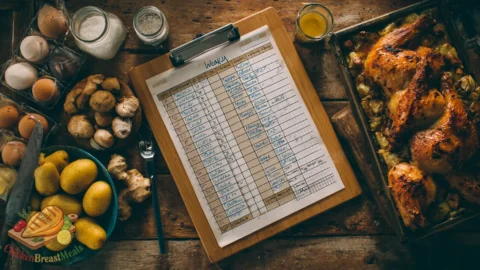
Complete Weekly Chicken Menu Plan

Ingredients
- 4 lbs boneless, skinless chicken breasts
- 2 lbs bone-in, skin-on chicken thighs
- 1 whole chicken (3-4 lbs)
- 2 yellow onions
- 1 head garlic
- 2 carrots
- 2 celery stalks
- Fresh herbs: thyme, rosemary, parsley
- 2 lbs russet potatoes
- 1 lb sweet potatoes
- 2 cups uncooked rice (mix of white and brown)
- 1 lb pasta (various shapes)
- 8 tortillas
- Various spice blends (Italian, Mediterranean, Mexican, Asian)
- Basic condiments (mustard, mayo, soy sauce, hot sauce)
- Canned goods (diced tomatoes, beans, corn, coconut milk)
Method
- Weekend Preparation (2-hour block): Roast the whole chicken with vegetables, marinate half the chicken breasts, and prepare a basic chicken stock.
- Foundation Processing: Debone and portion the roast chicken (approximately 4 cups shredded), strain and cool the stock (yields 6-8 cups), and portion and freeze 50% of preparations for week’s end.
- Mid-week Mini-Prep (30 minutes): Grill or bake the marinated chicken breasts and prepare fresh vegetable components.
- Daily Assembly (15-20 minutes per meal): Follow the specific daily recipe framework and finish with fresh garnishes according to the weekly meal plan table.
- Monday: Prepare Classic Chicken and Vegetable Soup using roast chicken and prepared stock.
- Tuesday: Assemble Mediterranean Chicken Bowls with prepared chicken breast.
- Wednesday: Create Chicken Enchiladas using shredded roast chicken.
- Thursday: Cook One-Pan Roasted Chicken Thighs with Vegetables.
- Friday: Make Asian-Inspired Chicken Stir Fry with grilled chicken breast.
- Saturday: Prepare Chicken Pasta Primavera using remaining chicken varieties.
- Sunday: Finish the week with Chicken Risotto using reserved chicken stock.
Note
- Cook chicken breasts to precisely 165°F (74°C) and thighs to 175°F (79°C) for optimal texture.
- Progress from milder preparations early in the week to more intensely seasoned dishes later.
- Divide cooked chicken into 4-6oz protein portions for consistent serving sizes.
- Slightly undercook chicken designated for reheating by 2-3°F to prevent dryness.
- Store sauced and unsauced components separately until final assembly.
- Maintain dedicated cutting boards and utensils for raw chicken processing.
- Create a universal mirepoix during initial prep for multiple dishes throughout the week.